





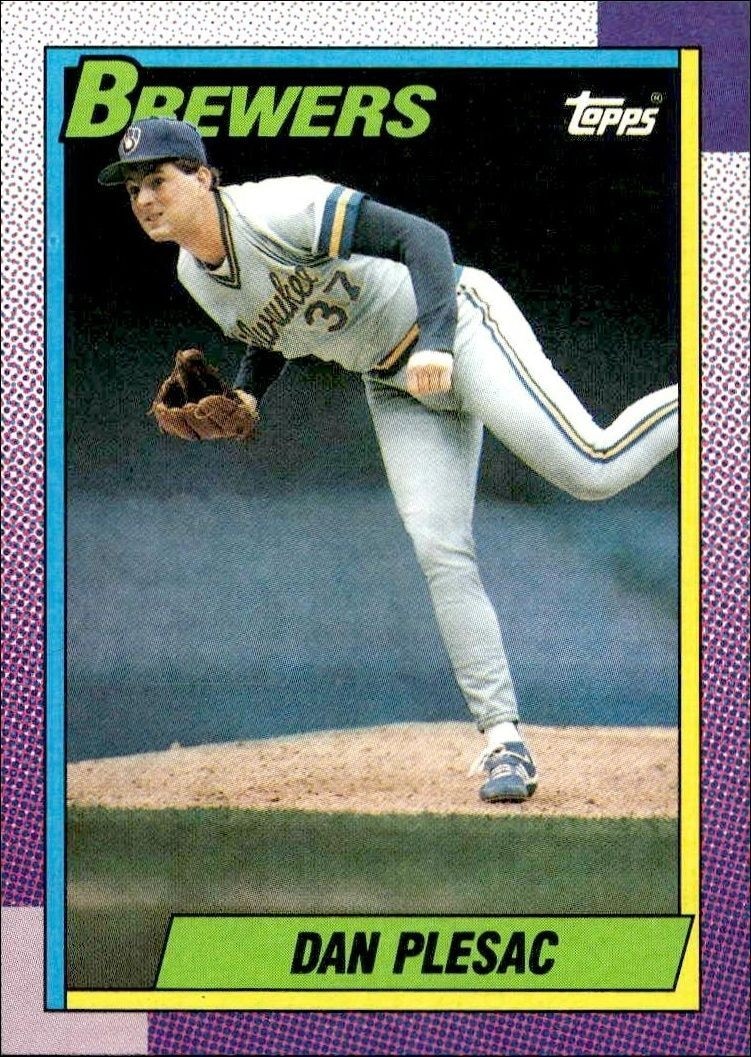
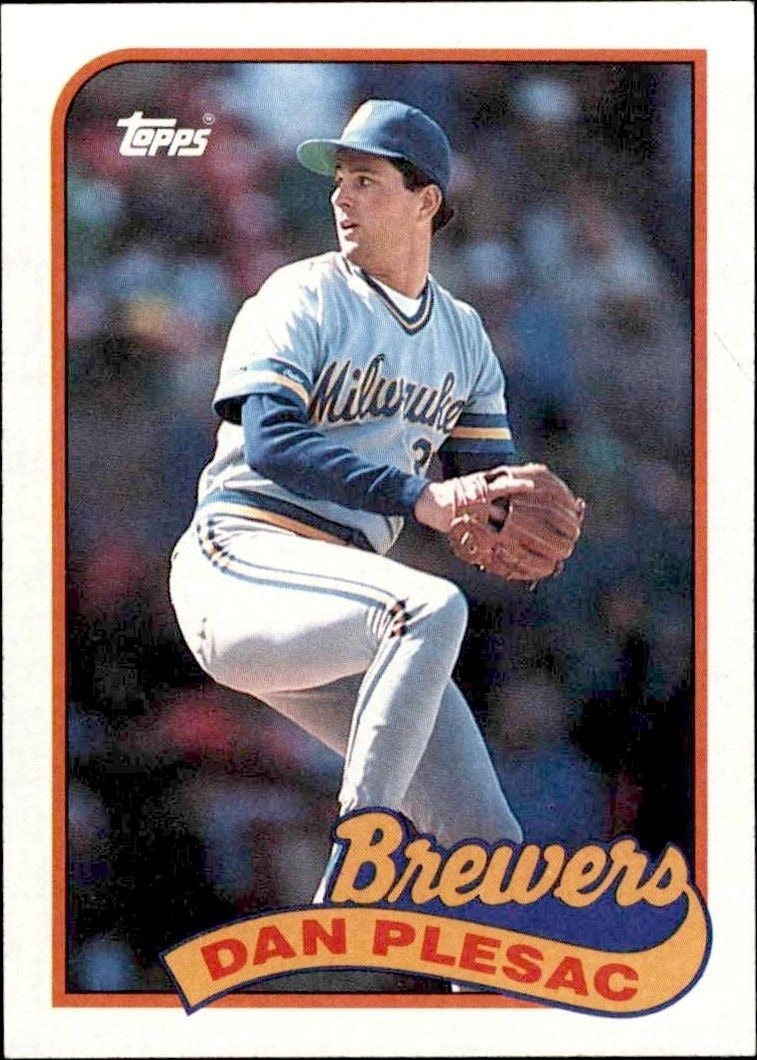
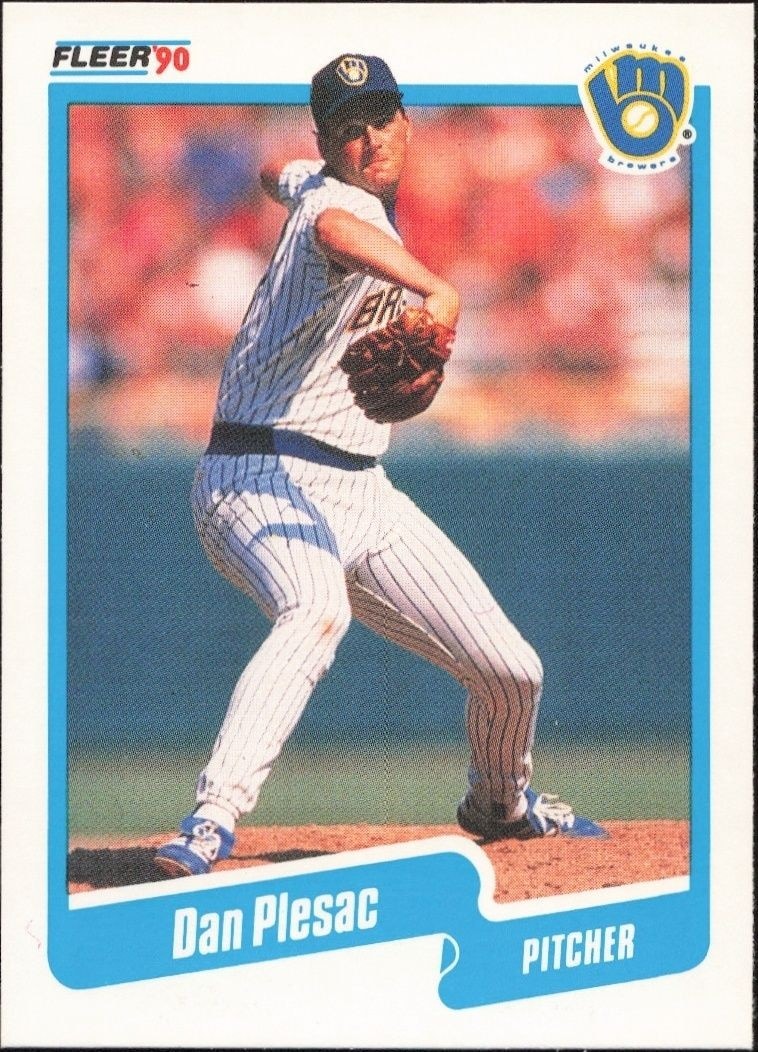

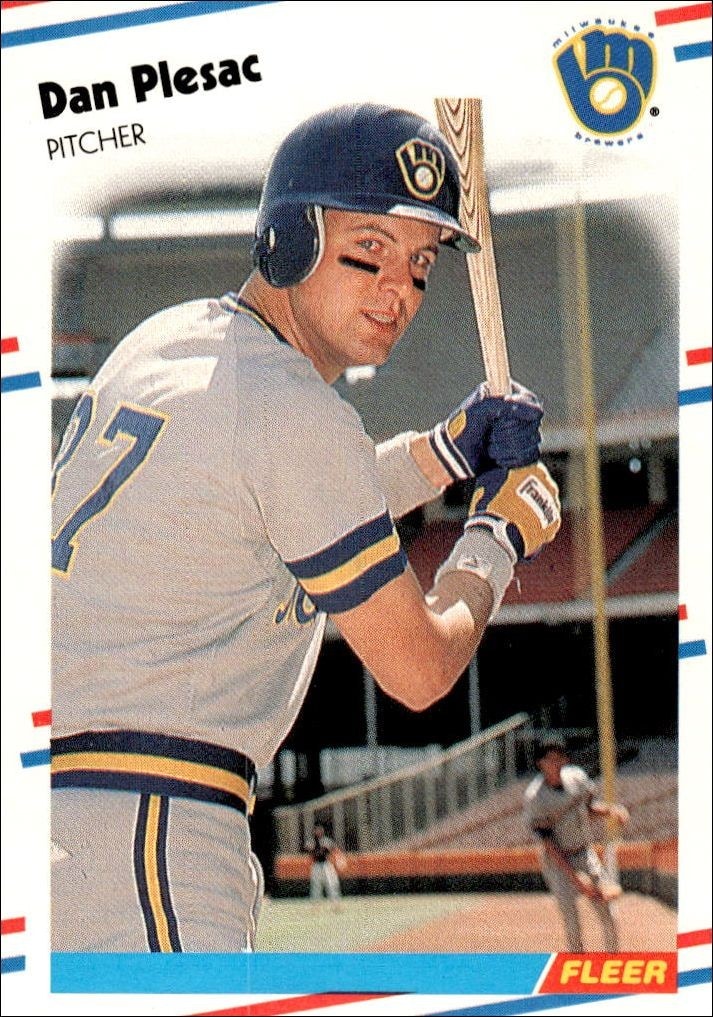
The 1987 Topps Dan Plesac #279 baseball card represents a specific snapshot of the Milwaukee Brewers during the 1987 MLB season. This catalog entry covers the standard base card issue from the Topps brand.
1987 • Topps
Major League Baseball • Milwaukee Brewers
Excellent
279
New
Shipping Calculated at Checkout
Arrives in 5-7 daysEstimated delivery October 23, 2026 - October 25, 2026
Seller returns October 19, 2026.30-day Returns| Condition | Value | Source | Trend | Price Details |
|---|---|---|---|---|
$1.40 | Guide Estimate | -5.4% | ||
$3.73 | Guide Estimate | +0.5% | ||
$4.00 | Guide Estimate | 0% | ||
$60.00 | Guide Estimate | 0% | ||
$28.00 | Guide Estimate | 0% | ||
$46.02 | Guide Estimate | 0% | ||
$28.00 | Guide Estimate | 0% | ||
Raw / Ungraded
PriceCharting Price Guide · Guide Estimate evidence · captured Oct 10, 2026
Collectors seeking to build a comprehensive library of vintage baseball cards will find the 1987 Topps Dan Plesac #279 card to be a distinct component of the larger set. Released by Topps, this product defines the visual identity of the 1987 baseball season, capturing the aesthetic standards of that era. For enthusiasts tracking the history of the Milwaukee Brewers, this card serves as a tangible record of Dan Plesac's tenure with the team during that specific year. The card number 279 places it firmly within the base set, offering a straightforward addition for those completing sequential collections. As a standard sports trading card, it appeals to hobbyists who value the historical context of 1980s baseball design. Whether focusing on team history or player portfolios, this card provides a direct link to the 1987 MLB landscape. The simplicity of the base release allows the subject and team affiliation to take center stage. For investors and long-term holders, maintaining a complete run of 1987 Topps releases remains a popular strategy. This card number is a key identifier for verifying authenticity and completeness within the broader set. The enduring popularity of Topps products ensures that cards from this year continue to be relevant in the modern collecting community.
12 hours ago
We'll pre-fill the product details from this catalog entry, so your listing lands on this exact page. Just add photos of your copy, pick its condition, and set your price.
The catalog profile below summarizes the card identity, featured subject, and notable collectible traits.
The subject, team, league, and sport context tied to this card.
Production details and format-specific attributes.
Material
Card Stock
Language
English
Compare prices, grades, photos, and shipping from approved sellers.
New
Excellent
See how many public collections currently include this card.
0 collectors have this card
This 1987 Topps Dan Plesac card represents a standard base-level offering from the era, currently trading at a modest entry-point tier relative to more sought-after rookie or premium parallels. As a non-rookie card from a major brand, its value is largely driven by the nostalgia of the late-80s baseball market rather than significant scarcity or condition premiums. It serves as an accessible component for completing a vintage set, though it does not command the high-end pricing seen in graded or short-print variations of the same player.
The card possesses no special scarcity attributes, existing as a standard base print within the 1987 Topps product line. This lack of parallel treatment, serial numbering, or short-print designation means the supply is abundant and unrestricted by limited edition mechanics. Consequently, the card does not benefit from the supply constraints that typically drive premiums in the secondary market, making it a common find for collectors.
Given its status as a base card from a high-volume set, the investment potential is limited to basic set completion rather than appreciation. Collector demand is likely driven by those seeking affordable vintage baseball memorabilia rather than speculative growth. While it holds sentimental value for Milwaukee Brewers fans and 1980s baseball enthusiasts, it is unlikely to see significant market movement without external factors affecting the broader vintage baseball sector.