

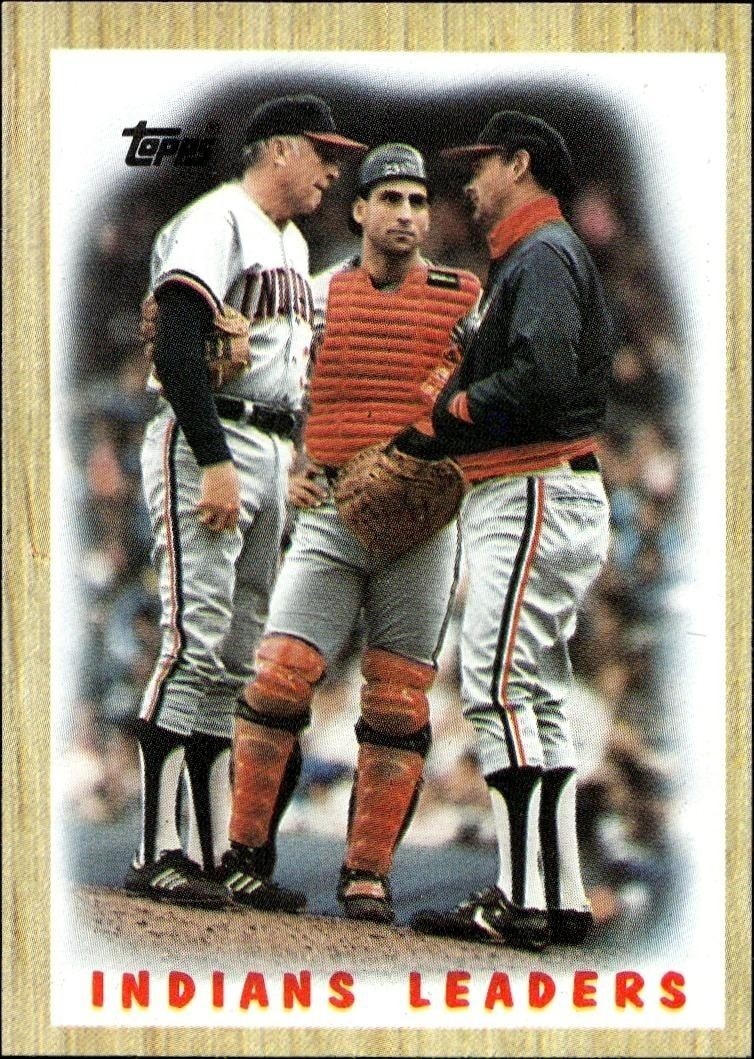


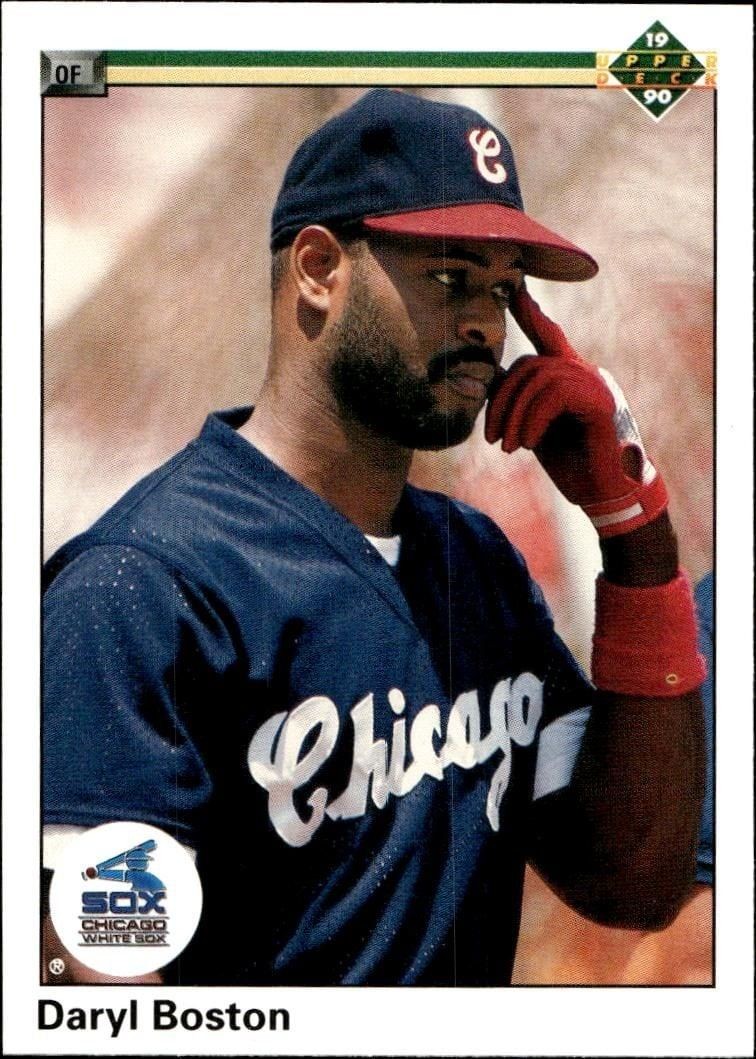
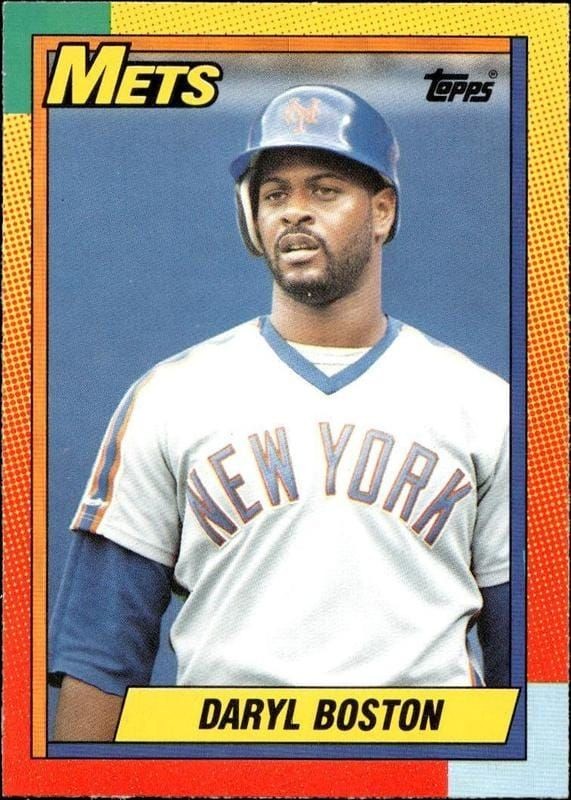

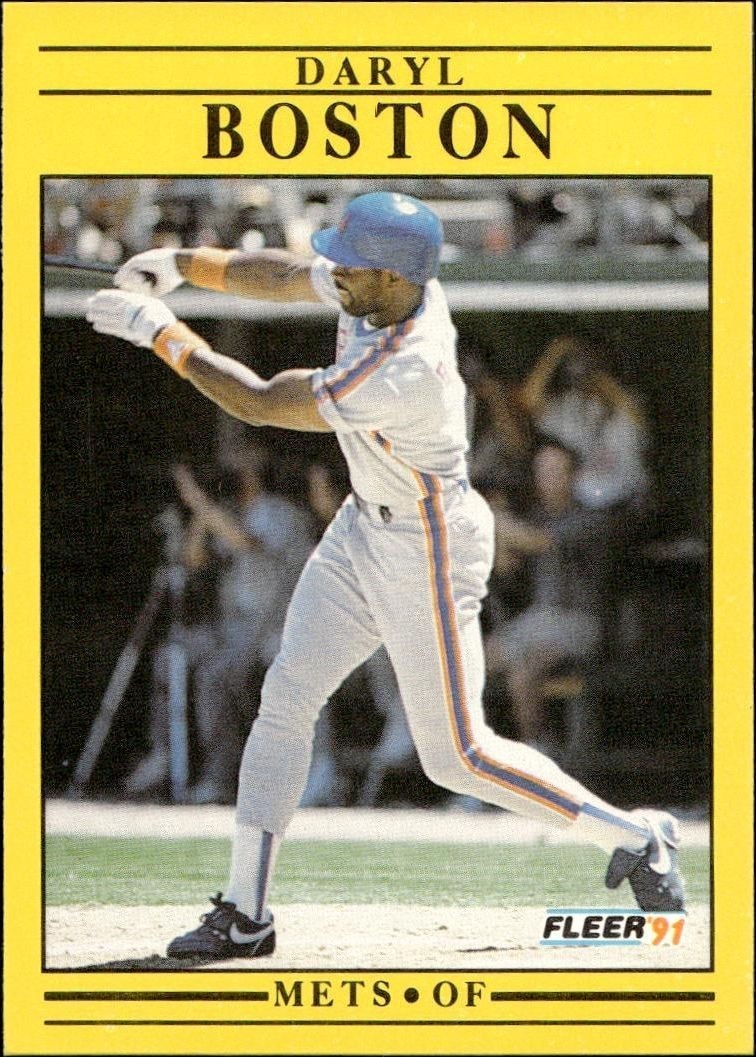
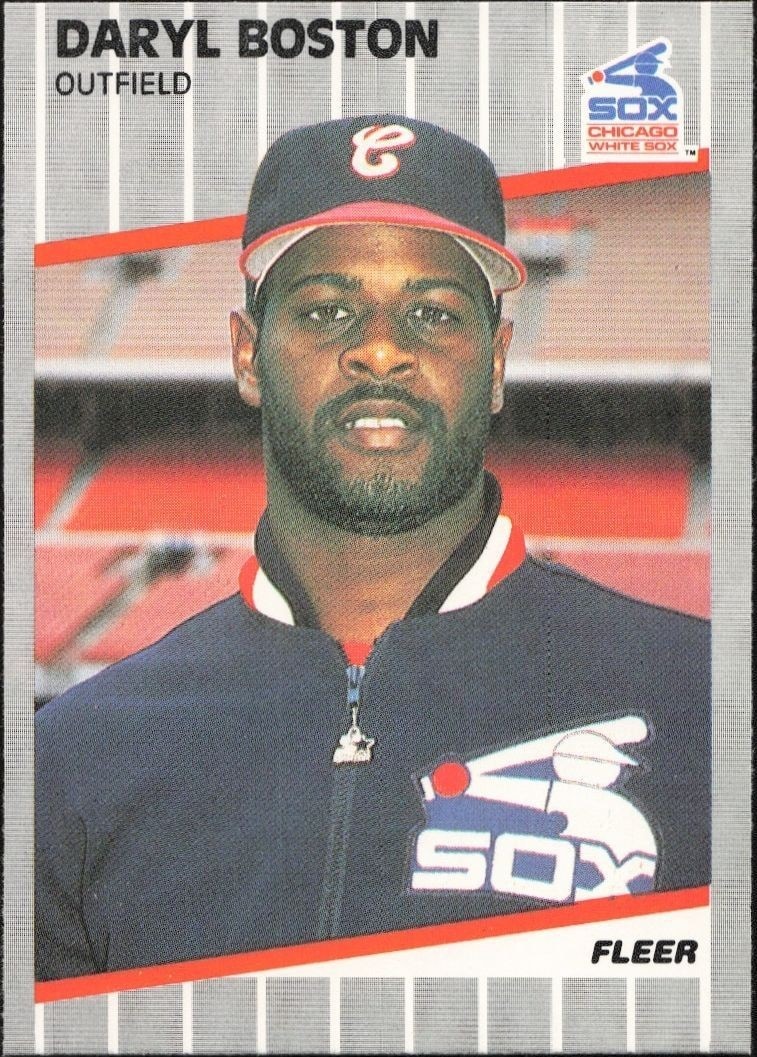
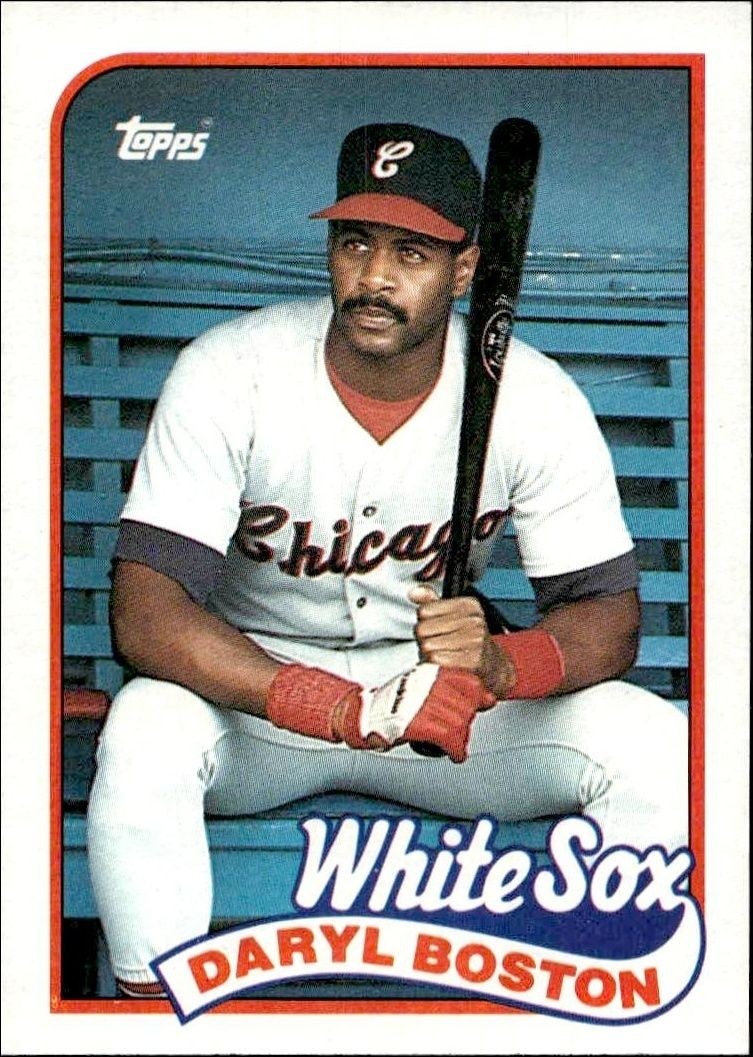
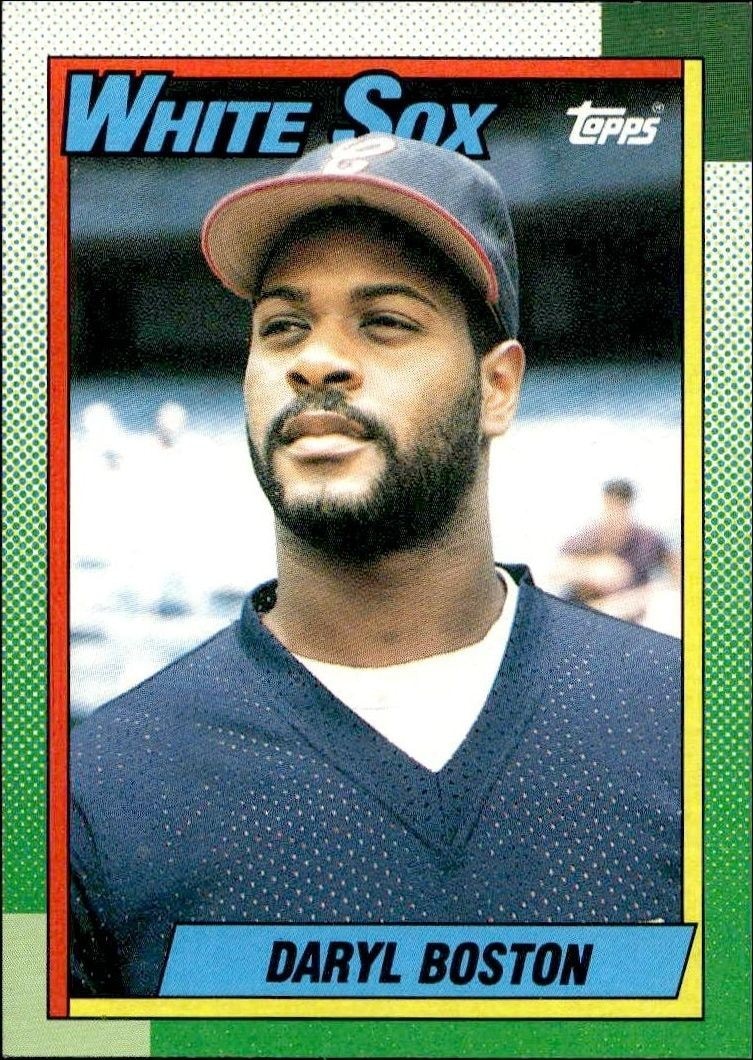
The 1987 Topps Daryl Boston #482 card captures the Chicago White Sox infielder during a pivotal era of MLB history, offering collectors a tangible piece of 1980s baseball culture.
1987 • Topps
Major League Baseball • Chicago White Sox
Excellent
482
New
Shipping Calculated at Checkout
Arrives in 5-7 daysEstimated delivery October 29, 2026 - October 31, 2026
30-day Returns| Condition | Value | Source | Trend | Price Details |
|---|---|---|---|---|
$0.95 | Guide Estimate | |||
$9.07 | Guide Estimate | |||
$10.00 | Guide Estimate | |||
Raw / Ungraded
PriceCharting Price Guide · Guide Estimate evidence · captured Oct 15, 2026
History is building. At least two days of matching observations are needed to show a trend.
Each point is the last stored observation that day for this printing, condition, grader, autograph status and source. Gaps mean no observation; guide estimates and asking prices are not completed sales.The 1987 Topps Daryl Boston #482 card is a staple of vintage baseball collecting, representing a specific moment in the career of the Chicago White Sox infielder. Released by Topps, the league's dominant manufacturer during the 1980s, this product is celebrated for its distinctive design and historical significance. Collectors often seek out this card to build comprehensive sets of 1987 Topps releases or to complete collections focused on White Sox roster history. Daryl Boston, known for his speed and defensive prowess on the infield, appears on this card as a key contributor to the White Sox lineup. The 1987 Topps set itself is a cornerstone of modern trading card history, featuring a clean, straightforward design that has become iconic among vintage enthusiasts. The card number 482 places it within the standard 792-card base set, making it a recognizable and accessible entry point for those new to the era or seasoned veterans alike. For investors and hobbyists, the 1987 Topps Daryl Boston #482 offers a blend of nostalgia and market stability. The vintage aesthetic of the 1980s continues to drive demand, with collectors prioritizing cards that capture the raw energy and style of the decade. Whether you are looking to add to a personal collection, gift a piece of sports history, or diversify a portfolio of vintage sports cards, this product provides a direct connection to the game's past. The enduring appeal of Topps products ensures that this card remains a relevant and sought-after component of any serious collection.
3 days ago
We'll pre-fill the product details from this catalog entry, so your listing lands on this exact page. Just add photos of your copy, pick its condition, and set your price.
The catalog profile below summarizes the card identity, featured subject, and notable collectible traits.
The subject, team, league, and sport context tied to this card.
Production details and format-specific attributes.
Material
Card Stock
Language
English
Compare prices, grades, photos, and shipping from approved sellers.
New
Excellent
See how many public collections currently include this card.
0 collectors have this card
This 1987 Topps Daryl Boston card sits in the entry-level tier of vintage baseball collectibles, reflecting its status as a mass-produced base card from a high-volume set. While it commands minimal premium over raw condition due to the era's abundance, it remains a accessible piece for those building foundational Chicago White Sox or 1980s MLB collections. The current market positioning indicates steady, low-volume demand rather than speculative interest, typical of non-star players from this specific production run.
As a standard base card with no noted parallels, short-print designation, or serial numbering, this item benefits from neither scarcity mechanics nor limited supply constraints. The absence of special attributes means the supply is effectively unbounded relative to collector demand, resulting in a uniform distribution across the population. Consequently, condition becomes the primary differentiator, as higher-grade examples are simply harder to find rather than rarer by design.
The lack of rookie card designation or unique set positioning significantly limits upside potential, as value appreciation in this segment is typically driven by iconic status or extreme scarcity. Collector demand is likely sustained only by niche completists seeking specific team or era representations rather than broad market speculation. Long-term value stability relies on the enduring appeal of the 1987 Topps brand, but significant growth is unlikely without a shift in the player's historical profile.