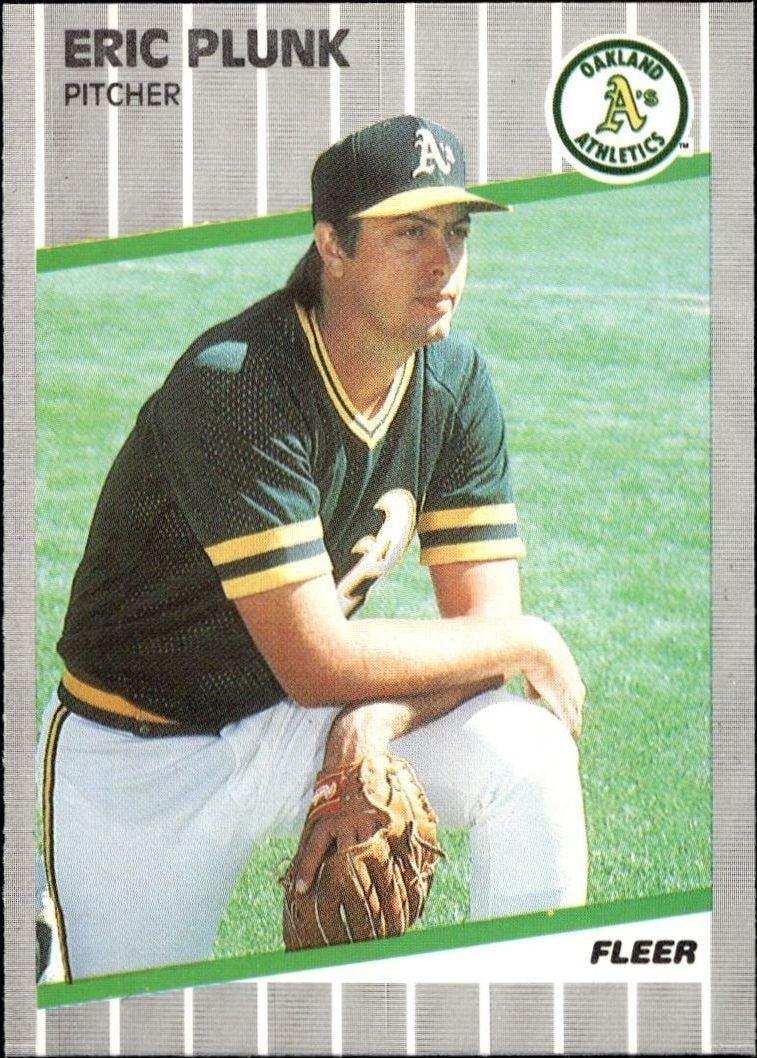





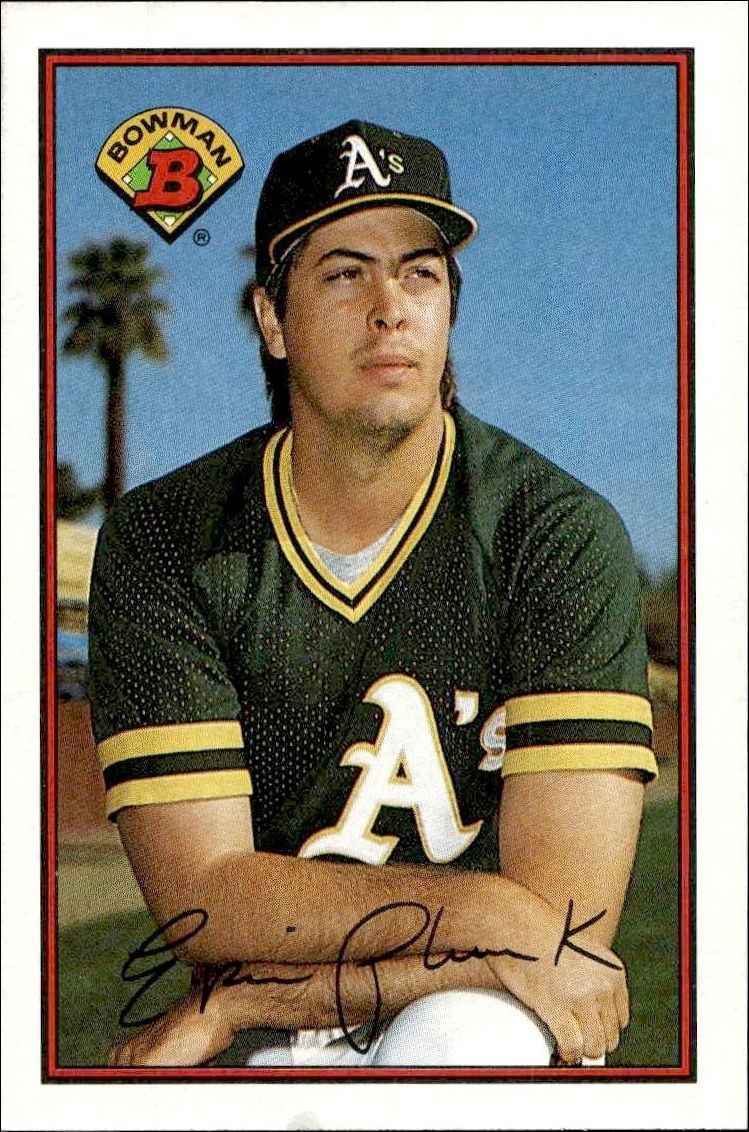

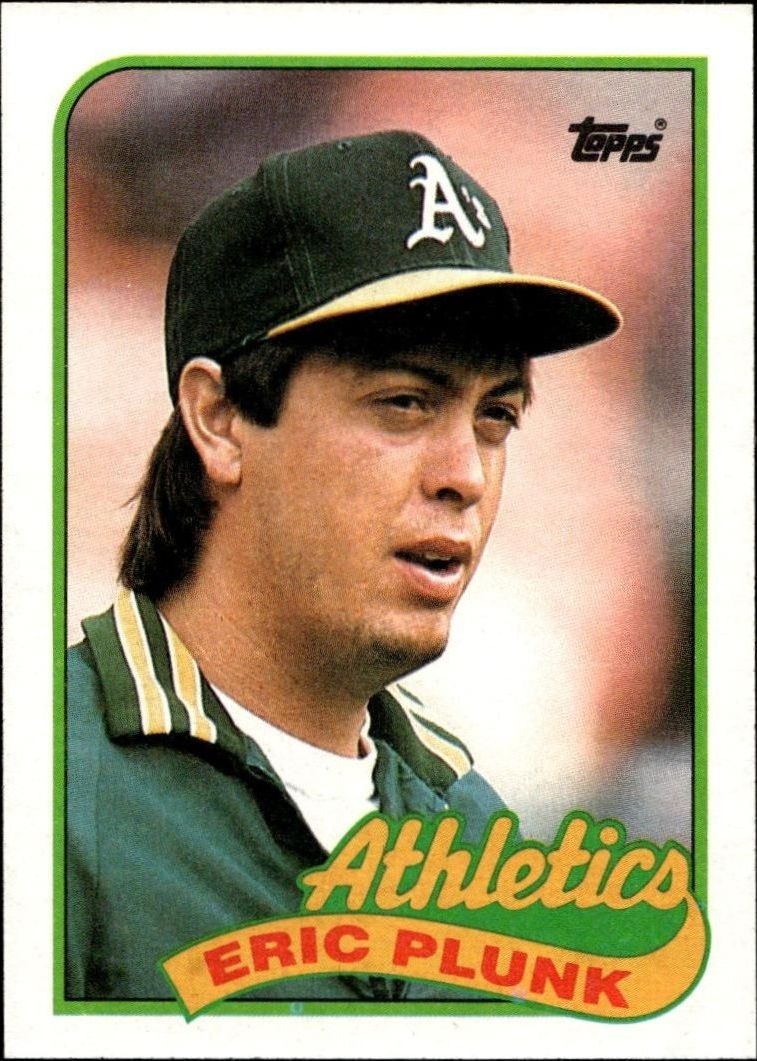
The 1987 Topps Eric Plunk #587 baseball card features Oakland Athletics pitcher Eric Plunk in a classic 1980s design, ideal for vintage baseball collectors.
1987 • Topps
Major League Baseball • Oakland Athletics
Excellent
587
New
Shipping Calculated at Checkout
Arrives in 4-6 daysEstimated delivery October 24, 2026 - October 26, 2026
30-day Returns| Condition | Value | Source | Trend | Price Details |
|---|---|---|---|---|
$1.21 | Guide Estimate | -1.6% | ||
$36.80 | Guide Estimate | 0% | ||
$40.00 | Guide Estimate | 0% | ||
$66.00 | Guide Estimate | 0% | ||
$31.00 | Guide Estimate | 0% | ||
$51.01 | Guide Estimate | 0% | ||
$31.00 | Guide Estimate | 0% | ||
Raw / Ungraded
PriceCharting Price Guide · Guide Estimate evidence · captured Oct 15, 2026
The 1987 Topps Eric Plunk #587 baseball card captures a specific moment in Oakland Athletics history, featuring the pitcher during his tenure with the team. Released by Topps, this card is part of the standard base set that defined the visual identity of 1980s baseball collecting. The design utilizes the era's signature layout, presenting Plunk in his Athletics uniform, which serves as a tangible link to the team's roster from that period. For collectors of vintage sports cards, the 1987 Topps set remains a foundational release. It represents a time when baseball card collecting was experiencing a surge in popularity, driven by new player introductions and the established presence of veteran stars. Eric Plunk, known for his durability and role in the rotation, appears in this issue, offering a piece of memorabilia for fans who followed his career or the Athletics' late-80s campaigns. The card number 587 places it within the larger set, allowing collectors to track their progress as they build out their complete collection. Whether you are aiming to complete a set of 1987 Topps cards or simply wish to add a piece of Oakland Athletics history to your collection, this card offers a straightforward and authentic entry point into vintage baseball memorabilia. The enduring appeal of the Topps brand ensures that issues from this decade continue to be sought after by hobbyists who appreciate the nostalgic design and historical context they provide.
1 hour ago
We'll pre-fill the product details from this catalog entry, so your listing lands on this exact page. Just add photos of your copy, pick its condition, and set your price.
The catalog profile below summarizes the card identity, featured subject, and notable collectible traits.
The subject, team, league, and sport context tied to this card.
Production details and format-specific attributes.
Material
Card Stock
Language
English
Compare prices, grades, photos, and shipping from approved sellers.
New
Excellent
See how many public collections currently include this card.
0 collectors have this card
This 1987 Topps Eric Plunk card sits at the entry-level price tier, reflecting its status as a standard base card from a high-print-run year. As a non-rookie card for a player who did not achieve Hall of Fame status, it trades significantly below market premiums associated with rookie issues or star players. The current valuation indicates a stable but modest demand profile typical of common vintage baseball cards from this era.
The card carries no scarcity attributes, as it is a standard base issue without serial numbering, short-print designation, or parallel processing. This lack of limiting factors means supply is abundant, with the original 1987 Topps set representing one of the largest print runs in modern history. Consequently, the card does not benefit from the supply constraints that typically drive value appreciation in vintage sports collectibles.
Investment potential is limited due to the card's position as a common base issue rather than a sought-after rookie or parallel variant. While it serves as an affordable entry point for Oakland Athletics or 1980s MLB completists, it lacks the scarcity mechanics required for significant appreciation. Collectors may acquire it for set completion, but speculative growth is unlikely given the overwhelming availability of identical copies in the market.