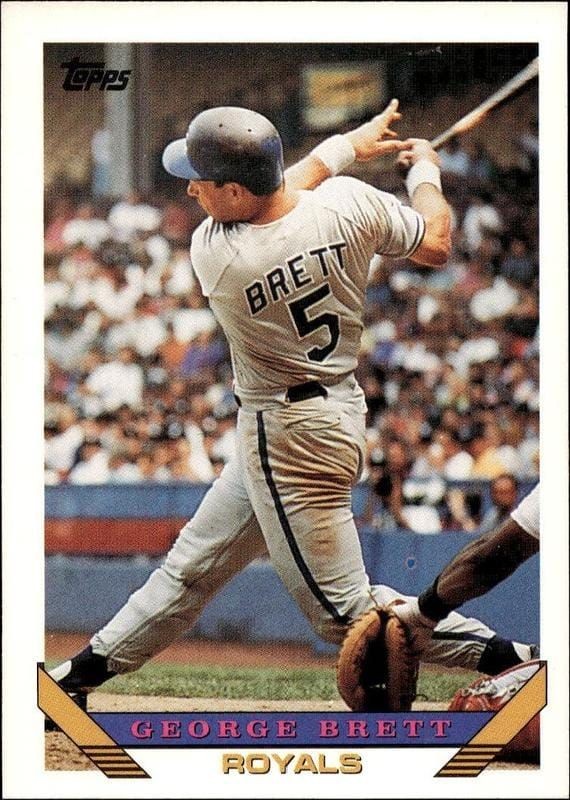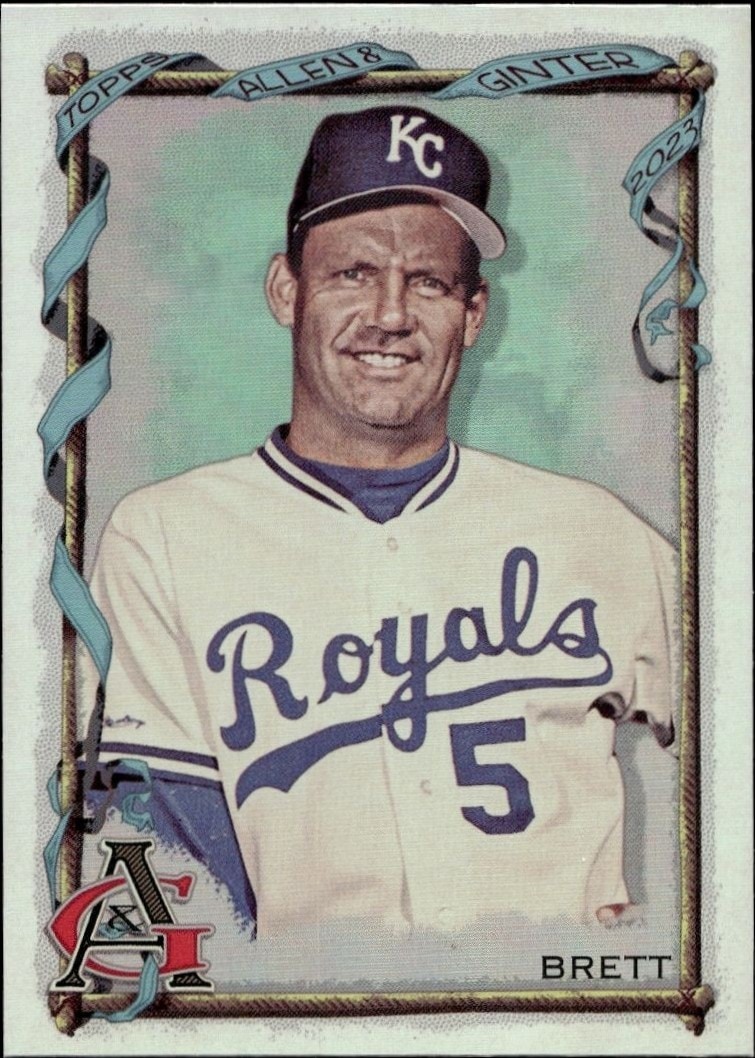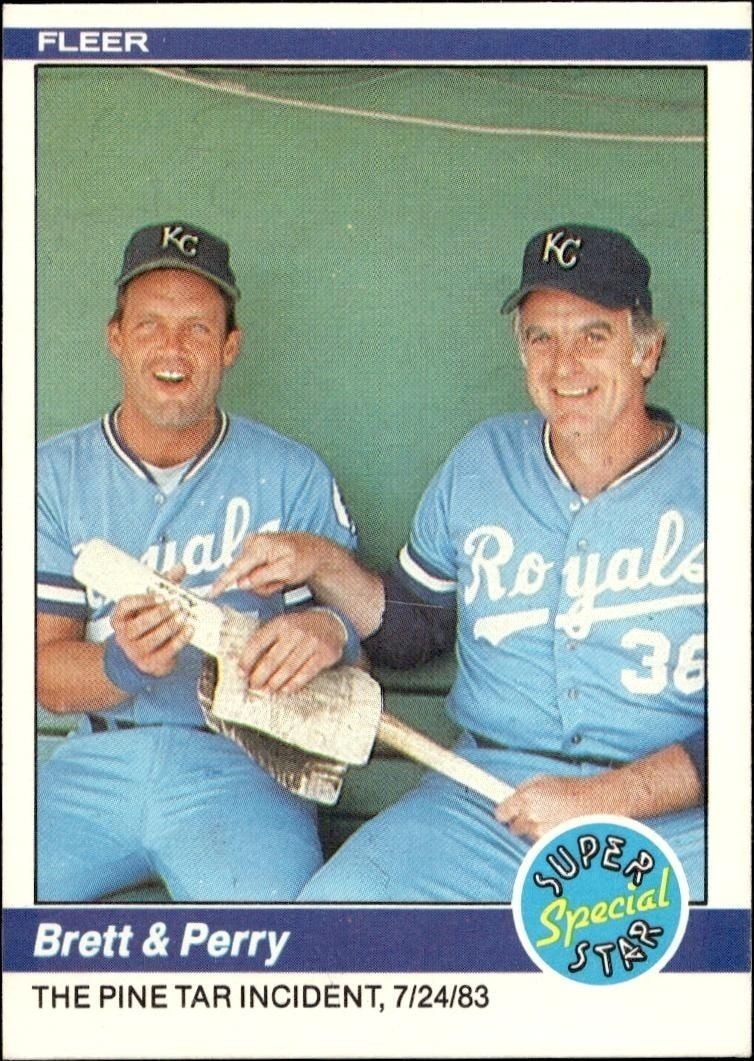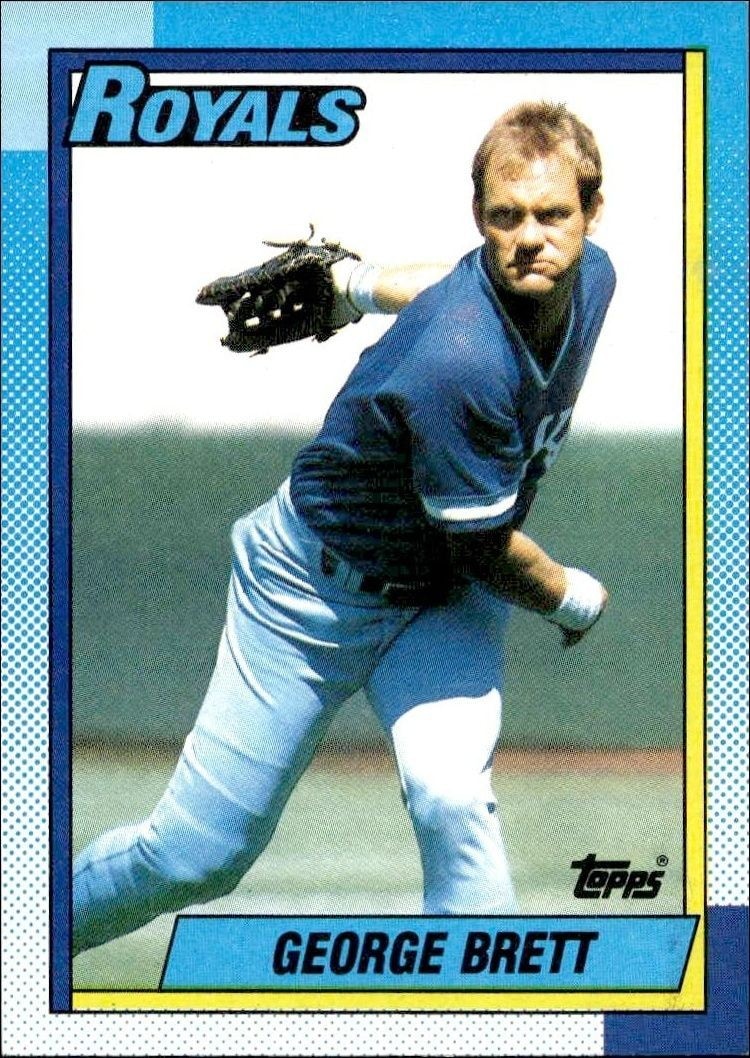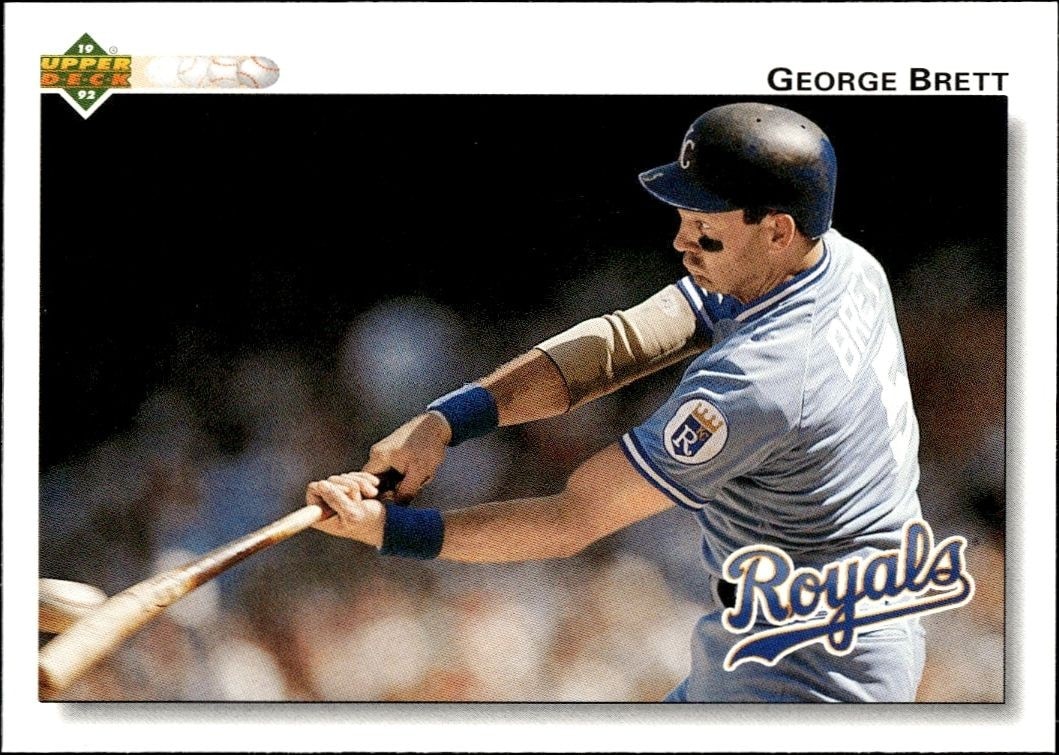





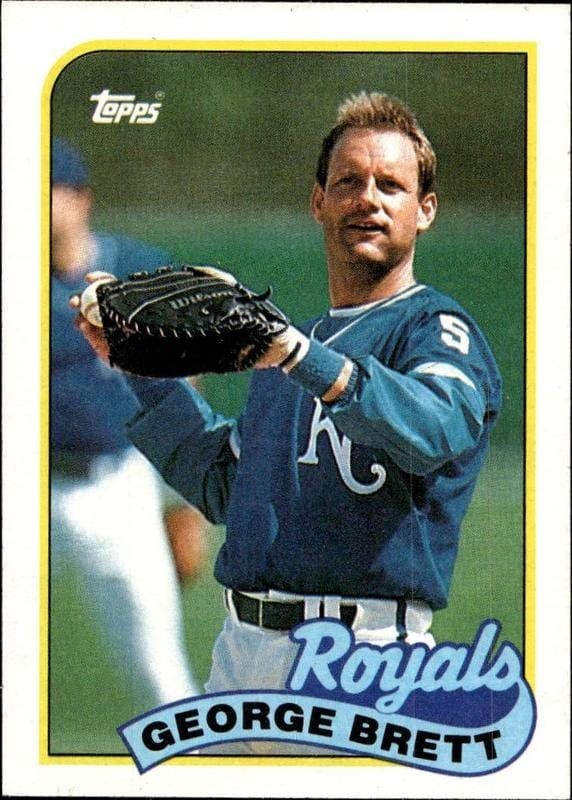
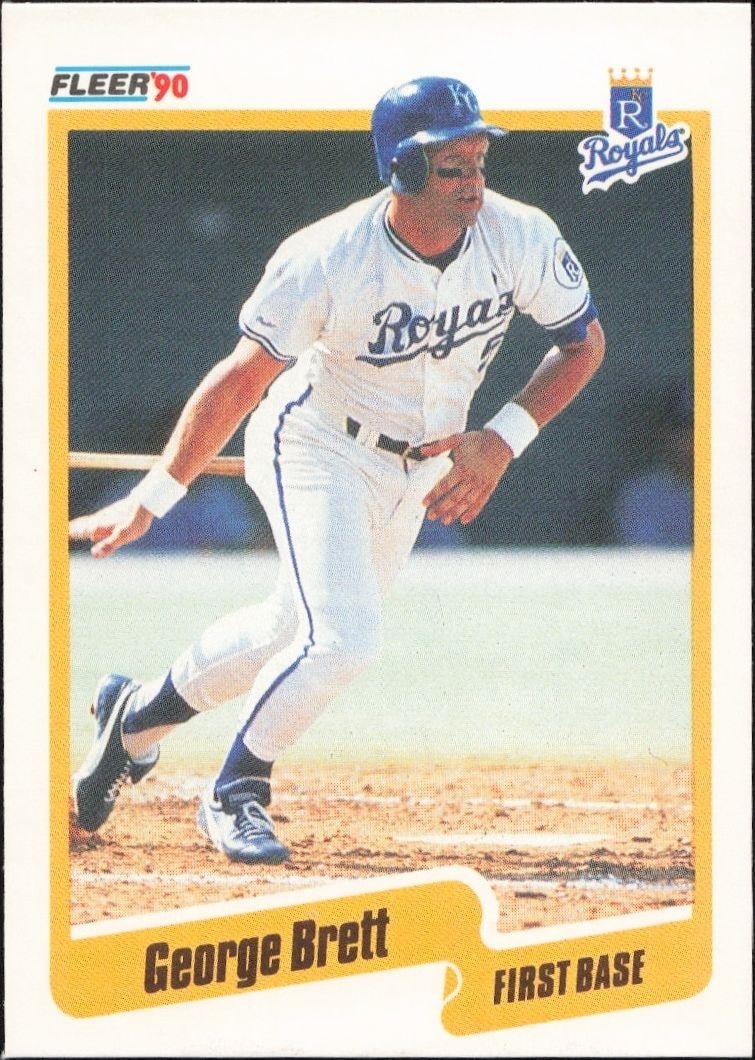
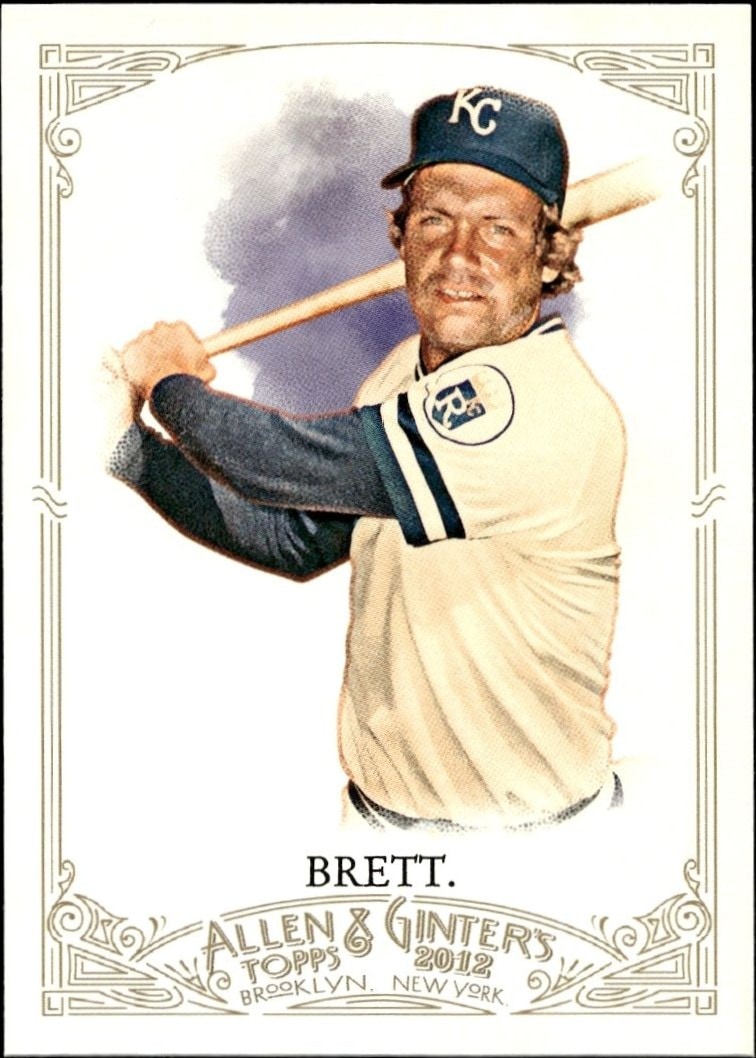
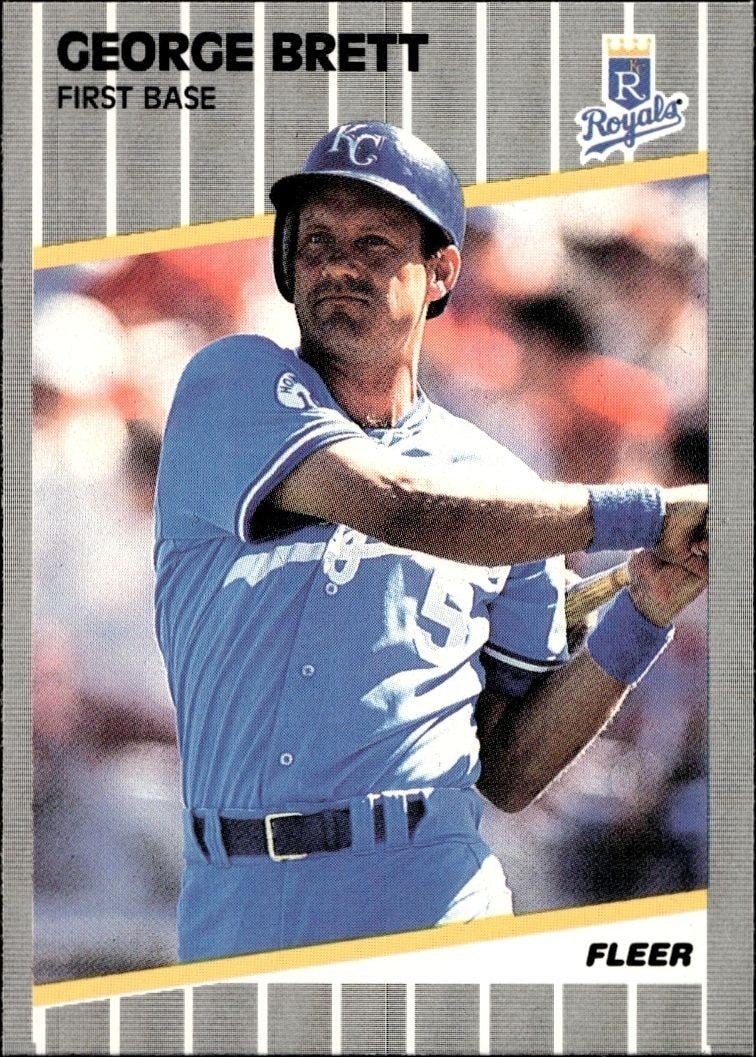
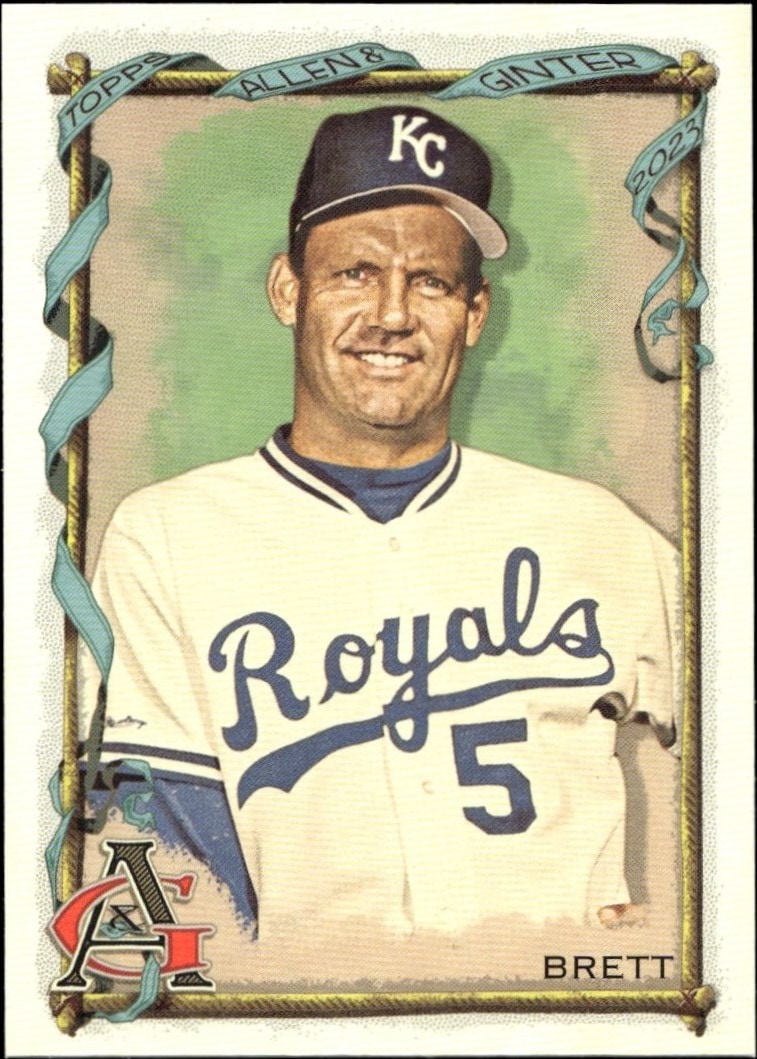
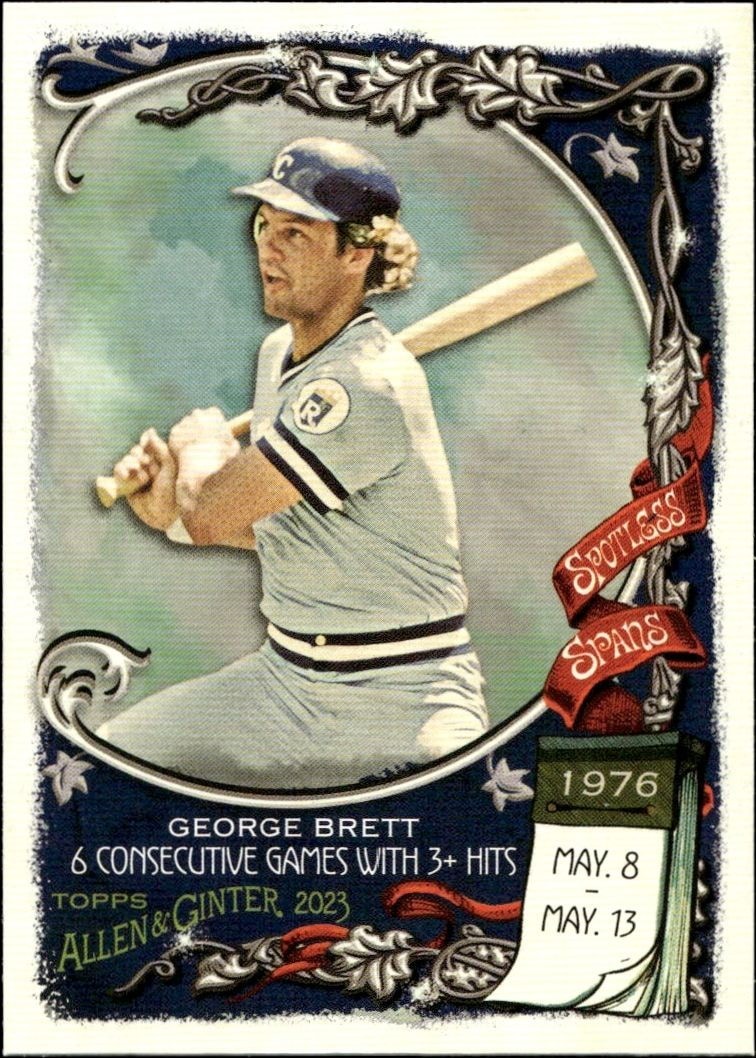

George Brett
1980 • Topps
#450
$499.99
The 1987 Topps George Brett #400 baseball card commemorates a significant milestone for the Kansas City Royals star. This catalog-level entry represents the iconic release from the Topps brand.
1987 • Topps
Major League Baseball • Kansas City Royals
Excellent
400
New
Shipping Calculated at Checkout
Arrives in 4-6 daysEstimated delivery October 24, 2026 - October 26, 2026
30-day Returns| Condition | Value | Source | Trend | Price Details |
|---|---|---|---|---|
$1.06 | Guide Estimate | -7% | ||
$1.00 | Completed Sales | -17.4% | ||
$7.75 | Guide Estimate | 0% | ||
$11.62 | Guide Estimate | +5.8% | ||
$14.99 | Guide Estimate | 0% | ||
$16.00 | Guide Estimate | 0% | ||
$97.00 | Guide Estimate | +1% | ||
$45.00 | Guide Estimate | +2.3% | ||
$74.99 | Guide Estimate | +1.3% | ||
$43.02 | Guide Estimate | 0% | ||
Raw / Ungraded
PriceCharting Price Guide · Guide Estimate evidence · captured Oct 19, 2026
The 1987 Topps George Brett #400 baseball card stands as a notable entry in the history of the Topps brand, marking a significant milestone for the Kansas City Royals star. As the 400th card in the annual series, this release holds a distinct place in collector catalogs, representing both the longevity of the manufacturer's flagship product and the enduring appeal of one of the league's most respected figures. Collectors often seek this card number for its sequential importance within the broader set context. For investors and hobbyists alike, the intersection of a high card number with a premier player like George Brett creates a unique niche within the sports card market. Owning a 1987 Topps George Brett #400 card is more than just acquiring a piece of memorabilia; it is about preserving a slice of baseball heritage. The card's identity is tied firmly to the late 1980s era, a time defined by intense competition and star power in the league. Whether you are a dedicated set builder looking to fill the final slot or a fan of the Kansas City Royals wanting to honor Brett's career, this catalog entry represents a key component of your collection. By focusing on the factual identity of the product—its year, brand, subject, and card number—we ensure that collectors can make informed decisions based on the true nature of the item. This approach respects the integrity of the hobby, allowing buyers to find exactly what they are looking for without ambiguity. The 1987 Topps George Brett #400 remains a staple for those who appreciate the structured evolution of trading card sets and the players who defined their eras.
15 hours ago
We'll pre-fill the product details from this catalog entry, so your listing lands on this exact page. Just add photos of your copy, pick its condition, and set your price.
The catalog profile below summarizes the card identity, featured subject, and notable collectible traits.
The subject, team, league, and sport context tied to this card.
Production details and format-specific attributes.
Material
Card Stock
Language
English
Compare prices, grades, photos, and shipping from approved sellers.
New
Excellent
See how many public collections currently include this card.
0 collectors have this card
As a staple from the late-80s era of the Kansas City Royals, this base Topps card represents the accessible tier of George Brett's market presence. It trades at a modest premium compared to common vintage issues but lacks the significant value boost associated with rookie status or high-grade examples. The pricing reflects its role as a foundational piece for casual collection rather than a high-value asset.
This item is identified as a standard base card without any noted parallel, short-print, or special foil attributes. Consequently, it carries the highest supply among George Brett's 1987 Topps releases, as no serial numbering or limited edition mechanics were applied to restrict its circulation. The scarcity is therefore determined solely by the age of the product and general preservation rates rather than intentional production limits.
Being a non-rookie card from a mass-produced set, this specific issue does not benefit from the rookie-card premium mechanics that typically drive long-term appreciation. Demand is largely driven by nostalgia and the need to complete base set subsets rather than speculative growth. Investors should view this as a low-cost acquisition for historical completeness rather than a vehicle for significant capital appreciation.