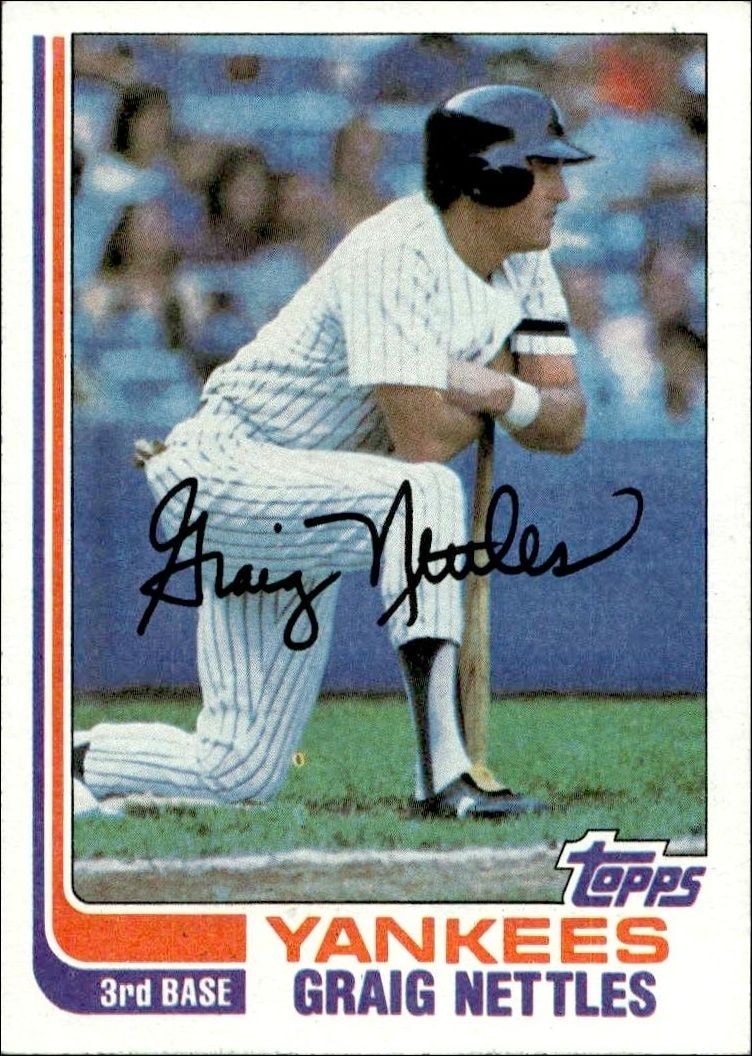






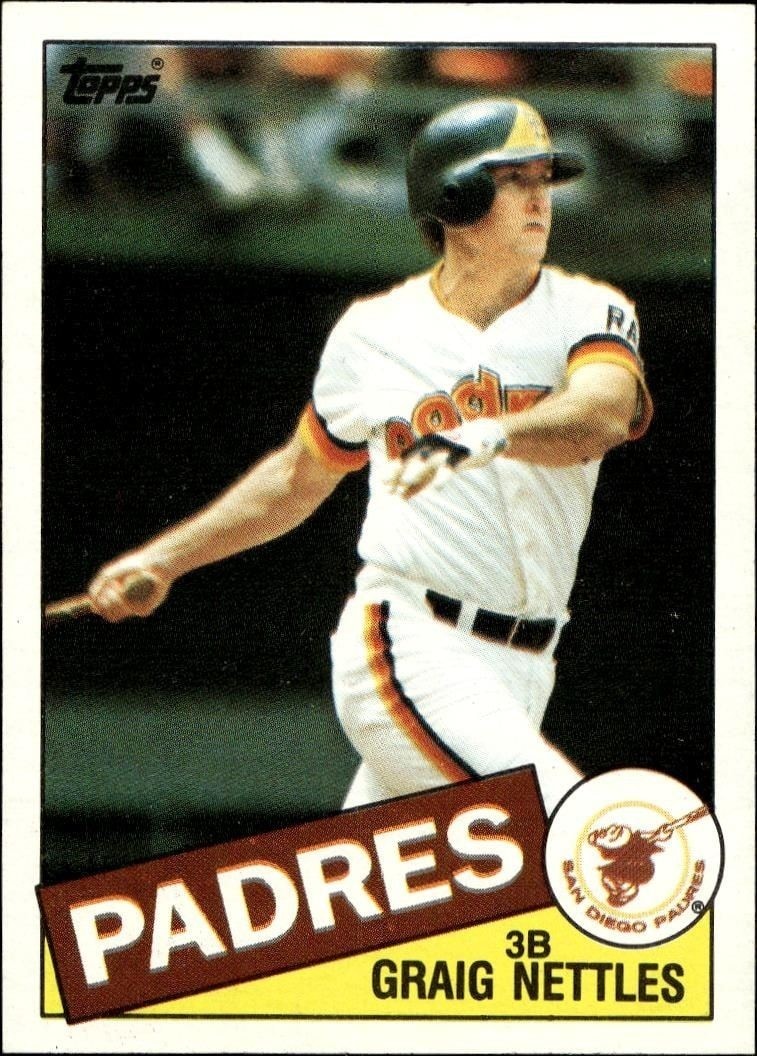

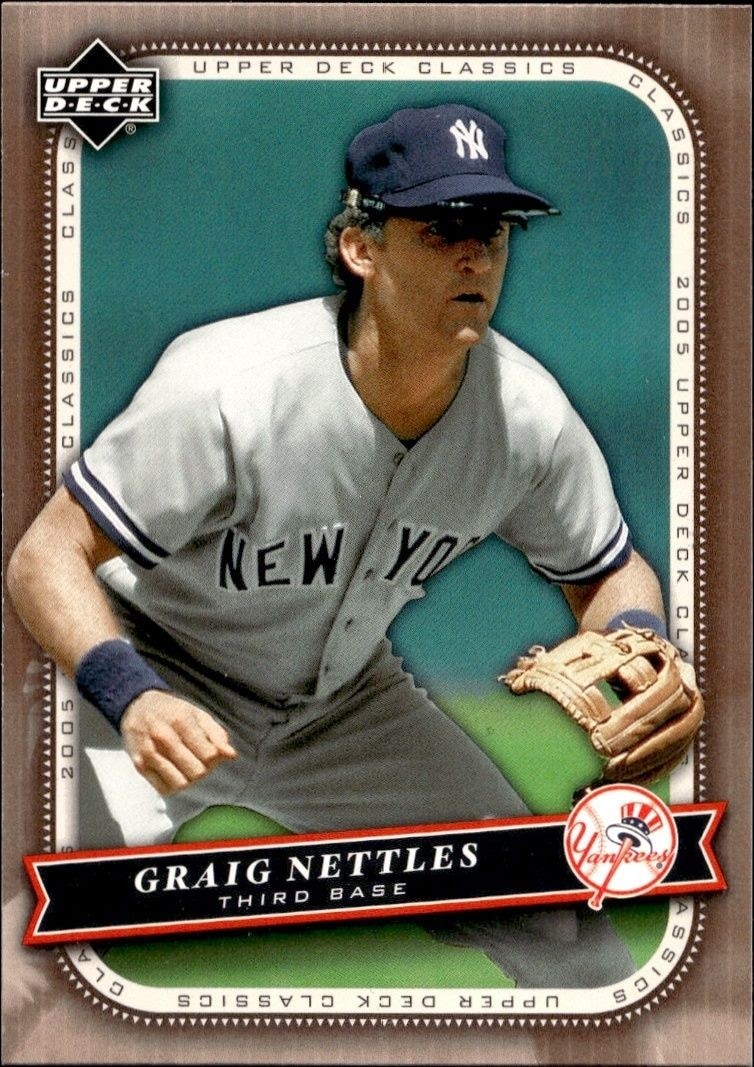
Acquire the 1987 Topps Graig Nettles #205 baseball card, a vintage sports trading card featuring the San Diego Padres player from the MLB.
1987 • Topps
Major League Baseball • San Diego Padres
Excellent
205
New
Shipping Calculated at Checkout
Arrives in 4-6 daysEstimated delivery October 23, 2026 - October 25, 2026
Seller returns October 19, 2026.30-day Returns| Condition | Value | Source | Trend | Price Details |
|---|---|---|---|---|
$1.27 | Guide Estimate | +6.7% | ||
$0.43As of 9/19/2026 | Completed Sales | |||
$4.99 | Guide Estimate | 0% | ||
$12.74 | Guide Estimate | 0% | ||
$28.00 | Guide Estimate | 0% | ||
$37.00 | Guide Estimate | 0% | ||
$17.00 | Guide Estimate | 0% | ||
$28.73 | Guide Estimate | 0% | ||
$17.00 | Guide Estimate | 0% | ||
Raw / Ungraded
PriceCharting Price Guide · Guide Estimate evidence · captured Oct 11, 2026
The 1987 Topps Graig Nettles #205 baseball card stands as a definitive piece of vintage sports memorabilia for dedicated collectors. Released during a pivotal era in Major League Baseball, this card captures Nettles in his tenure with the San Diego Padres, offering a tangible link to the team's history and the player's performance during that specific season. As a numbered entry in the 1987 Topps set, it represents one of the most recognizable and widely collected baseball card series of the late 1980s. For enthusiasts of the San Diego Padres, this card serves as an essential component for those looking to complete a team-specific collection. The 1987 Topps brand is renowned for its consistent design and accessibility, making it a favorite among hobbyists who appreciate the nostalgia of the era. Whether you are building a career collection for Graig Nettles or assembling a comprehensive set of 1987 releases, this card provides a solid foundation for any portfolio. The market for 1980s baseball cards remains robust, with items like the 1987 Topps Graig Nettles #205 card maintaining interest from both casual fans and serious investors. By focusing on the identity of the card and its historical context, collectors can appreciate the value of preserving these pieces of sports history. This card is a testament to the enduring appeal of physical trading cards in the digital age.
1 day ago
We'll pre-fill the product details from this catalog entry, so your listing lands on this exact page. Just add photos of your copy, pick its condition, and set your price.
The catalog profile below summarizes the card identity, featured subject, and notable collectible traits.
The subject, team, league, and sport context tied to this card.
Production details and format-specific attributes.
Material
Card Stock
Language
English
Compare prices, grades, photos, and shipping from approved sellers.
New
Excellent
See how many public collections currently include this card.
0 collectors have this card
This 1987 Topps Graig Nettles card represents a standard base-level asset with minimal premiumization, reflecting its status as a common issue from a mature era of production. While Nettles holds historical significance as a Hall of Fame-caliber third baseman, this specific iteration lacks the condition rarity or vintage appeal that typically drives higher valuation tiers. It trades at the lower end of the spectrum, serving more as a fill-in for casual collectors rather than a primary investment piece.
The card carries no special scarcity attributes, meaning it exists in a high-print-run base format without serial numbering, short-print designation, or unique parallels to constrain supply. As a standard issue from 1987, the population is likely substantial, resulting in a saturated market where condition becomes the primary differentiator for value. The absence of limited edition mechanics ensures that availability remains high, keeping individual unit premiums low.
As a non-rookie card from the late 1980s, this item lacks the rookie-card premium mechanics that typically drive long-term appreciation in baseball collectibles. The set positioning as a standard Topps release offers limited collector demand drivers beyond basic player recognition, resulting in stable but low-growth potential. Investors should view this as a low-risk, low-reward acquisition suitable for completing sets rather than capitalizing on market volatility.