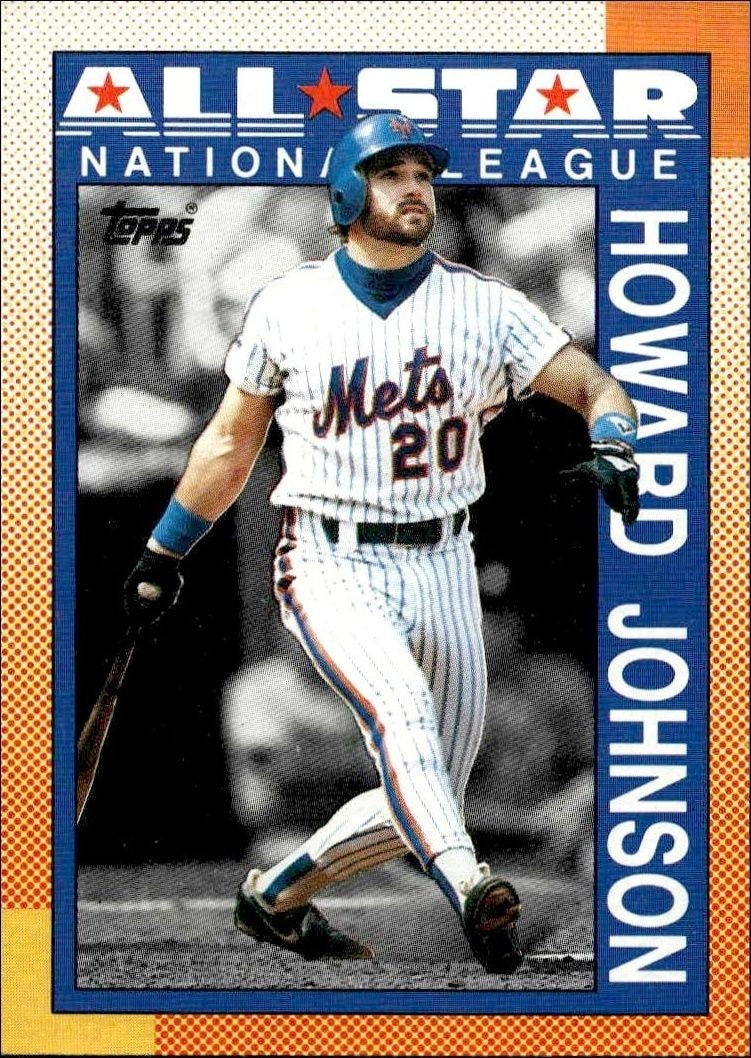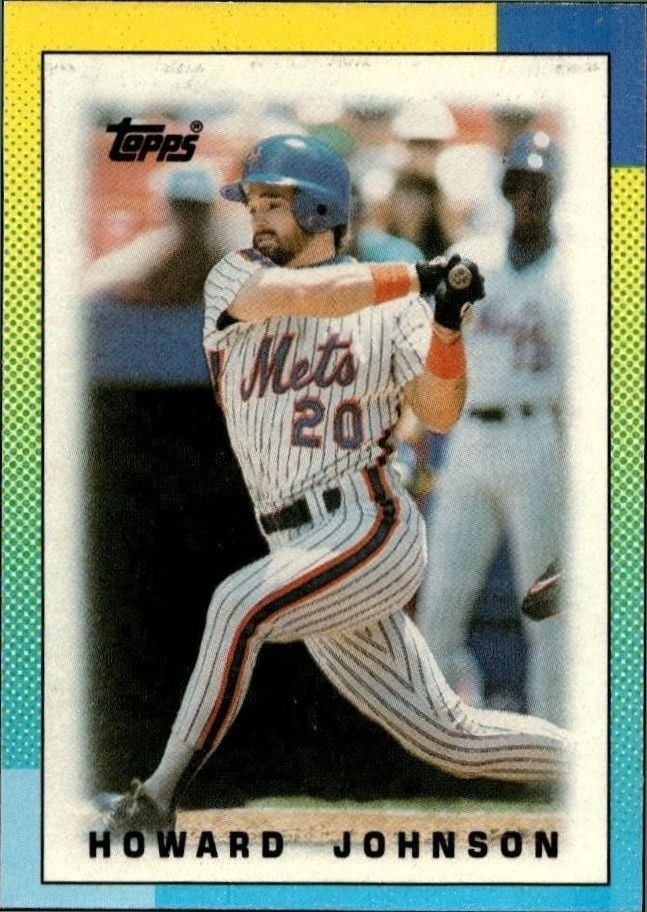




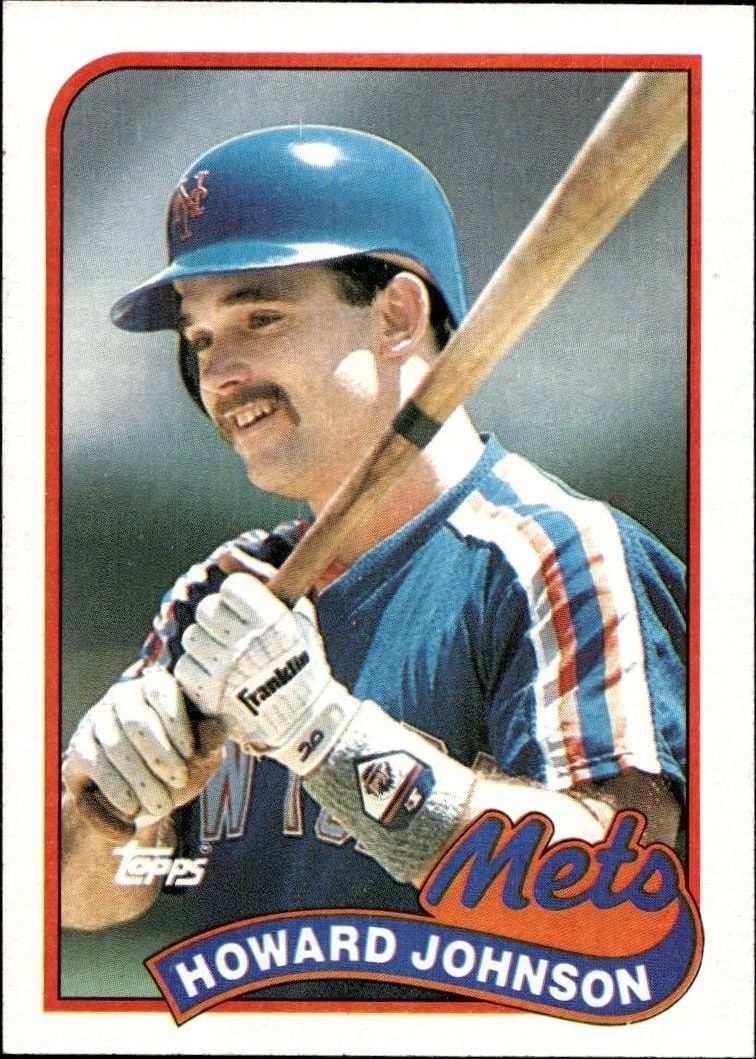
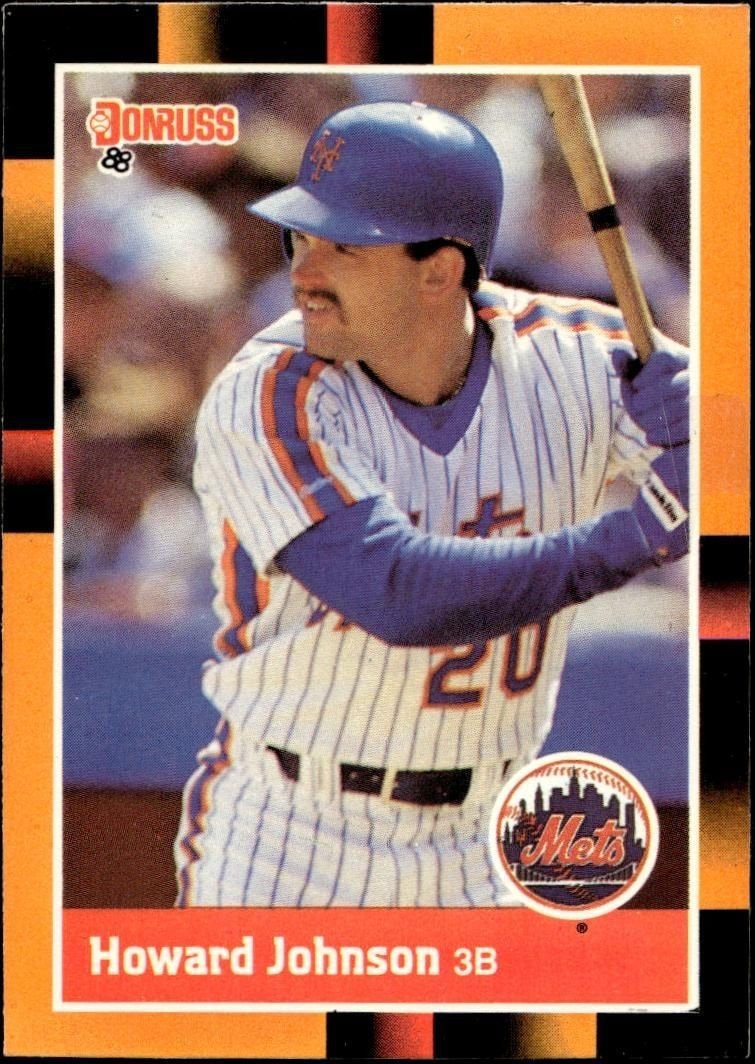
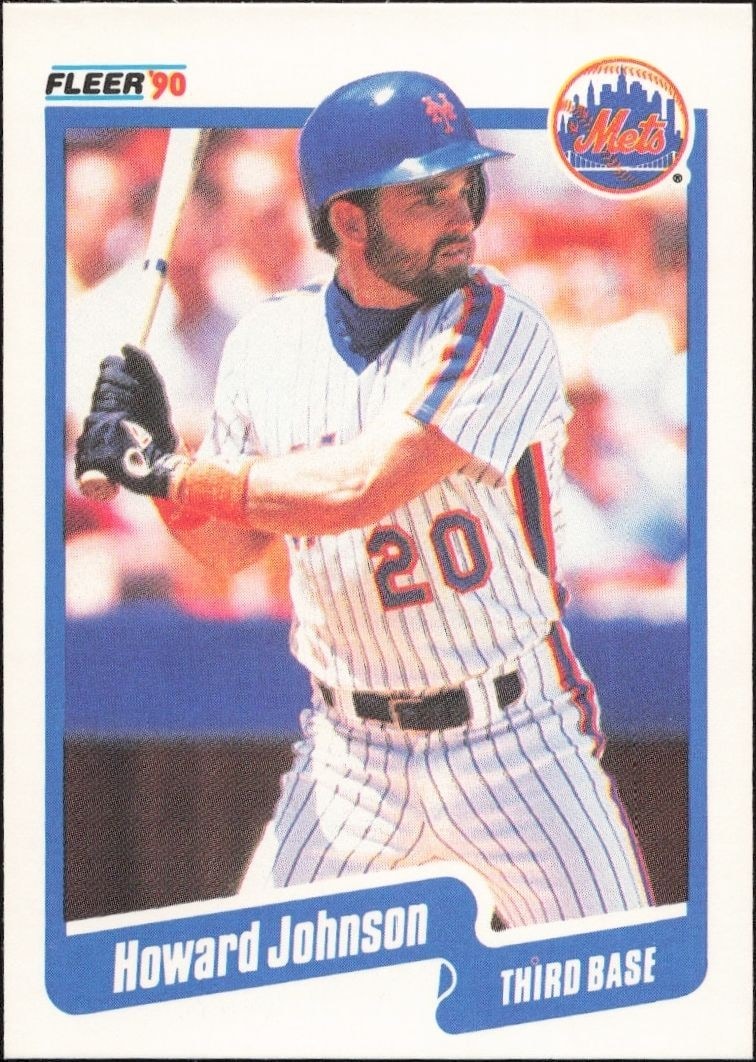
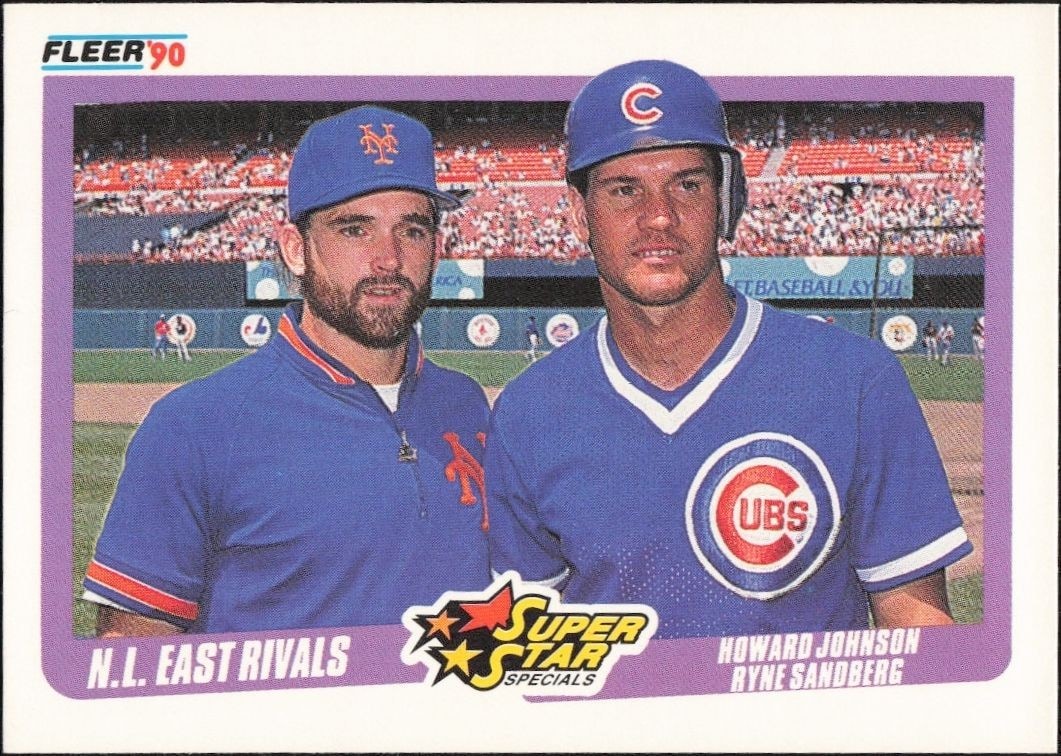
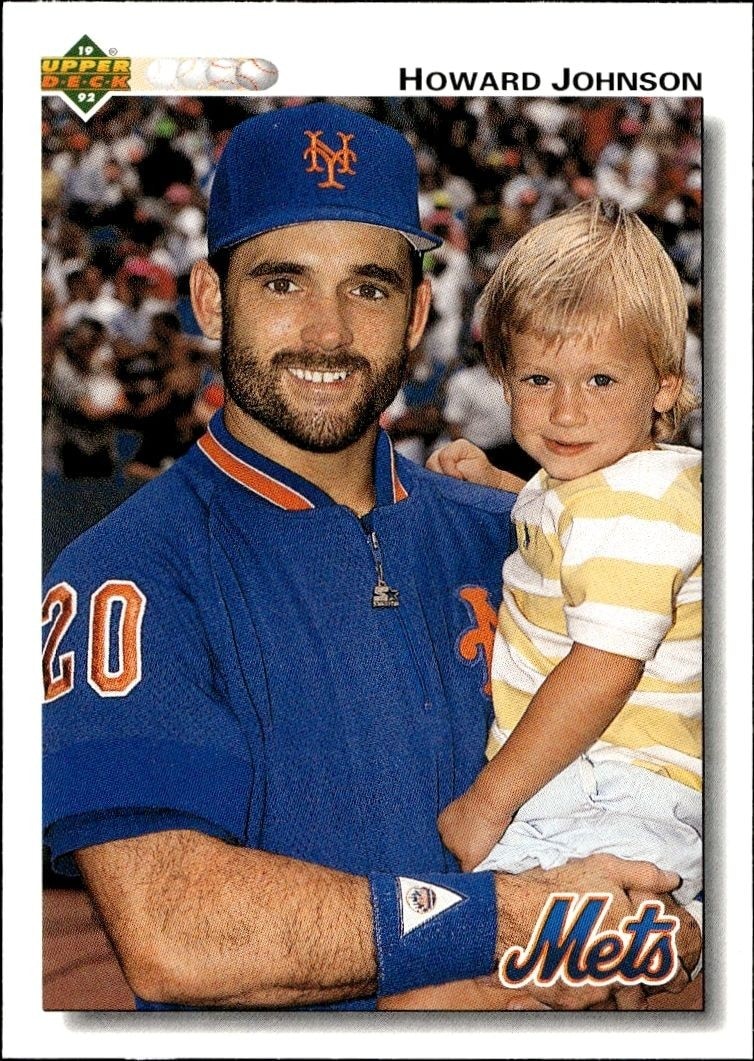
The 1987 Topps #267 card featuring Howard Johnson of the New York Mets. This classic sports card is a staple for collectors of vintage baseball memorabilia.
1987 • Topps
Major League Baseball • New York Mets
Excellent
267
New
Shipping Calculated at Checkout
Arrives in 4-6 daysEstimated delivery October 23, 2026 - October 25, 2026
30-day Returns| Condition | Value | Source | Trend | Price Details |
|---|---|---|---|---|
$1.46 | Guide Estimate | +1.4% | ||
$1.63As of 9/27/2026 | Completed Sales | |||
$4.74 | Guide Estimate | 0% | ||
$24.12 | Guide Estimate | 0% | ||
$27.00 | Guide Estimate | 0% | ||
$51.00 | Guide Estimate | 0% | ||
$23.00 | Guide Estimate | 0% | ||
$38.95 | Guide Estimate | 0% | ||
$23.00 | Guide Estimate | 0% | ||
Raw / Ungraded
PriceCharting Price Guide · Guide Estimate evidence · captured Oct 19, 2026
The 1987 Topps #267 card featuring Howard Johnson represents a specific moment in baseball history for the New York Mets. Released by Topps during the league's regular season, this product serves as a tangible piece of the era's visual identity. Collectors often seek out this card number to complete base set runs or to focus on players who defined the team's roster during that period. Howard Johnson's appearance on this card highlights the standard design language used by Topps in the late 1980s. The card features the player in his New York Mets uniform, providing a clear reference for fans and historians alike. As a non-parallel, non-autographed release, it represents the broad accessibility of the base set while still holding value for those who appreciate the brand's historical significance in sports card manufacturing. For investors and hobbyists, products from the 1987 Topps series are recognized for their consistency and widespread distribution. The #267 card is a standard item within the larger set, making it a fundamental component for anyone building a comprehensive collection of Mets history or 1980s baseball artifacts. Whether you are looking to add a piece of Mets heritage to your shelf or simply appreciate the craftsmanship of vintage sports cards, this 1987 Topps release remains a relevant item. It connects modern collectors with the visual culture of the sport during a dynamic time in the league. Explore the available options to find the right copy for your growing collection.
2 days ago
We'll pre-fill the product details from this catalog entry, so your listing lands on this exact page. Just add photos of your copy, pick its condition, and set your price.
The catalog profile below summarizes the card identity, featured subject, and notable collectible traits.
The subject, team, league, and sport context tied to this card.
Production details and format-specific attributes.
Material
Card Stock
Language
English
Compare prices, grades, photos, and shipping from approved sellers.
New
Excellent
See how many public collections currently include this card.
0 collectors have this card
This 1987 Topps Howard Johnson card represents a baseline entry point for Mets collectors, trading at a modest value tier typical of ungraded base cards from this era. While it lacks the premium pricing associated with rookie or graded specimens, it serves as an accessible component for building comprehensive team sets. The current market reflects steady, low-volatility demand driven by nostalgia rather than speculative investment interest.
As a standard base card without noted special attributes, serial numbering, or short-print designation, this item carries a high supply relative to its parallels and inserts. Its scarcity is defined solely by its age and condition preservation, as it was produced in high volumes for mass distribution. Consequently, it does not benefit from the supply constraints that drive value in limited-edition or unique variants.
Investment potential is limited by the card's status as a common base release, which lacks the rookie-card premium or distinct parallel positioning often sought by serious investors. Demand is primarily sustained by collectors assembling vintage Mets sets rather than those targeting appreciating assets. Long-term value stability relies on the enduring popularity of the franchise rather than the individual card's unique scarcity mechanics.