


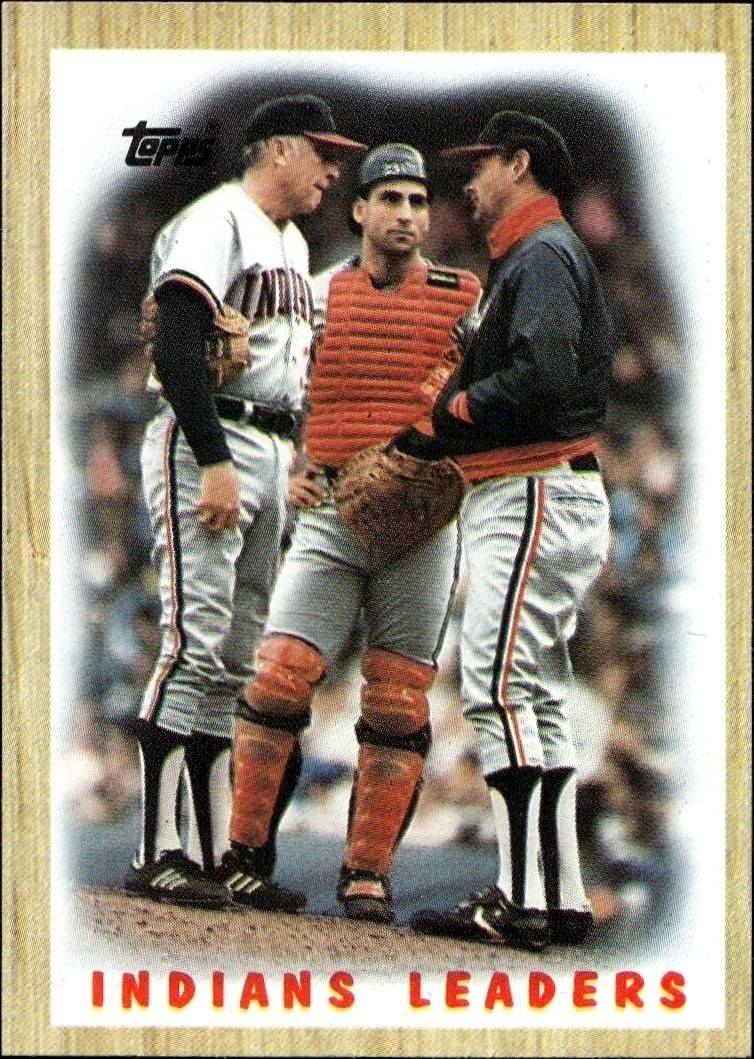


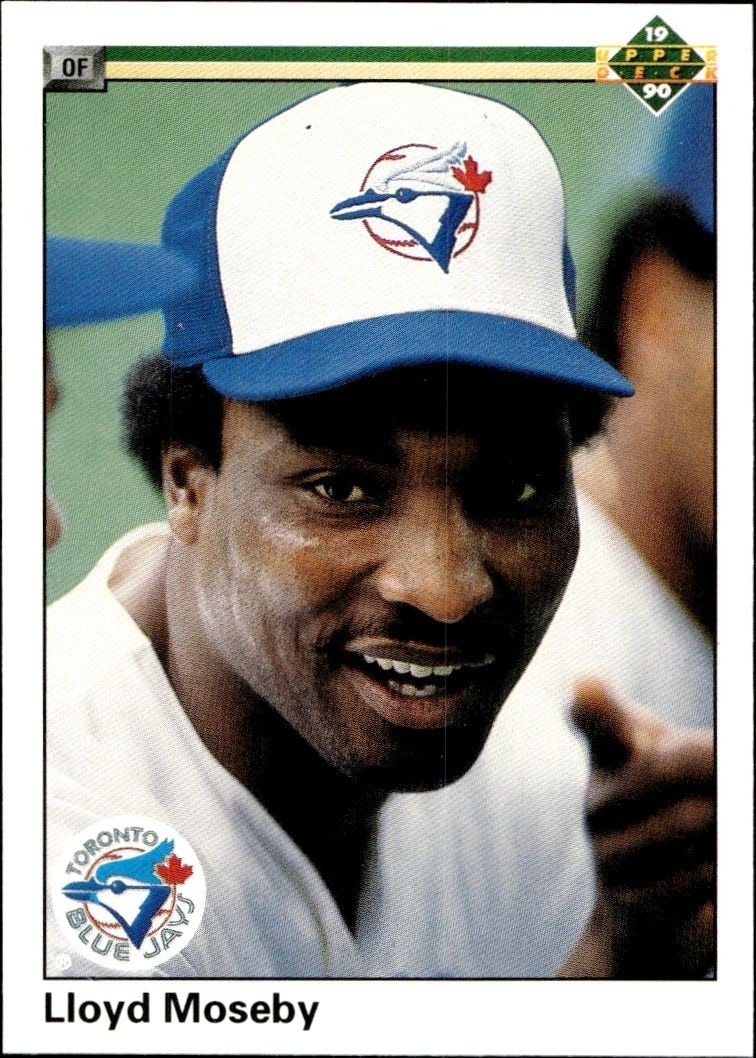
The 1987 Topps Jeff Hearron #274 card features the Toronto Blue Jays player in one of the most iconic designs in sports trading card history.
1987 • Topps
Major League Baseball • Toronto Blue Jays
Excellent
274
New
Shipping Calculated at Checkout
Arrives in 5-7 daysEstimated delivery October 23, 2026 - October 25, 2026
Seller returns October 19, 2026.30-day Returns| Condition | Value | Source | Trend | Price Details |
|---|---|---|---|---|
$1.30 | Guide Estimate | 0% | ||
$6.05 | Guide Estimate | 0% | ||
$7.00 | Guide Estimate | 0% | ||
$96.00 | Guide Estimate | 0% | ||
$44.00 | Guide Estimate | 0% | ||
$73.50 | Guide Estimate | 0% | ||
$44.00 | Guide Estimate | 0% | ||
Raw / Ungraded
PriceCharting Price Guide · Guide Estimate evidence · captured Oct 18, 2026
Released in 1987, the Topps Jeff Hearron #274 card stands as a distinct chapter in the history of the Toronto Blue Jays. This product captures the franchise during a pivotal era, as the team was actively assembling the core roster that would soon compete for championships. Collectors often seek this card not just for the player, but for its place within the broader narrative of Toronto's rise in Major League Baseball. As card number 274, this product represents the brand's standard approach to roster coverage during that period. For many enthusiasts, adding this piece to a collection provides a tangible connection to the specific lineup and team dynamics of the 1987 MLB season. Jeff Hearron's tenure with the Blue Jays offers a unique focal point for investors and hobbyists interested in the club's developmental years. While his career path may vary in prominence compared to superstars, cards featuring players from this timeline hold significant value for those completing vintage sets or tracking the evolution of the franchise. The enduring appeal of Topps products from this era lies in their consistency and historical documentation of the sport. Whether you are a dedicated fan of the Toronto Blue Jays or a generalist collector of 1980s baseball, the Jeff Hearron 1987 Topps #274 card serves as a essential component for understanding the era. It represents more than just a single athlete; it is a snapshot of a team in transition.
22 hours ago
We'll pre-fill the product details from this catalog entry, so your listing lands on this exact page. Just add photos of your copy, pick its condition, and set your price.
The catalog profile below summarizes the card identity, featured subject, and notable collectible traits.
The subject, team, league, and sport context tied to this card.
Production details and format-specific attributes.
Material
Card Stock
Language
English
Compare prices, grades, photos, and shipping from approved sellers.
New
Excellent
See how many public collections currently include this card.
0 collectors have this card
This 1987 Topps base card of Jeff Hearron represents an entry-level tier within the vintage baseball market, reflecting his status as a journeyman player rather than a franchise cornerstone. While it lacks the premium valuation seen with superstar rookies, it holds a stable position for collectors focusing on team history or specific year sets. The current listing activity suggests a liquid but low-volume market typical of non-star players from this era.
As a standard base card from the 1987 Topps set, this item does not possess inherent scarcity mechanics such as serial numbering, short-print status, or parallel variations. Its supply is determined by the mass production volume of the original factory pack, making it widely available compared to insert or specialty cards. Consequently, rarity does not drive value here; instead, condition and completeness within a set collection are the primary differentiators.
Investment potential is limited to niche collector demand for Toronto Blue Jays memorabilia or 1987 Topps set completists, as Hearron does not command the rookie-card premium associated with future Hall of Famers. The card’s value is likely to remain modest and stable, fluctuating primarily with general vintage baseball trends rather than individual player performance metrics. It serves best as a affordable component for deep-dive collectors rather than a standalone speculative asset.