




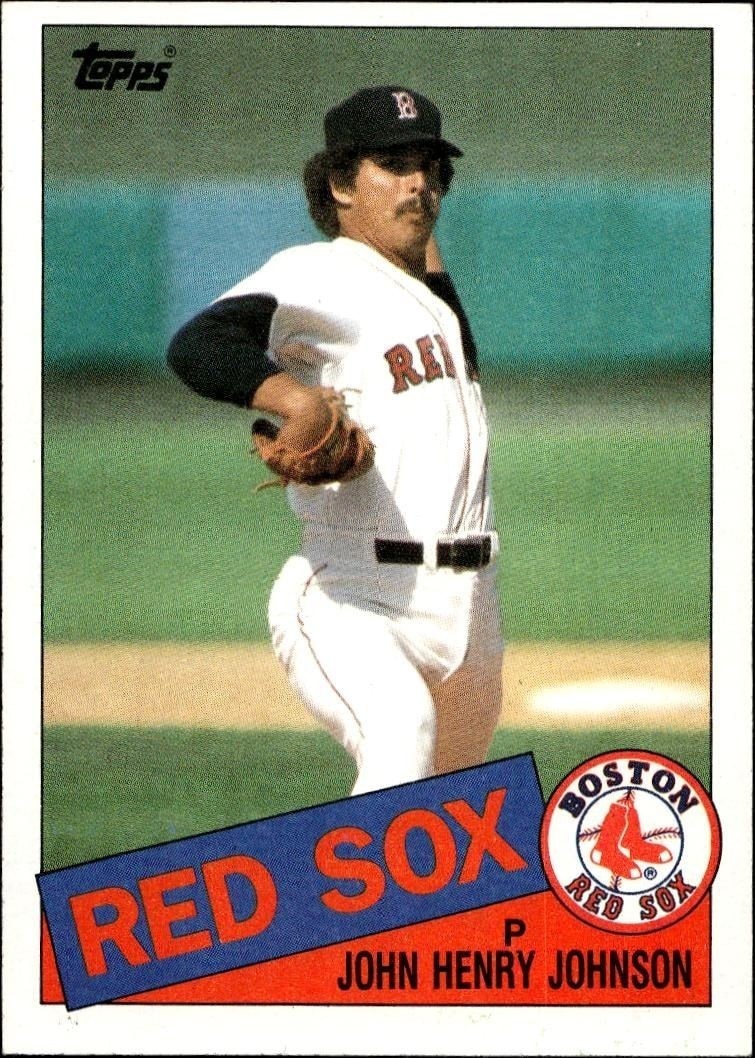
Explore the 1987 Topps John Henry Johnson #377 baseball card, featuring the Milwaukee Brewers player from the classic Topps design era.
1987 • Topps
Major League Baseball • Milwaukee Brewers
Excellent
377
New
Shipping Calculated at Checkout
Arrives in 5-7 daysEstimated delivery October 23, 2026 - October 25, 2026
Seller returns October 19, 2026.30-day Returns| Condition | Value | Source | Trend | Price Details |
|---|---|---|---|---|
$0.75As of 9/27/2026 | Guide Estimate | |||
$20.00As of 9/27/2026 | Guide Estimate | |||
$22.00As of 9/27/2026 | Guide Estimate | |||
$24.00As of 9/27/2026 | Guide Estimate | |||
$144.00As of 9/27/2026 | Guide Estimate | |||
$67.00As of 9/27/2026 | Guide Estimate | |||
$110.83As of 9/27/2026 | Guide Estimate | |||
$67.00As of 9/27/2026 | Guide Estimate | |||
Raw / Ungraded
PriceCharting Price Guide · Guide Estimate evidence · captured Sep 28, 2026
History is building. At least two days of matching observations are needed to show a trend.
Each point is the last stored observation that day for this printing, condition, grader, autograph status and source. Gaps mean no observation; guide estimates and asking prices are not completed sales.The 1987 Topps John Henry Johnson #377 baseball card captures a specific moment in Milwaukee Brewers history through the lens of one of the most recognizable brands in sports memorabilia. Released by Topps during the late 1980s, this issue represents the standard design language that defined an era for collectors and players alike. As card number 377 in the base set, it serves as a tangible piece of MLB history, documenting the roster composition of that specific season. John Henry Johnson, who played for the Milwaukee Brewers, is featured on this card, offering collectors a direct link to the team's lineup during the 1987 campaign. For those building vintage baseball collections, cards from this period are valued for their distinct aesthetic and historical context. The 1987 Topps set remains a cornerstone for hobbyists who appreciate the transition in design trends that occurred during the mid-to-late 1980s. Collecting from the 1987 Topps release allows enthusiasts to own a piece of the game's rich heritage. Whether you are focusing on Milwaukee Brewers memorabilia or simply seeking high-quality inserts from the 1980s, this card provides a reliable entry point. The enduring popularity of Topps products ensures that items from this year continue to be sought after by investors and casual fans alike. Understanding the significance of the 1987 set helps collectors appreciate the nuances of card numbering and team rosters from that time, making it a worthwhile addition to any serious library of sports cards.
1 day ago
We'll pre-fill the product details from this catalog entry, so your listing lands on this exact page. Just add photos of your copy, pick its condition, and set your price.
The catalog profile below summarizes the card identity, featured subject, and notable collectible traits.
The subject, team, league, and sport context tied to this card.
Production details and format-specific attributes.
Material
Card Stock
Language
English
Compare prices, grades, photos, and shipping from approved sellers.
New
Excellent
See how many public collections currently include this card.
0 collectors have this card
This base 1987 Topps card sits at the very bottom of the price tier for John Henry Johnson, reflecting its status as a common insert rather than a premium variation. While the player holds historical significance as a notable figure in Milwaukee Brewers lore, the lack of special attributes prevents this specific slab from commanding any condition or rarity premium over the broader market. It trades in the entry-level segment, appealing primarily to completists seeking to fill a roster slot rather than investors looking for value appreciation.
The item possesses no scarcity mechanics, as it is identified as a standard base card without serial numbering, short-print status, or parallel processing. This unvarnished nature means the supply is effectively unlimited relative to collector demand, as no print run caps or unique identifiers restrict availability. Consequently, the card lacks the structural scarcity drivers that typically elevate a collectible above its face value in the secondary market.
As a non-rookie, base card from a mid-tier brand, this item offers minimal growth potential driven by rookie-card premiums or set-building urgency. Demand is likely restricted to casual collectors completing 1987 Topps sets, creating a saturated market with high supply and low barrier to entry. Without unique attributes or grading distinctions to differentiate it from the thousands of identical copies, it remains a low-yield asset with stagnant collector interest.