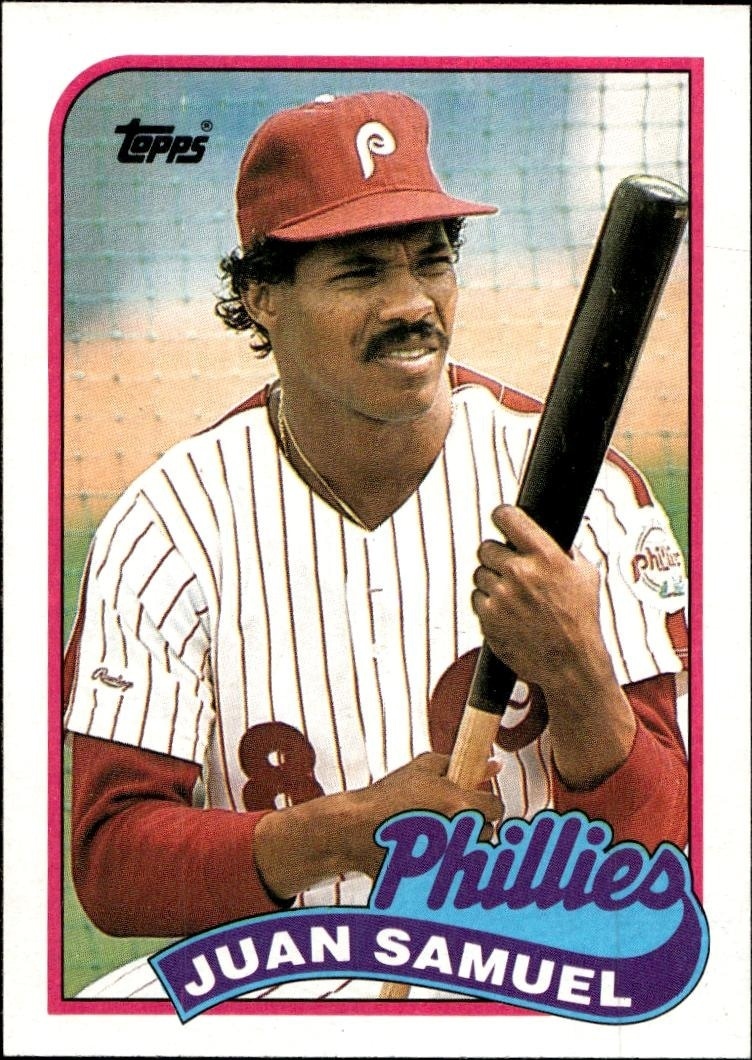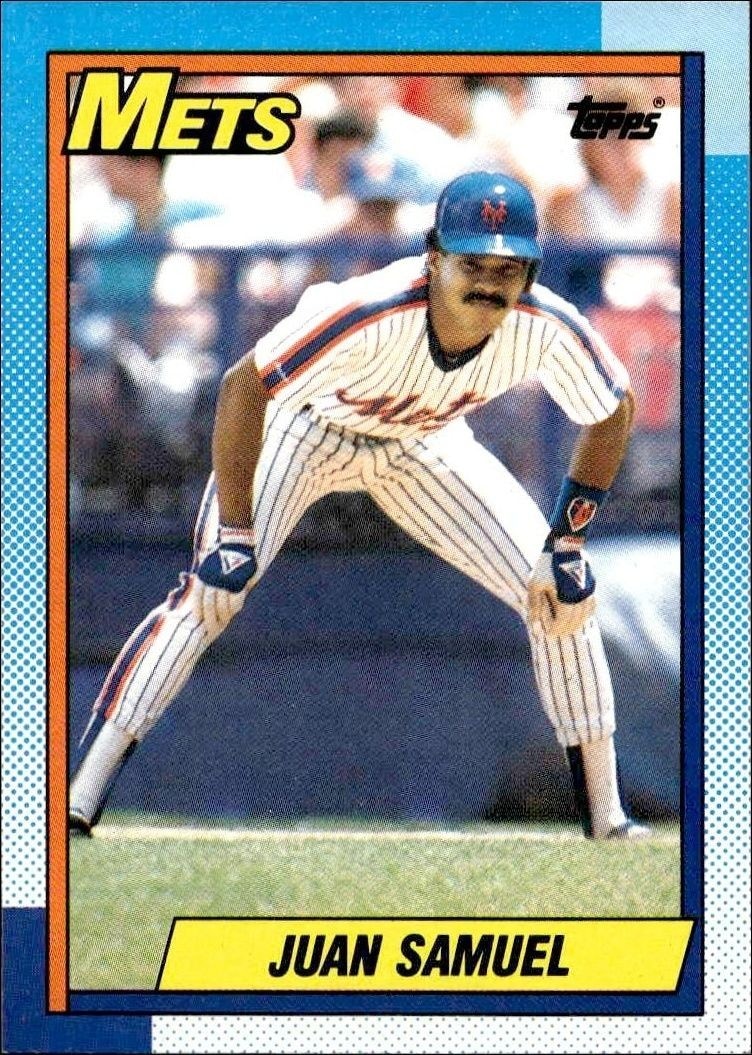





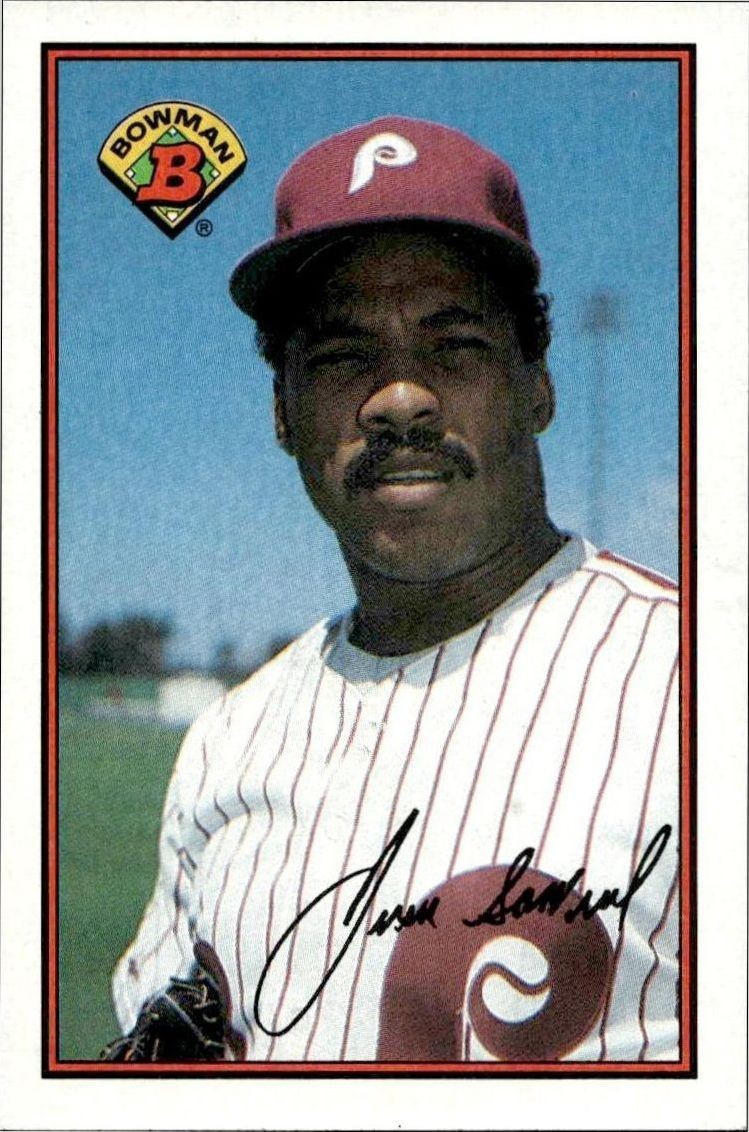
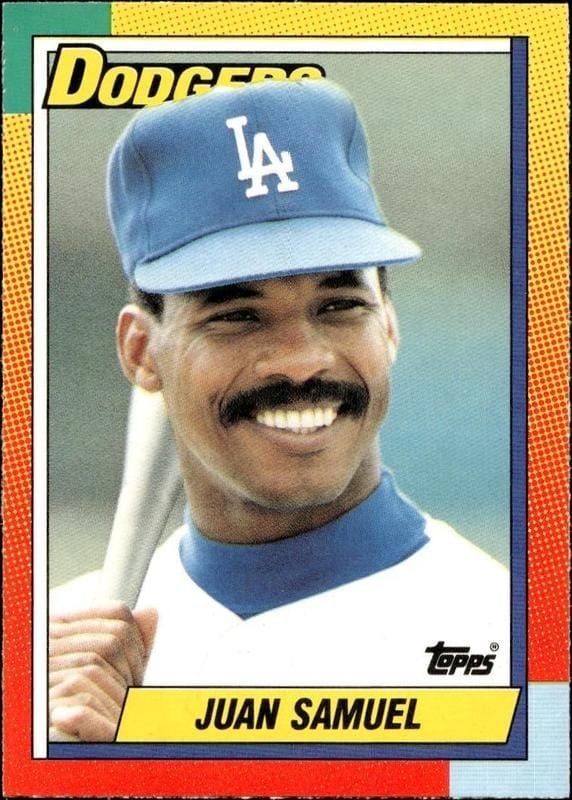
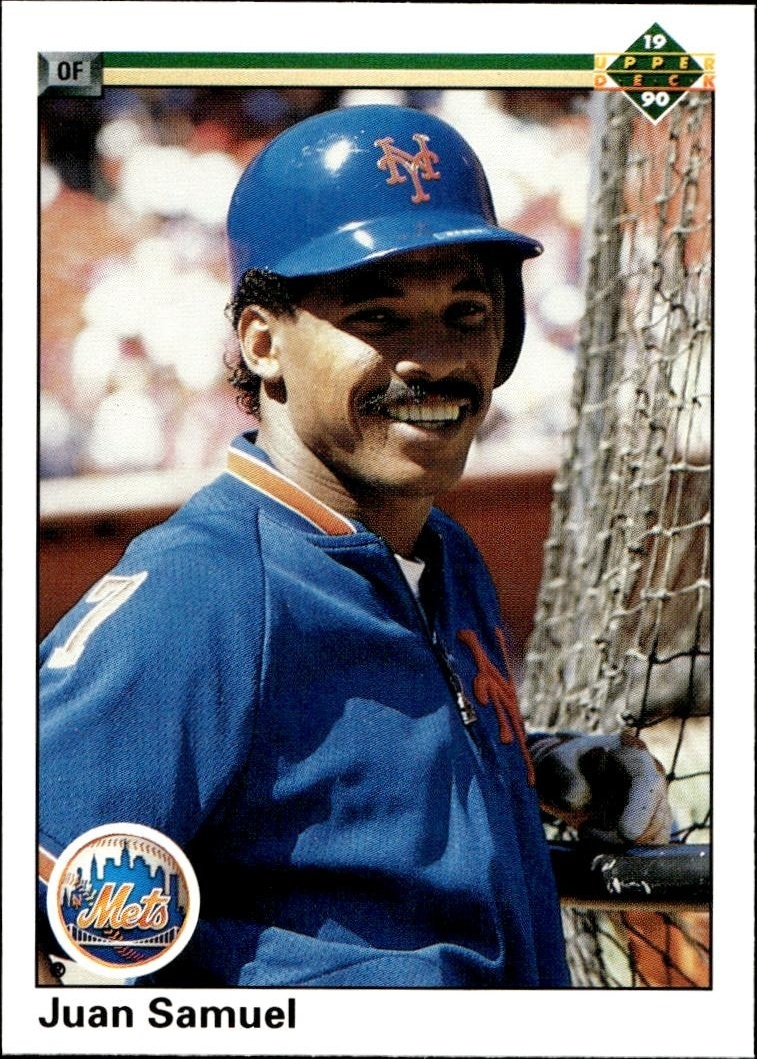
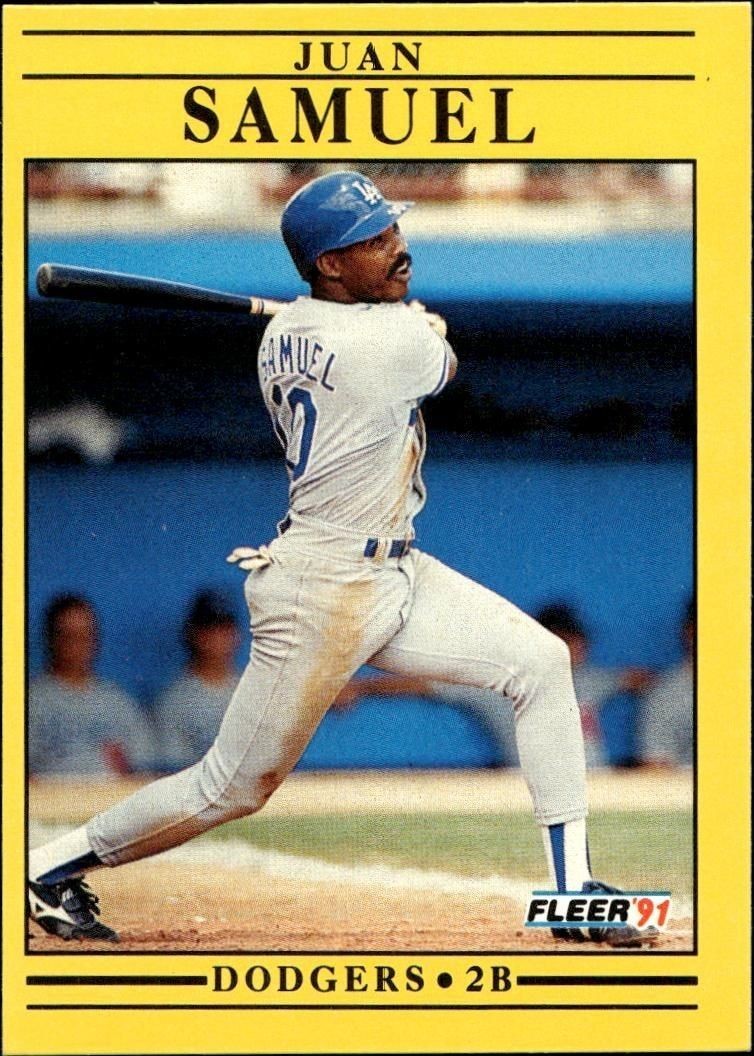

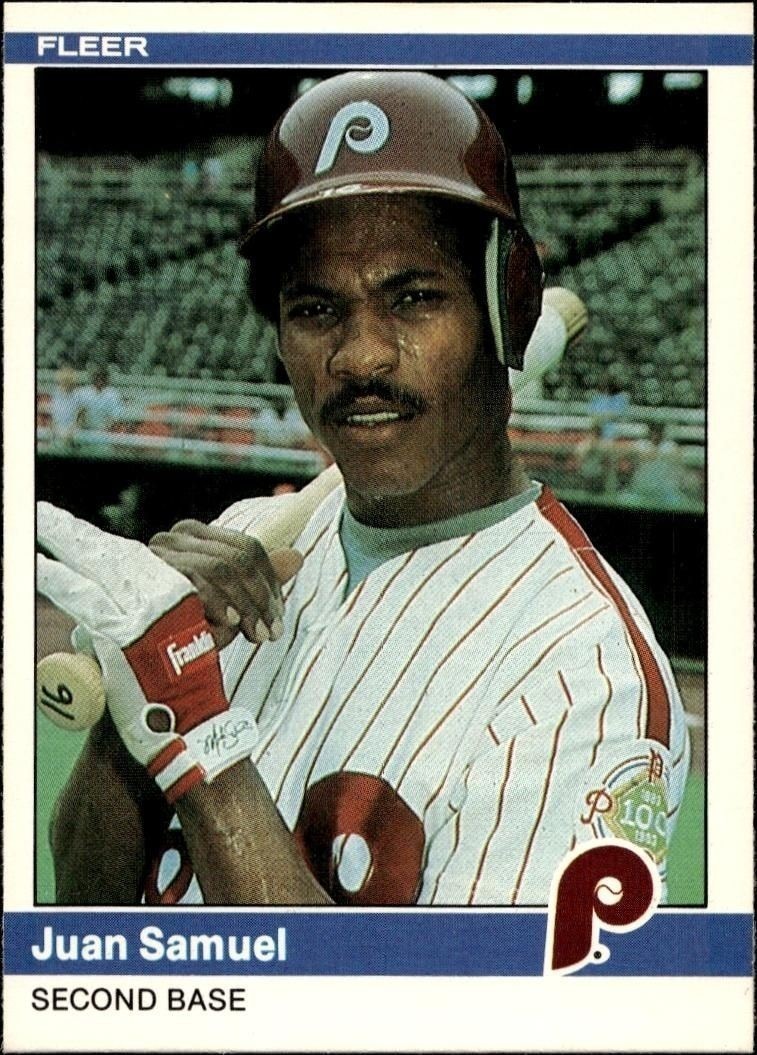
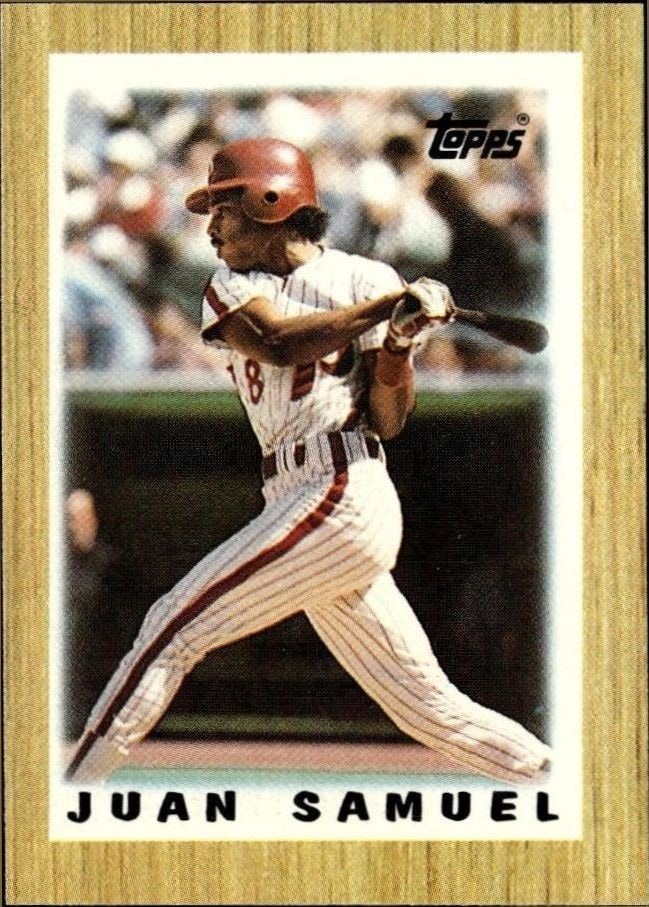


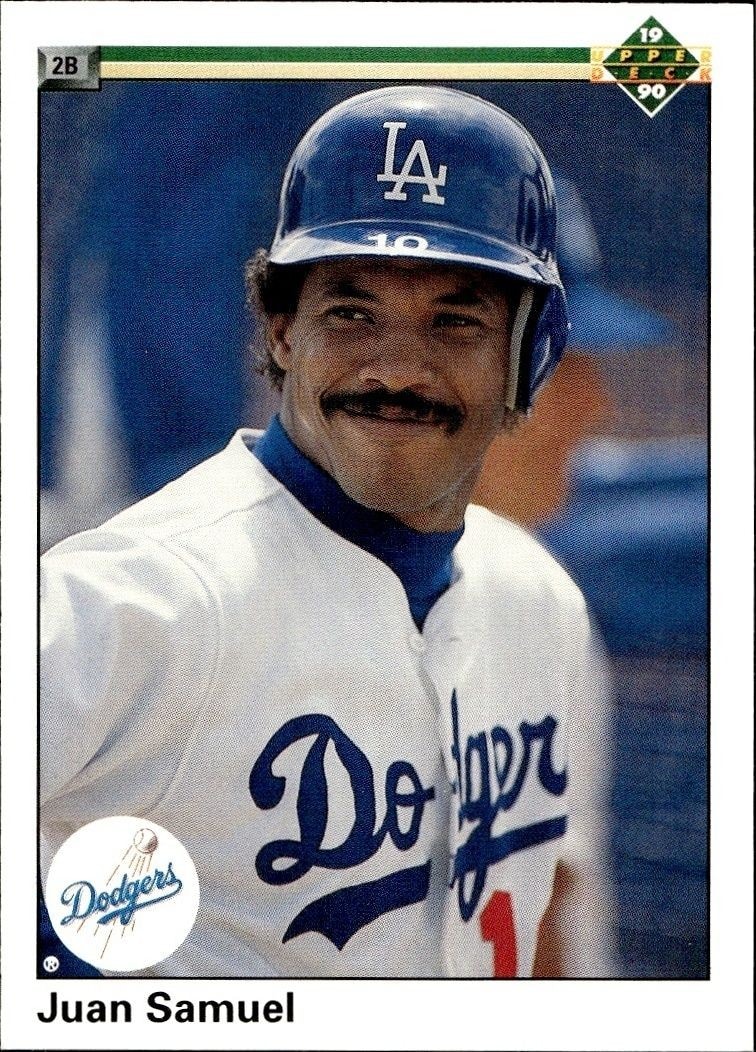
This 1987 Topps Juan Samuel #255 sports trading card represents a classic piece of Philadelphia Phillies history for vintage baseball collectors.
1987 • Topps
Major League Baseball • Philadelphia Phillies
Excellent
255
New
Shipping Calculated at Checkout
Arrives in 5-7 daysEstimated delivery October 23, 2026 - October 25, 2026
Seller returns October 19, 2026.30-day Returns| Condition | Value | Source | Trend | Price Details |
|---|---|---|---|---|
$1.18 | Guide Estimate | 0% | ||
$1.99 | Guide Estimate | 0% | ||
$12.95 | Guide Estimate | 0% | ||
$37.42 | Guide Estimate | +0.2% | ||
$123.00 | Guide Estimate | 0% | ||
$57.00 | Guide Estimate | 0% | ||
$94.82 | Guide Estimate | +0.3% | ||
$57.00 | Guide Estimate | 0% | ||
Raw / Ungraded
PriceCharting Price Guide · Guide Estimate evidence · captured Oct 15, 2026
The 1987 Topps Juan Samuel #255 card stands as a definitive piece of late-1980s baseball memorabilia, capturing the Phillies infielder during a pivotal era for the franchise. As part of the 1987 Topps set, this card is recognized by its distinct numbering and design, serving as a primary reference point for enthusiasts cataloging the brand's output from that period. Juan Samuel's tenure with the Philadelphia Phillies remains a significant chapter in team history, and this card number, 255, is frequently sought after by completists aiming to assemble a full run of the 1987 Topps release. Collectors often target this card to bridge gaps in their collections, particularly those focused on the National League East or players who defined the sport during the mid-to-late 1980s. For investors and hobbyists alike, vintage Topps cards like the 1987 Topps Juan Samuel #255 offer a tangible connection to the sport's past. The card's straightforward presentation and historical context make it a staple for those building libraries of MLB trading cards. Whether used to complete a personal set or as part of a broader investment portfolio, this product provides a focused entry point into the world of 1980s baseball collectibles. The appeal of this card lies in its accessibility and its role within the larger 1987 Topps framework. It is not merely a standalone item but a component of a larger historical narrative captured by the manufacturer. For those interested in the evolution of baseball card design and the careers of players from this era, this card offers a direct link to the time. It remains a relevant and recognizable piece for anyone studying the landscape of sports trading cards from 1987.
9 hours ago
We'll pre-fill the product details from this catalog entry, so your listing lands on this exact page. Just add photos of your copy, pick its condition, and set your price.
The catalog profile below summarizes the card identity, featured subject, and notable collectible traits.
The subject, team, league, and sport context tied to this card.
Production details and format-specific attributes.
Material
Card Stock
Language
English
Compare prices, grades, photos, and shipping from approved sellers.
New
Excellent
See how many public collections currently include this card.
0 collectors have this card
This 1987 Topps base card of Juan Samuel represents an entry-level price point within the broader Phillies collectibles market, trading significantly below the premium tier associated with his rookie issues or high-grade parallels. As a common base card from a mid-80s set, it lacks the condition scarcity that typically drives value appreciation for this era. The current listing activity suggests a stable but low-demand environment, typical for ungraded base cards of players who did not maintain long-term superstar status.
The card carries no special scarcity attributes, being a standard base issue from the 1987 Topps set with no serial numbering, short-print designation, or parallel finish. This implies an unlimited supply relative to specialized subsets, as it was produced in mass quantities for general distribution. Without unique identifiers or limited edition markers, the card relies entirely on player recognition for any residual collectible interest.
As a non-rookie card, this item does not benefit from the rookie-card premium mechanics that typically drive investment returns for players of this era. The lack of special parallels or autograph authentication limits its appeal to serious investors, restricting demand primarily to casual collectors or those completing base set requirements. Long-term value appreciation is unlikely given the abundant supply and the absence of scarcity drivers inherent to the card's attributes.