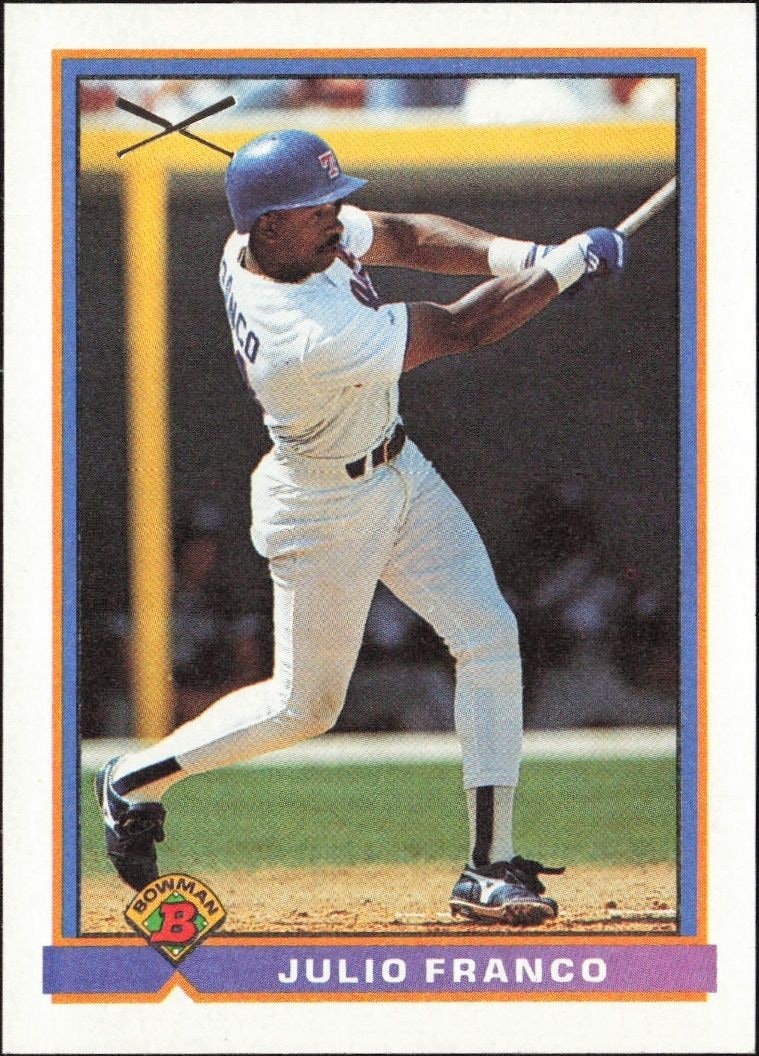





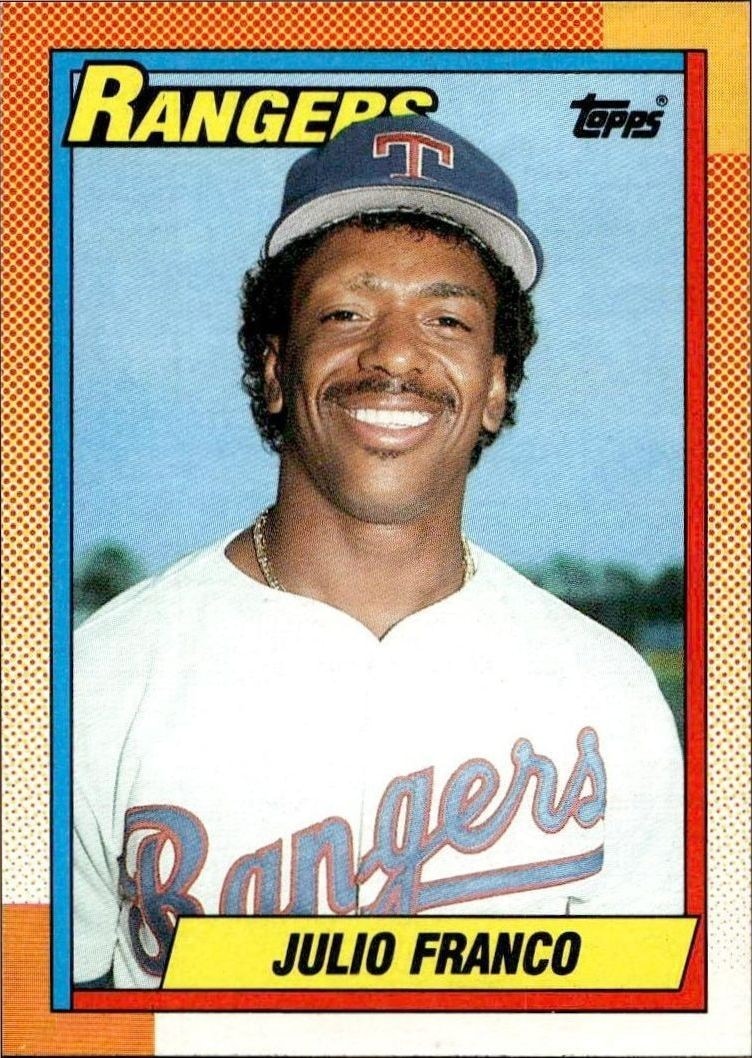

The 1987 Topps #160 baseball card features Julio Franco of the Cleveland Indians, representing a staple of 1980s MLB sports memorabilia.
1987 • Topps
Major League Baseball • Cleveland Indians
Excellent
160
New
Shipping Calculated at Checkout
Arrives in 4-6 daysEstimated delivery November 12, 2026 - November 14, 2026
30-day Returns| Condition | Value | Source | Trend | Price Details |
|---|---|---|---|---|
$1.34 | Guide Estimate | 0% | ||
$1.50As of 9/17/2026 | Completed Sales | |||
$4.99 | Guide Estimate | 0% | ||
$14.99 | Guide Estimate | 0% | ||
$16.00 | Guide Estimate | 0% | ||
$37.30 | Guide Estimate | 0% | ||
$81.00 | Guide Estimate | 0% | ||
$25.00 | Guide Estimate | 0% | ||
$62.23 | Guide Estimate | 0% | ||
$37.00 | Guide Estimate | 0% | ||
Raw / Ungraded
PriceCharting Price Guide · Guide Estimate evidence · captured Oct 31, 2026
The 1987 Topps #160 baseball card features Julio Franco of the Cleveland Indians, representing a staple of 1980s MLB sports memorabilia. This card number is part of the broader 1987 Topps series, which remains a significant reference point for collectors of vintage baseball cards. Franco's tenure with the Indians during this era is well-documented in the league's history, making this card a key identifier for that period. The card's catalog number, 160, helps in organizing and referencing it within the larger checklist. As a sports trading card, it serves as a tangible piece of baseball history, capturing the player's image and statistics from that season. Julio Franco's performance and presence with the Cleveland Indians are central to the card's identity, linking the physical item to a specific time in MLB history. The card's straightforward design and clear typography are characteristic of the era, providing a direct look at the player without additional embellishments. This product is a fundamental component for anyone looking to build a collection of vintage baseball cards from the 1980s.
1 day ago
We'll pre-fill the product details from this catalog entry, so your listing lands on this exact page. Just add photos of your copy, pick its condition, and set your price.
The catalog profile below summarizes the card identity, featured subject, and notable collectible traits.
The subject, team, league, and sport context tied to this card.
Production details and format-specific attributes.
Material
Card Stock
Language
English
Compare prices, grades, photos, and shipping from approved sellers.
New
Excellent
See how many public collections currently include this card.
0 collectors have this card
FAQ
Julio Franco played for the Cleveland Indians during the 1987 MLB season, as featured on this Topps card.
No, this card is not a rookie card.
This 1987 Topps card of Julio Franco represents a foundational entry point into his career, currently trading at a modest price tier relative to his more iconic or rookie-set counterparts. As a base card from a high-volume set, it lacks the scarcity premiums seen in parallel versions, reflecting its status as a common item rather than a high-end collectible. The current market position suggests it is accessible to casual collectors but holds limited appreciation potential compared to graded or rare variations of the same player.
The card carries no special scarcity attributes, existing as a standard base release within the 1987 Topps set without serial numbering, short-print status, or unique parallels. This lack of distinguishing features means the supply is effectively unlimited relative to collector demand, as it was produced in mass quantities. Consequently, it does not benefit from the supply-constriction mechanics that typically drive value in specialty inserts or limited-edition parallels.
As a non-rookie card from a later stage in Franco’s career, this item lacks the rookie-card premium that typically drives significant collector interest and price appreciation. The investment outlook is stable but modest, driven primarily by nostalgia for the 1980s era rather than speculative growth. Collectors seeking this card are likely motivated by set completion or personal preference rather than financial returns, resulting in steady but low-volume demand.