



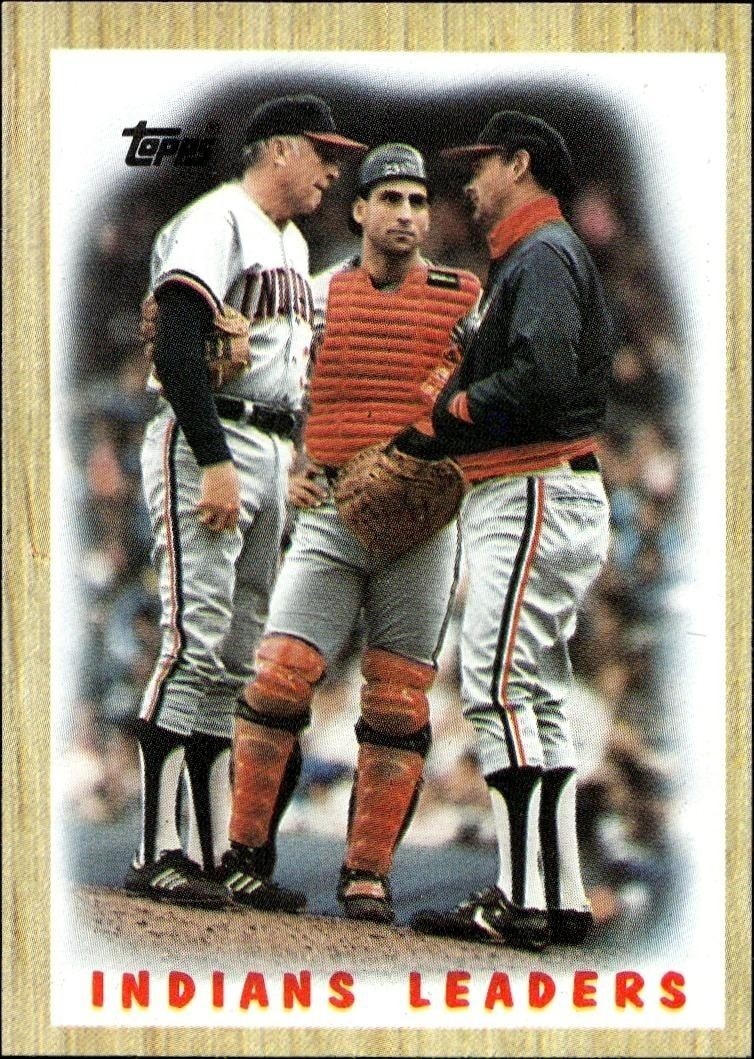


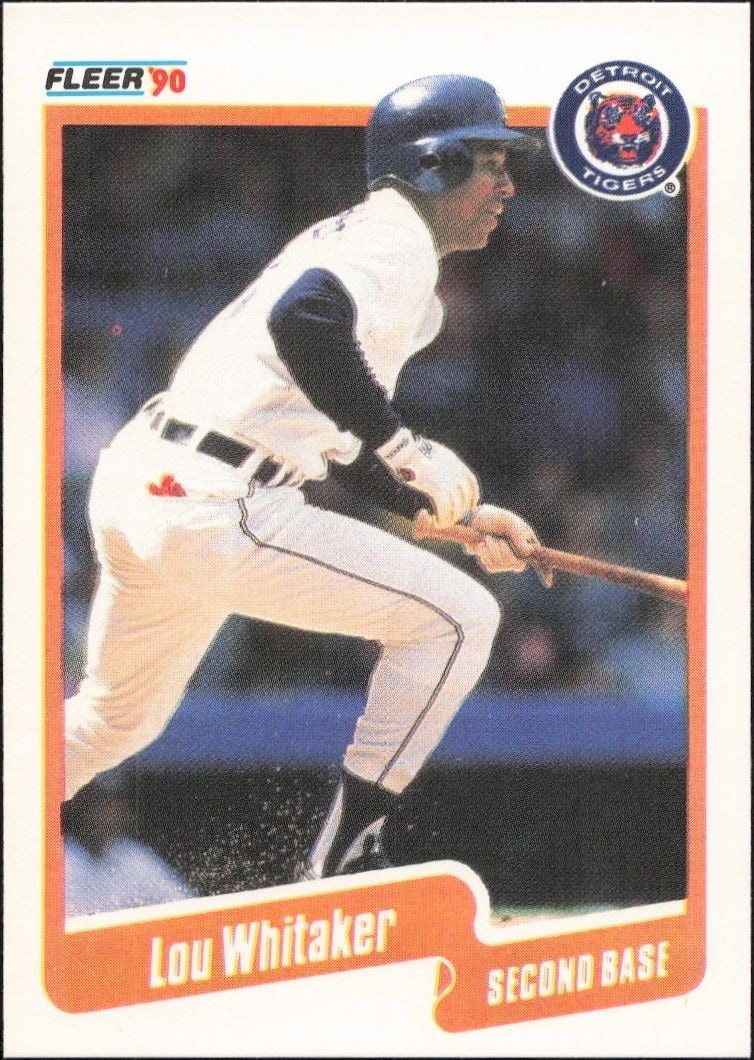


The 1987 Topps Lou Whitaker #661 baseball card captures the Detroit Tigers second baseman during his final MLB season. This vintage sports card is a staple for collectors of 1980s baseball history.
1987 • Topps
Major League Baseball • Detroit Tigers
Excellent
661
New
Shipping Calculated at Checkout
Arrives in 5-7 daysEstimated delivery October 23, 2026 - October 25, 2026
Seller returns October 19, 2026.30-day Returns| Condition | Value | Source | Trend | Price Details |
|---|---|---|---|---|
$1.00 | Guide Estimate | 0% | ||
$1.28 | Completed Sales | +28% | ||
$1.99 | Guide Estimate | 0% | ||
$3.85 | Guide Estimate | +1.3% | ||
$16.25 | Guide Estimate | -0.2% | ||
$34.76 | Guide Estimate | +0.2% | ||
$64.00 | Guide Estimate | 0% | ||
$30.00 | Guide Estimate | 0% | ||
$49.40 | Guide Estimate | -0% | ||
$30.00 | Guide Estimate | 0% | ||
Raw / Ungraded
PriceCharting Price Guide · Guide Estimate evidence · captured Oct 15, 2026
Lou Whitaker spent his entire Major League Baseball career with the Detroit Tigers, forming one of the most durable and successful second baseman-shortstop combinations in franchise history alongside Alan Trammell. The 1987 Topps release marks a significant point in this legacy, as it was the final year of Whitaker's 19-season tenure with the team before his retirement in 1995. Card number 661 from this annual checklist serves as a historical record of his career achievements up to that point. Lou Whitaker #661 is particularly relevant for those focused on Detroit Tigers history or completing base set collections from the late 1980s. As a non-parallel, standard issue card, it offers an accessible entry point into vintage baseball collecting without the premium associated with special inserts or parallels. Whether you are building a themed collection around the Tigers or the 1987 season, this card provides a tangible connection to Whitaker's era. It appeals to investors and hobbyists alike who value the stability of established legends and the nostalgia of the Topps brand. The card represents a key piece of baseball history for anyone interested in the game's golden age of the 1980s.
22 hours ago
We'll pre-fill the product details from this catalog entry, so your listing lands on this exact page. Just add photos of your copy, pick its condition, and set your price.
The catalog profile below summarizes the card identity, featured subject, and notable collectible traits.
The subject, team, league, and sport context tied to this card.
Production details and format-specific attributes.
Material
Card Stock
Language
English
Compare prices, grades, photos, and shipping from approved sellers.
New
Excellent
See how many public collections currently include this card.
0 collectors have this card
This 1987 Topps Lou Whitaker card represents a base-level entry point for collectors focused on Detroit Tigers history or the 1980s era. Its current market positioning reflects a high-supply environment typical of mass-produced base cards from this period, resulting in modest value relative to premium parallels or rookie issues. While Whitaker’s career significance provides a baseline of interest, the lack of special attributes keeps this specific item in the lower tier of his collectible market.
As a standard base card within the 1987 Topps set, this item carries no serial numbering, short-print status, or unique production constraints that would artificially limit its supply. The scarcity is driven entirely by natural attrition and general collector demand for the set, rather than intentional manufacturing limits. Consequently, it does not possess the exclusive rarity mechanics found in parallel versions or insert cards.
The investment potential for this base rookie-adjacent card is limited by the sheer volume of surviving copies and the absence of premium attributes that typically drive secondary market appreciation. Collectors generally prioritize graded examples, autographed variants, or high-grade parallels of Whitaker for long-term holdings. Demand remains steady for raw base cards but is unlikely to see significant appreciation without broader market trends favoring ungraded 1980s baseball staples.
