



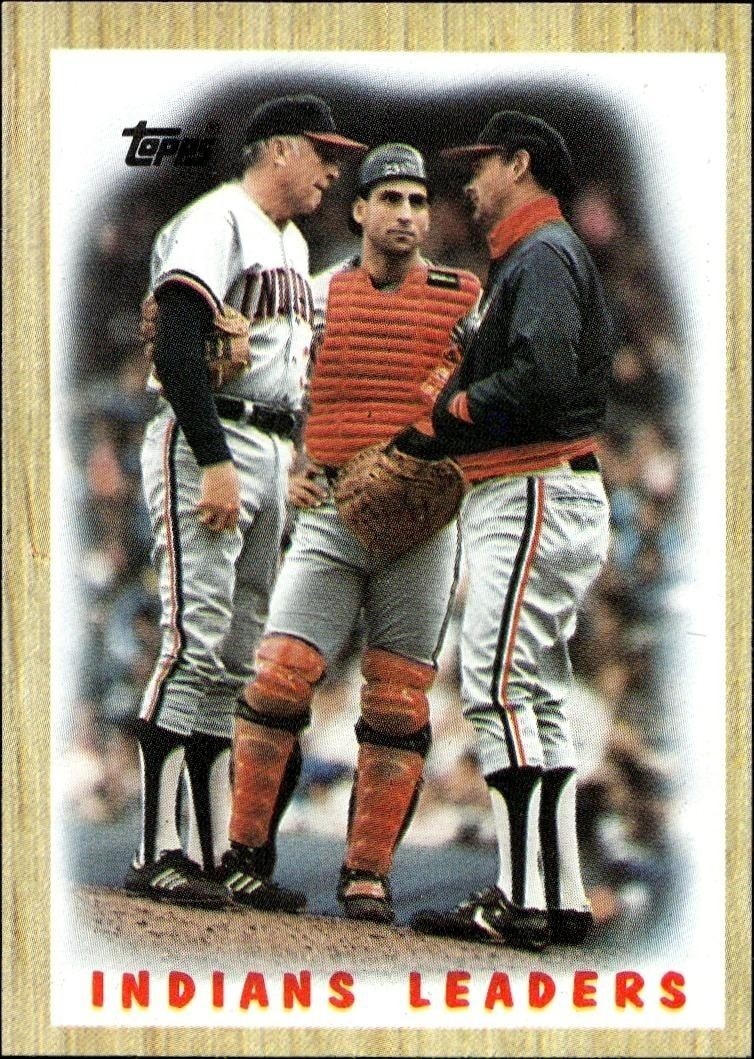


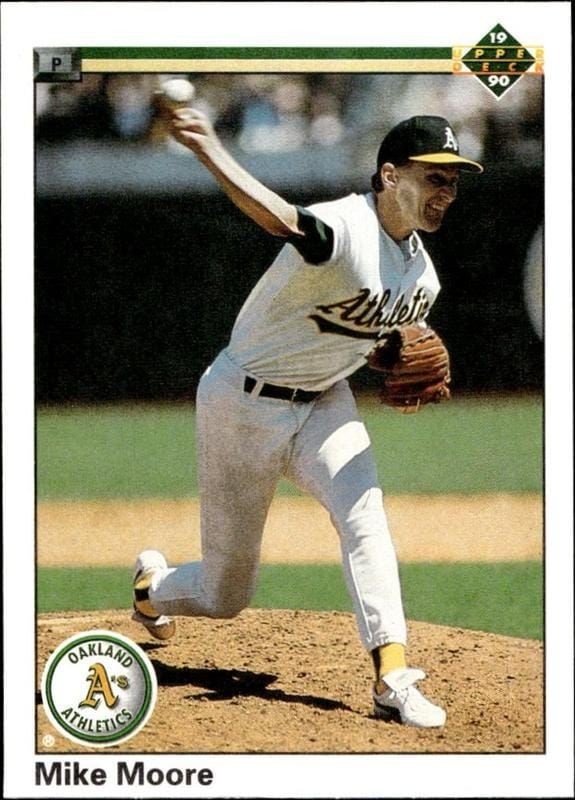
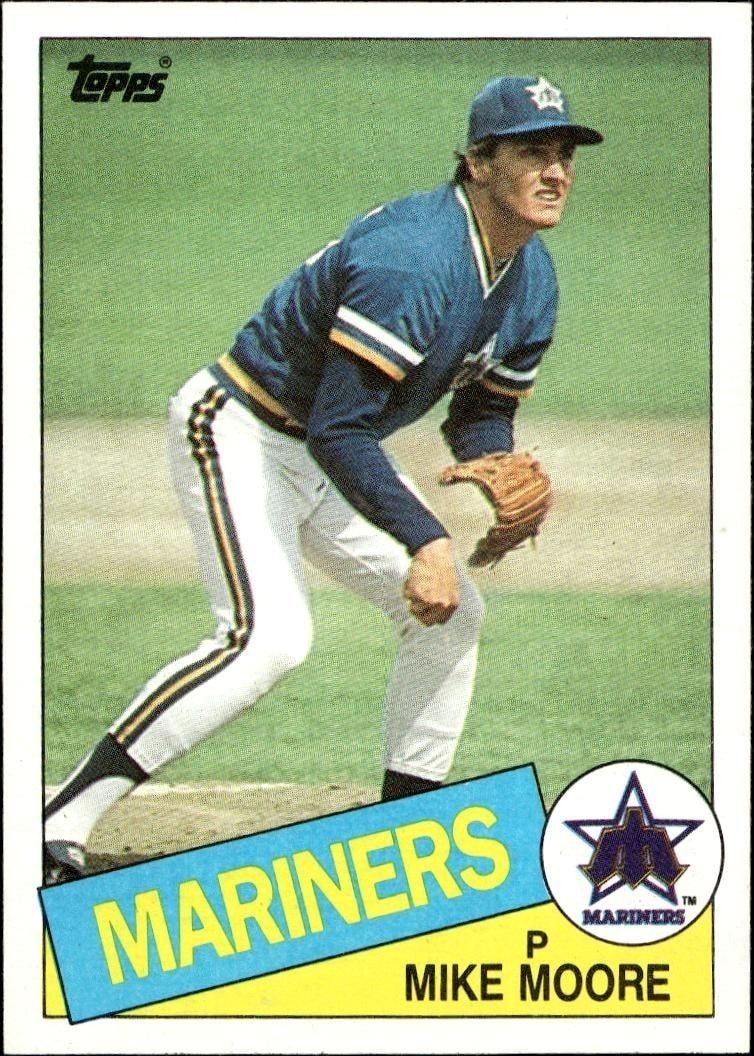
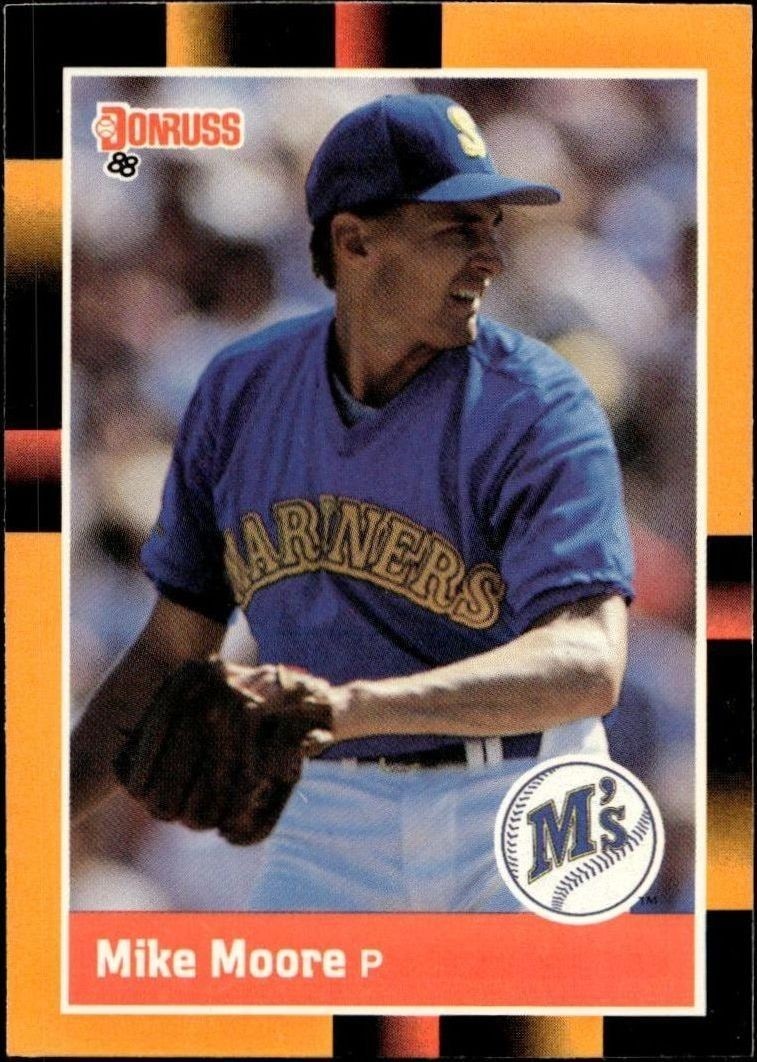
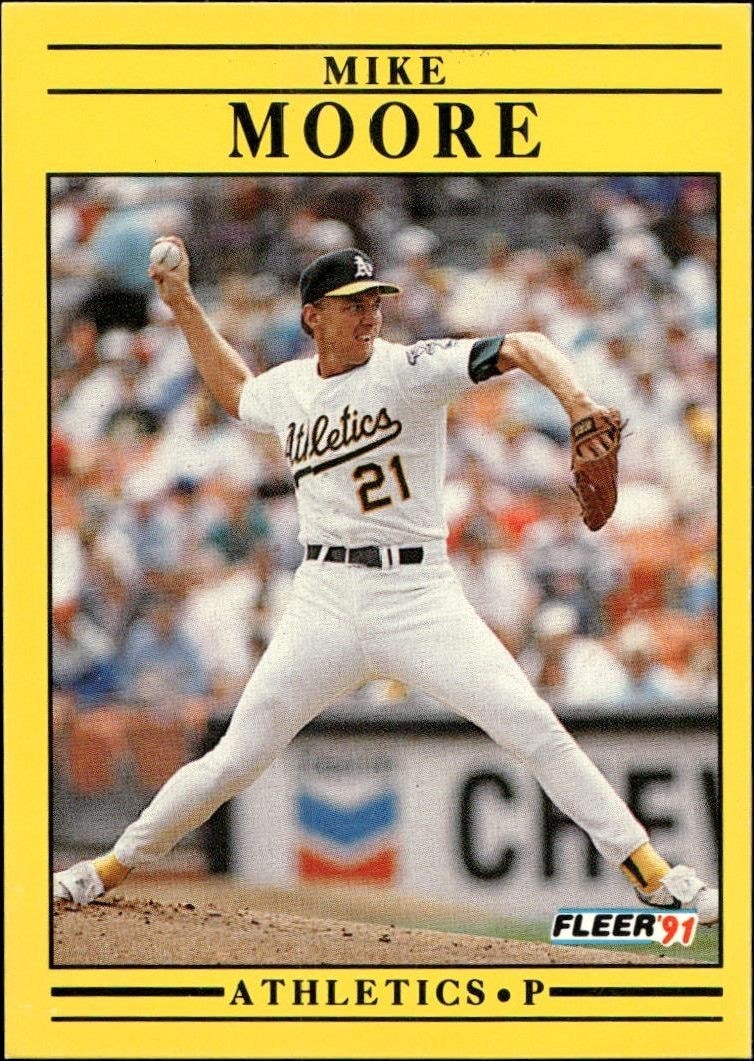
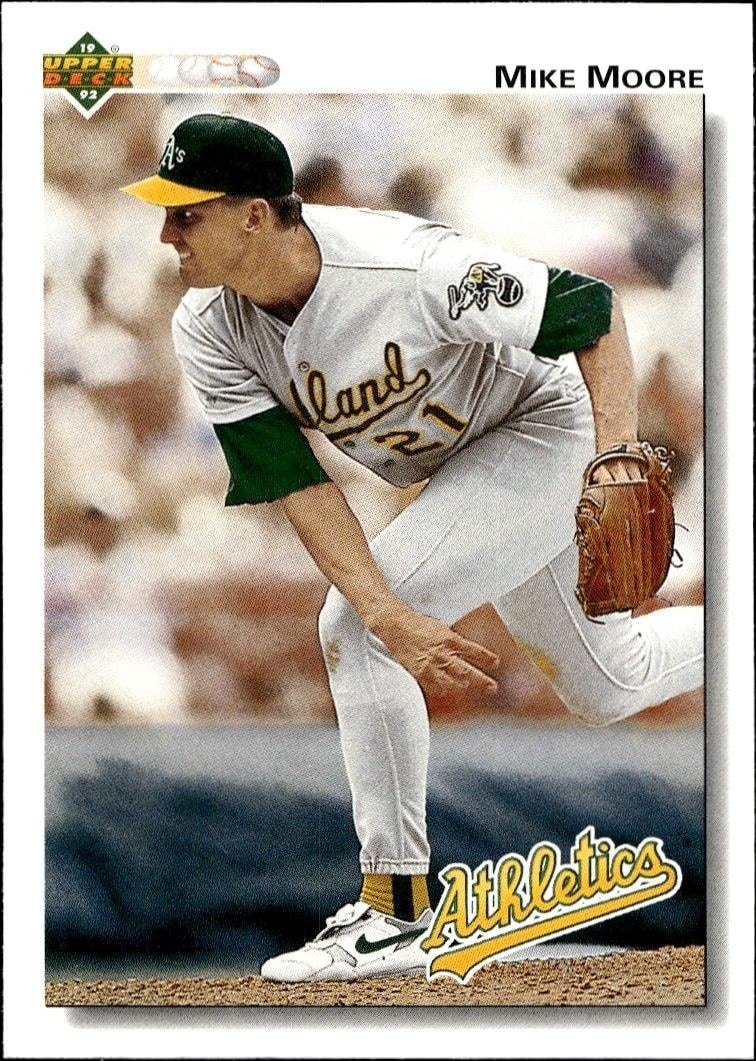
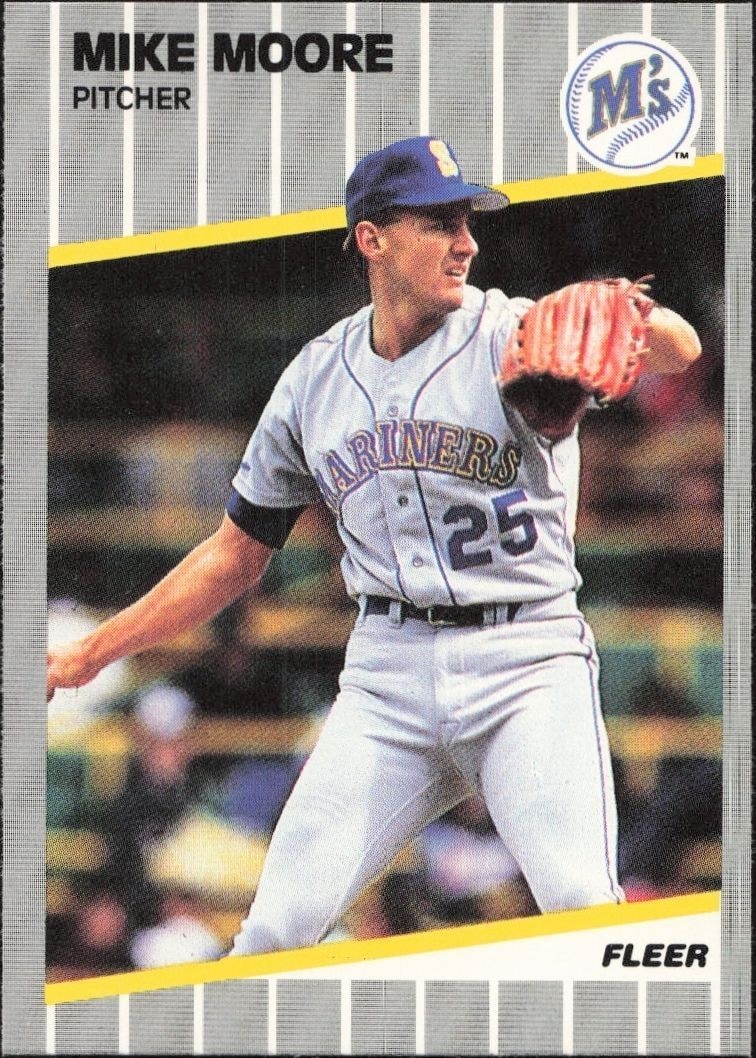
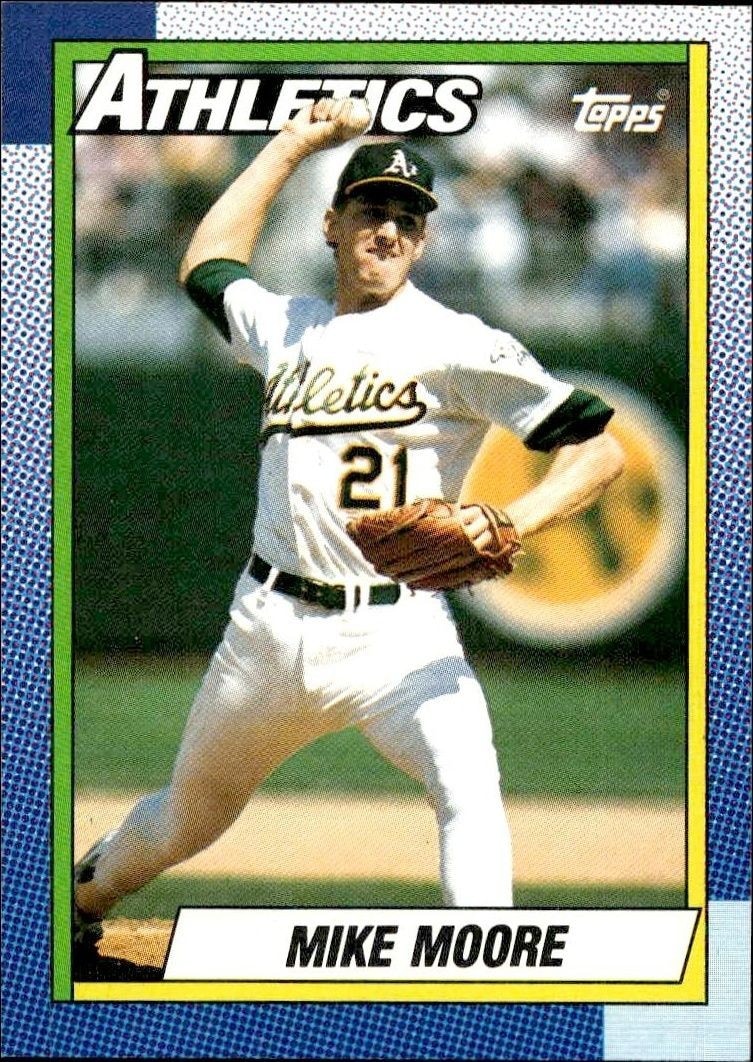
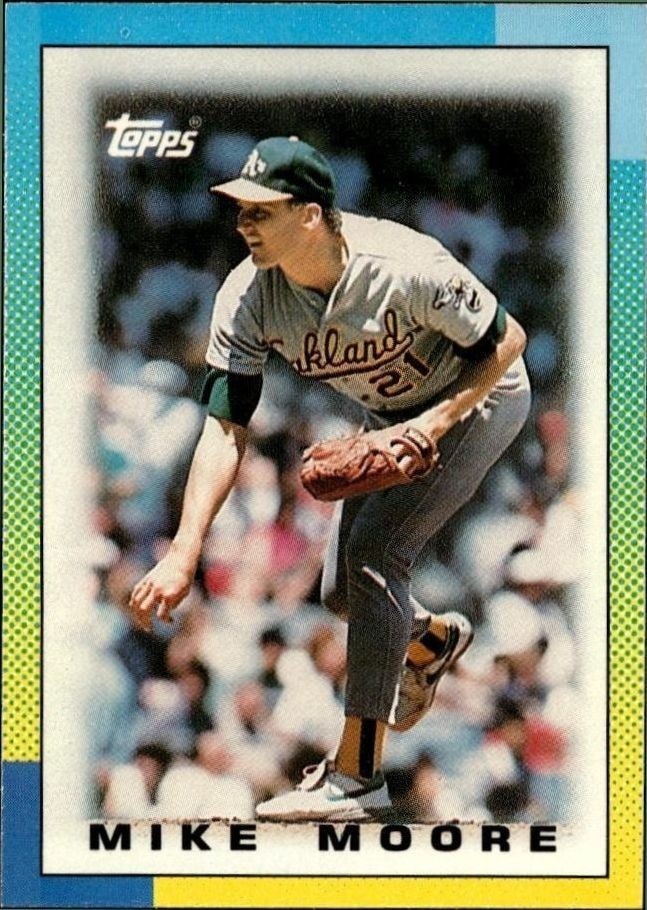
Explore the 1987 Topps Mike Moore #727 baseball card, featuring the Seattle Mariners pitcher in a vintage design. A key addition for collectors of 1980s sports memorabilia.
1987 • Topps
Major League Baseball • Seattle Mariners
Excellent
727
New
Shipping Calculated at Checkout
Arrives in 6-8 daysEstimated delivery October 23, 2026 - October 25, 2026
Seller returns October 19, 2026.30-day Returns| Condition | Value | Source | Trend | Price Details |
|---|---|---|---|---|
$0.99As of 9/25/2026 | Guide Estimate | |||
$1.99As of 9/25/2026 | Guide Estimate | |||
$58.00As of 9/25/2026 | Guide Estimate | |||
$27.00As of 9/25/2026 | Guide Estimate | |||
$44.89As of 9/25/2026 | Guide Estimate | |||
$27.00As of 9/25/2026 | Guide Estimate | |||
Raw / Ungraded
PriceCharting Price Guide · Guide Estimate evidence · captured Sep 25, 2026
History is building. At least two days of matching observations are needed to show a trend.
Each point is the last stored observation that day for this printing, condition, grader, autograph status and source. Gaps mean no observation; guide estimates and asking prices are not completed sales.The 1987 Topps Mike Moore #727 baseball card represents a specific moment in the history of the Seattle Mariners franchise. Mike Moore, a prominent pitcher for the Mariners during this era, is featured on card number 727, making it a distinct entry for those tracking player appearances within the set. For collectors, the 1987 Topps series remains a staple in vintage baseball collections due to its widespread distribution and recognizable branding. The card serves as a tangible link to the Mariners' roster from that season, offering a piece of sports history that appeals to both dedicated team fans and broader baseball hobbyists. Whether you are looking to complete a specific team set or add a notable player to your personal archive, this card provides a clear and authentic representation of the product. The marketplace connects buyers with sellers who value the preservation and history of these items, ensuring that collectors can pursue their interests with confidence. By focusing on the catalog identity of the card, including its year, brand, and subject, collectors can make informed decisions about their acquisitions. This approach highlights the enduring appeal of vintage sports cards, where each number tells a story of the game and the players who shaped it during their time on the field.
1 day ago
We'll pre-fill the product details from this catalog entry, so your listing lands on this exact page. Just add photos of your copy, pick its condition, and set your price.
The catalog profile below summarizes the card identity, featured subject, and notable collectible traits.
The subject, team, league, and sport context tied to this card.
Production details and format-specific attributes.
Material
Card Stock
Language
English
Compare prices, grades, photos, and shipping from approved sellers.
New
Excellent
See how many public collections currently include this card.
0 collectors have this card
This 1987 Topps Mike Moore card represents a standard base-tier entry with minimal market value, trading at the lower end of the spectrum for the product. As a non-rookie card from a mid-career point, it lacks the premium pricing associated with star players or rookie issues. The current valuation reflects its status as a common, widely available item rather than a specialized collectible.
The card possesses no special scarcity attributes such as serial numbering, short printing, or parallel variations, placing it firmly in the base set category. Supply is determined solely by the original print run of the 1987 Topps baseball set, which was produced in high volumes. This lack of distinct rarity mechanics means the card does not command a scarcity premium over other common cards from the same year.
As a non-rookie card from a major brand, this item offers limited investment potential due to the abundance of existing supply and the absence of rookie-card premium mechanics. Collector demand is likely driven only by specific set completion needs rather than speculative growth. Investors should view this as a low-value component for collection completeness rather than a standalone asset for capital appreciation.
