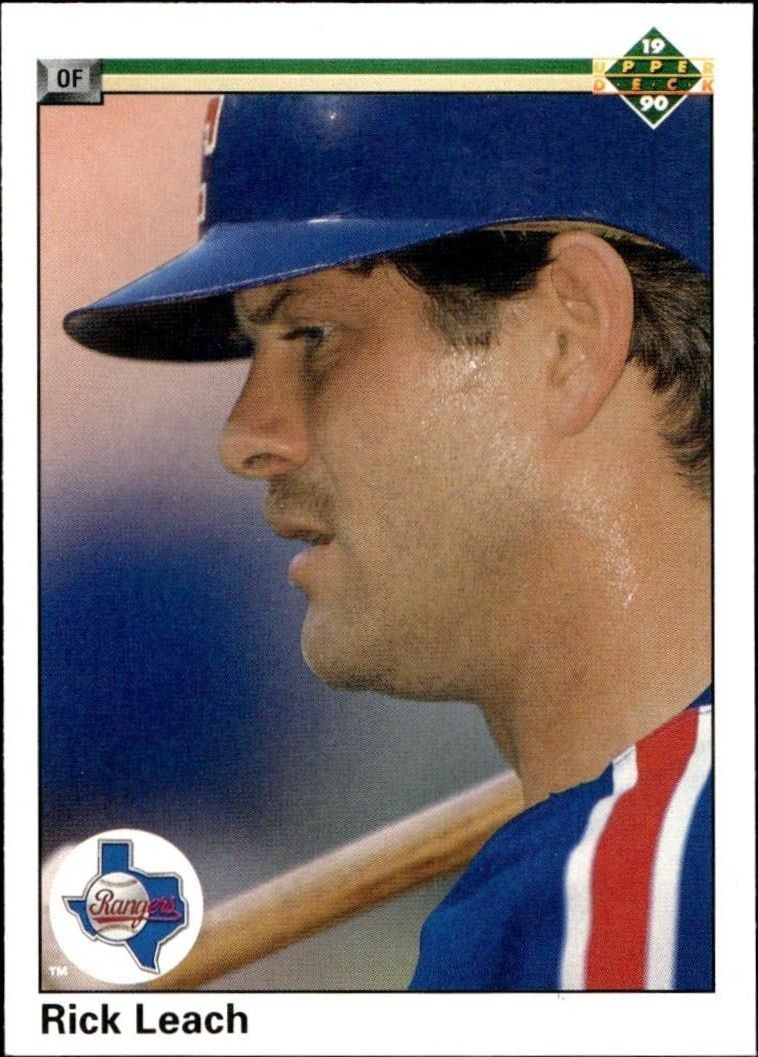



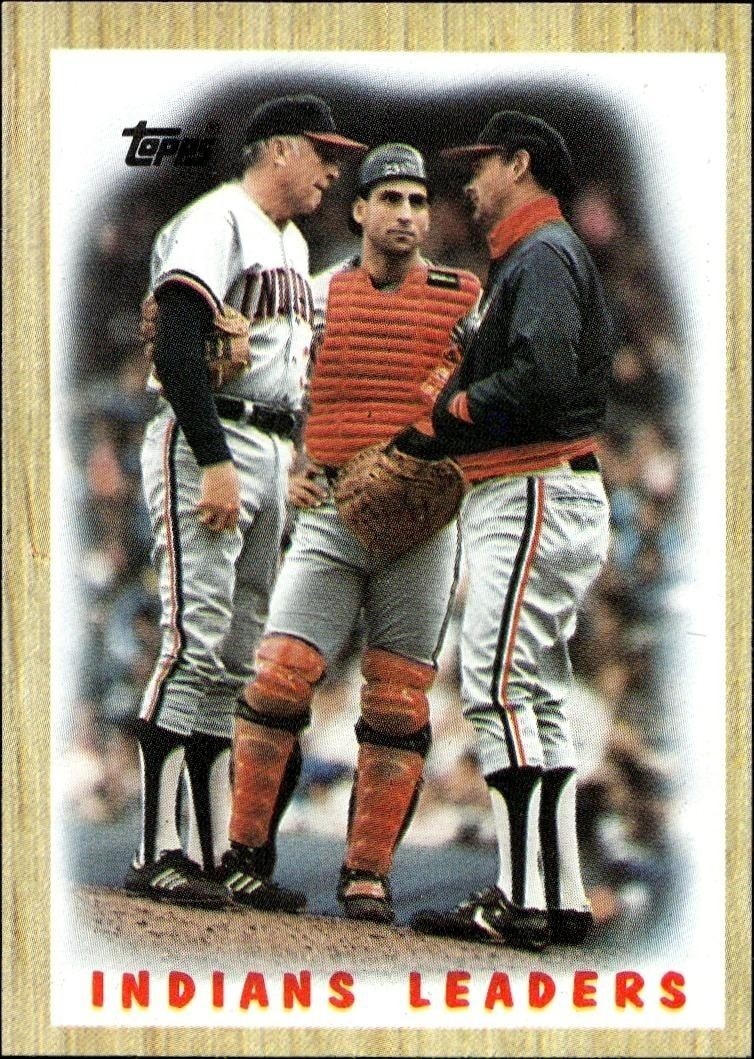


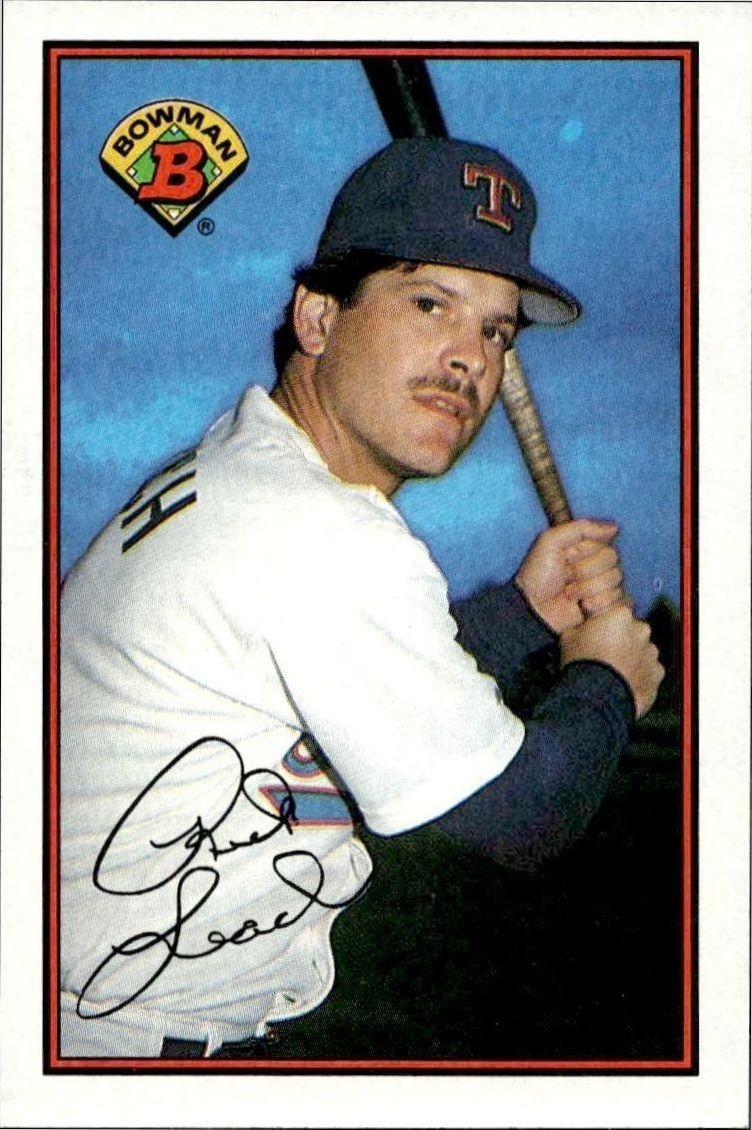
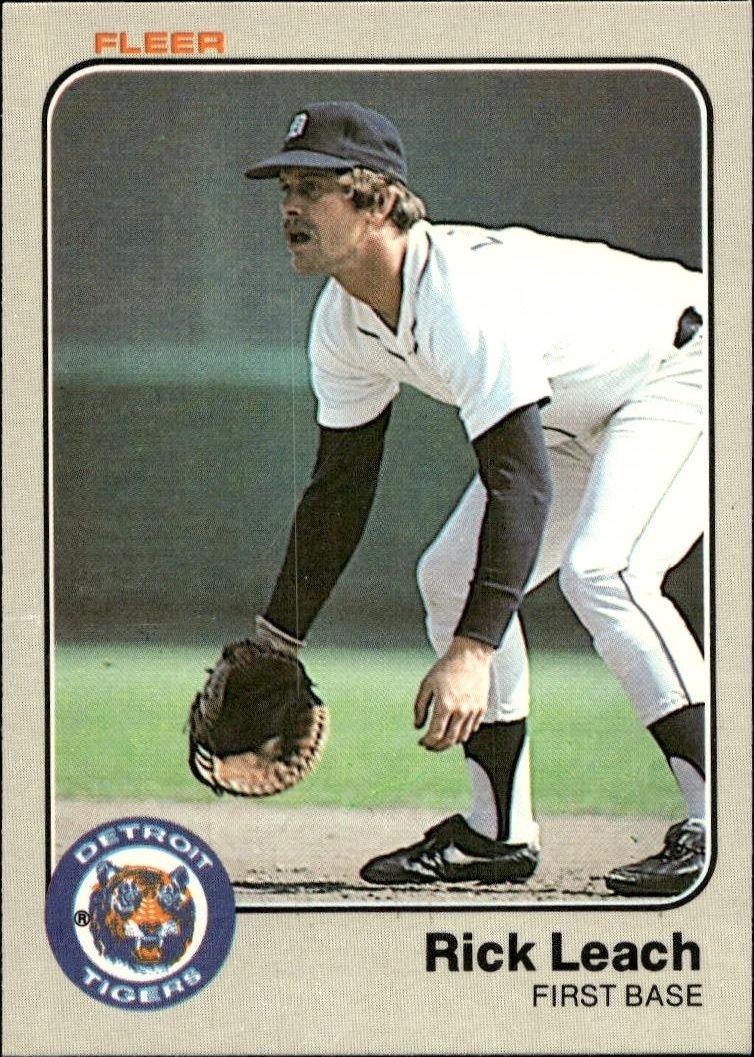
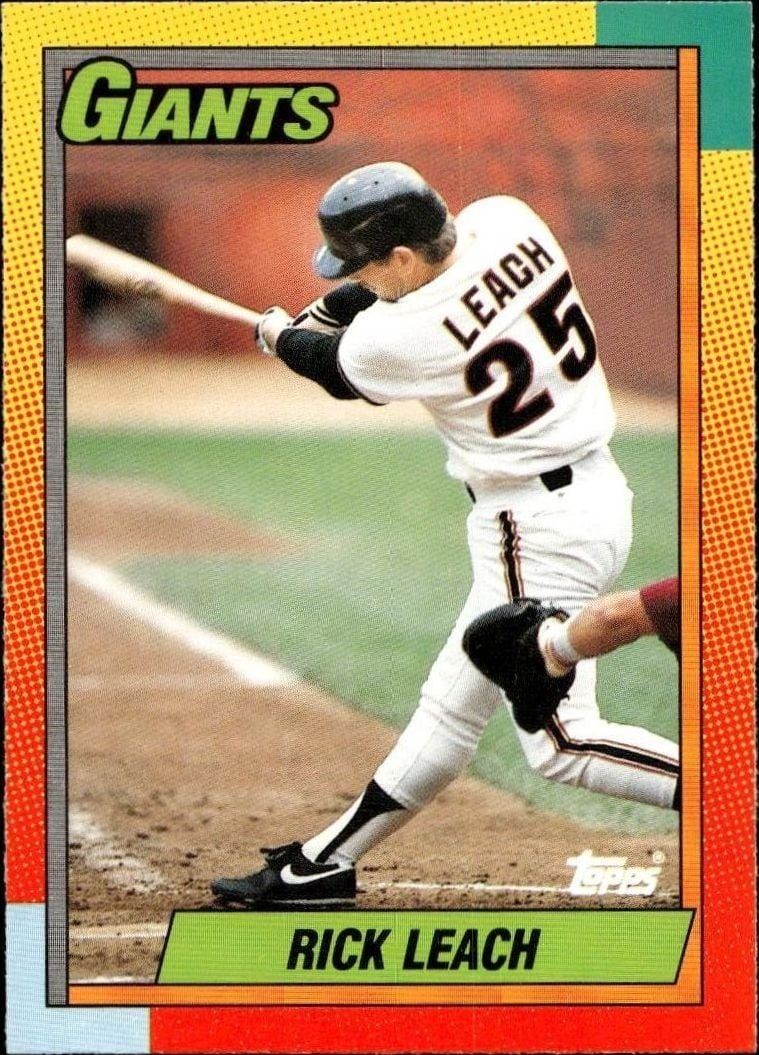
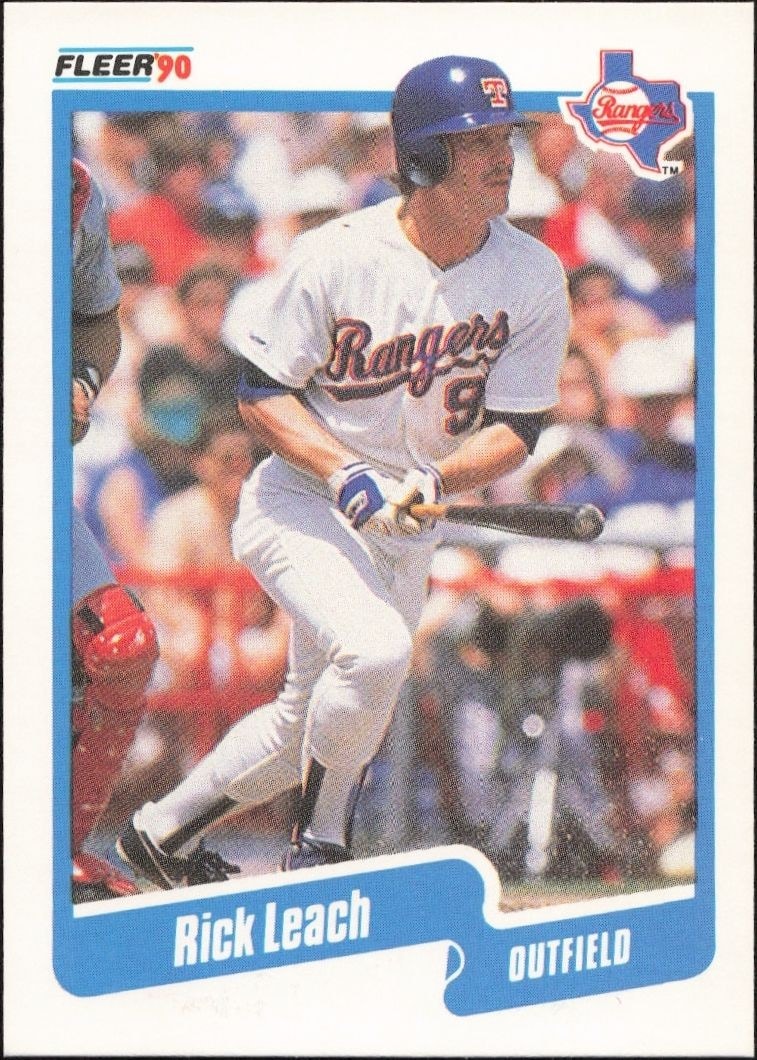
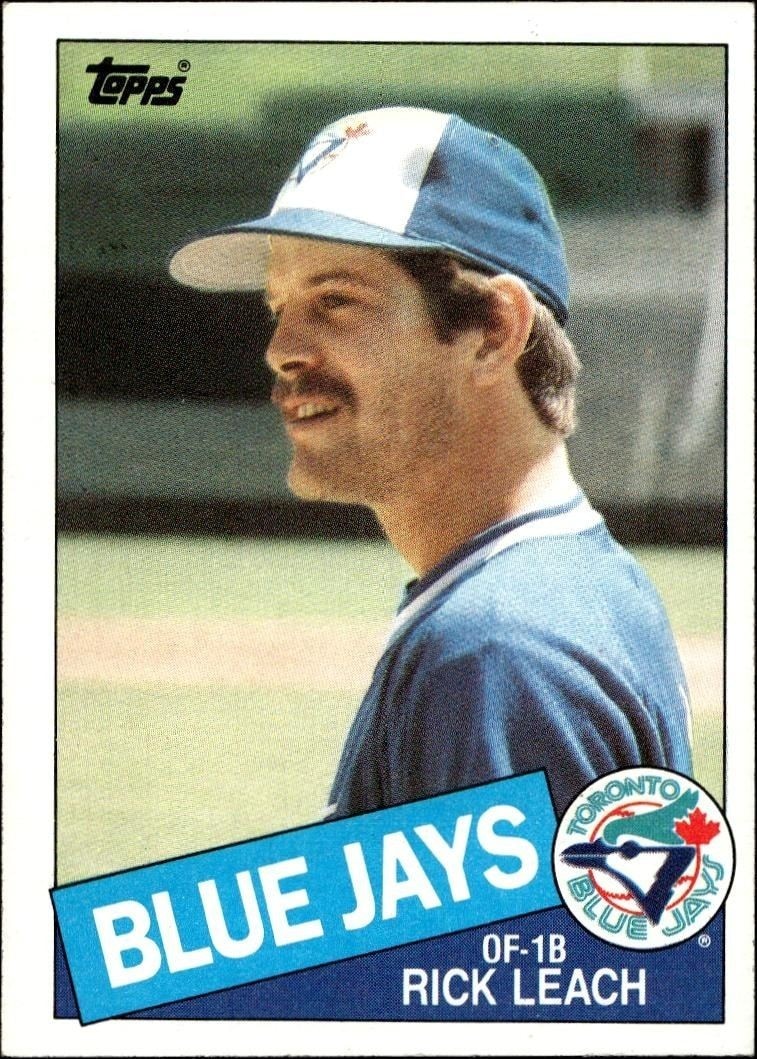
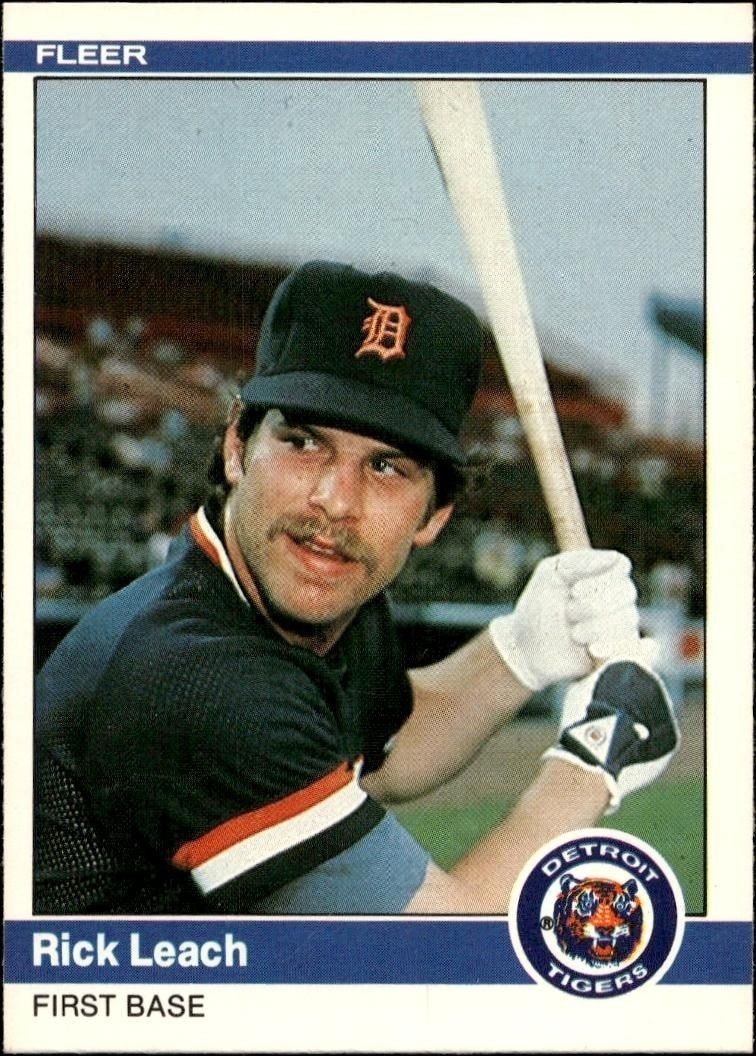
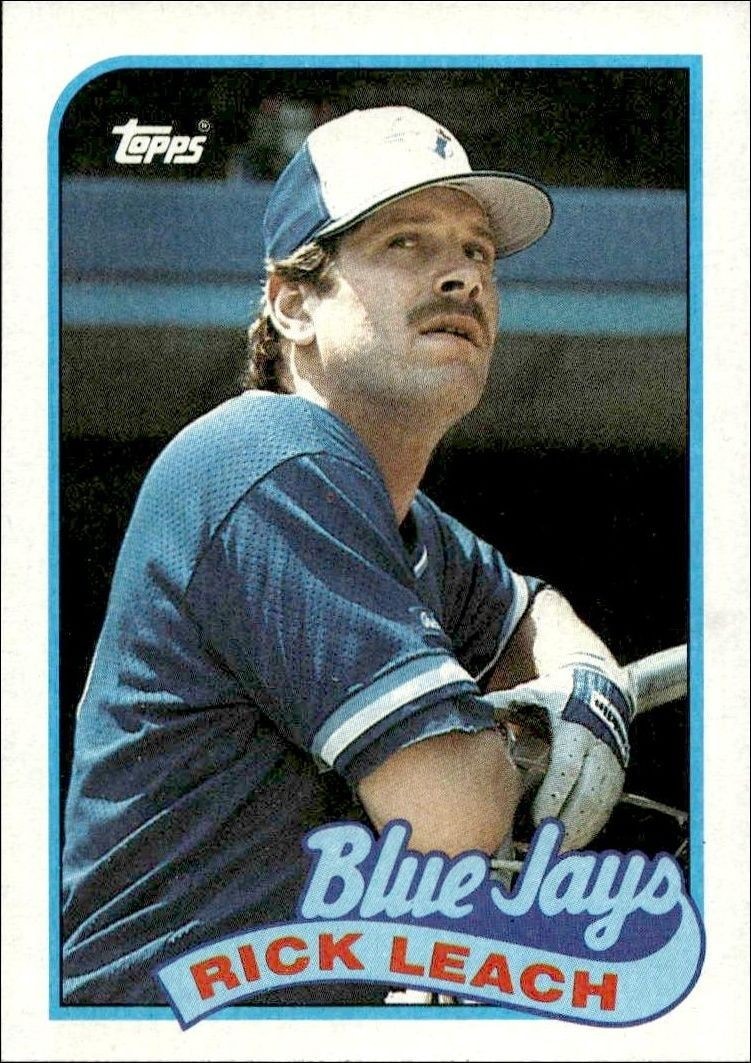
The 1987 Topps #716 Rick Leach baseball card represents a specific entry from one of the most widely collected vintage sports card series. This product serves as a foundational component for enthusiasts focusing on the 1987 release.
1987 • Topps
Major League Baseball • Toronto Blue Jays
Excellent
716
New
Shipping Calculated at Checkout
Arrives in 4-6 daysEstimated delivery October 23, 2026 - October 25, 2026
30-day Returns| Condition | Value | Source | Trend | Price Details |
|---|---|---|---|---|
$1.29 | Guide Estimate | |||
$4.36 | Guide Estimate | |||
Raw / Ungraded
PriceCharting Price Guide · Guide Estimate evidence · captured Oct 18, 2026
History is building. At least two days of matching observations are needed to show a trend.
Each point is the last stored observation that day for this printing, condition, grader, autograph status and source. Gaps mean no observation; guide estimates and asking prices are not completed sales.As a product of this era, it holds a specific place in the history of sports card collecting, representing the visual identity of baseball during the late 1980s. Collectors often seek this card to complete their base set or to add a specific player entry to their personal archives. The inclusion of Rick Leach provides a tangible connection to the roster dynamics of that specific year, offering historical context beyond the game itself. For investors and hobbyists, the 1987 Topps brand remains a cornerstone of the market due to its accessibility and nostalgic value. This card allows collectors to engage with the medium at a catalog level, focusing on the integrity of the release rather than just individual player stats. Whether used for set completion or as a standalone collectible, the 1987 Topps #716 Rick Leach card remains a relevant item for those tracking the evolution of sports memorabilia. It stands as a clear example of how specific card numbers define the collecting experience for many enthusiasts. ## What is the significance of card number 716 in the 1987 Topps set? Card number 716 identifies the specific position of Rick Leach within the 1987 Topps base set. In collecting, card numbers help enthusiasts track their progress and ensure they have obtained every unique image released that year. This number is a critical identifier for cataloging and organizing collections. ## Is the 1987 Topps series considered a vintage baseball card collection? Yes, the 1987 Topps series is widely regarded as a vintage baseball card collection. Released over three decades ago, it represents a distinct era in sports card manufacturing and design, appealing to collectors who value historical releases from the 1980s. ## How do collectors typically use this card in their hobby? Collectors typically use this card to complete the full 1987 Topps base set or to add a specific roster entry for a particular year. It serves as a catalog-level reference for the 1987 season and is often traded among enthusiasts to fill gaps in their archives.
2 days ago
We'll pre-fill the product details from this catalog entry, so your listing lands on this exact page. Just add photos of your copy, pick its condition, and set your price.
The catalog profile below summarizes the card identity, featured subject, and notable collectible traits.
The subject, team, league, and sport context tied to this card.
Production details and format-specific attributes.
Material
Card Stock
Language
English
Compare prices, grades, photos, and shipping from approved sellers.
New
Excellent
See how many public collections currently include this card.
0 collectors have this card
This 1987 Topps issue sits firmly in the entry-level tier for Rick Leach collectibles, reflecting its status as a standard base card rather than a premium insert. As a player with a defined but non-Hall of Fame career tenure with the Toronto Blue Jays, the card lacks the price appreciation drivers associated with superstar rookies or unique memorabilia parallels. The current valuation indicates a stable, low-cost acquisition point suitable for casual collection completion rather than speculative holding.
The card possesses no special scarcity attributes, such as serial numbering, short-print designations, or parallel coatings, meaning it represents the full print run of the 1987 Topps set. This uniformity in production ensures that supply remains abundant and consistent across the secondary market. Consequently, the item trades at the baseline value for the product without any premium attached for exclusivity or limited availability.
As a non-rookie base card from a mid-1980s set, this item offers minimal investment upside due to the lack of rookie-card premium mechanics and the high volume of existing inventory. Collector demand is primarily driven by the need to complete specific set subsets rather than long-term appreciation potential. The card is best viewed as a low-risk addition for thematic collection building rather than a vehicle for capital growth.