



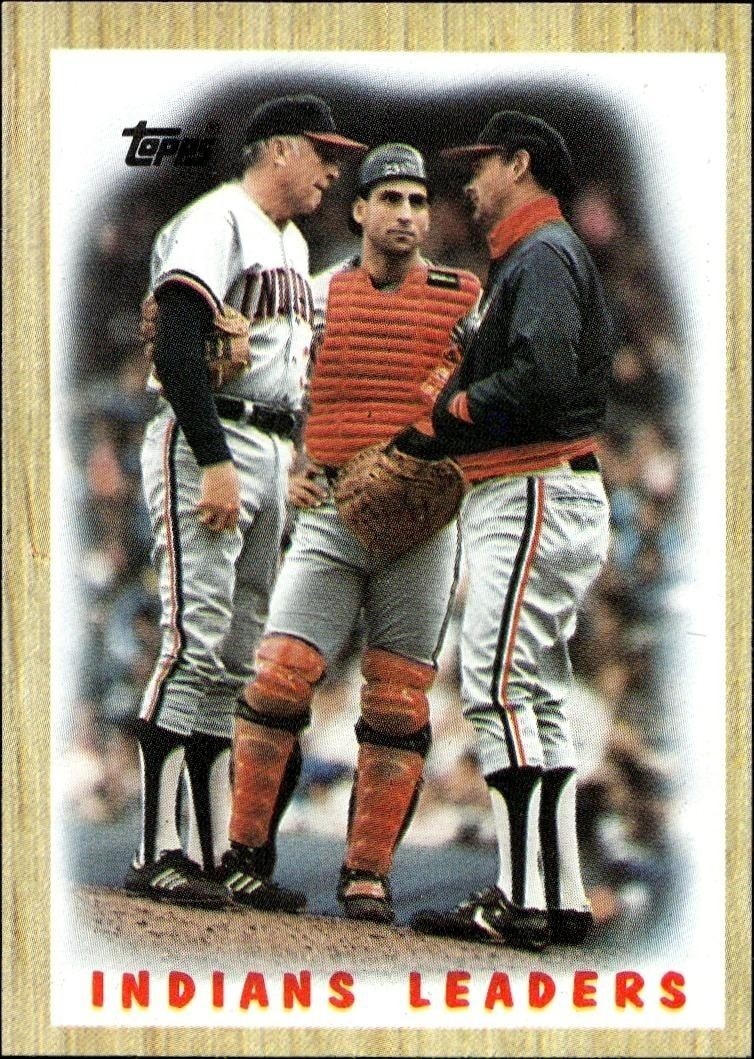


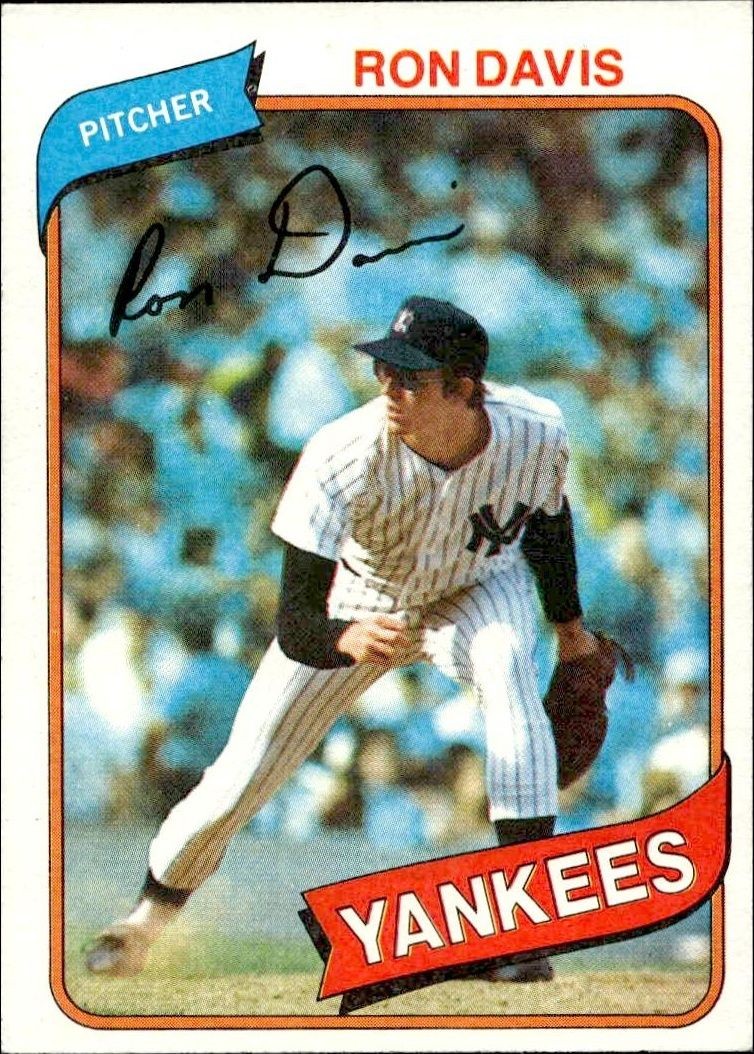
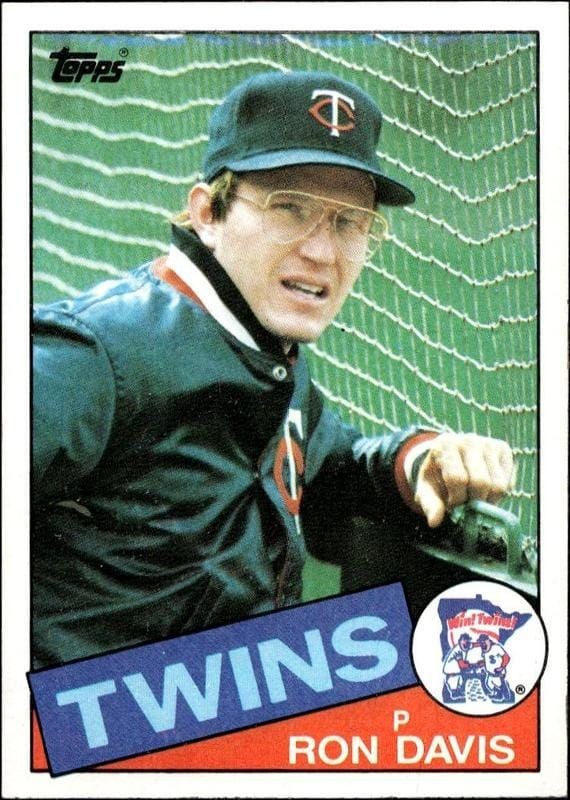

This 1987 Topps Ron Davis #383 baseball card represents a key piece of vintage sports history. Ideal for collectors building sets or seeking specific Chicago Cubs era memorabilia.
1987 • Topps
Major League Baseball • Chicago Cubs
Excellent
383
New
Shipping Calculated at Checkout
Arrives in 5-7 daysEstimated delivery October 23, 2026 - October 25, 2026
Seller returns October 19, 2026.30-day Returns| Condition | Value | Source | Trend | Price Details |
|---|---|---|---|---|
$0.99 | Guide Estimate | 0% | ||
$3.01 | Guide Estimate | +1% | ||
$3.80 | Guide Estimate | 0% | ||
$20.34 | Guide Estimate | 0% | ||
$44.47 | Guide Estimate | 0% | ||
$68.00 | Guide Estimate | 0% | ||
$31.00 | Guide Estimate | 0% | ||
$52.00 | Guide Estimate | 0% | ||
$31.00 | Guide Estimate | 0% | ||
Raw / Ungraded
PriceCharting Price Guide · Guide Estimate evidence · captured Oct 15, 2026
The 1987 Topps Ron Davis #383 baseball card stands as a significant entry in the history of sports trading cards. Released during a pivotal era for the Chicago Cubs, this card captures the visual style and design language characteristic of mid-1980s manufacturing. For dedicated collectors, adding this card number to a complete set provides a tangible connection to that season's roster. Topps established its dominance in the hobby with consistent branding and reliable distribution during this period. The #383 designation places Ron Davis within the base set's numerical sequence, offering a straightforward yet essential component for enthusiasts aiming to finish their collection. The card's design reflects the straightforward photographic approach typical of the year, focusing on the player's likeness against the brand's signature layout. Collecting vintage baseball cards from the 1980s has seen renewed interest among hobbyists who appreciate the nostalgia and historical context of the era. Ron Davis, representing the Chicago Cubs in this release, serves as a focal point for those tracking the team's development during this timeframe. Whether you are a set builder or a casual fan, this card offers a direct link to the sport's past. By focusing on the catalog-level details of the brand, year, and subject, collectors can navigate the market with confidence. The enduring appeal of Topps baseball cards lies in their accessibility and the rich history they represent. This card remains a sought-after item for those who value the tangible heritage of Major League Baseball.
17 hours ago
We'll pre-fill the product details from this catalog entry, so your listing lands on this exact page. Just add photos of your copy, pick its condition, and set your price.
The catalog profile below summarizes the card identity, featured subject, and notable collectible traits.
The subject, team, league, and sport context tied to this card.
Production details and format-specific attributes.
Material
Card Stock
Language
English
Compare prices, grades, photos, and shipping from approved sellers.
New
Excellent
See how many public collections currently include this card.
0 collectors have this card
This 1987 Topps Ron Davis card represents a foundational entry-level piece for Cubs collectors, sitting at a minimal price tier relative to more prominent stars from the same era. As a standard base card with no special attributes, it trades significantly below the market value of parallels or rookie cards featuring the same player. The current low valuation reflects its status as a common commodity rather than a high-demand investment piece.
The card lacks any special scarcity mechanics such as serial numbering, short-print designations, or limited edition markings, placing it firmly in the base set category. This absence of unique identifiers means the supply is determined entirely by the original production volume of the 1987 Topps set. Consequently, the card does not benefit from the supply constraints that typically drive premiums in vintage baseball collecting.
Investment potential is limited by the card's position as a non-rookie, base-issue item from a mass-produced set. Collector demand is likely driven primarily by team-specific needs or basic set completion rather than speculative growth. Without rookie card status or special parallels, the card serves more as a filler component for collections than a standalone asset with appreciative value.
