




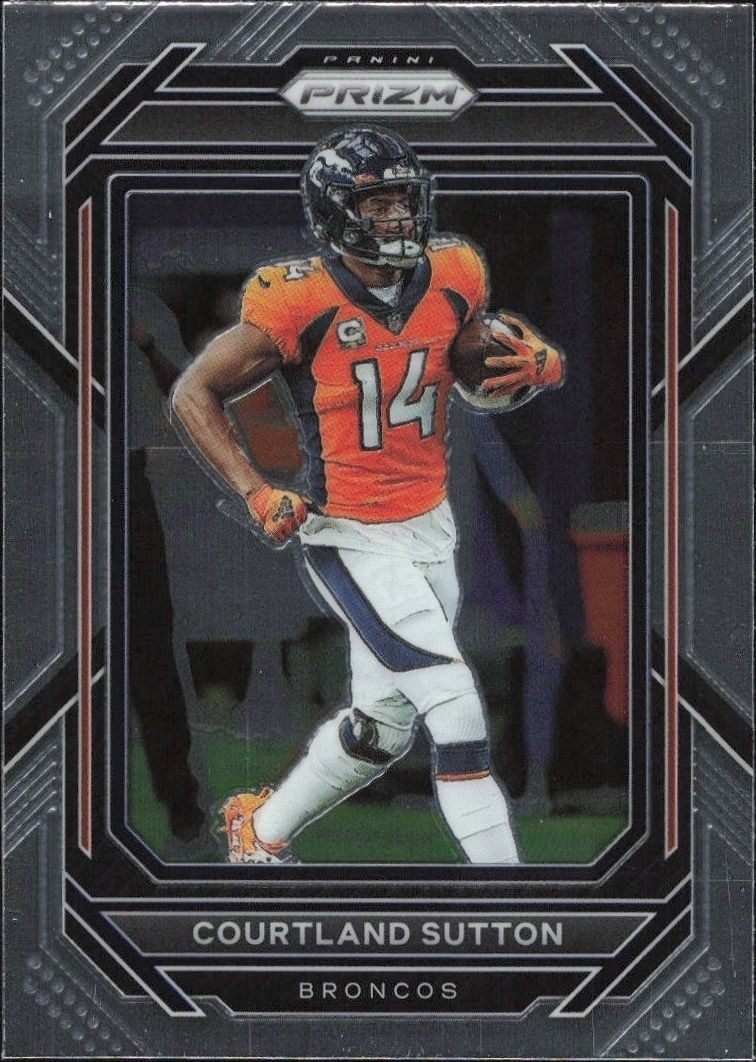
Explore the 1987 Topps Rulon Jones #38 football card, a definitive piece of Denver Broncos history and late-80s NFL memorabilia for dedicated collectors.
1987 • Topps
National Football League • Denver Broncos
Excellent
38
New
Shipping Calculated at Checkout
Arrives in 4-6 daysEstimated delivery October 31, 2026 - November 2, 2026
30-day Returns| Condition | Value | Source | Trend | Price Details |
|---|---|---|---|---|
$0.59 | Guide Estimate | -13.2% | ||
$14.33 | Guide Estimate | +0.2% | ||
$24.99 | Guide Estimate | 0% | ||
$27.00 | Guide Estimate | 0% | ||
$52.00 | Guide Estimate | 0% | ||
$16.00 | Guide Estimate | -33.3% | ||
$39.99 | Guide Estimate | 0% | ||
$24.00 | Guide Estimate | 0% | ||
Raw / Ungraded
PriceCharting Price Guide · Guide Estimate evidence · captured Oct 23, 2026
The 1987 Topps Rulon Jones #38 football card represents a specific moment in Denver Broncos history, capturing the offensive lineman during his tenure with the team. As part of the 1987 Topps set, this card is a staple for enthusiasts of vintage NFL memorabilia and late-1980s sports card collecting. The design reflects the era's standard aesthetic, focusing on clear photography and bold typography that defined Topps releases during this period. Rulon Jones was a key figure in the Broncos' offensive line, providing the physical presence necessary to protect the quarterback and open running lanes. For collectors of Denver Broncos history, this card serves as a tangible connection to the franchise's roster during a competitive era in the National Football League. The #38 card number places it within the main base set, making it a fundamental piece for those building comprehensive collections of the 1987 Topps football series. Vintage football cards from the 1980s are increasingly sought after for their historical value and nostalgic appeal. The 1987 Topps Rulon Jones card offers collectors a chance to own a piece of NFL history that predates the modern digital age of sports data. Whether you are a dedicated Broncos fan or a broader collector of vintage sports trading cards, this issue provides a concrete link to the players who shaped the game decades ago. The card's enduring presence in the secondary market highlights its importance as a catalog entry for serious hobbyists who value the integrity of classic set completions. Collectors often prioritize cards from this year to understand the evolution of NFL rosters and team dynamics. The 1987 Topps release remains a benchmark for football card design, and Jones's inclusion in the set underscores the depth of talent on the Broncos' roster at the time. By acquiring this card, you are adding a verified piece of sports history to your collection, contributing to the preservation of the game's legacy through tangible artifacts.
6 days ago
We'll pre-fill the product details from this catalog entry, so your listing lands on this exact page. Just add photos of your copy, pick its condition, and set your price.
The catalog profile below summarizes the card identity, featured subject, and notable collectible traits.
The subject, team, league, and sport context tied to this card.
Production details and format-specific attributes.
Material
Card Stock
Language
English
Compare prices, grades, photos, and shipping from approved sellers.
New
Excellent
See how many public collections currently include this card.
0 collectors have this card
This card represents a budget-tier entry for the Denver Broncos and NFL football collectors, reflecting its status as a standard base card from a high-volume 1987 Topps set. It trades at a lower price point compared to rookie cards or special parallels of Rulon Jones, offering an accessible entry for those building team-specific archives. The lack of special attributes keeps it firmly in the volume-driven segment of the market rather than the premium collector tier.
As a standard base card without noted special attributes, this item carries no serial numbering, short-print status, or parallel variants that would artificially constrain its supply. Its availability is determined solely by the original print run of the 1987 Topps set, which was mass-produced for broad distribution. Consequently, the supply remains relatively high compared to limited-edition or insert cards from the same era.
The card lacks the rookie-card premium mechanics that typically drive significant appreciation for players of this era, limiting its potential for substantial value growth. Demand is primarily driven by casual collectors or those seeking specific team completions rather than serious investors seeking scarce assets. It serves best as a cost-effective component for filling gaps in a broader collection rather than as a standalone speculative asset.