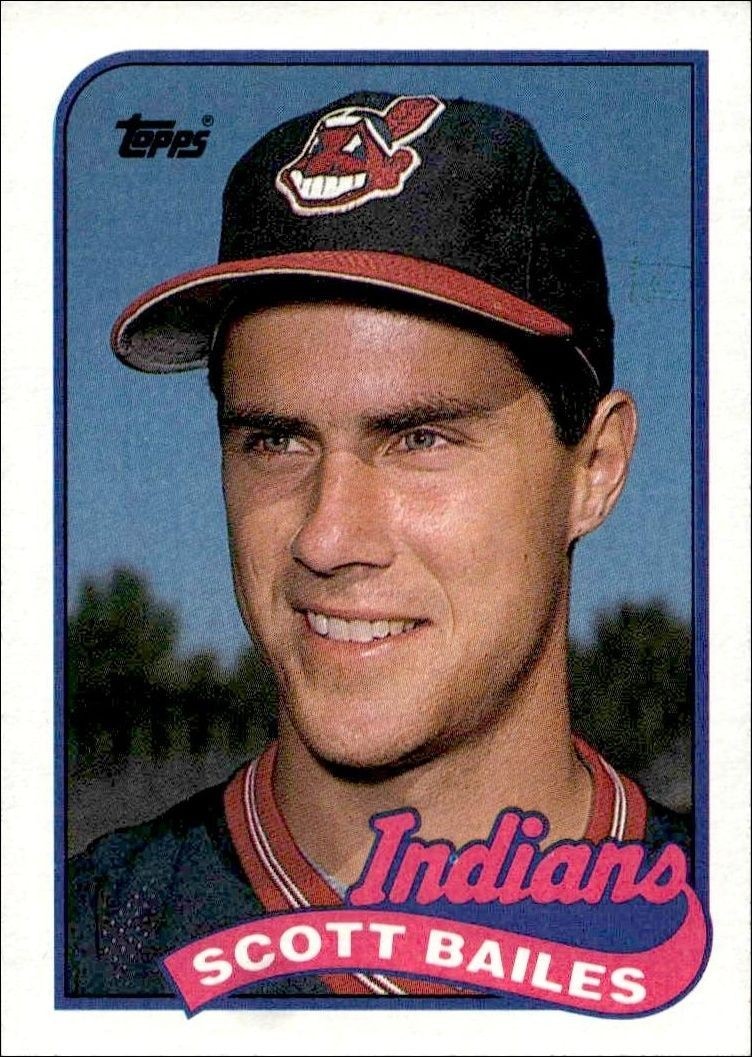



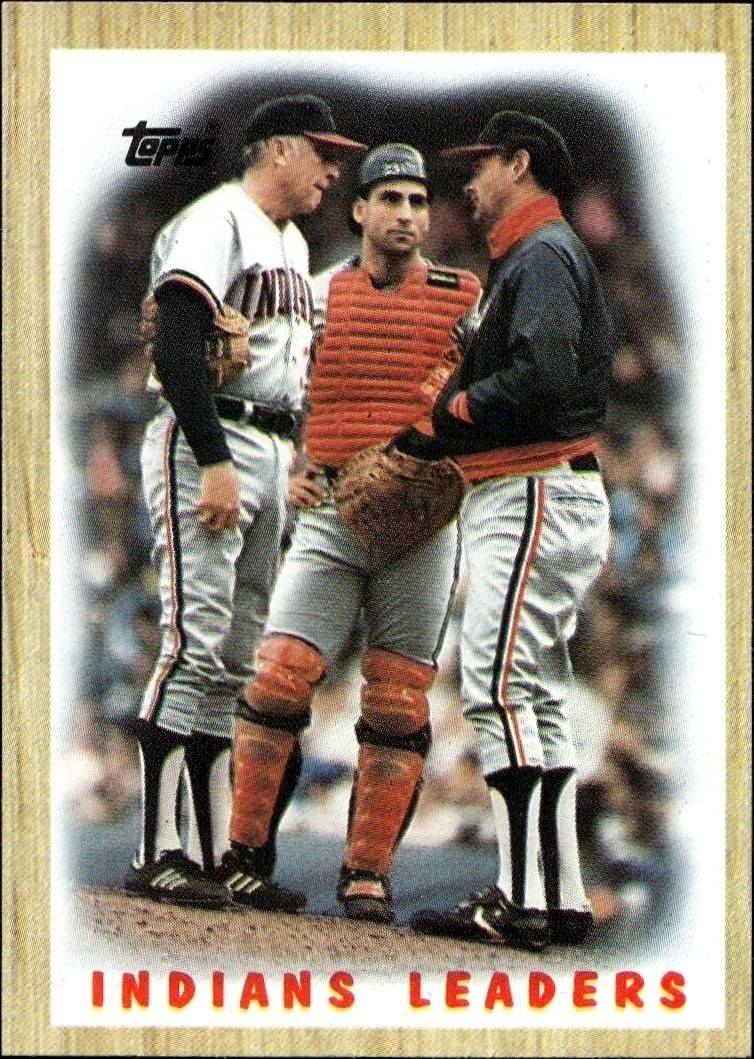


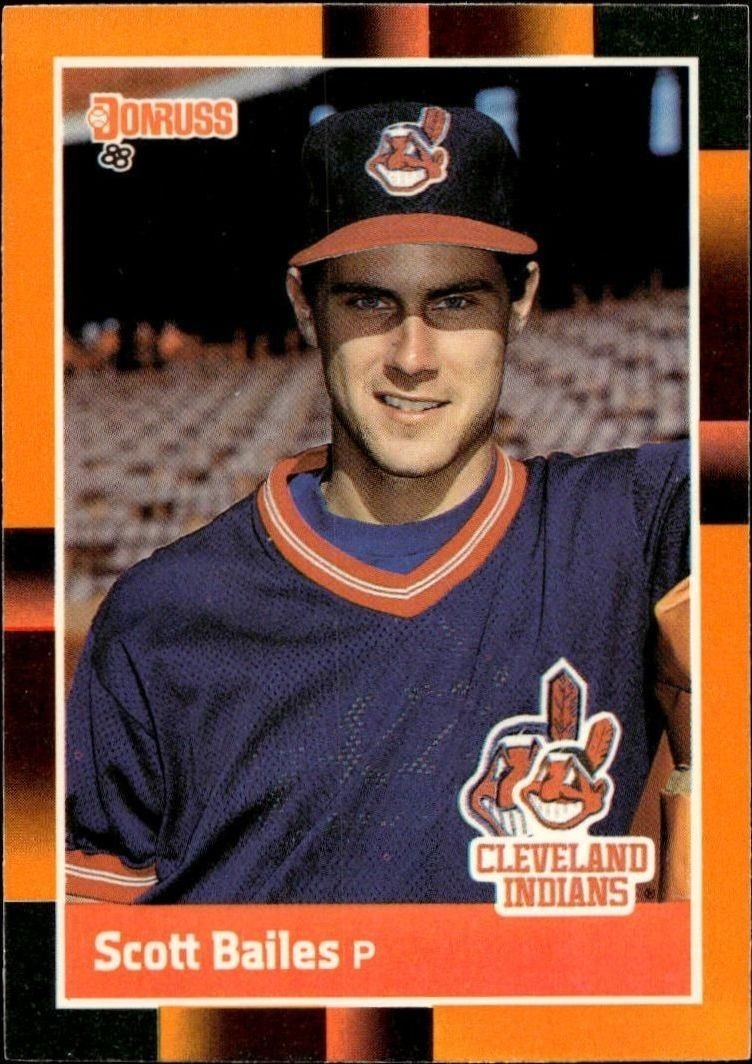
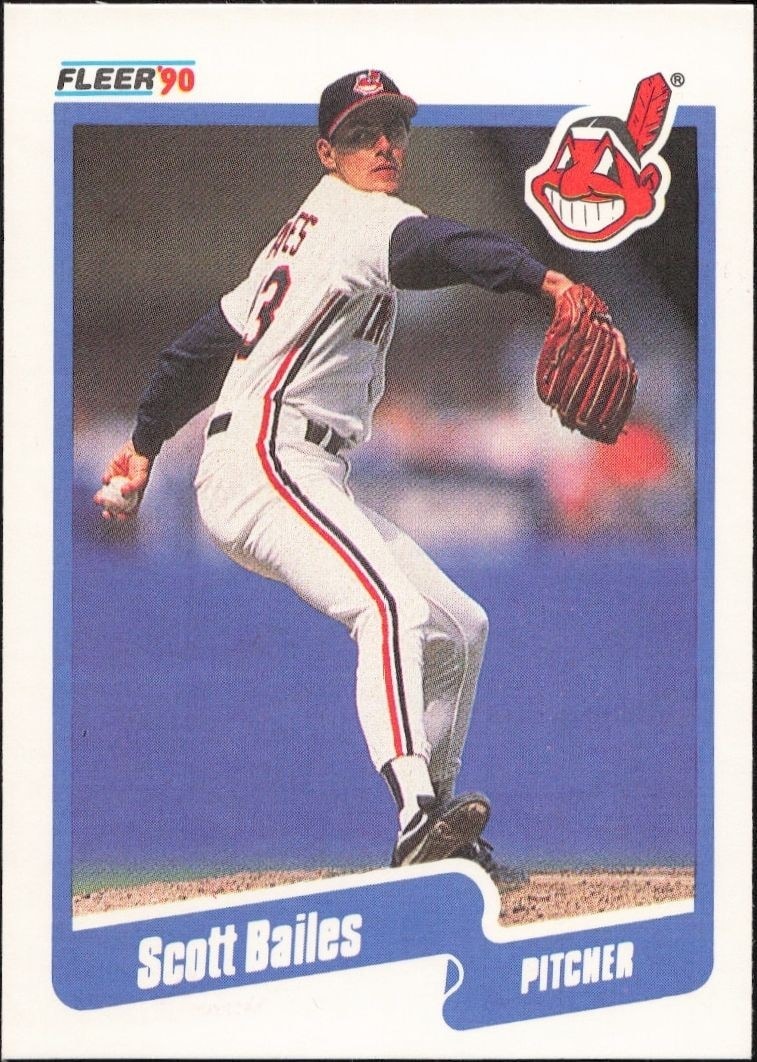
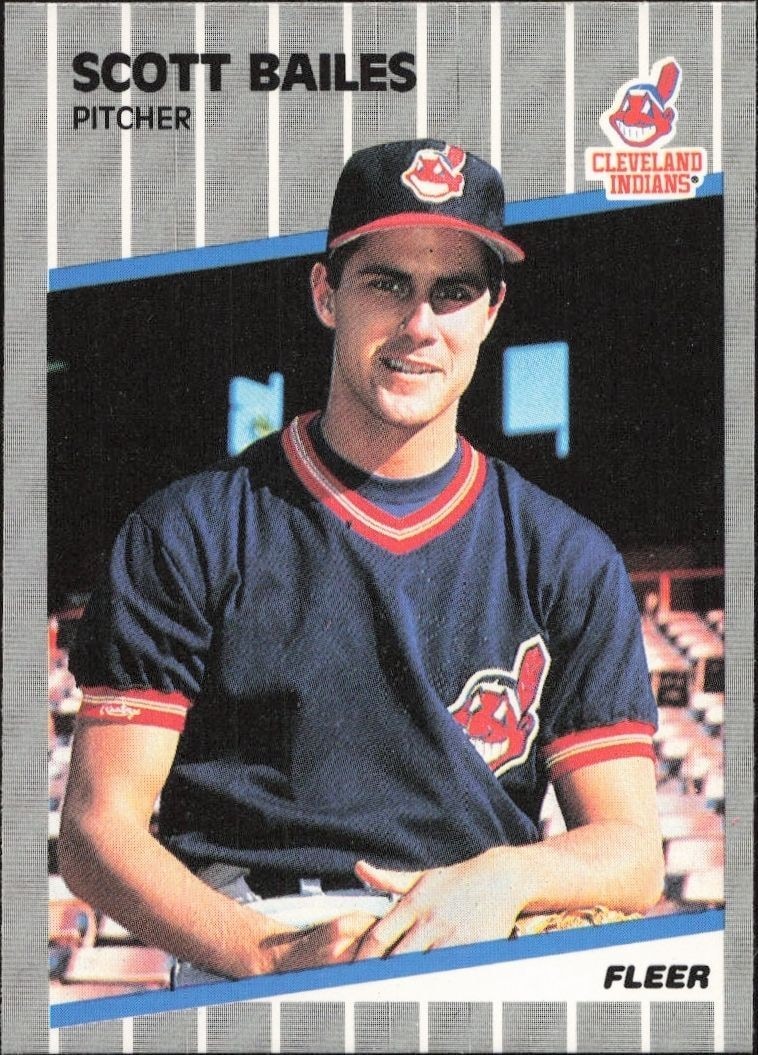
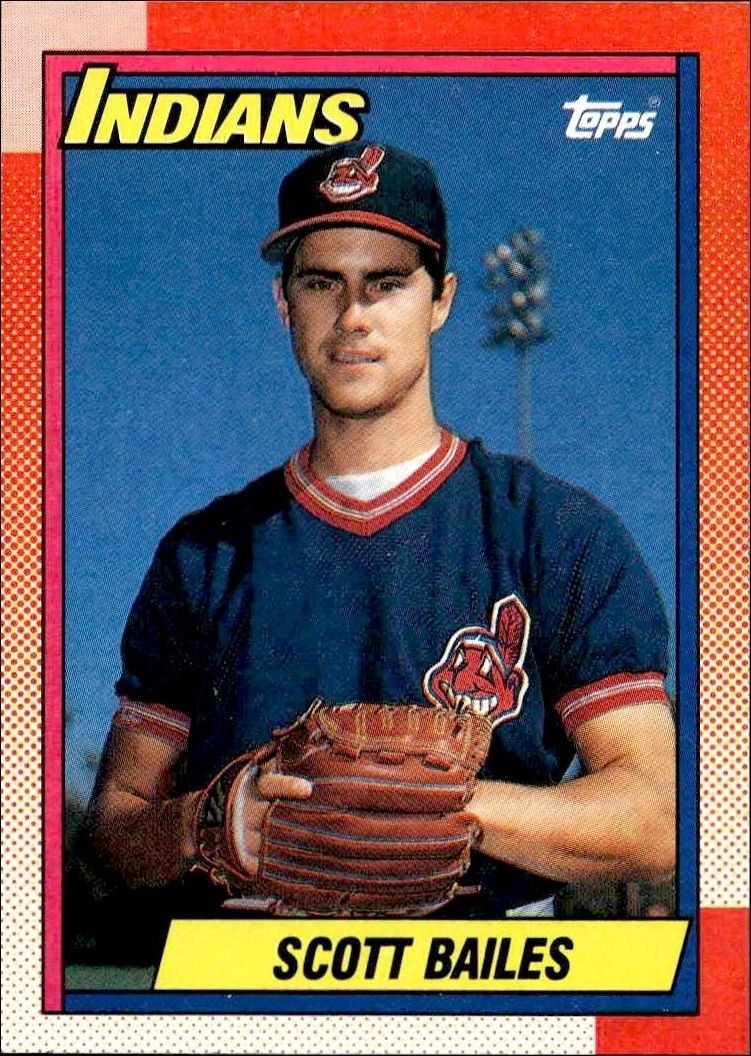
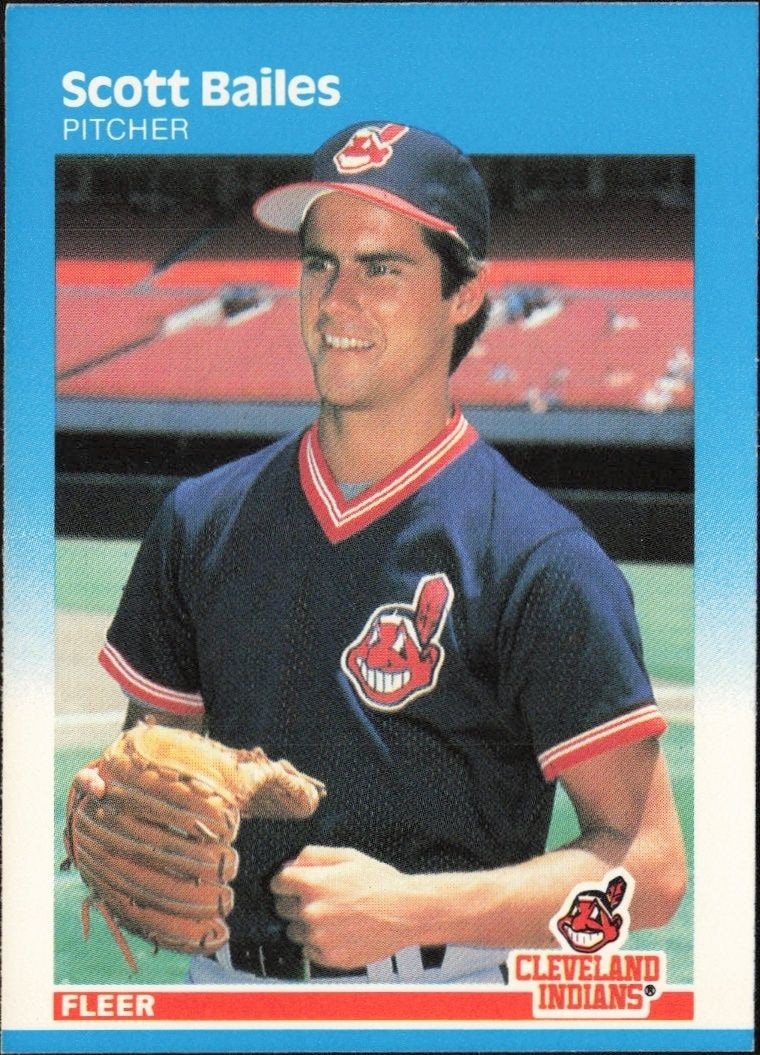
The 1987 Topps Scott Bailes #585 baseball card captures the Cleveland Indians player during the late 1980s MLB era. A staple of vintage Topps releases.
1987 • Topps
Major League Baseball • Cleveland Indians
Excellent
585
New
Shipping Calculated at Checkout
Arrives in 4-6 daysEstimated delivery October 24, 2026 - October 26, 2026
30-day Returns| Condition | Value | Source | Trend | Price Details |
|---|---|---|---|---|
$1.33 | Guide Estimate | |||
$4.80 | Guide Estimate | |||
Raw / Ungraded
PriceCharting Price Guide · Guide Estimate evidence · captured Oct 10, 2026
History is building. At least two days of matching observations are needed to show a trend.
Each point is the last stored observation that day for this printing, condition, grader, autograph status and source. Gaps mean no observation; guide estimates and asking prices are not completed sales.Scott Bailes #585 from the 1987 Topps baseball card set represents a definitive piece of 1980s Major League Baseball history. As a member of the Cleveland Indians, Bailes appears on one of the most recognizable and widely distributed sports cards ever produced. The 1987 Topps release remains a cornerstone for collectors seeking to build comprehensive vintage bases, offering a consistent design language that defined the era. Collecting 1987 Topps is often a gateway into vintage baseball card collecting. Bailes, who served as a relief pitcher, is featured in his Indians uniform, providing a clear snapshot of the team's roster during this period. For fans of Cleveland baseball or those tracking the careers of 1980s relief arms, this card serves as a tangible connection to that time. The enduring appeal of the 1987 Topps set lies in its ubiquity and nostalgic value. While mass-produced, finding copies in high-grade condition can be a rewarding challenge for those focused on preservation. Whether you are looking to complete a base set, acquire a specific player card for a theme collection, or simply add a piece of MLB heritage to your shelf, the 1987 Topps Scott Bailes #585 offers a reliable and historically grounded addition. It stands as a testament to the golden age of cardboard collecting, bridging the gap between modern hobby practices and the simpler, photo-centric designs of the past. For collectors interested in the broader context of 1980s baseball, this card fits seamlessly into the narrative of the decade's sports memorabilia. It reflects the marketing and visual styles that made Topps the dominant force in the trading card industry. Adding this card to your collection supports the preservation of baseball history and connects you with a global community of enthusiasts who value the tangible artifacts of the game.
7 hours ago
We'll pre-fill the product details from this catalog entry, so your listing lands on this exact page. Just add photos of your copy, pick its condition, and set your price.
The catalog profile below summarizes the card identity, featured subject, and notable collectible traits.
The subject, team, league, and sport context tied to this card.
Production details and format-specific attributes.
Material
Card Stock
Language
English
Compare prices, grades, photos, and shipping from approved sellers.
New
Excellent
See how many public collections currently include this card.
0 collectors have this card
This card represents an entry-level tier within Scott Bailes' market, trading at a modest price point typical for standard base issues of this era. While it lacks the premium associated with graded examples or special parallels, it remains accessible for collectors focusing on Cleveland Indians history. The current market reflects its status as a common base card rather than a high-demand investment piece.
As a standard base card from the 1987 Topps set, this item does not possess inherent scarcity mechanics such as serial numbering, short-print status, or unique variations. Its supply is determined solely by the original print run of the base set, making it one of the most widely distributed cards for this player. Consequently, it lacks the limited supply drivers that typically elevate value in the secondary market.
The investment potential is limited due to the absence of rookie status or special parallel attributes that usually drive collector demand. While it serves as a viable component for completing a base set or a team-specific collection, it is unlikely to appreciate significantly over time. Collectors should view this primarily as a historical artifact rather than a vehicle for capital growth.