




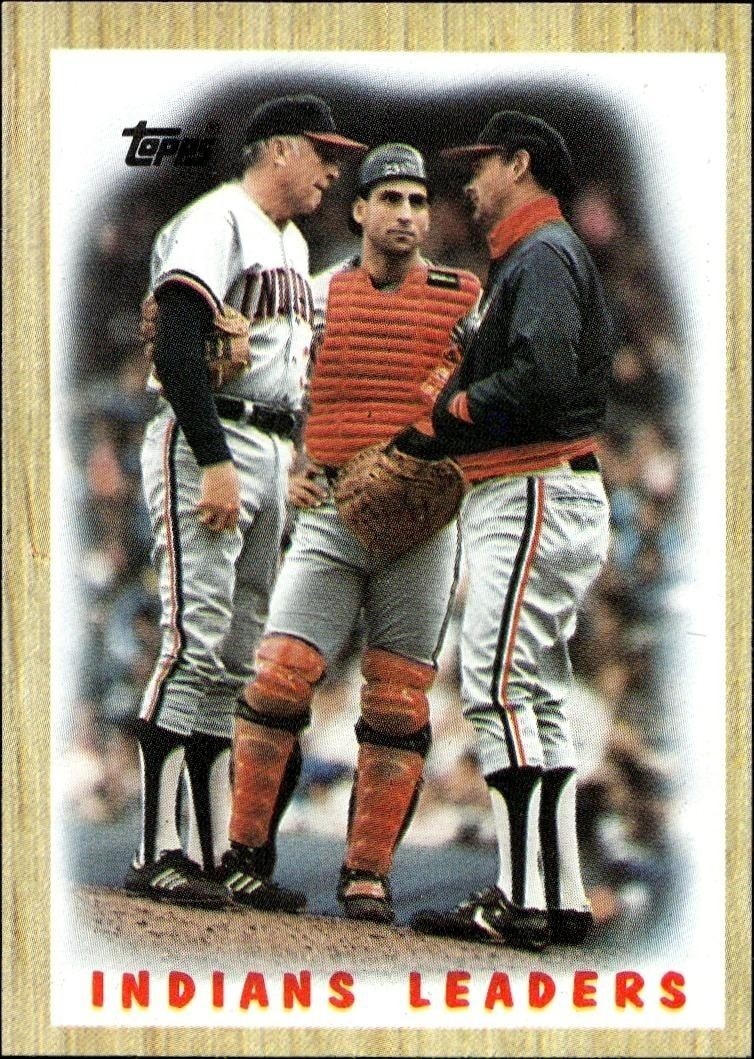


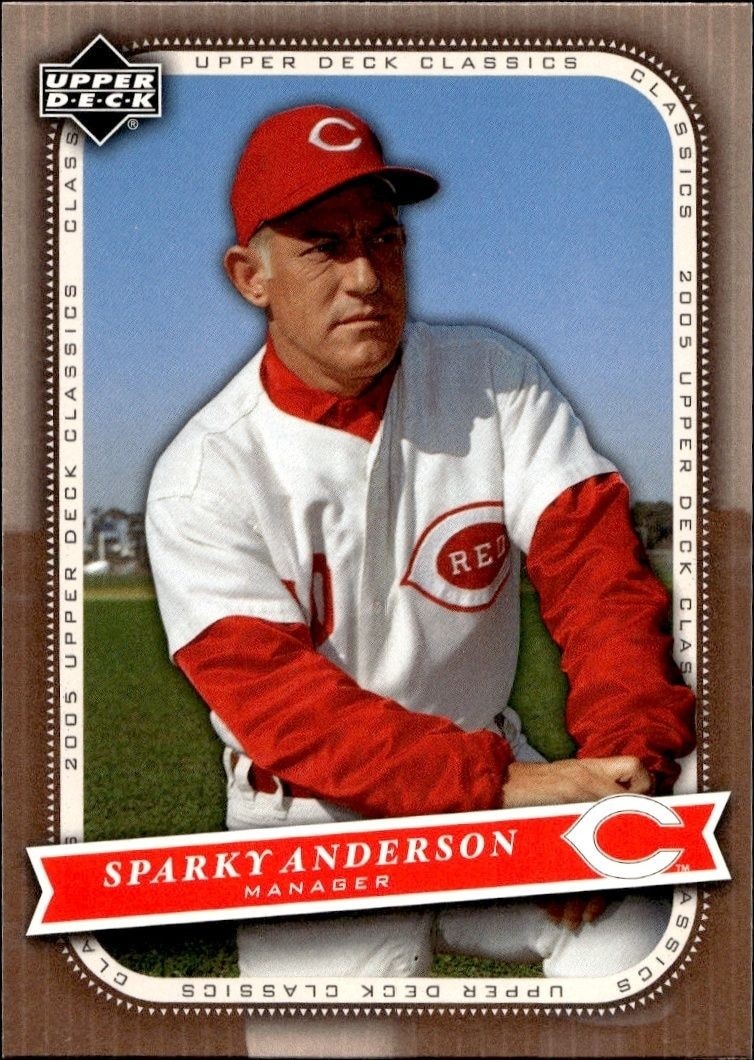
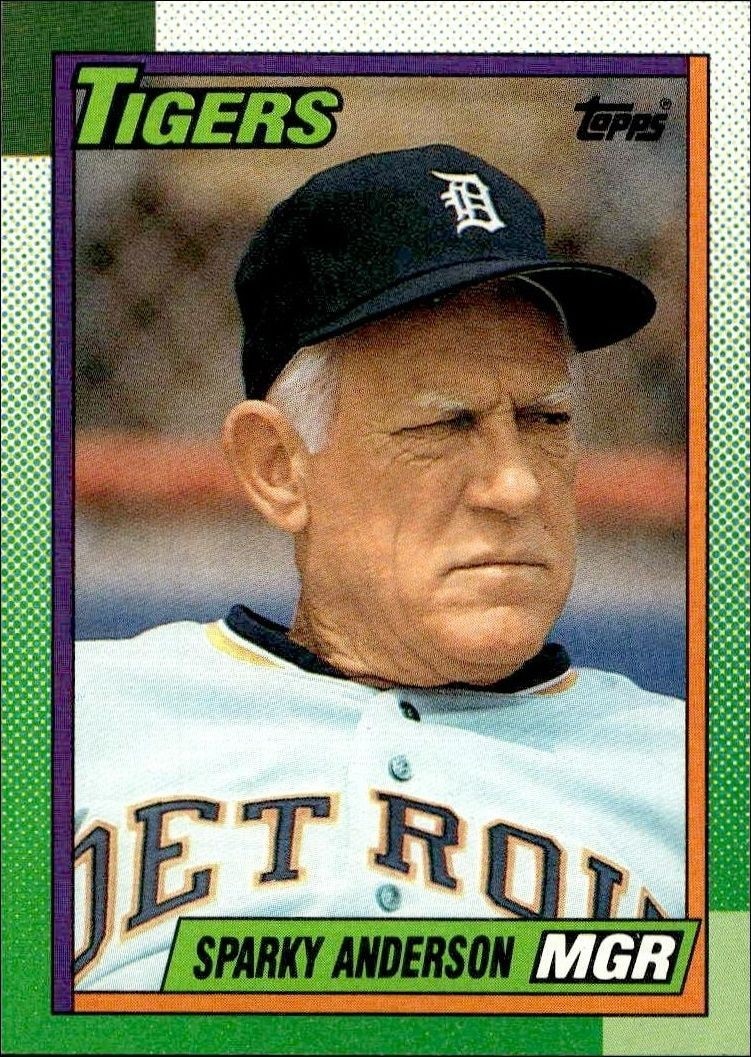

This 1987 Topps release features Sparky Anderson as card number 218, capturing the Detroit Tigers manager during a defining era of his career.
1987 • Topps
Major League Baseball • Detroit Tigers
Excellent
218
New
Shipping Calculated at Checkout
Arrives in 5-7 daysEstimated delivery October 23, 2026 - October 25, 2026
Seller returns October 19, 2026.30-day Returns| Condition | Value | Source | Trend | Price Details |
|---|---|---|---|---|
$1.79 | Guide Estimate | 0% | ||
$1.14As of 9/19/2026 | Completed Sales | |||
$8.99 | Guide Estimate | 0% | ||
$11.74 | Guide Estimate | +0.3% | ||
$17.99 | Guide Estimate | +16.1% | ||
$34.00 | Guide Estimate | 0% | ||
$45.00 | Guide Estimate | 0% | ||
$21.00 | Guide Estimate | 0% | ||
$34.99 | Guide Estimate | +0.6% | ||
$21.00 | Guide Estimate | 0% | ||
Raw / Ungraded
PriceCharting Price Guide · Guide Estimate evidence · captured Oct 11, 2026
The 1987 Topps baseball card series remains a cornerstone for collectors seeking to capture the landscape of the sport during that specific year. Card number 218 highlights Sparky Anderson, offering a distinct perspective by focusing on his role with the Detroit Tigers rather than just a player's statistics. This approach provides a unique entry point for those building comprehensive collections that value managerial history alongside player achievements. For enthusiasts of the Detroit Tigers, this card serves as a tangible link to the franchise's leadership during a pivotal time. Collectors often seek out this card to fill gaps in their personal archives, ensuring their set reflects the full scope of the team's roster and staff. Sparky Anderson's presence on this card underscores his significant impact on the game, even for those who are more focused on the managerial aspect of the sport. The 1987 Topps release provides a standardized format that allows for easy identification and comparison, which is essential for cataloging and tracking inventory over time. Whether you are a long-time fan of the Detroit Tigers or a dedicated collector of Topps products, adding card number 218 to your collection adds depth to your understanding of the era. The goal is to provide access to high-quality items that respect the integrity of the hobby. By focusing on the factual identity of the card, collectors can make informed decisions about their purchases without the noise of speculation. This 1987 Topps Sparky Anderson card is a staple for anyone looking to round out their collection with a piece of authentic sports heritage.
11 hours ago
We'll pre-fill the product details from this catalog entry, so your listing lands on this exact page. Just add photos of your copy, pick its condition, and set your price.
The catalog profile below summarizes the card identity, featured subject, and notable collectible traits.
The subject, team, league, and sport context tied to this card.
Production details and format-specific attributes.
Material
Card Stock
Language
English
Compare prices, grades, photos, and shipping from approved sellers.
New
Excellent
See how many public collections currently include this card.
0 collectors have this card
This 1987 Topps Sparky Anderson card sits in a modest entry-level price tier, reflecting its status as a standard base card rather than a premium insert. While Anderson is a significant figure in baseball history, the lack of special attributes keeps this specific issue below the market value of his more sought-after rookie or vintage highlights. The current listing activity suggests a stable but low-volume market for this particular item.
As a standard base card from the 1987 Topps set, this item carries no inherent scarcity mechanics such as serial numbering, short-printing, or parallel variations. Its supply is effectively unlimited relative to collector demand, as it was produced as part of a mass-market checklist. Consequently, it does not benefit from the supply constraints that typically drive premiums in the hobby.
The investment potential for this card is limited by its position as a common base issue without rookie-card status or unique features. Demand is likely driven primarily by casual collectors or those completing specific team sets rather than serious investors seeking appreciation. While it offers an accessible entry point for building a Tigers or manager collection, it lacks the scarcity drivers necessary for significant long-term value growth.