


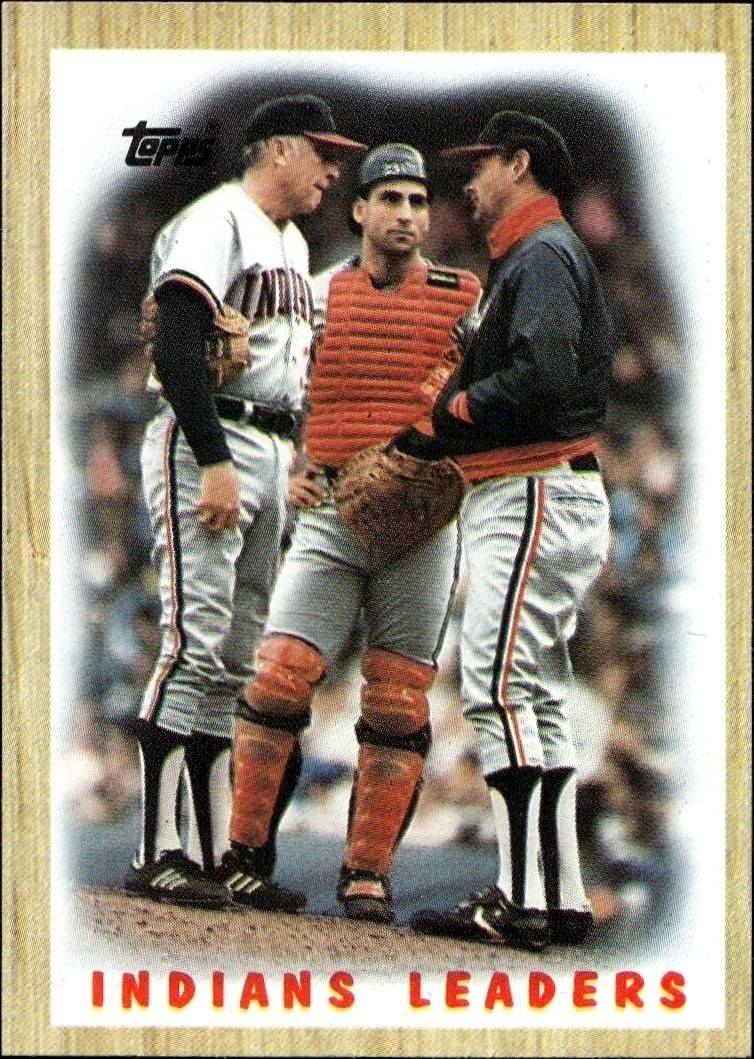


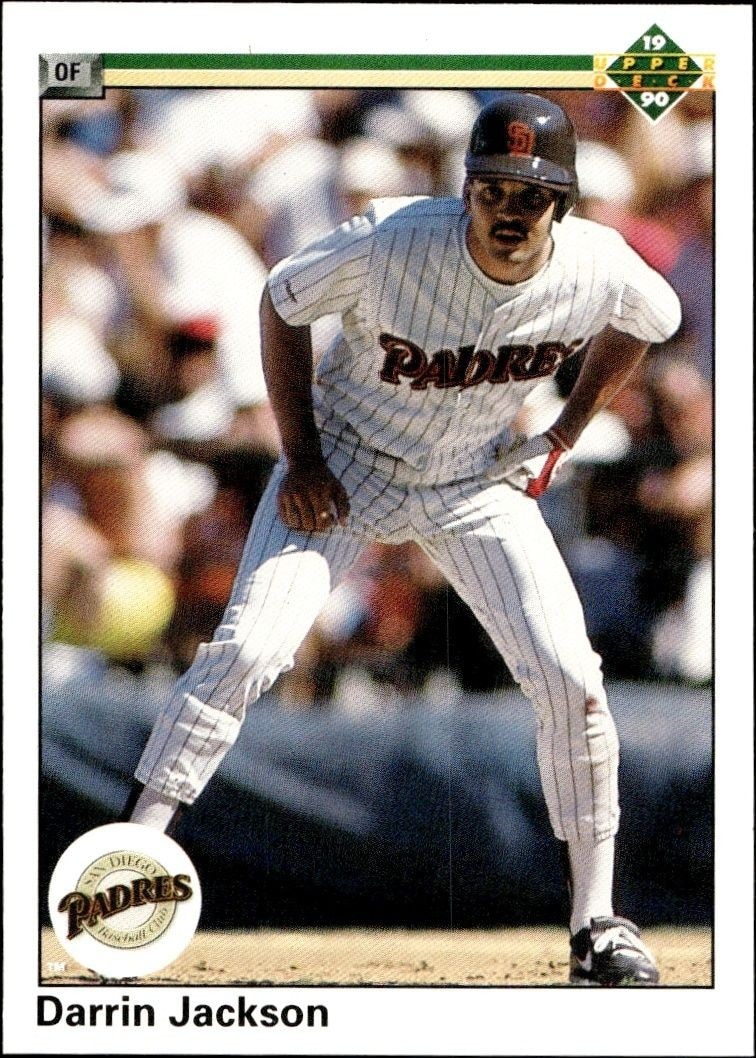
The 1987 Topps #429 baseball card features San Diego Padres player Tim Pyznarski, offering a tangible piece of 1980s MLB history.
1987 • Topps
Major League Baseball • San Diego Padres
Excellent
429
New
Shipping Calculated at Checkout
Arrives in 4-6 daysEstimated delivery October 24, 2026 - October 26, 2026
30-day Returns| Condition | Value | Source | Trend | Price Details |
|---|---|---|---|---|
$1.27 | Guide Estimate | -2.3% | ||
$0.99As of 9/21/2026 | Completed Sales | |||
$6.25 | Guide Estimate | 0% | ||
$7.50 | Guide Estimate | 0% | ||
$11.31 | Guide Estimate | +0.1% | ||
$12.00 | Guide Estimate | 0% | ||
$78.00 | Guide Estimate | 0% | ||
$36.00 | Guide Estimate | 0% | ||
$60.24 | Guide Estimate | 0% | ||
$36.00 | Guide Estimate | 0% | ||
Raw / Ungraded
PriceCharting Price Guide · Guide Estimate evidence · captured Oct 15, 2026
The 1987 Topps #429 baseball card features San Diego Padres player Tim Pyznarski, offering a tangible piece of 1980s MLB history. Released during a pivotal era for the sport, this card captures a moment in the career of a player associated with one of the league's most recognizable franchises. For collectors focused on the 1987 set, this card represents an essential component for those looking to complete their collection of vintage sports memorabilia. Topps has long been the dominant force in baseball card production, and the 1987 release remains a staple for enthusiasts of the era. The card design reflects the aesthetic standards of the time, providing a clean and straightforward presentation of the player. Tim Pyznarski's inclusion in this card number makes it a target for specialized collectors who track individual player cards within the broader set. Whether you are building a comprehensive archive of San Diego Padres history or focusing on high-quality examples from the late 1980s, this card offers significant appeal. The enduring popularity of the 1987 Topps series ensures that cards like #429 remain relevant in the secondary market. Collectors appreciate the nostalgia and historical context that these vintage cards provide, making them a valuable addition to any hobby collection. By offering access to a wide range of vintage and modern collectibles, the platform supports collectors at every level. From casual hobbyists to serious investors, buyers can explore the 1987 Topps Tim Pyznarski card with confidence, knowing that the marketplace is dedicated to authenticity and quality in the trading card industry.
13 hours ago
We'll pre-fill the product details from this catalog entry, so your listing lands on this exact page. Just add photos of your copy, pick its condition, and set your price.
The catalog profile below summarizes the card identity, featured subject, and notable collectible traits.
The subject, team, league, and sport context tied to this card.
Production details and format-specific attributes.
Material
Card Stock
Language
English
Compare prices, grades, photos, and shipping from approved sellers.
New
Excellent
See how many public collections currently include this card.
0 collectors have this card
This 1987 Topps Tim Pyznarski card represents a modest entry point within the broader vintage baseball market, trading at a level accessible to casual collectors or those targeting specific team sets. While it lacks the significant price premiums seen in star athlete cards, its value is anchored by its status as a genuine product from a classic era of baseball card production. The current listing activity suggests a stable, albeit low-volume, market presence for this particular issue.
As a standard base card from the 1987 Topps set, this item does not carry inherent scarcity mechanics such as serial numbering, short-print status, or parallel variations. Its supply is determined by the original mass-production run typical of mainstream trading card brands from that period, meaning it remains widely available relative to specialized insert cards. Consequently, the card relies on condition rather than rarity-driven scarcity for any potential value appreciation.
The investment potential for this card is limited by its position as a non-rookie, non-star base card from a high-print-run set. Collector demand is likely driven by the desire to complete San Diego Padres team sets or fill gaps in general 1980s baseball collections rather than speculative growth. Long-term value retention will depend heavily on maintaining high grade quality, as raw copies of common base cards typically see minimal market movement.