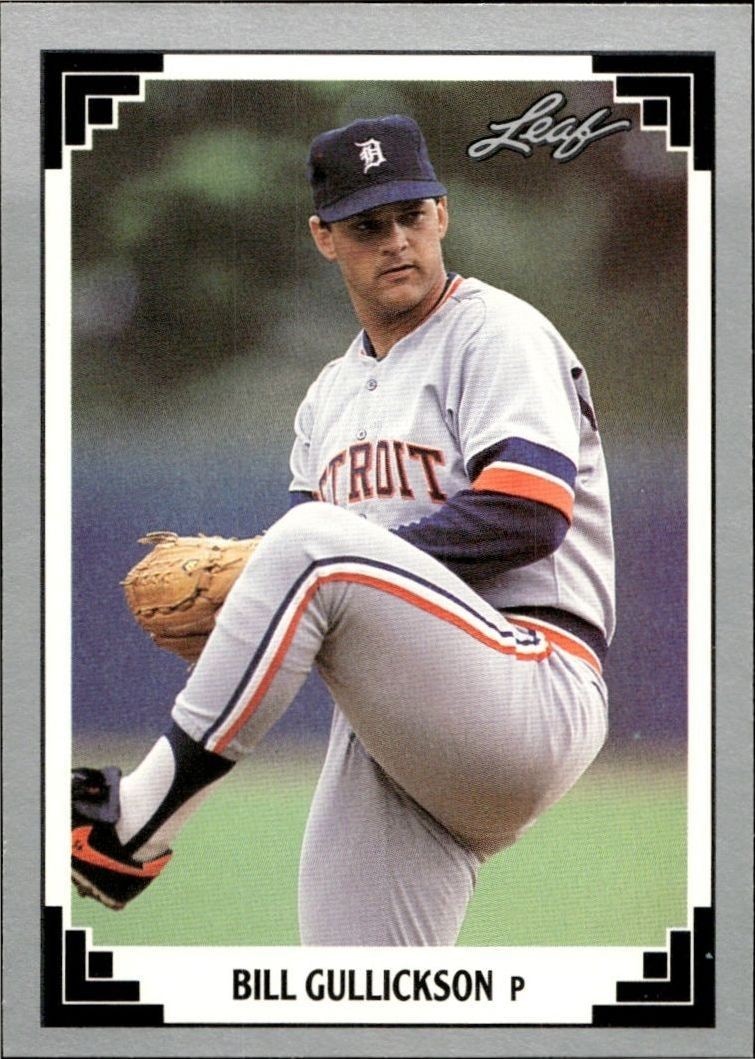





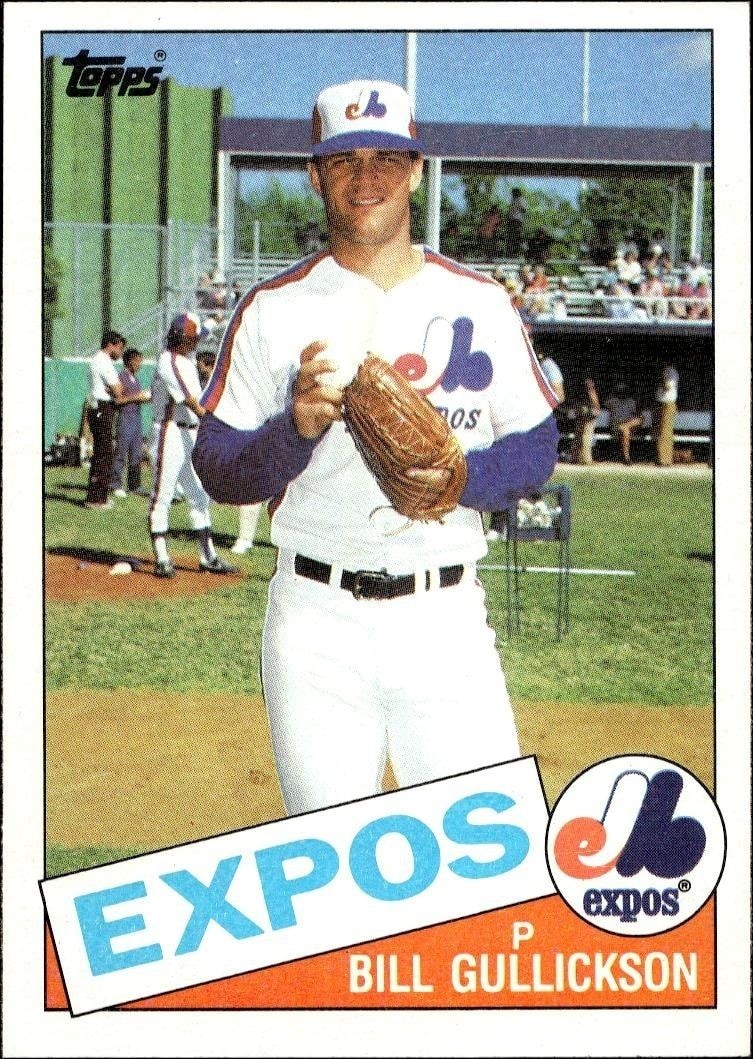

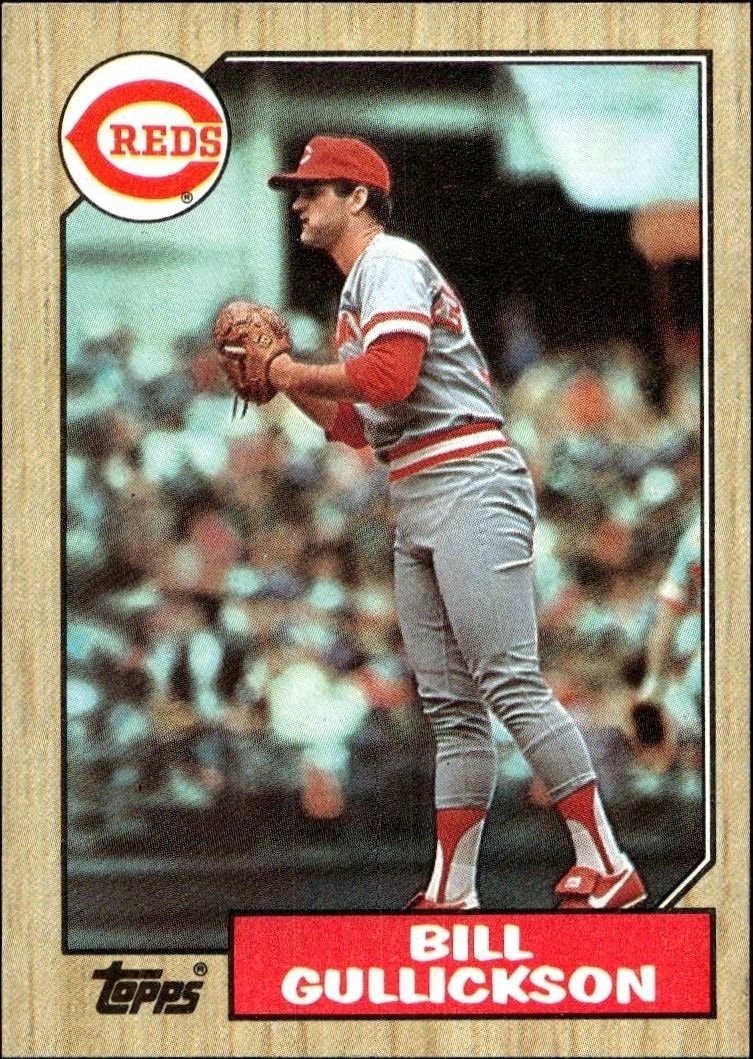
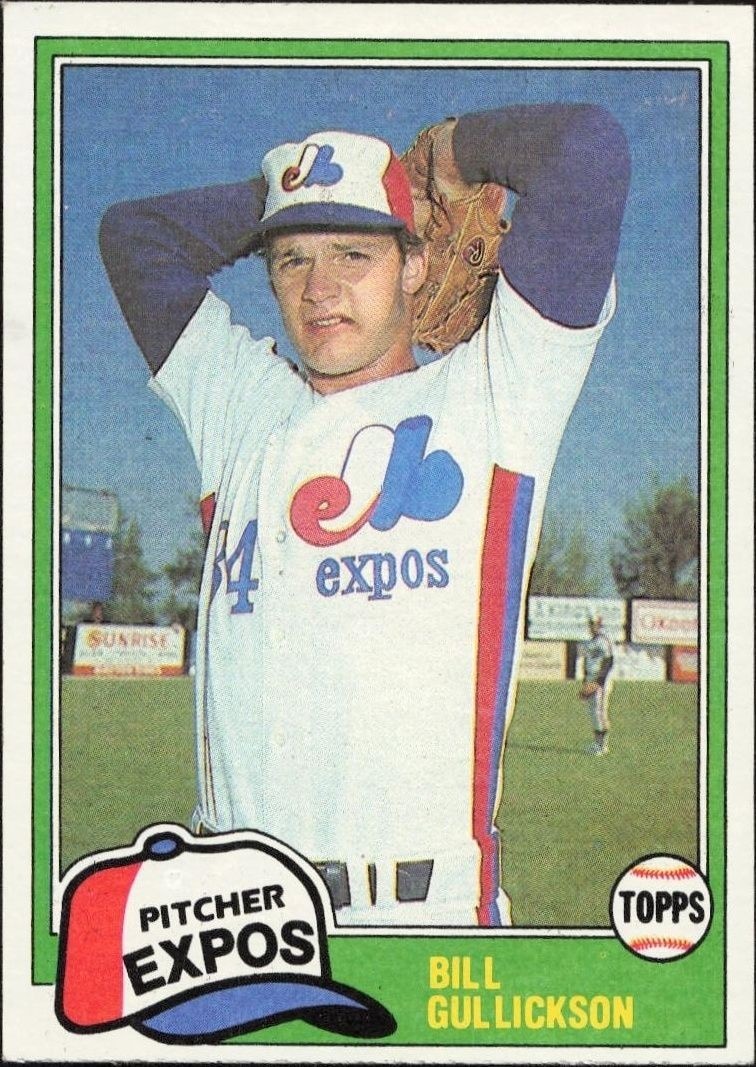
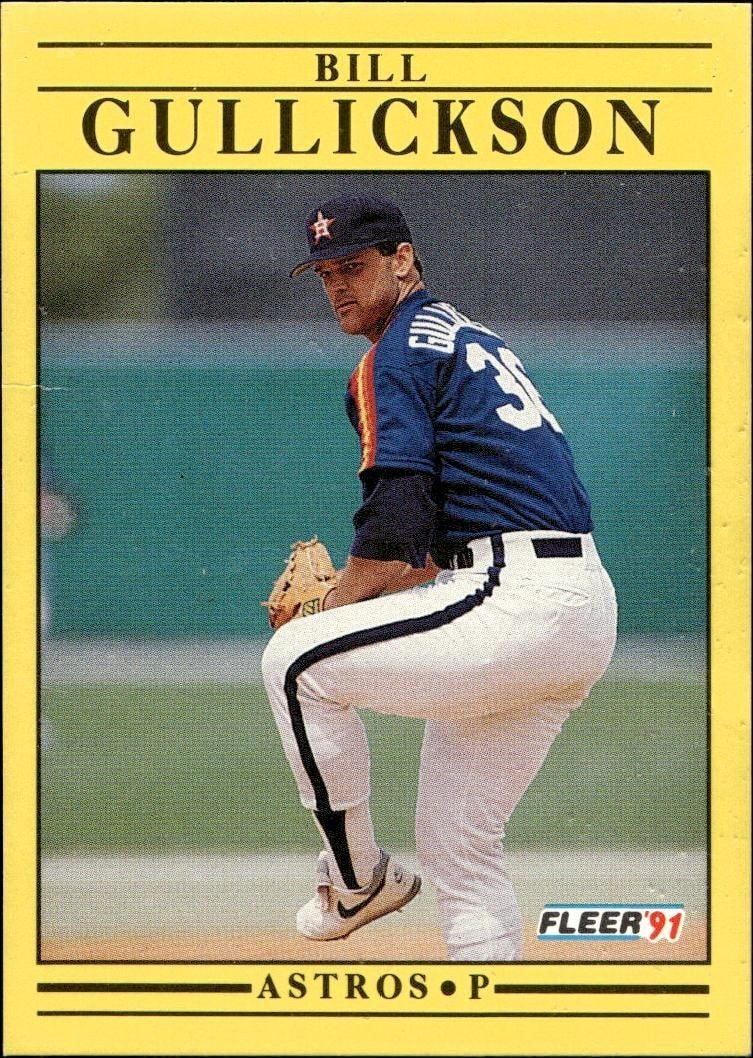
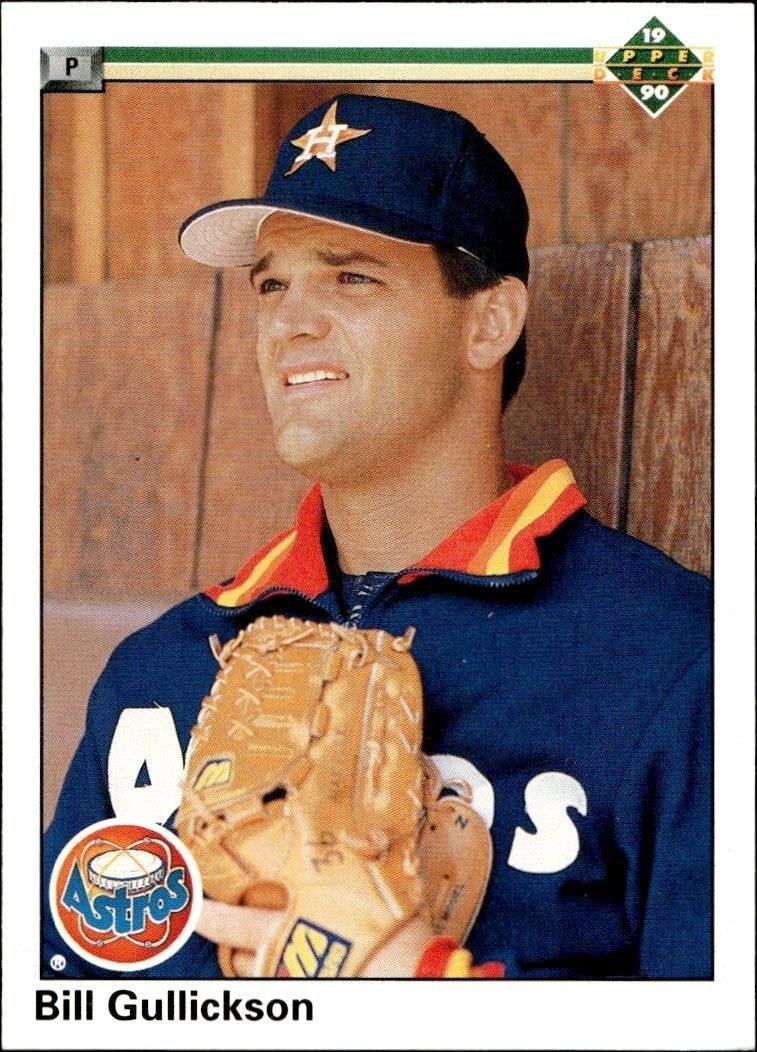
Bill Gullickson 1988 Fleer #208 is a classic New York Yankees baseball card featuring the pitcher in the distinctive 1988 Fleer design.
1988 • Fleer
Major League Baseball • New York Yankees
Excellent
208
New
Shipping Calculated at Checkout
Arrives in 4-6 daysEstimated delivery October 30, 2026 - November 1, 2026
30-day Returns| Condition | Value | Source | Trend | Price Details |
|---|---|---|---|---|
$1.12 | Guide Estimate | |||
Raw / Ungraded
PriceCharting Price Guide · Guide Estimate evidence · captured Oct 14, 2026
History is building. At least two days of matching observations are needed to show a trend.
Each point is the last stored observation that day for this printing, condition, grader, autograph status and source. Gaps mean no observation; guide estimates and asking prices are not completed sales.The 1988 Fleer Bill Gullickson #208 baseball card captures a specific moment in Major League Baseball history, featuring the pitcher during his tenure with the New York Yankees. The design features Gullickson against a clean background, typical of the era's shift toward clearer player identification and contemporary aesthetics. Collectors often seek out 1988 Fleer releases to complete base sets or to build specialized collections around New York Yankees players from the era. As a numbered entry in the 792-card base set, card #208 holds a distinct place in the sequence, offering a straightforward yet visually appealing addition to any collection. The card serves as a tangible link to Gullickson’s performance on the mound and his time in the Bronx, making it a relevant piece for fans of the team and the player. For investors and hobbyists, the 1988 Fleer series represents a pivotal year in trading card production, bridging the gap between the vintage era and the modern boom of the 1990s. While condition varies across individual copies, the set’s overall popularity ensures that cards like this one remain a staple for those assembling complete runs. Whether you are a long-time collector of Yankees memorabilia or a new enthusiast exploring classic baseball cards, the 1988 Fleer Bill Gullickson #208 offers a solid foundation for your collection. By focusing on catalog-level details and collector context, we help you identify exactly what you need to complete your set or expand your portfolio. Explore the broader 1988 Fleer collection to discover other key players and teams from this memorable season.
5 days ago
We'll pre-fill the product details from this catalog entry, so your listing lands on this exact page. Just add photos of your copy, pick its condition, and set your price.
The catalog profile below summarizes the card identity, featured subject, and notable collectible traits.
The subject, team, league, and sport context tied to this card.
Production details and format-specific attributes.
Material
Card Stock
Language
English
Compare prices, grades, photos, and shipping from approved sellers.
New
Excellent
See how many public collections currently include this card.
0 collectors have this card
This 1988 Fleer card sits at the very bottom tier of the baseball card market, reflecting its status as a common base card from a mass-produced set. With minimal collector demand and no special attributes to drive value, it trades well below the price points of premium parallels or insert cards from the same era. The card's value is anchored by its role as a basic entry point for Yankees collectors rather than a standalone investment piece.
The card lacks any scarcity mechanics such as serial numbering, short-print designations, or parallel finishes, making it a standard base issue. This absence of limited supply features means the card exists in high circulation, diluting any potential rarity premium. Collectors seeking exclusivity will find no unique attributes in this item to justify a higher tier of scarcity.
As a non-rookie card from a generic base set, this item offers negligible appreciation potential compared to rookie cards or vintage key issues. The broad availability of similar listings suggests a saturated market with weak demand drivers. Investors should view this primarily as a filler item for basic set completion rather than a vehicle for capital growth.