

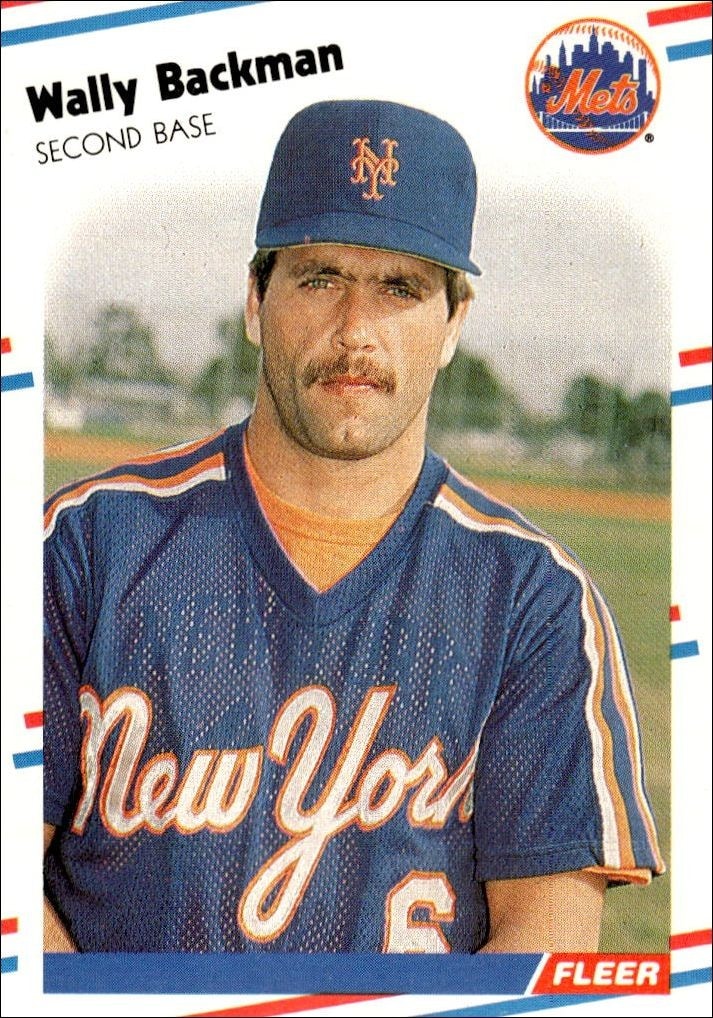

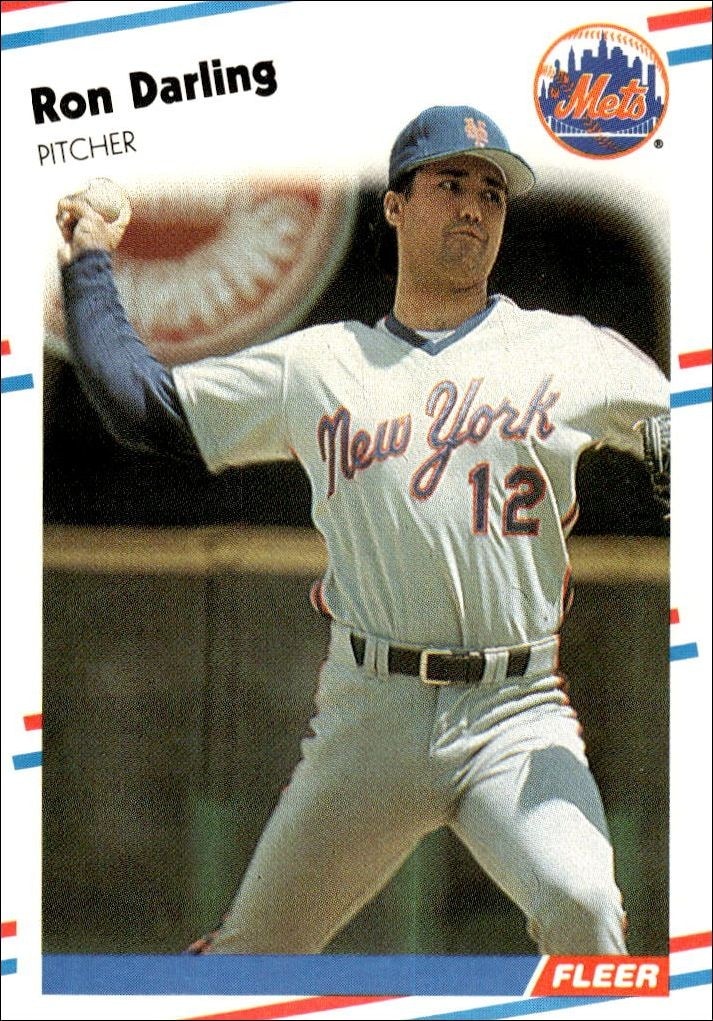

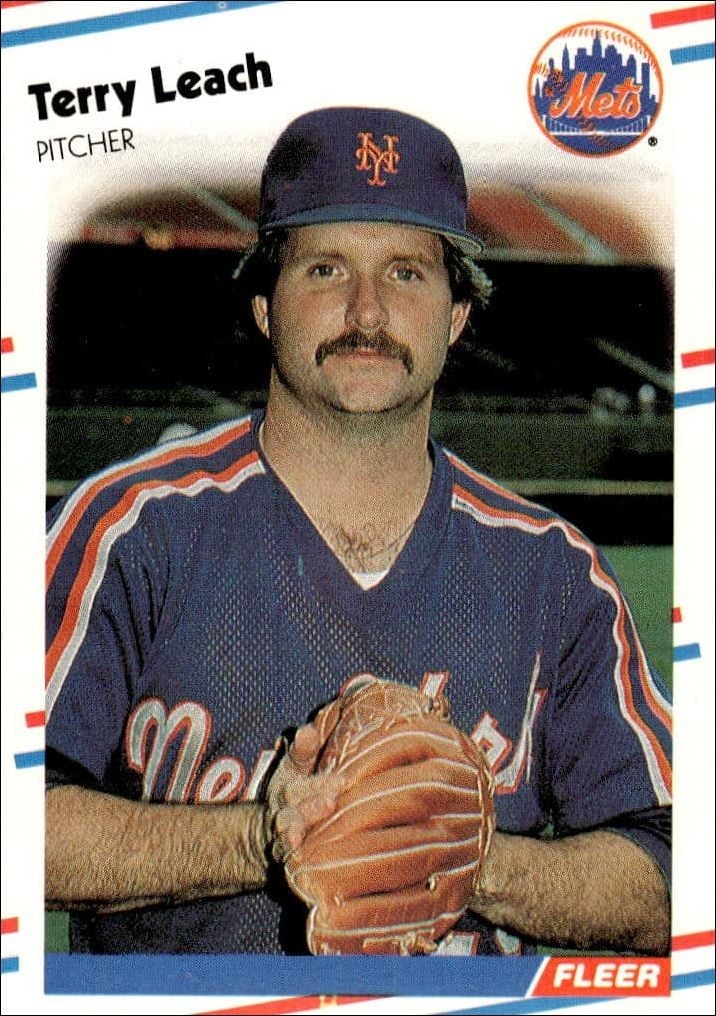


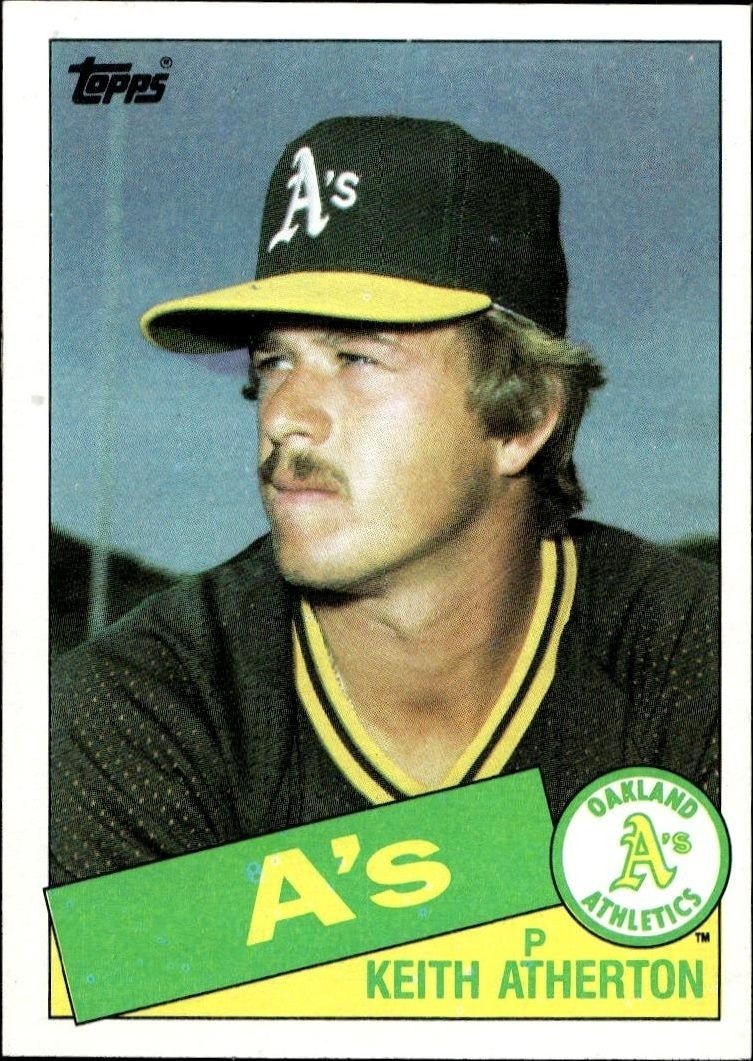
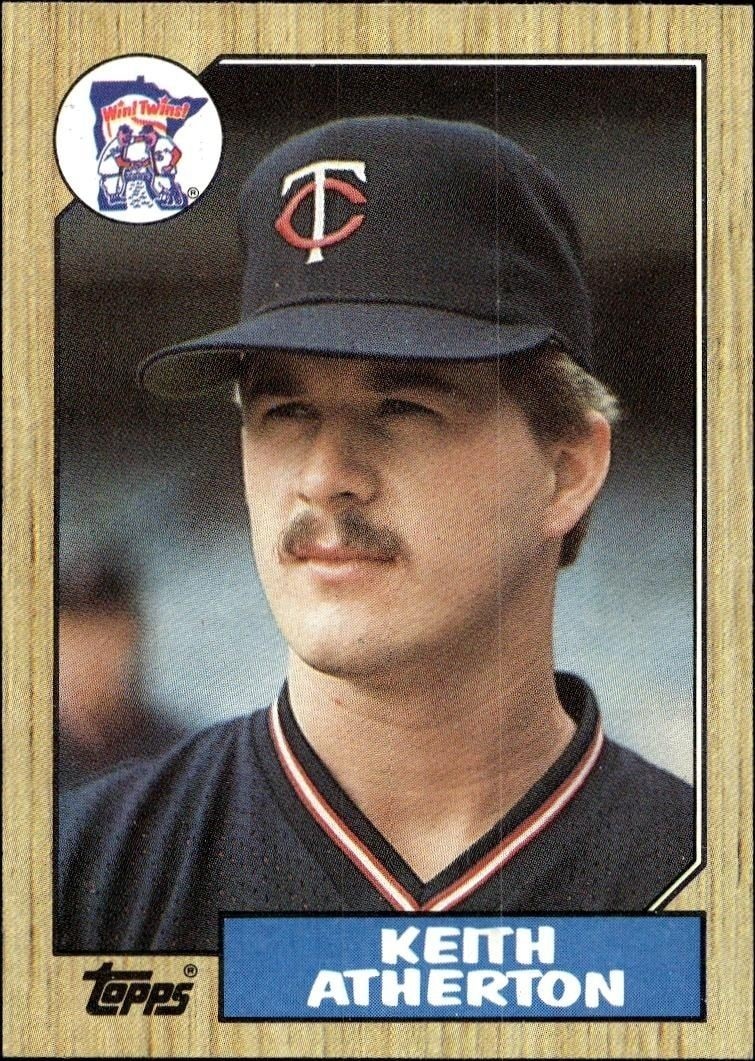
Explore the 1988 Fleer Keith Atherton #1 baseball card, featuring Minnesota Twins player Keith Atherton in this vintage sports card release.
1988 • Fleer
Major League Baseball • Minnesota Twins
Excellent
1
New
Shipping Calculated at Checkout
Arrives in 4-6 daysEstimated delivery October 30, 2026 - November 1, 2026
30-day Returns| Condition | Value | Source | Trend | Price Details |
|---|---|---|---|---|
$1.12 | Guide Estimate | |||
Raw / Ungraded
PriceCharting Price Guide · Guide Estimate evidence · captured Oct 15, 2026
History is building. At least two days of matching observations are needed to show a trend.
Each point is the last stored observation that day for this printing, condition, grader, autograph status and source. Gaps mean no observation; guide estimates and asking prices are not completed sales.The 1988 Fleer Keith Atherton #1 baseball card marks a significant entry for collectors of vintage Minnesota Twins memorabilia. As card number one in the 1988 Fleer baseball set, this release holds a unique position in the history of the brand's return to the trading card market. For many enthusiasts, the #1 slot in any annual set carries inherent weight, representing the start of a year's worth of baseball history. Keith Atherton appeared as a utility player for the Twins during this era. Collectors often seek out specific rosters from the late 1980s to complete historical snapshots of the team. While Atherton may not be the most frequently pursued name in the hobby, this card serves as an essential piece for those building comprehensive sets of the 1988 Fleer baseball series. The card provides a tangible connection to the players who suited up for Minnesota during that specific season. For investors and hobbyists alike, vintage Fleer cards from this period are gaining attention for their design aesthetics and historical context. The 1988 release is particularly notable for reviving the Fleer brand after a long hiatus, making early numbers like #1 highly relevant to set builders. Whether you are looking to fill a gap in a Minnesota Twins collection or explore the broader landscape of 1980s baseball, this card offers a straightforward yet meaningful addition to any archive. By focusing on the specific attributes of the 1988 Fleer release, collectors can easily identify and acquire the exact cards they need. The #1 card in any set is often a focal point for completionists, and this Keith Atherton issue fits that role perfectly for fans of the era. Maintaining a diverse collection requires attention to these foundational pieces, and this card stands as a key component for any serious 1988 Fleer assembly.
5 days ago
We'll pre-fill the product details from this catalog entry, so your listing lands on this exact page. Just add photos of your copy, pick its condition, and set your price.
The catalog profile below summarizes the card identity, featured subject, and notable collectible traits.
The subject, team, league, and sport context tied to this card.
Production details and format-specific attributes.
Material
Card Stock
Language
English
Compare prices, grades, photos, and shipping from approved sellers.
New
Excellent
See how many public collections currently include this card.
0 collectors have this card
This 1988 Fleer card of Keith Atherton sits in a lower price tier typical for non-star players from this era, reflecting his status as a minor league or role player rather than a marquee franchise icon. With minimal special attributes, the card trades at a baseline market level, lacking the condition premiums or scarcity boosts that drive higher valuations in the broader set. The current listing availability suggests a stable but low-demand environment for this specific entry.
The card carries no special scarcity mechanics, such as serial numbering, short-print designations, or parallel variations, meaning it is a standard base issue. This lack of distinct attributes implies a relatively abundant supply compared to its numbered or parallel counterparts within the 1988 Fleer set. Consequently, the card relies entirely on standard market forces without the supply constraints that elevate other issues.
As a non-rookie, non-star card from a mass-produced set, the investment potential is limited by the absence of rookie-card premiums or unique collectible drivers. Demand is likely driven only by casual completionists seeking a specific player rather than serious investors looking for appreciation. The stable, low-cost entry point offers minimal upside potential compared to premium parallels or key rookie cards in the same product.