




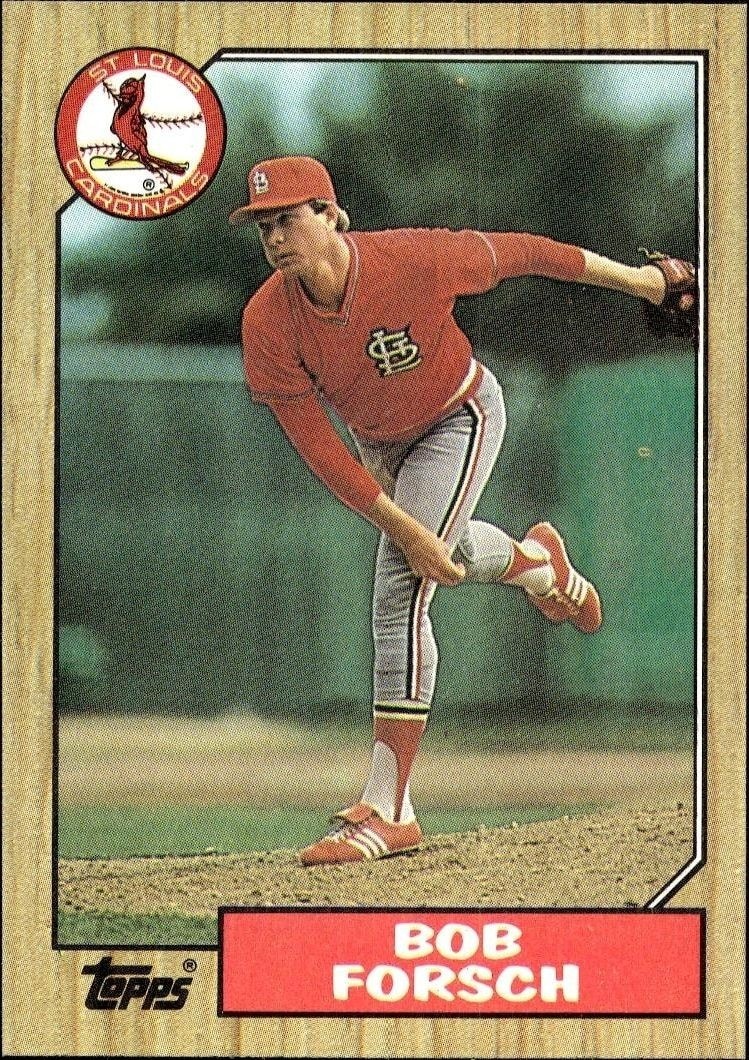
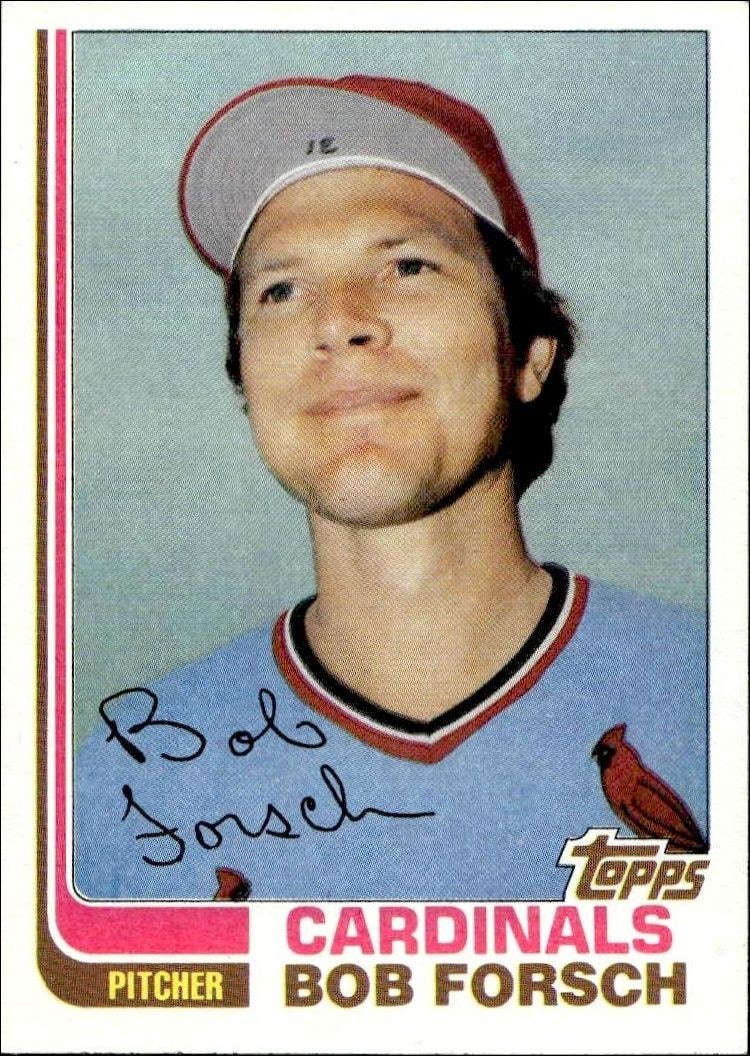

Explore the 1988 Fleer Bob Forsch #33 baseball card, a notable entry from the St. Louis Cardinals roster featured in the classic Fleer series.
1988 • Fleer
Major League Baseball • St. Louis Cardinals
Excellent
33
New
Shipping Calculated at Checkout
Arrives in 5-7 daysEstimated delivery October 29, 2026 - October 31, 2026
30-day Returns| Condition | Value | Source | Trend | Price Details |
|---|---|---|---|---|
$1.55As of 10/4/2026 | Guide Estimate | |||
Raw / Ungraded
PriceCharting Price Guide · Guide Estimate evidence · captured Oct 4, 2026
History is building. At least two days of matching observations are needed to show a trend.
Each point is the last stored observation that day for this printing, condition, grader, autograph status and source. Gaps mean no observation; guide estimates and asking prices are not completed sales.The 1988 Fleer Bob Forsch #33 card stands as a significant piece of baseball history, capturing the pitcher during his tenure with the St. Louis Cardinals. Released by Fleer, this trading card is part of a series that remains highly regarded among collectors for its distinct design and historical context. For those building a collection focused on the Cardinals or the Fleer brand, this card number offers a tangible connection to the team's lineup during that era. Bob Forsch is featured prominently on this card, representing his contributions to the St. Louis Cardinals organization. Collectors often seek out this card to complete their base set or to add a high-quality example of a Cardinals pitcher from the late 1980s to their portfolio. Whether you are a dedicated fan of the St. Louis Cardinals or a broader collector of Fleer memorabilia, the 1988 Fleer Bob Forsch #33 provides a compelling addition to any inventory. The card's enduring appeal lies in its association with a well-known team and a respected manufacturer. As you curate your collection, consider how this card fits into the larger narrative of baseball trading card history, particularly within the Fleer ecosystem. By focusing on the identity and context of cards like the 1988 Fleer Bob Forsch #33, collectors can appreciate the depth and variety available in the market. This card serves as a reminder of the rich heritage of baseball trading cards and the enduring interest in players who have shaped the game.
3 days ago
We'll pre-fill the product details from this catalog entry, so your listing lands on this exact page. Just add photos of your copy, pick its condition, and set your price.
The catalog profile below summarizes the card identity, featured subject, and notable collectible traits.
The subject, team, league, and sport context tied to this card.
Production details and format-specific attributes.
Material
Card Stock
Language
English
Compare prices, grades, photos, and shipping from approved sellers.
New
Excellent
See how many public collections currently include this card.
0 collectors have this card
This 1988 Fleer Bob Forsch card represents a low-tier entry point within the player's broader portfolio, reflecting its status as a standard base issue from a later stage of his career. While it lacks the premium valuation associated with rookie or high-grade specimens, it remains an accessible asset for collectors seeking basic team representation. The current pricing suggests a saturated market where supply significantly outweighs specialized demand for this specific iteration.
As a standard base card without noted parallels, serial numbering, or short-print designations, this item carries no inherent scarcity mechanisms to constrain its supply. The absence of unique attributes means it exists in the largest possible print run within the 1988 Fleer set, making it widely available to the general market. Consequently, its rarity profile is defined by ubiquity rather than exclusivity.
Investment potential is limited by the card's position as a non-rookie, base-set release, which typically lacks the historical premium drivers found in earlier career issues. Collector demand is likely driven primarily by general nostalgia or specific team completions rather than speculative growth. Without unique scarcity factors or rookie status, long-term value appreciation is expected to remain modest relative to more distinctive attributes.