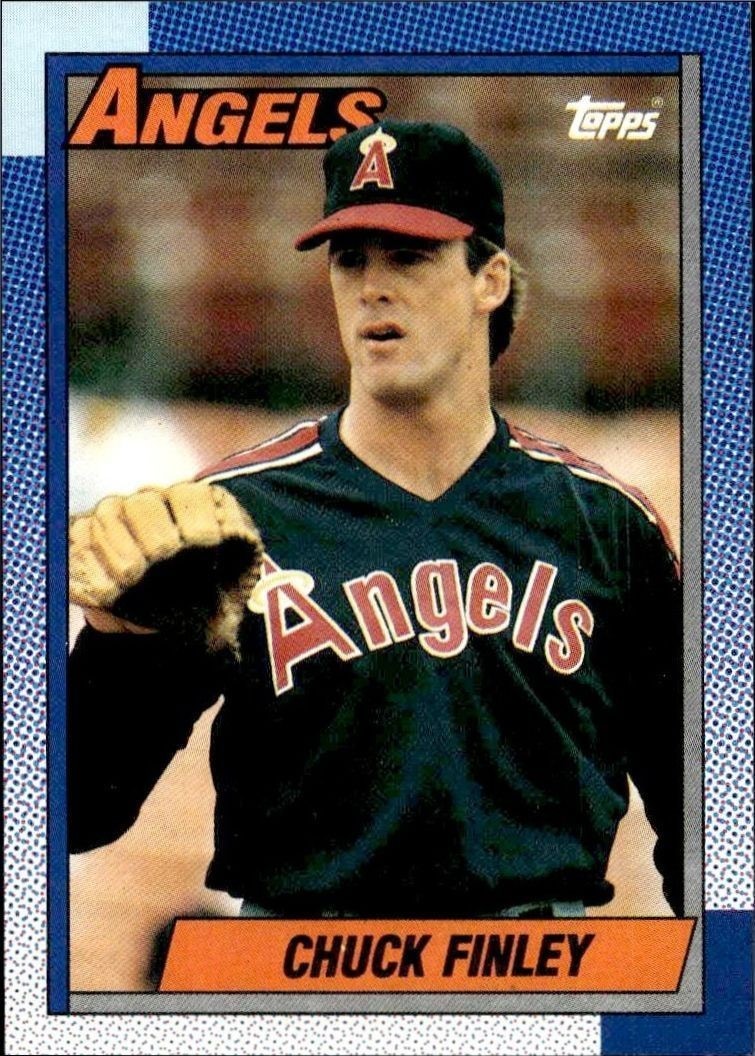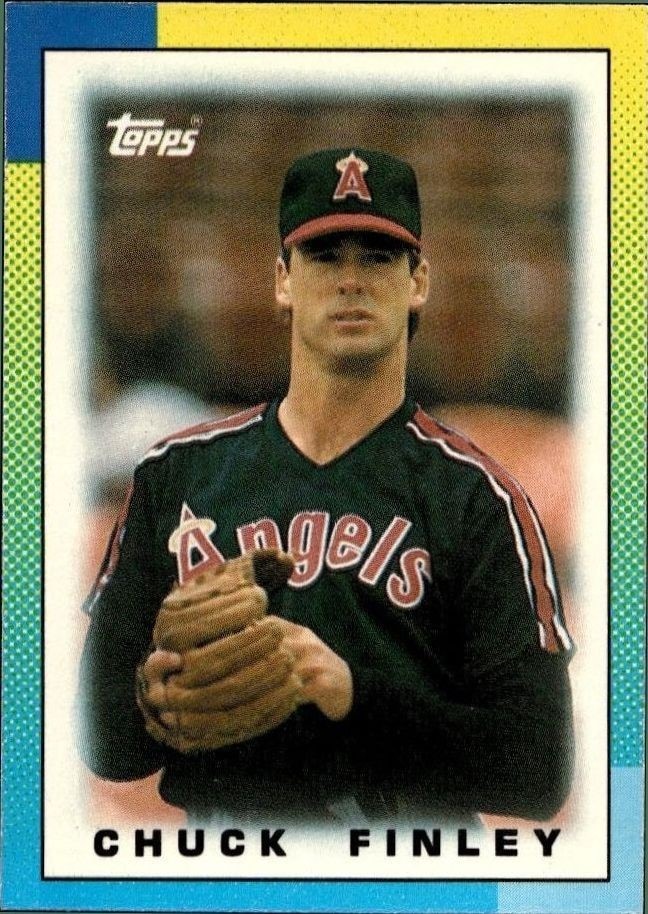

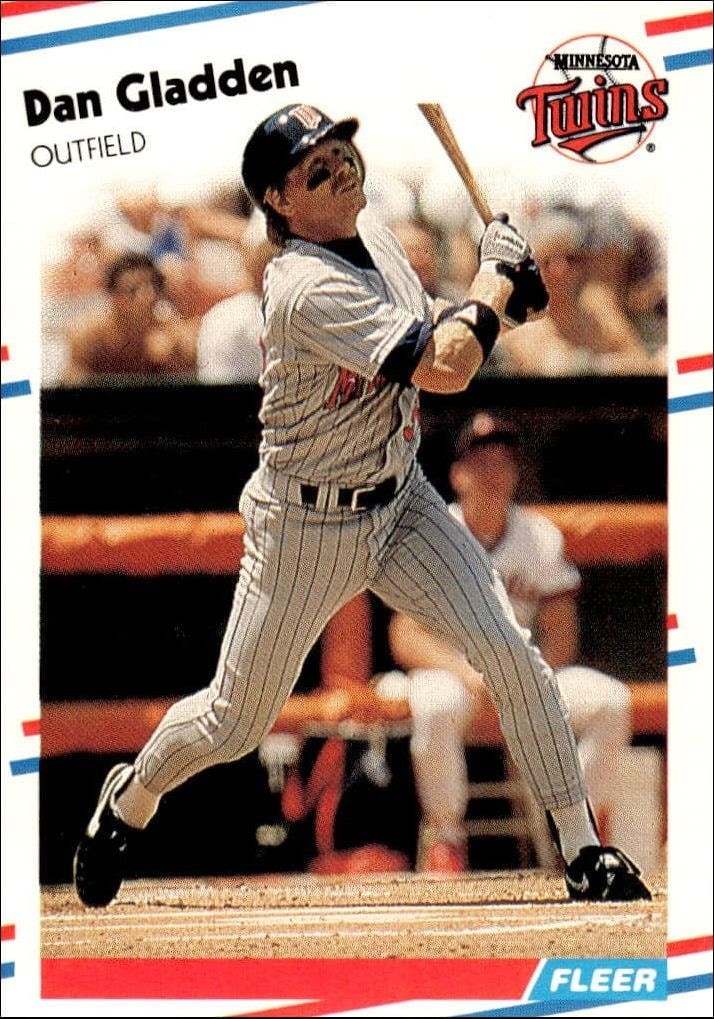

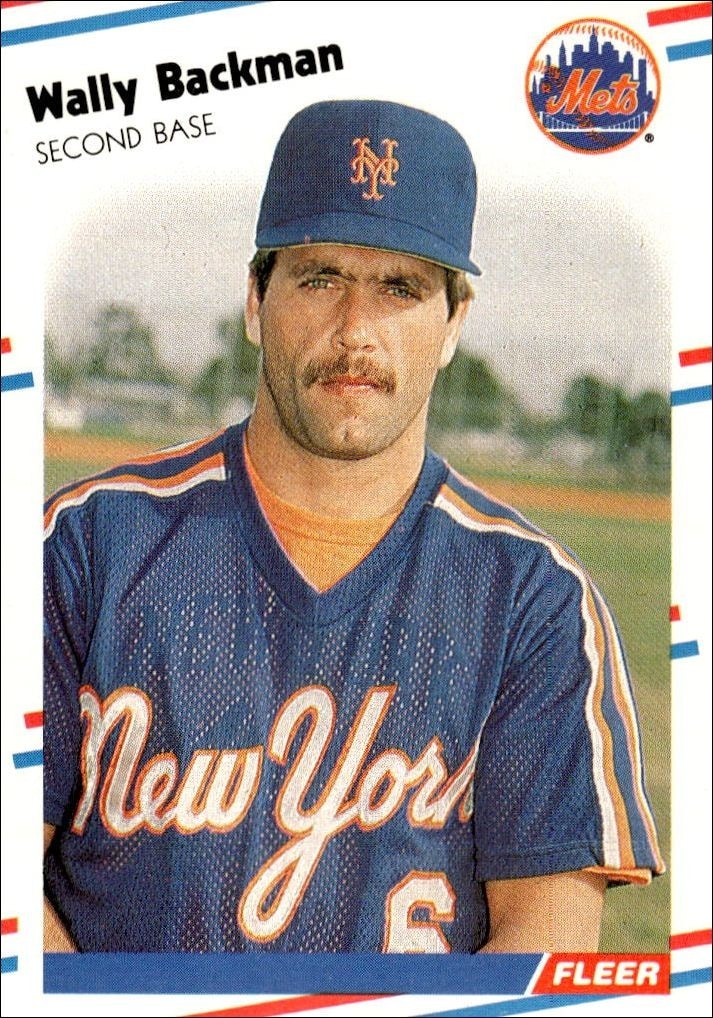

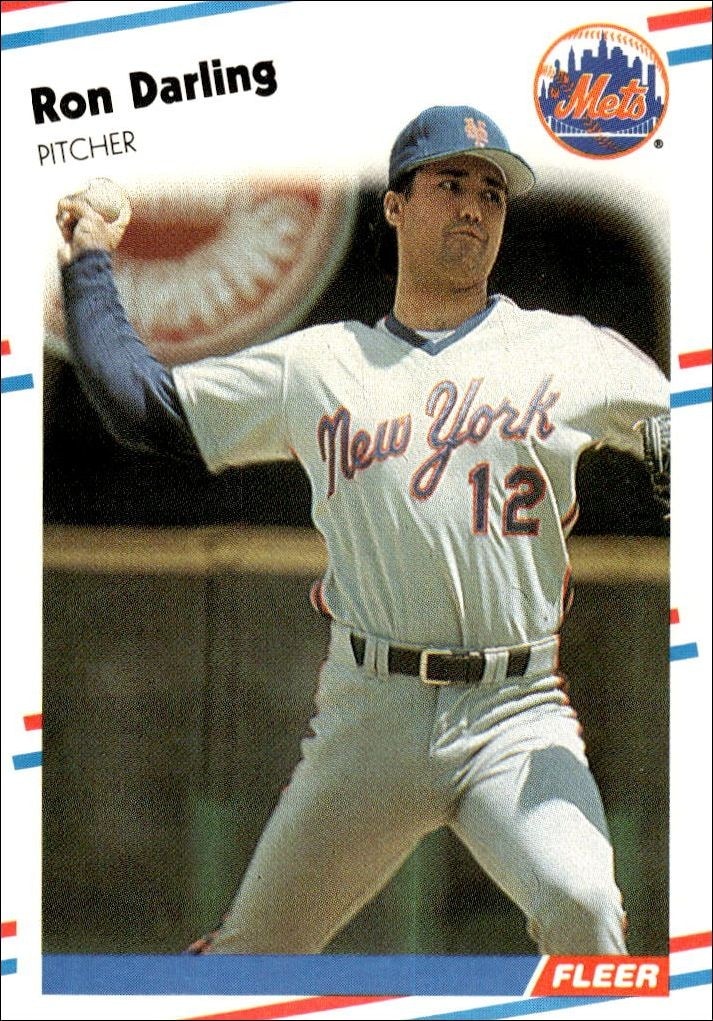


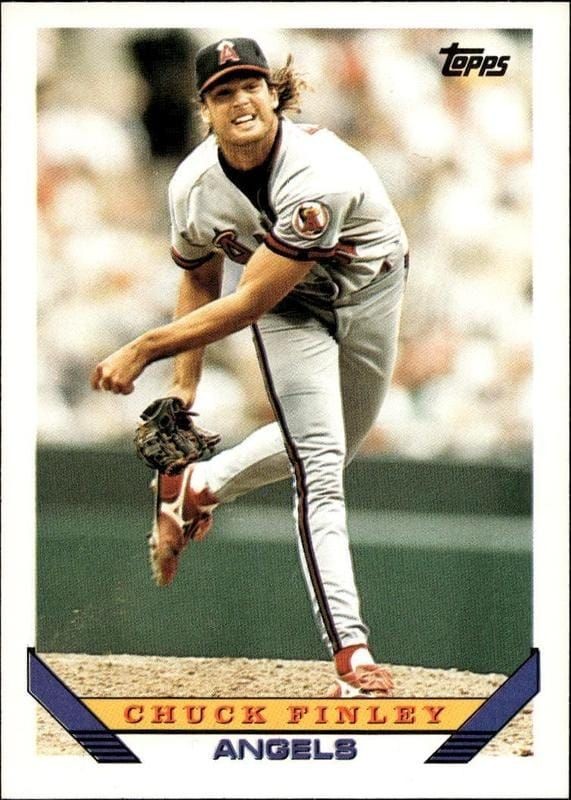
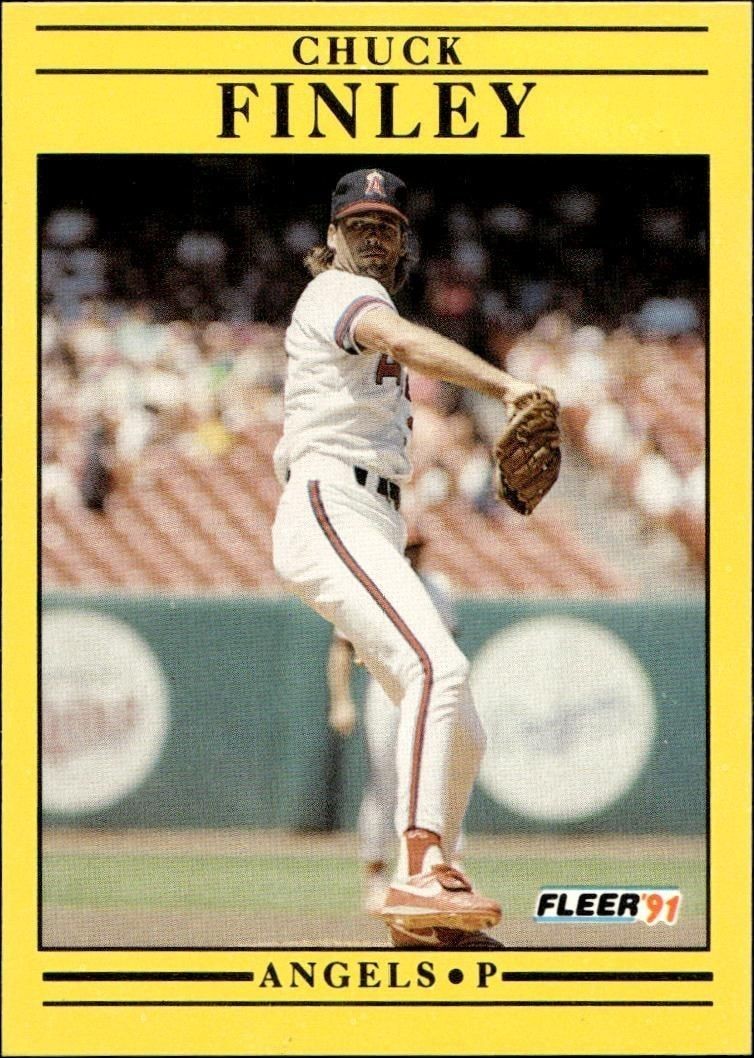
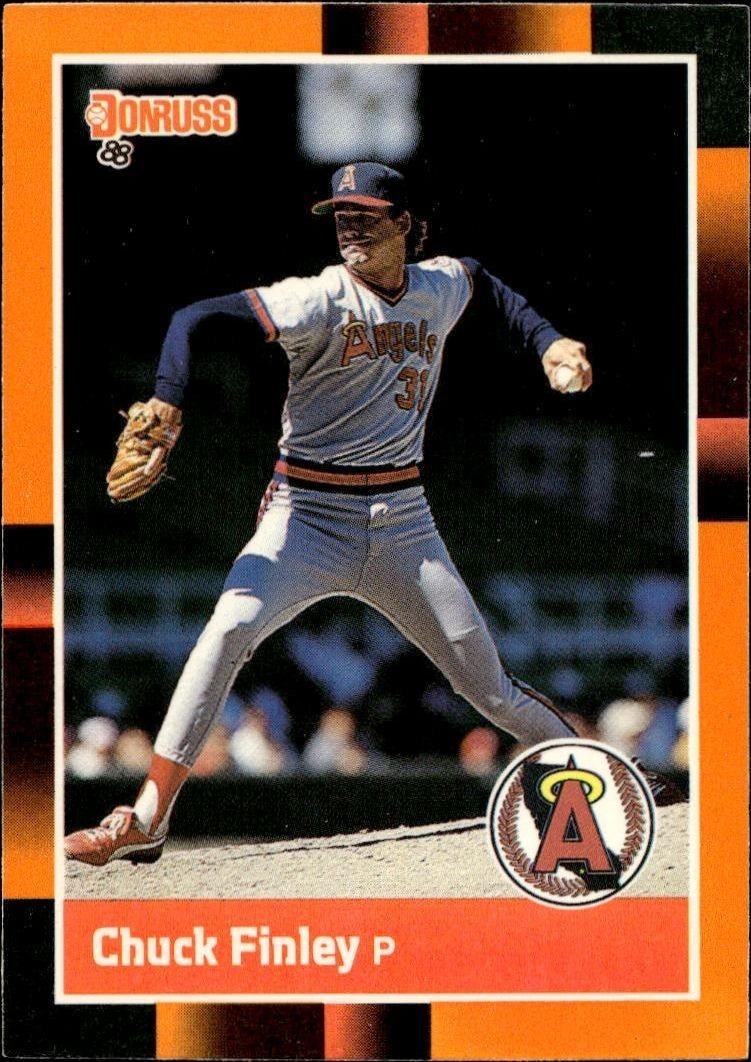
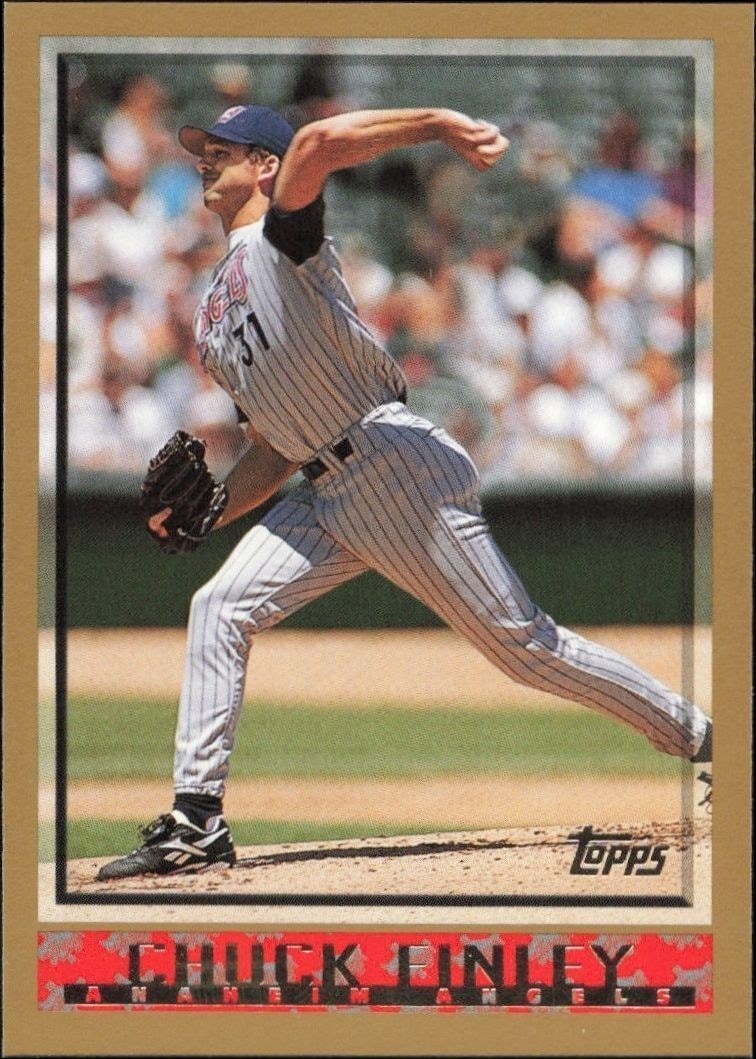



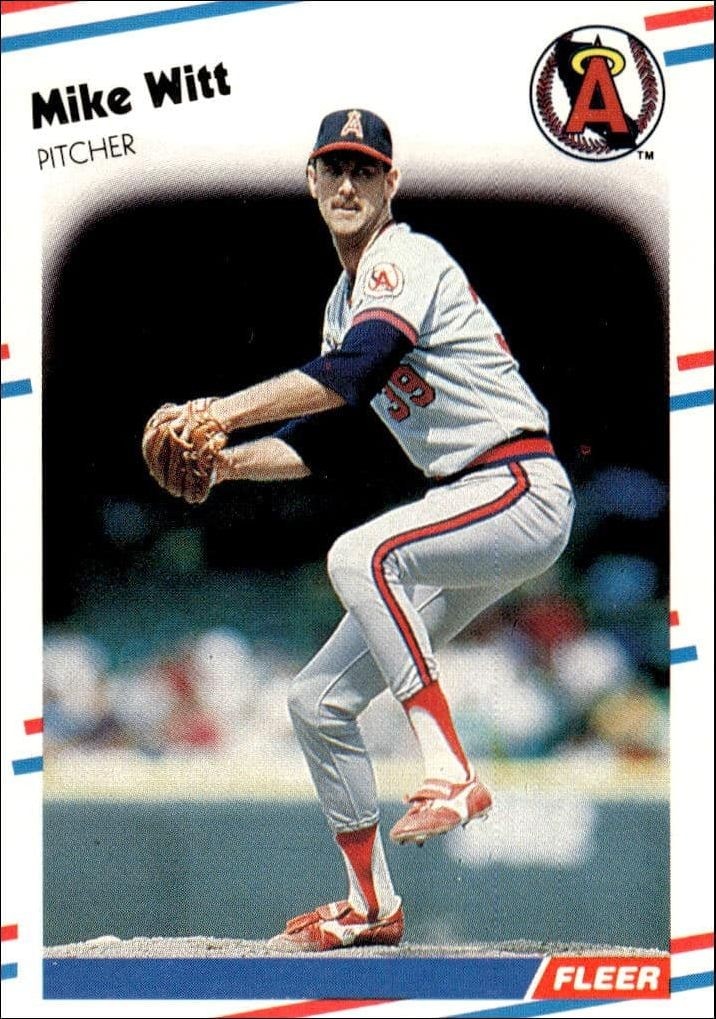
The 1988 Fleer Chuck Finley #489 baseball card features the future Angels ace in his rookie-year profile. A staple of late-80s Fleer design for dedicated collectors.
1988 • Fleer
Major League Baseball • Los Angeles Angels
Excellent
489
New
Shipping Calculated at Checkout
Arrives in 4-6 daysEstimated delivery October 30, 2026 - November 1, 2026
30-day Returns| Condition | Value | Source | Trend | Price Details |
|---|---|---|---|---|
$0.53As of 10/4/2026 | Guide Estimate | |||
Raw / Ungraded
PriceCharting Price Guide · Guide Estimate evidence · captured Oct 4, 2026
History is building. At least two days of matching observations are needed to show a trend.
Each point is the last stored observation that day for this printing, condition, grader, autograph status and source. Gaps mean no observation; guide estimates and asking prices are not completed sales.Chuck Finley’s 1988 Fleer #489 card marks the beginning of a significant career in Major League Baseball. Released during a pivotal era for the Los Angeles Angels, this card number captures Finley just as he was establishing himself as a top prospect. For collectors focusing on vintage Fleer products, this 1988 release represents a distinct design period characterized by bold colors and straightforward photography that defined the brand’s aesthetic at the time. As a key piece for Angels memorabilia enthusiasts, the 1988 Fleer Chuck Finley card serves as a tangible link to the franchise’s history. Finley would go on to become one of the most durable pitchers in Angels history, making his early appearances highly relevant to set builders and team specialists. The card’s identity is rooted in its catalog placement within the 1988 Fleer series, offering a clean, uncluttered look that contrasts with modern parallel-heavy releases. Collecting vintage sports cards often involves tracing the trajectory of Hall of Fame-caliber players, and Finley’s journey from a rookie prospect to a long-time Angels starter adds narrative depth to this card. The 1988 Fleer brand remains a favorite among hobbyists for its nostalgic value and the clarity it provides to the sport’s history. Whether you are completing a team set or focusing on the evolution of baseball card design, this product offers a clear window into the late 1980s market. The combination of Finley’s name, the Angels affiliation, and the Fleer brand makes this product in the broader landscape of baseball collectibles.
5 days ago
We'll pre-fill the product details from this catalog entry, so your listing lands on this exact page. Just add photos of your copy, pick its condition, and set your price.
The catalog profile below summarizes the card identity, featured subject, and notable collectible traits.
The subject, team, league, and sport context tied to this card.
Production details and format-specific attributes.
Material
Card Stock
Language
English
Compare prices, grades, photos, and shipping from approved sellers.
New
Excellent
See how many public collections currently include this card.
0 collectors have this card
This 1988 Fleer card of Chuck Finley represents an entry-level tier within his career portfolio, reflecting its status as a standard base card from the early phase of his Major League tenure. While the low active inventory of one listing suggests tight immediate availability, the pricing indicates it trades well below the premiums commanded by his rookie parallels or graded examples. Its value is anchored by its role as a foundational piece for Angels collectors rather than a high-end investment vehicle.
As a standard issue from the 1988 Fleer set without noted parallels or serial numbering, this card lacks specific scarcity mechanics that typically drive collector premiums. It exists in high supply relative to the short-printed or uniquely numbered variants found in the same product line. Consequently, its rarity is defined by its commonality within the base set rather than any constrained production run.
The card carries moderate demand driven by Finley's established career significance with the Los Angeles Angels, making it a staple for base-set completists. However, without rookie-card status or special parallel attributes, its growth potential is limited compared to more specialized issues. Investors should view this as a liquidity-focused acquisition for filling gaps in a collection rather than a long-term appreciating asset.