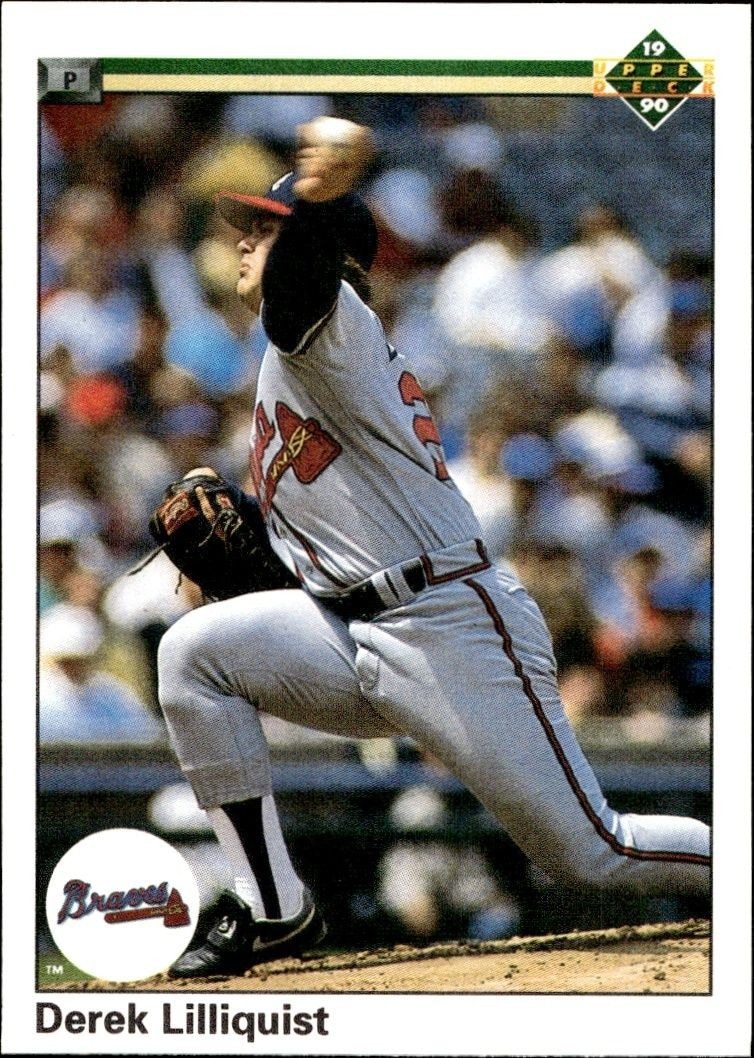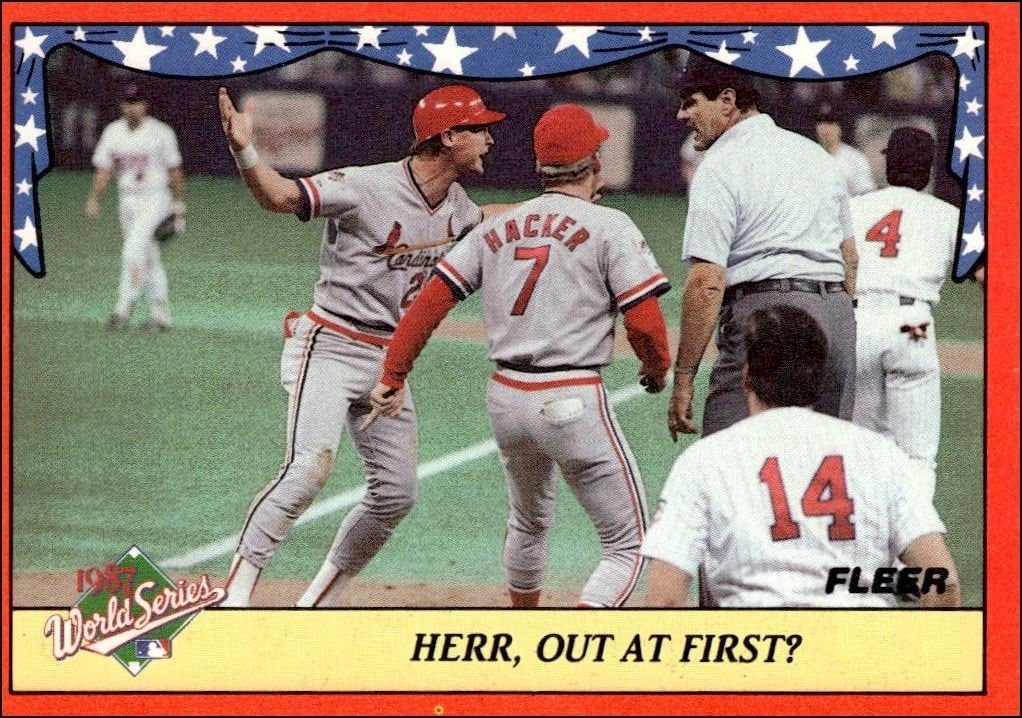


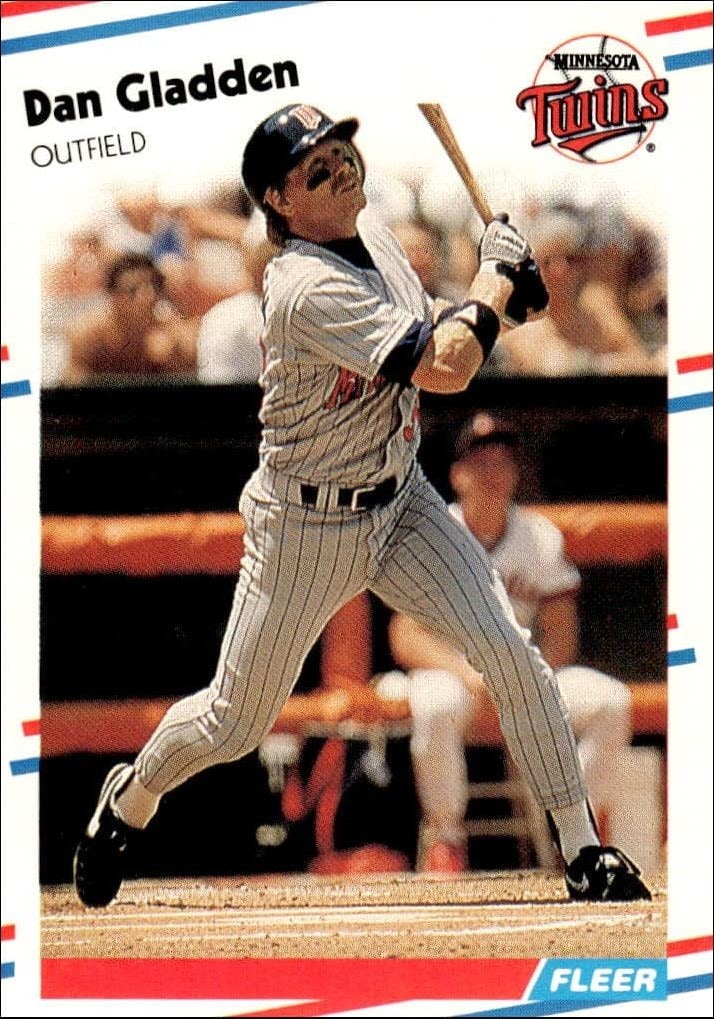

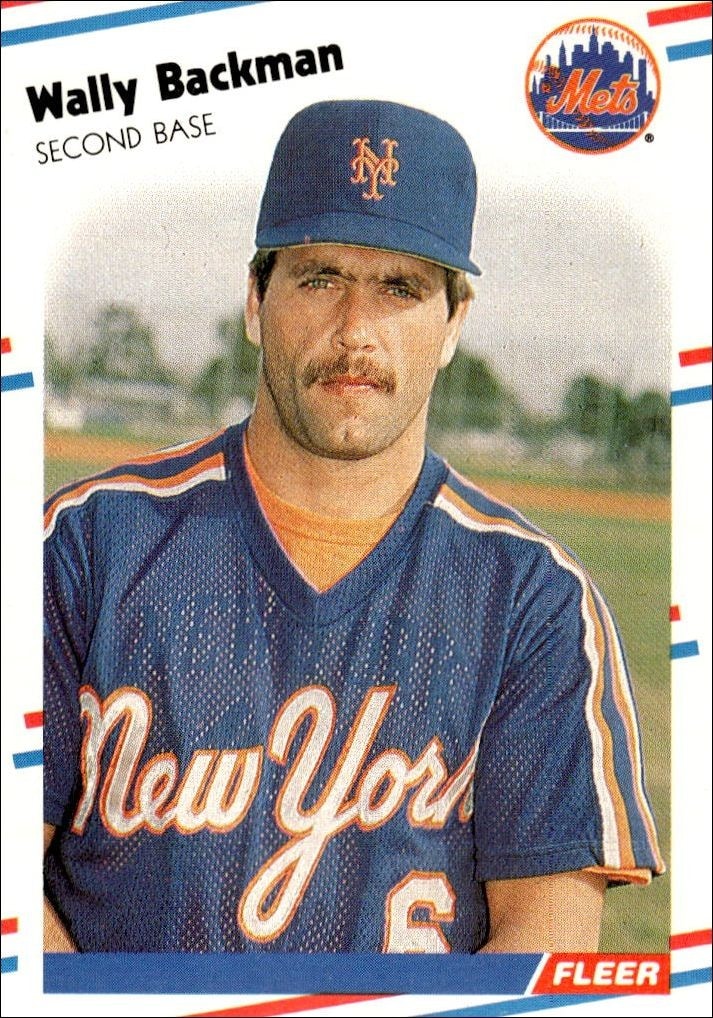

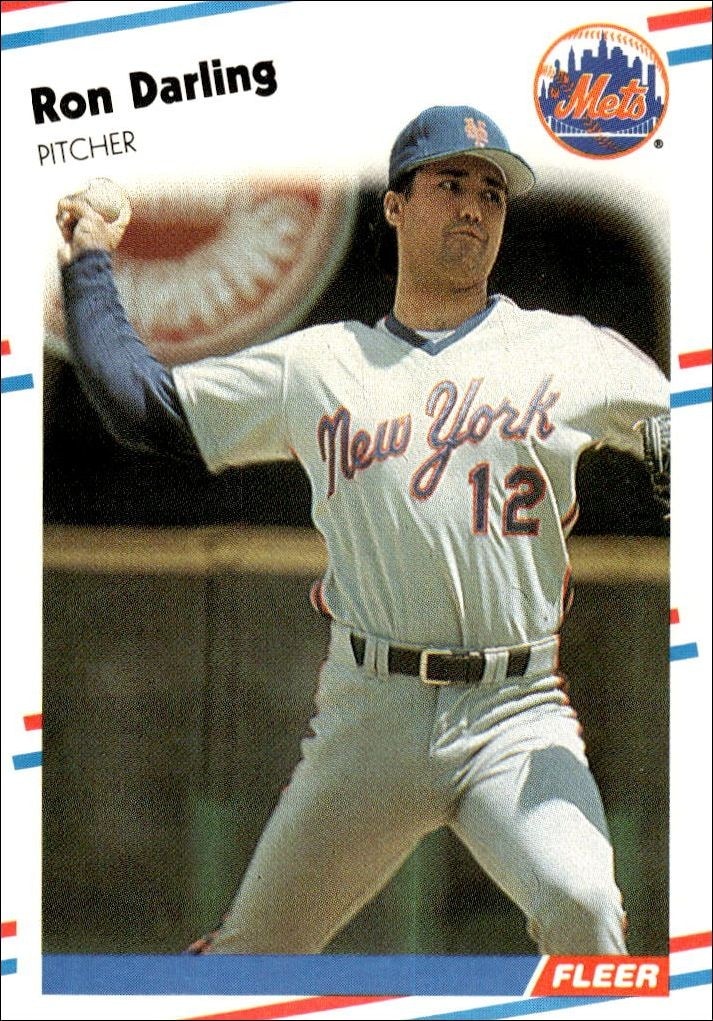





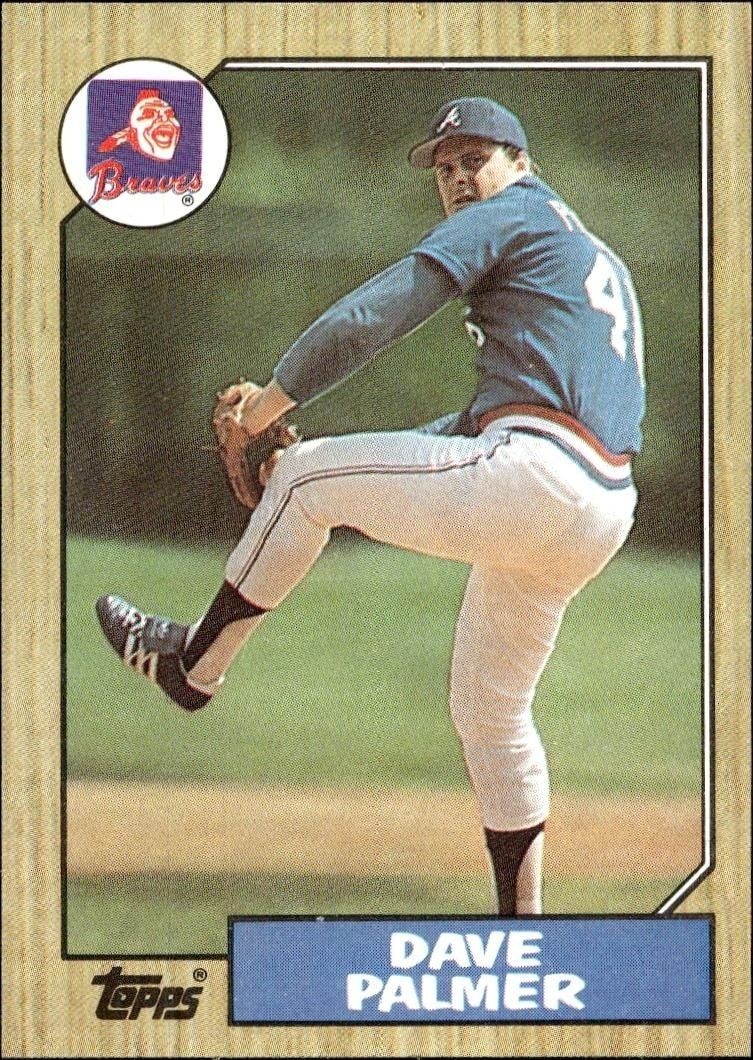

The 1988 Fleer David Palmer #546 baseball card features the Atlanta Braves player in a classic vintage sports card format, appealing to collectors of 1980s MLB memorabilia.
1988 • Fleer
Major League Baseball • Atlanta Braves
Excellent
546
New
Shipping Calculated at Checkout
Arrives in 5-7 daysEstimated delivery October 29, 2026 - October 31, 2026
30-day Returns| Condition | Value | Source | Trend | Price Details |
|---|---|---|---|---|
$0.25As of 10/6/2026 | Guide Estimate | 0% | ||
Raw / Ungraded
PriceCharting Price Guide · Guide Estimate evidence · captured Oct 6, 2026
The 1988 Fleer David Palmer #546 baseball card stands as a tangible piece of Major League Baseball history, capturing the Atlanta Braves' roster during the late 1980s. This issue from the Fleer brand offers collectors a direct connection to the era's distinct design aesthetics and printing styles, which differ significantly from modern card production. For enthusiasts of vintage sports collectibles, this card represents a specific moment in the franchise's timeline, providing context to the team's composition before subsequent roster changes and league shifts. Collectors who focus on the Fleer brand often appreciate the company's evolution in design and printing technology during the 1980s. The 1988 release is part of this lineage, offering a straightforward yet iconic presentation of players like David Palmer. While Palmer may not be the most widely recognized name in baseball history, his inclusion in this set makes the card a valuable component for those building comprehensive collections of Atlanta Braves players or specific Fleer yearbooks. In the secondary market, vintage baseball cards from this period are sought after for their nostalgic value and historical significance. The 1988 Fleer David Palmer card serves as an accessible entry point for new collectors or as a fill-in for seasoned hobbyists completing a specific year or team subset. Its enduring appeal lies in its authenticity as a product of its time, reflecting the graphic design and player photography standards of the late 1980s. Whether held as a personal treasure or considered for long-term preservation, this card remains a notable item in the world of sports card collecting.
3 days ago
We'll pre-fill the product details from this catalog entry, so your listing lands on this exact page. Just add photos of your copy, pick its condition, and set your price.
The catalog profile below summarizes the card identity, featured subject, and notable collectible traits.
The subject, team, league, and sport context tied to this card.
Production details and format-specific attributes.
Material
Card Stock
Language
English
Compare prices, grades, photos, and shipping from approved sellers.
New
Excellent
See how many public collections currently include this card.
0 collectors have this card
This 1988 Fleer David Palmer card represents an entry-level tier within the broader baseball collectible market, reflecting its status as a standard base card from a high-print-run era. As a non-rookie, non-premium parallel from a major manufacturer, it trades at a modest value relative to star players or vintage gem-mint examples. The current active listing count suggests a liquid but low-demand environment, typical for role-player cards from this specific production year.
The item lacks any scarcity indicators such as serial numbering, short-print designation, or unique parallels, placing it firmly within the common base set category. This standard production status means supply is abundant and unconstrained by limited edition mechanics or low print runs. Consequently, the card does not benefit from the scarcity premiums associated with rarer inserts or autographed variants.
Given the absence of rookie card status or special parallel attributes, the collector demand is primarily driven by nostalgia for the 1988 Fleer set rather than long-term appreciation mechanics. The card serves better as a budget-friendly addition for completing base set collections than as a standalone investment vehicle. Future value stability depends on general set popularity rather than individual player performance or card-specific rarity.