




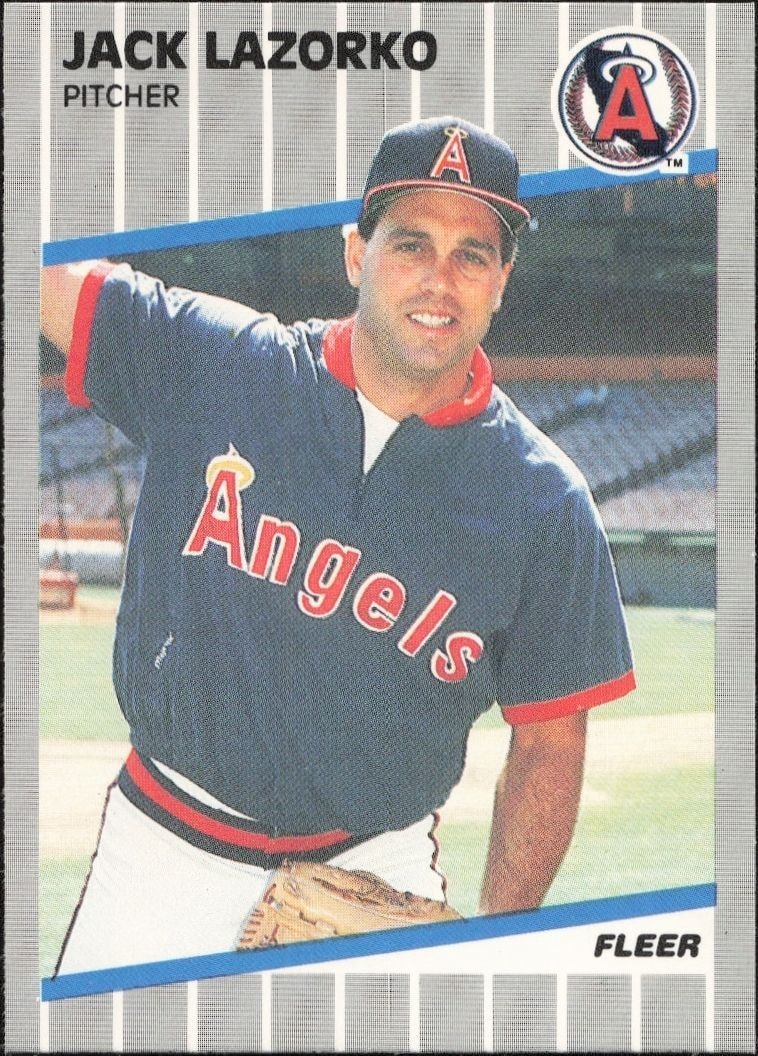
Jack Lazorko's 1988 Fleer baseball card (#494) represents a significant entry in the brand's inaugural MLB release. This card captures Angels roster details from the late 1980s.
1988 • Fleer
Major League Baseball • Los Angeles Angels
Excellent
494
New
Shipping Calculated at Checkout
Arrives in 5-7 daysEstimated delivery October 29, 2026 - October 31, 2026
30-day Returns| Condition | Value | Source | Trend | Price Details |
|---|---|---|---|---|
$1.14 | Guide Estimate | |||
$9.01 | Guide Estimate | |||
$19.19 | Guide Estimate | |||
$35.50 | Guide Estimate | |||
$114.00 | Guide Estimate | |||
$53.00 | Guide Estimate | |||
$87.66 | Guide Estimate | |||
$53.00 | Guide Estimate | |||
Raw / Ungraded
PriceCharting Price Guide · Guide Estimate evidence · captured Oct 17, 2026
History is building. At least two days of matching observations are needed to show a trend.
Each point is the last stored observation that day for this printing, condition, grader, autograph status and source. Gaps mean no observation; guide estimates and asking prices are not completed sales.The 1988 Fleer #494 card featuring Jack Lazorko marks a pivotal moment in sports card history as part of Fleer's return to the major league baseball market. After years of absence, Fleer re-entered the industry with this comprehensive set, offering collectors a fresh design aesthetic and updated rosters that defined the era. For enthusiasts of 1980s baseball memorabilia, this card serves as a tangible connection to the Los Angeles Angels' lineup during a transformative period for the franchise. Jack Lazorko, listed as a pitcher for the Angels, appears on card number 494 within this extensive 792-card base set. The inclusion of roster players like Lazorko highlights Fleer's commitment to capturing the full depth of MLB teams, rather than focusing solely on superstars. This approach makes finding specific roster cards, particularly for role players, a unique challenge and rewarding pursuit for dedicated set builders. Collecting the 1988 Fleer Jack Lazorko #494 card allows hobbyists to explore the breadth of the Angels' organization during the late 1980s. Whether you are assembling a complete team set or focusing on specific player milestones, this card represents an essential component of the Fleer baseball chronology. The card's design reflects the production standards of its time, offering a nostalgic glimpse into how player information and team branding were presented to fans. As the market for vintage baseball cards continues to grow, early releases from major manufacturers like Fleer remain highly sought after for their historical significance and visual appeal. This card stands as a testament to the enduring popularity of baseball trading cards and the detailed records they keep of the sport's history.
3 days ago
We'll pre-fill the product details from this catalog entry, so your listing lands on this exact page. Just add photos of your copy, pick its condition, and set your price.
The catalog profile below summarizes the card identity, featured subject, and notable collectible traits.
The subject, team, league, and sport context tied to this card.
Production details and format-specific attributes.
Material
Card Stock
Language
English
Compare prices, grades, photos, and shipping from approved sellers.
New
Excellent
See how many public collections currently include this card.
0 collectors have this card
This 1988 Fleer card of Jack Lazorko sits at a modest price tier, reflecting his status as a role player rather than a franchise cornerstone. The current valuation indicates stable, low-end market activity typical for non-premium players from this era, with limited liquidity due to the single active listing. It represents an accessible entry point for collectors focusing on specific team or year completions rather than individual player appreciation.
As a base card from the 1988 Fleer set, this item lacks special parallel variants, serial numbering, or short-print designations that typically constrain supply. The scarcity is driven entirely by the finite print run of the base set and the natural attrition of copies over time, rather than intentional production limits. Consequently, it is widely available compared to specialty inserts, making it a common component in bulk markets.
The card functions primarily as a completionist piece for 1988 Fleer or Los Angeles Angels set builders, with demand driven by thematic collecting rather than individual star power. Without rookie card status or premium parallel attributes, the upside is limited to broader vintage sports card market trends. It serves best as a filler for deep collections rather than a standalone speculative asset.