1 / 2
About This Card
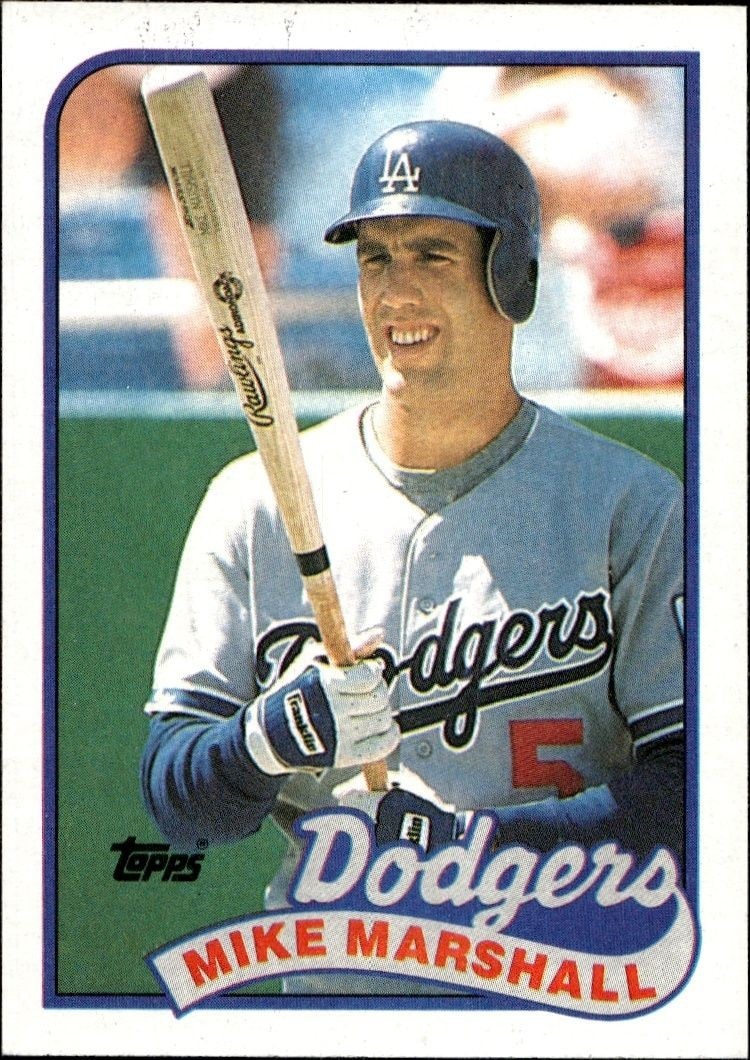
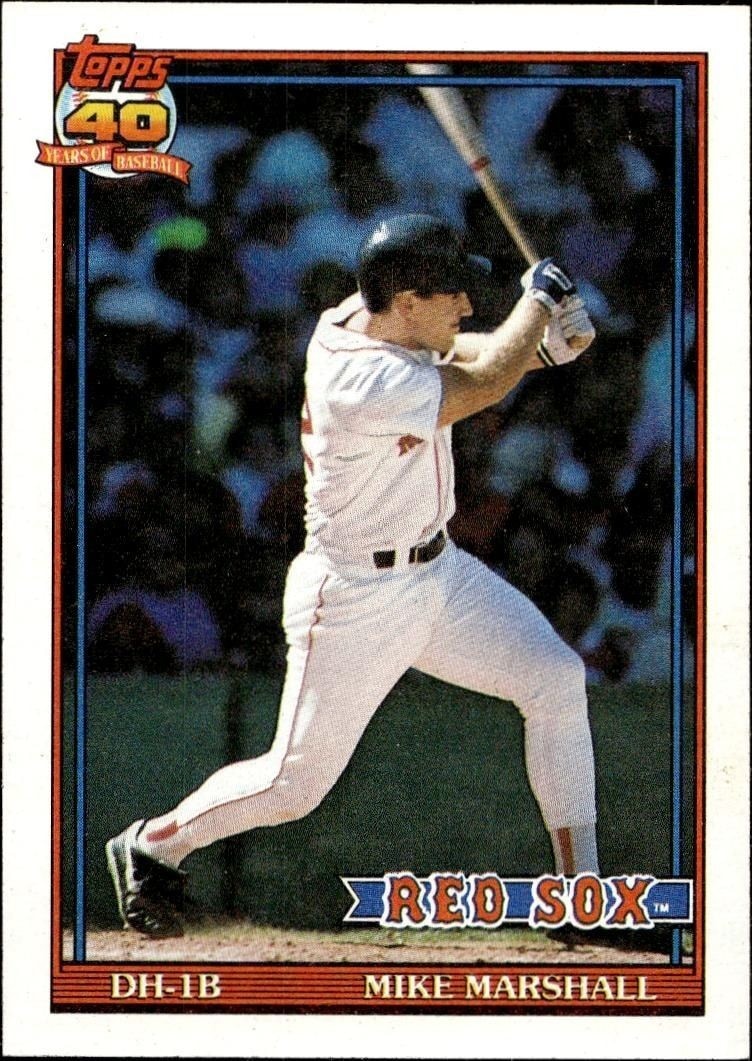
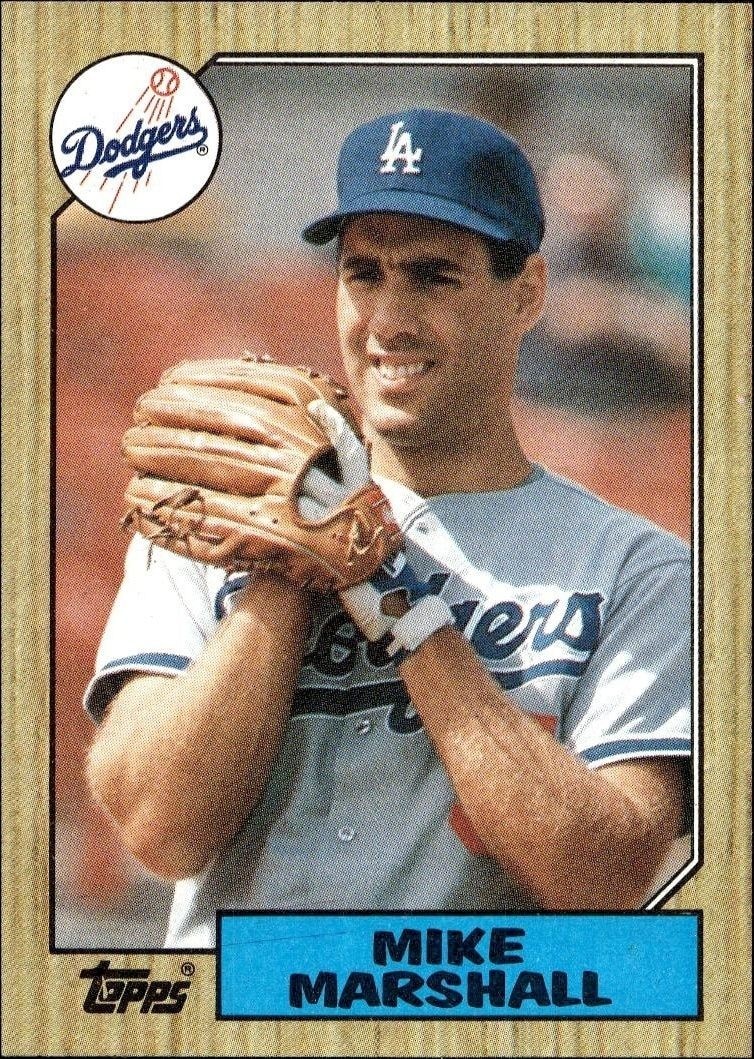
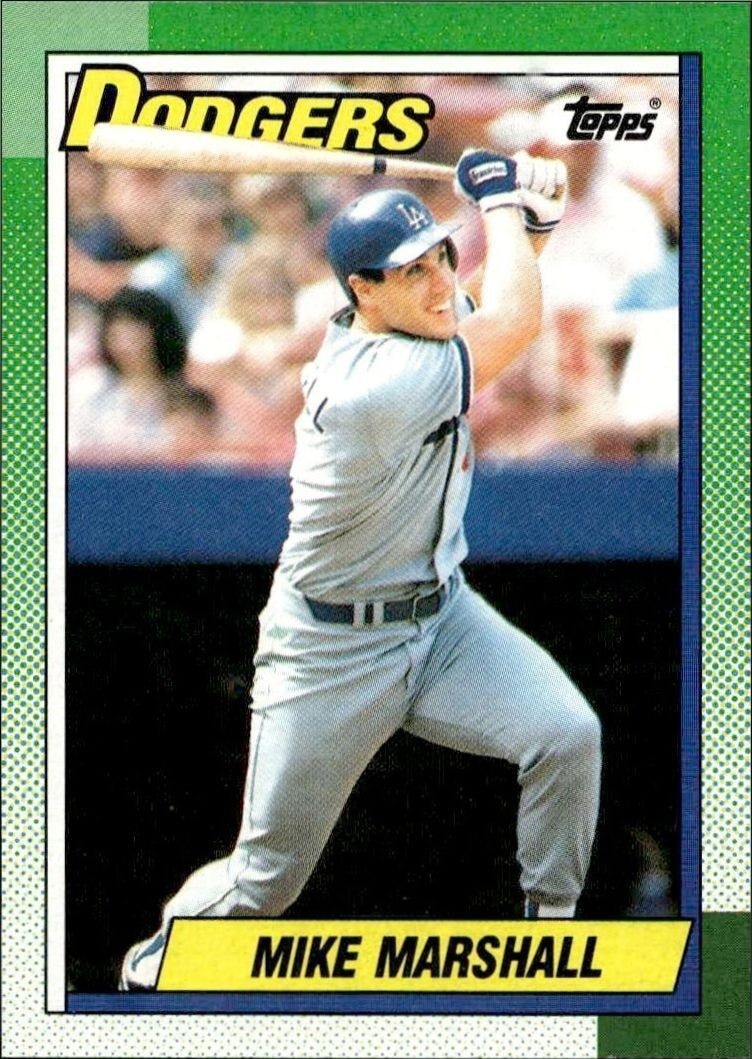
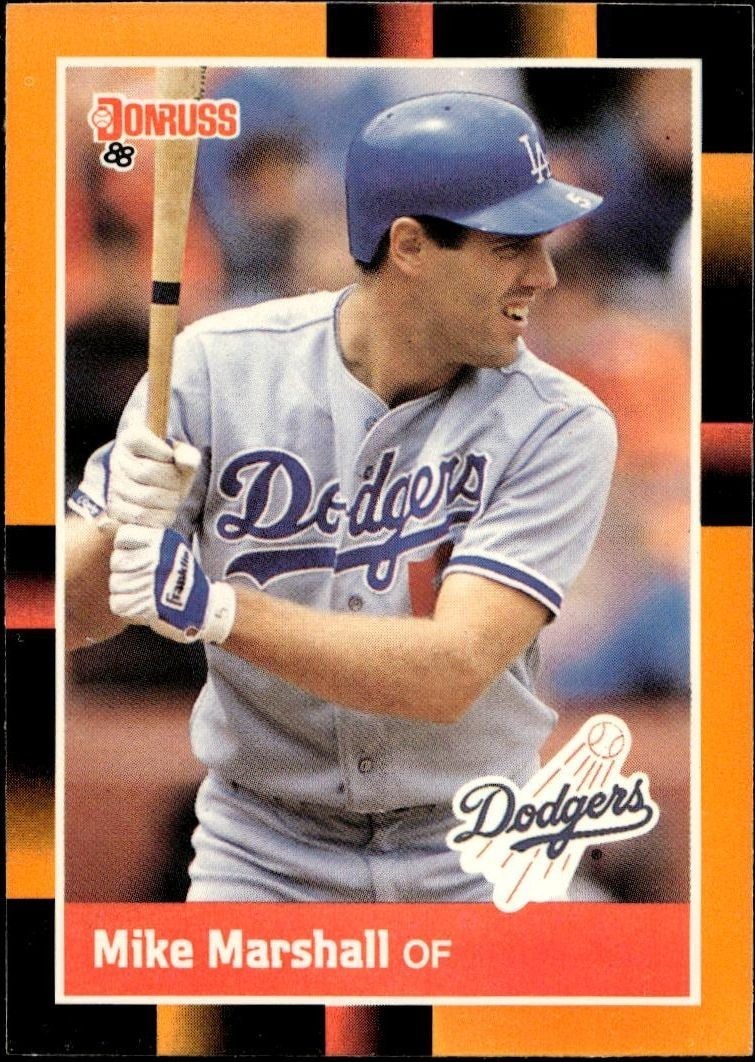
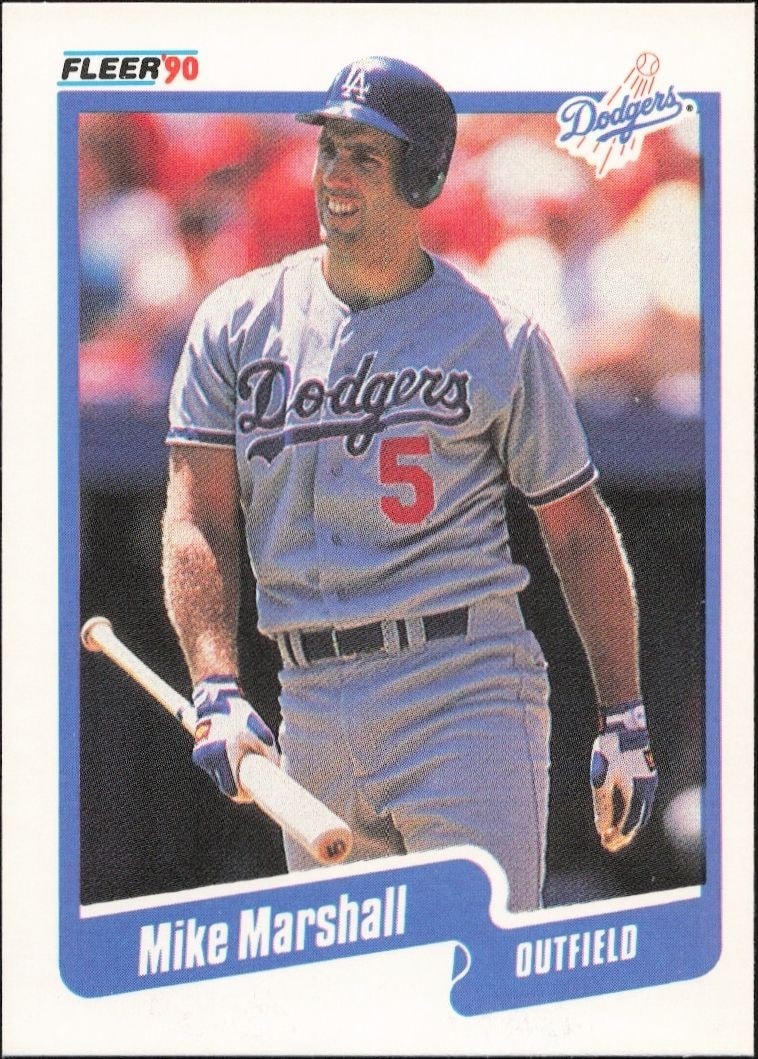
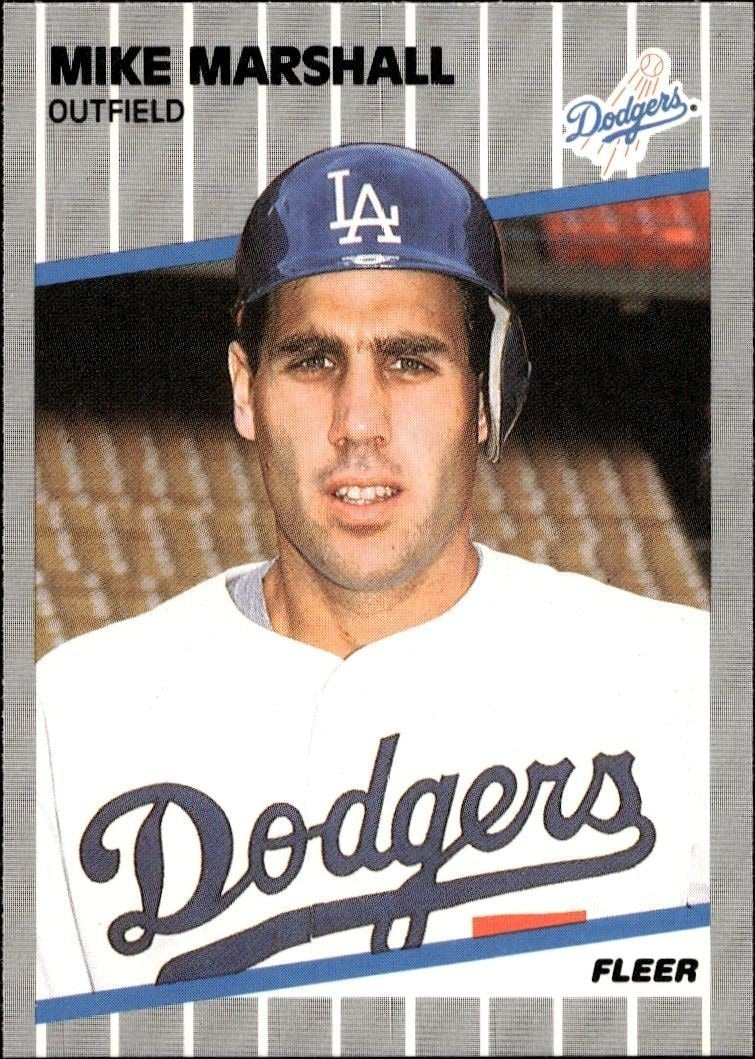
The 1988 Fleer Mike Marshall #522 sports card represents a specific entry in the historic 1988 Fleer baseball set, featuring Los Angeles Dodgers player Mike Marshall.
Mike Marshall
1988 • Fleer
Major League Baseball • Los Angeles Dodgers
Seller Offer
1 available$2.99
Raw/Ungraded Market: $1.13
Updated 8 days ago165% above
Condition
Excellent
Card Number
522
Loading express checkout
Primary Seller
New
Shipping Calculated at Checkout
Arrives in 4-6 daysEstimated delivery December 3, 2026 - December 5, 2026
30-day ReturnsMarket & Price History
| Condition | Value | Source | Trend | Price Details |
|---|---|---|---|---|
$1.13 | Guide Estimate | |||
- $1.13
- Source
- Guide Estimate
- Trend
- Price Details
30-day Price History
Raw / Ungraded
PriceCharting Price Guide · Guide Estimate evidence · captured Nov 22, 2026
History is building. At least two days of matching observations are needed to show a trend.
Each point is the last stored observation that day for this printing, condition, grader, autograph status and source. Gaps mean no observation; guide estimates and asking prices are not completed sales.Product Overview
Description
The 1988 Fleer Mike Marshall #522 sports card is a definitive component of the 1988 Fleer baseball set, capturing the Los Angeles Dodgers player during his tenure with the team. As the first major baseball release from Fleer in decades, this 1988 set holds significant historical weight for collectors who appreciate the brand's return to the trading card market. The card features Marshall in his Dodgers uniform, providing a tangible connection to the team's roster during the late 1980s. Collectors often seek out this card number to complete their base set, as the 1988 Fleer release contains 520 cards, with Mike Marshall's card serving as a unique identifier for the Los Angeles Dodgers roster inclusion. The design of the 1988 Fleer cards is recognized for its clean layout and color photography, which has aged well among vintage enthusiasts. For investors and hobbyists focused on baseball memorabilia, acquiring individual cards from this era allows for targeted building of team-specific or player-specific collections. The 1988 Fleer Mike Marshall #522 card appeals to those who value the nostalgia of the late 80s baseball scene. Whether you are a lifelong Dodgers fan or a serious collector of Fleer products, this card represents a verifiable piece of sports history. The card's status within the 1988 set makes it a standard reference point for evaluating the broader market of vintage baseball cards from that period.
Last Listing Activity
1 day ago
Seller Action
Have one of these to sell?
We'll pre-fill the product details from this catalog entry, so your listing lands on this exact page. Just add photos of your copy, pick its condition, and set your price.
Product Specs
Card Details
The catalog profile below summarizes the card identity, featured subject, and notable collectible traits.
Featured Subject
The subject, team, league, and sport context tied to this card.
Print Details
Production details and format-specific attributes.
Material
Card Stock
Language
English
Available Offers
Available Offer for This Card (1)
Compare prices, grades, photos, and shipping from approved sellers.
Featured Offer
New
Condition
Excellent
Seller PriceShipping Extra
$2.99
Arrives in 4-6 days
Estimated delivery December 3, 2026 - December 5, 2026Collector Ownership
Owned by Collectors
See how many public collections currently include this card.
0 collectors have this card
SuperCatch Expert Analysis
Market Value Insight
This 1988 Fleer Mike Marshall card represents an entry-level tier within the broader Dodgers and MLB collectible market, reflecting its status as a standard base card from a pre-modern era. While it lacks the premium valuation associated with rookie cards or high-grade parallels, it maintains a modest floor due to the enduring appeal of the Los Angeles Dodgers brand. The current pricing suggests it trades in line with common non-star players from the late 1980s, serving primarily as a budget-friendly component for set builders rather than a standalone investment piece.
Rarity Breakdown
As a standard base card without noted special attributes, serial numbering, or short-print designations, this item relies on general age-based scarcity rather than intentional supply constraints. The lack of parallel variants or unique identifiers means the supply is determined solely by the original print run's survival rate in ungraded condition. Consequently, it does not benefit from the artificial scarcity mechanics that typically drive premium pricing in vintage sports card markets.
Investment Outlook
Investment potential is limited by the card's non-rookie status and lack of distinct scarcity features, which restricts its ability to appreciate significantly beyond general vintage inflation. Demand is likely driven by casual collectors seeking affordable Dodgers memorabilia or those completing specific year-based sets rather than serious investors targeting high-growth assets. Long-term value retention will depend on the overall health of the vintage baseball market rather than any specific attributes of this individual card.
AI-Generated Editorial Analysis
FAQ
Frequently Asked Questions
What team was Mike Marshall on when the 1988 Fleer #522 card was released?
Mike Marshall was a member of the Los Angeles Dodgers when the 1988 Fleer baseball card featuring him as card #522 was released.
Is the 1988 Fleer baseball set considered valuable by collectors?
Yes, the 1988 Fleer set is highly regarded by collectors as the brand's first major baseball release in decades, making it a cornerstone for vintage baseball card collections.
How many cards are in the base 1988 Fleer set?
The base 1988 Fleer baseball set contains 520 cards, with Mike Marshall's card being one of the final entries in the sequence.