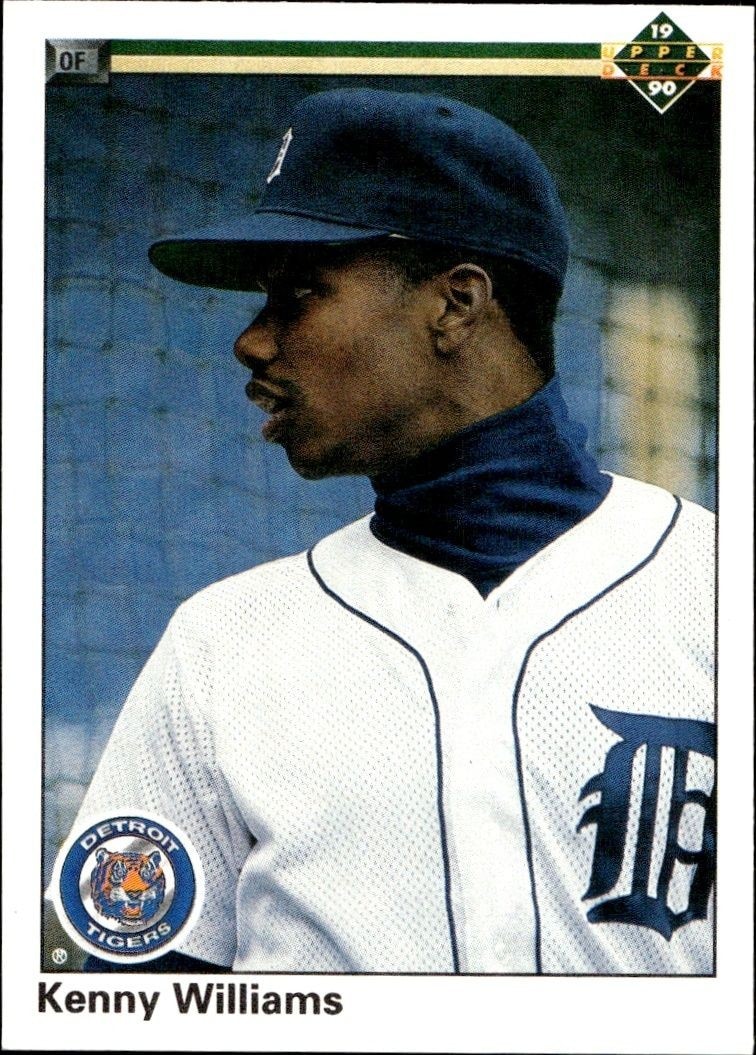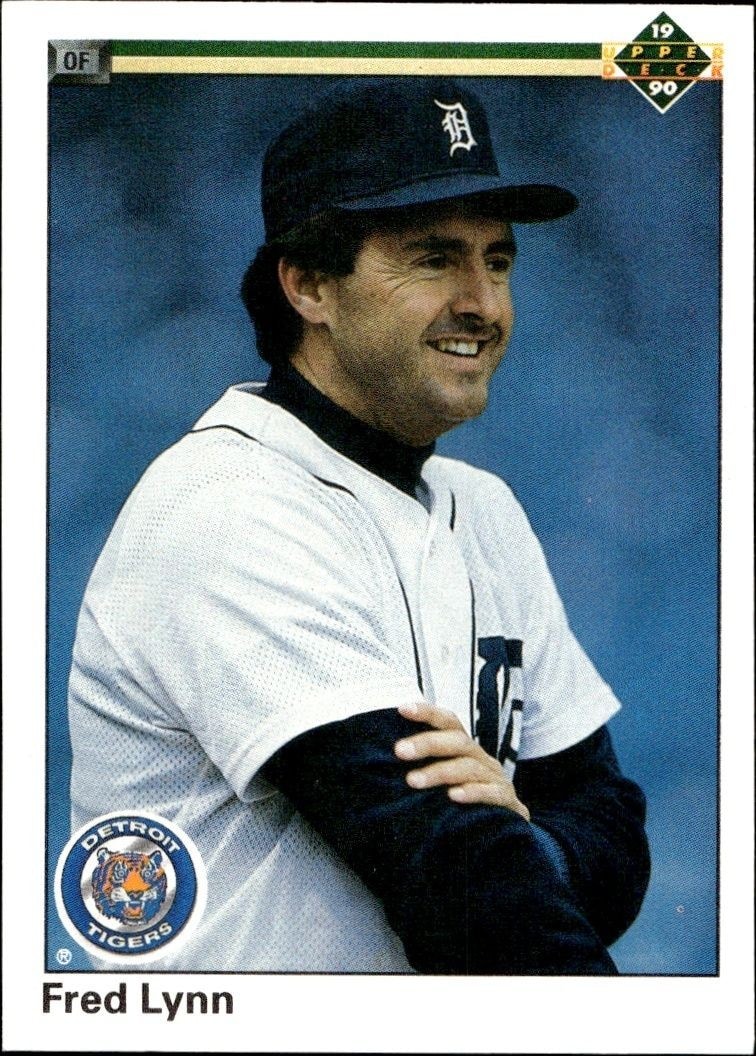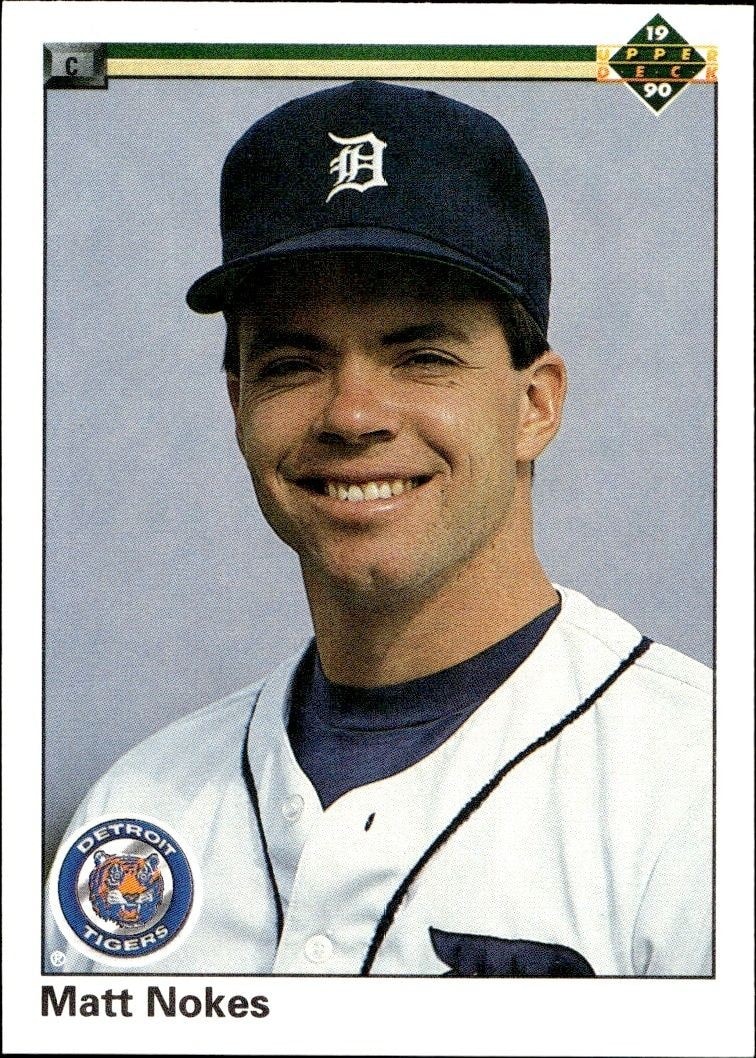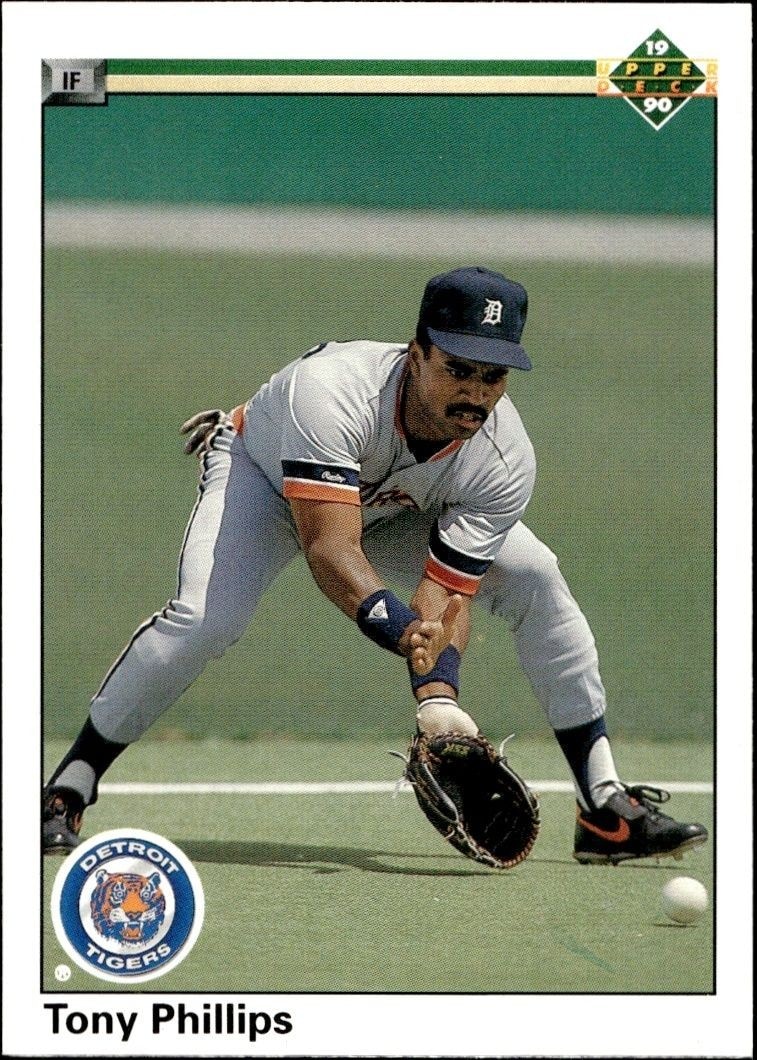


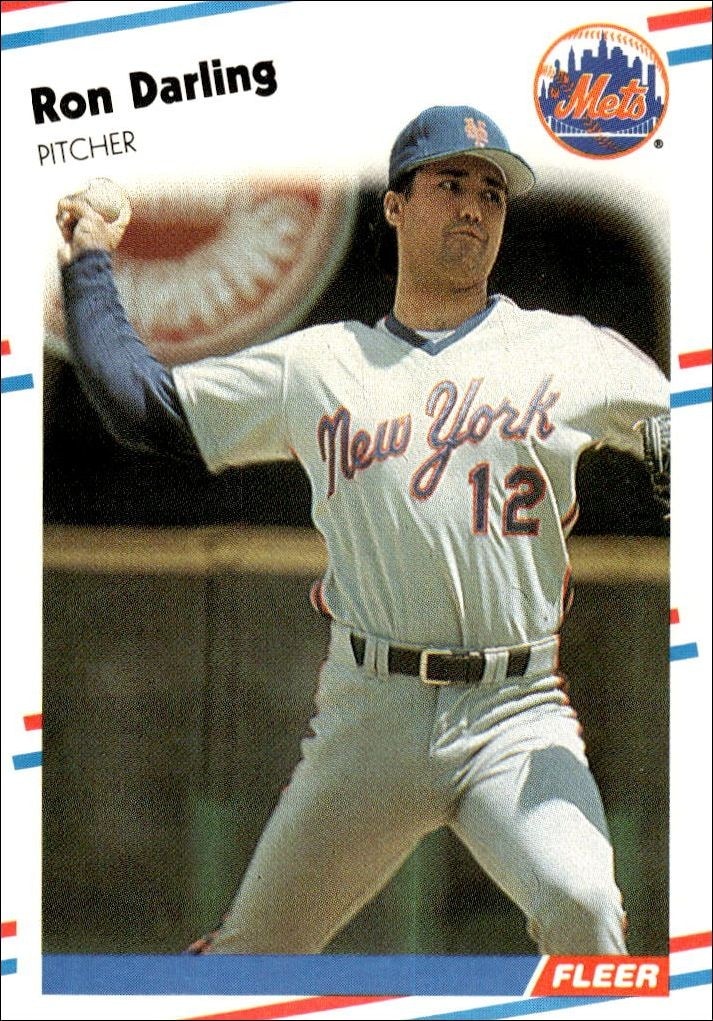

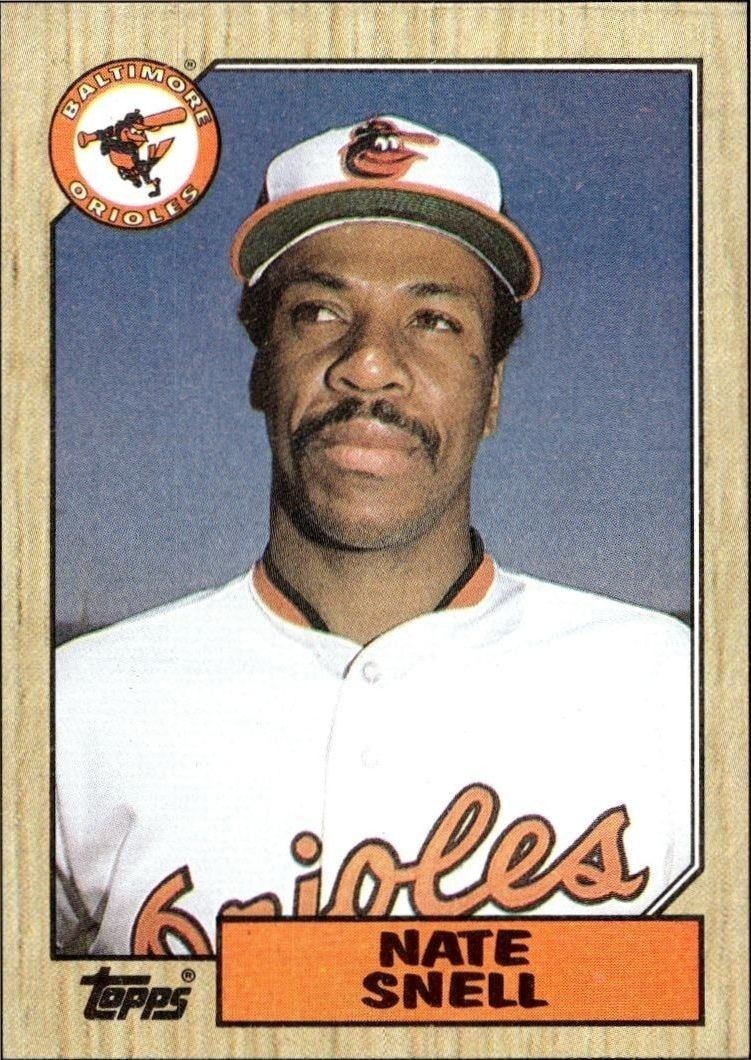
Acquire the 1988 Fleer Nate Snell #70 baseball card, a distinct entry from the Detroit Tigers roster during the 1988 season.
1988 • Fleer
Major League Baseball • Detroit Tigers
Excellent
70
New
Shipping Calculated at Checkout
Arrives in 5-7 daysEstimated delivery October 23, 2026 - October 25, 2026
Seller returns October 19, 2026.30-day Returns| Condition | Value | Source | Trend | Price Details |
|---|---|---|---|---|
$0.99 | Guide Estimate | 0% | ||
$8.54 | Guide Estimate | 0% | ||
$18.12 | Guide Estimate | +0.1% | ||
$33.70 | Guide Estimate | +0.1% | ||
$105.00 | Guide Estimate | 0% | ||
$49.00 | Guide Estimate | 0% | ||
$80.95 | Guide Estimate | +0.1% | ||
$49.00 | Guide Estimate | 0% | ||
Raw / Ungraded
PriceCharting Price Guide · Guide Estimate evidence · captured Oct 17, 2026
The 1988 Fleer Nate Snell #70 baseball card represents a specific moment in the history of the Detroit Tigers. As part of the 1988 Fleer release, this card features Nate Snell, who was an active player for the Tigers during that season. Collectors often seek out cards from this era due to the distinct design language and the nostalgic value associated with late-80s baseball memorabilia. This product is categorized under Baseball and falls within the MLB scope, making it a relevant piece for those building comprehensive collections of Detroit Tigers players or vintage Fleer issues. The card number 70 places it within the base set, offering a straightforward addition to any binder or portfolio. For investors and hobbyists alike, understanding the context of the 1988 Fleer set is key to appreciating the value of individual cards like this one. Whether you are looking to complete a set of 1988 Fleer cards or add a specific player like Nate Snell to your collection, this card serves as a tangible connection to the sport's past. The focus remains on the artifact itself—the player, the team, the year, and the manufacturer—allowing collectors to evaluate its place in their portfolio based on these core attributes. When evaluating vintage sports cards, the integrity of the set and the clarity of the subject are paramount. The 1988 Fleer release holds a unique position in trading card history, and owning a piece of it, such as the Nate Snell #70 card, adds depth to any collection.
22 hours ago
We'll pre-fill the product details from this catalog entry, so your listing lands on this exact page. Just add photos of your copy, pick its condition, and set your price.
The catalog profile below summarizes the card identity, featured subject, and notable collectible traits.
The subject, team, league, and sport context tied to this card.
Production details and format-specific attributes.
Material
Card Stock
Language
English
Compare prices, grades, photos, and shipping from approved sellers.
New
Excellent
See how many public collections currently include this card.
0 collectors have this card
This 1988 Fleer Nate Snell card trades at a modest price point relative to the broader set, reflecting Snell's role as a supporting player for the Detroit Tigers rather than a marquee franchise cornerstone. The current market positioning suggests it holds value primarily for completists targeting vintage Tigers rosters, with limited premium potential compared to star athletes from the same era. Its accessibility makes it a low-barrier entry point for collectors focusing on 1980s baseball memorabilia without significant financial risk.
As a base card from the 1988 Fleer set with no noted special attributes, this item represents the most common tier of production within the brand's release. It lacks serial numbering, short-print designations, or parallel variations that typically constrain supply and drive scarcity premiums. Consequently, the card's availability is determined by the original print run's volume and the survival rate of ungraded copies, which remains high for standard issues of this vintage.
Investment potential for this specific card is anchored in its function as a staple for complete set builders rather than speculative growth. The vintage 1988 Fleer brand maintains steady collector interest for nostalgia-driven acquisitions, ensuring consistent but modest demand. Long-term value retention relies on the general strength of the vintage baseball market and the card's condition, with no intrinsic scarcity mechanics to accelerate appreciation beyond standard set-building needs.