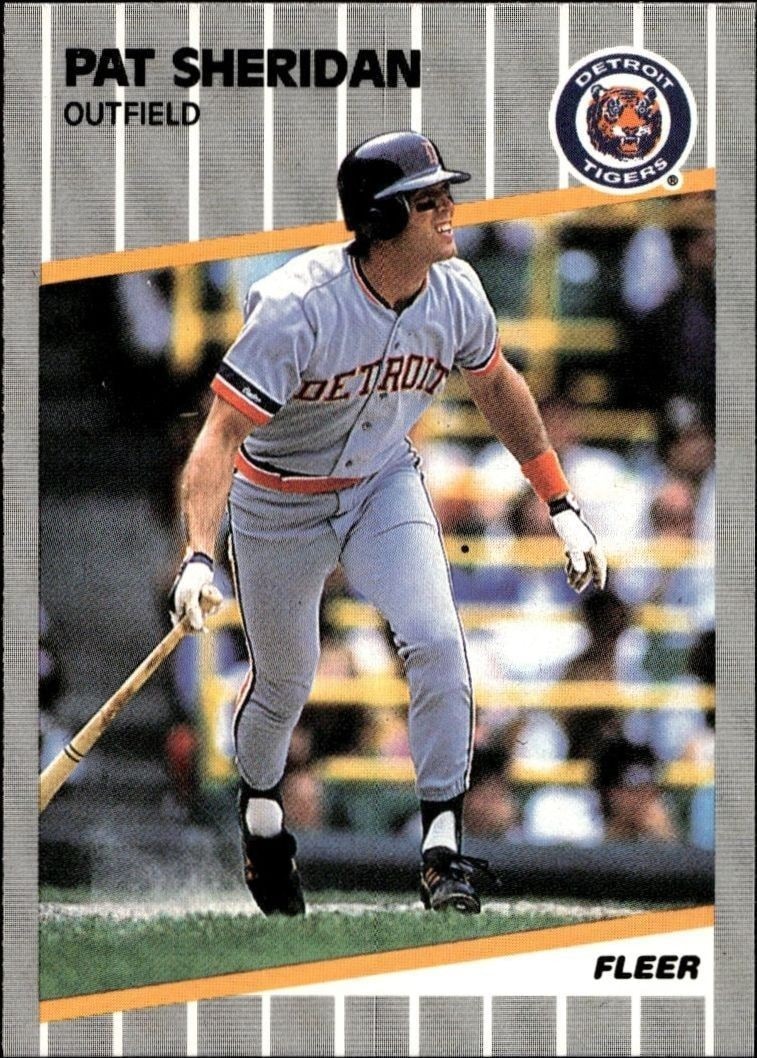





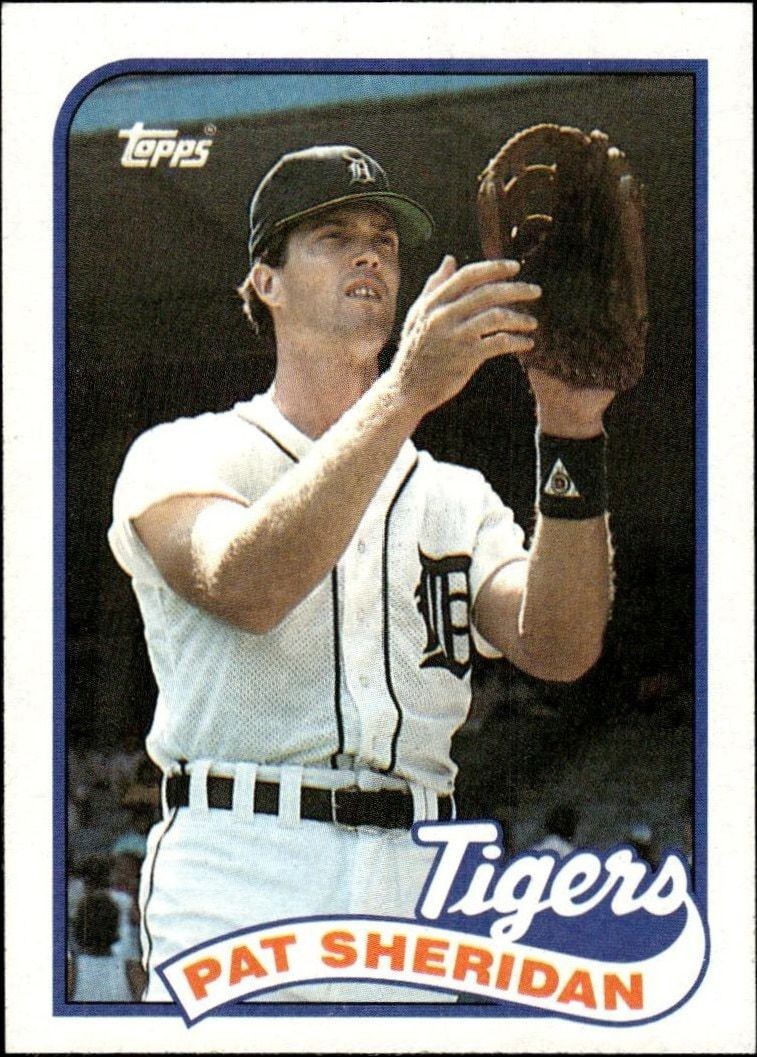
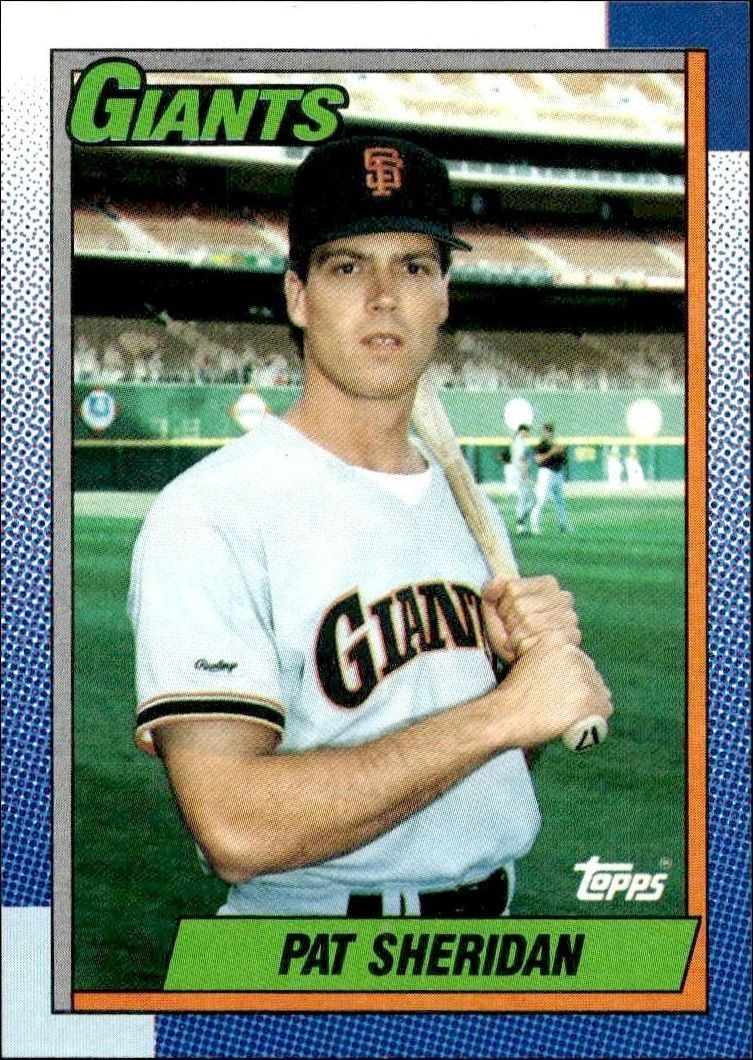
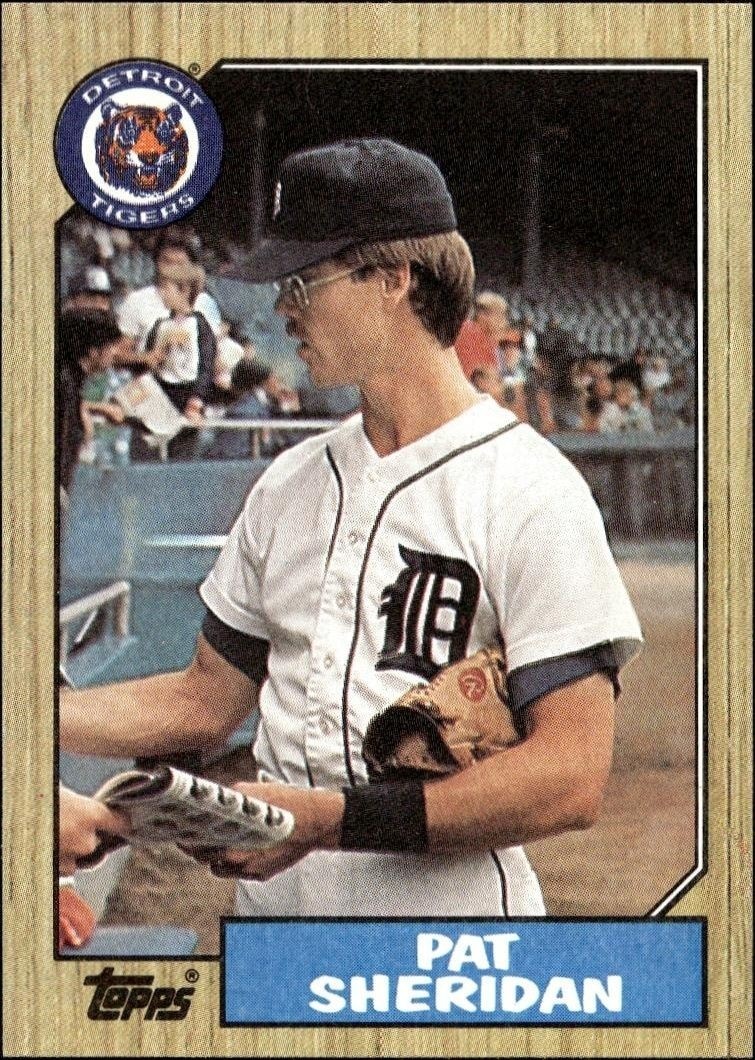
The 1988 Fleer Pat Sheridan #69 baseball card represents a classic entry from the Detroit Tigers roster during the late 1980s MLB season.
1988 • Fleer
Major League Baseball • Detroit Tigers
Near Mint
69
New
Shipping Calculated at Checkout
Arrives in 5-7 daysEstimated delivery October 23, 2026 - October 25, 2026
Seller returns October 19, 2026.30-day Returns| Condition | Value | Source | Trend | Price Details |
|---|---|---|---|---|
$1.26As of 9/24/2026 | Guide Estimate | |||
Raw / Ungraded
PriceCharting Price Guide · Guide Estimate evidence · captured Sep 25, 2026
History is building. At least two days of matching observations are needed to show a trend.
Each point is the last stored observation that day for this printing, condition, grader, autograph status and source. Gaps mean no observation; guide estimates and asking prices are not completed sales.The 1988 Fleer Pat Sheridan #69 baseball card captures a specific moment in Detroit Tigers history, offering collectors a tangible connection to the team's lineup during the late 1980s. For enthusiasts of vintage sports memorabilia, acquiring this card number provides an essential component for those building complete sets of 1980s baseball trading cards. Pat Sheridan’s tenure with the Detroit Tigers adds historical weight to this collectible, making it a favorite among fans of the organization and specialists in mid-career player cards. The 1988 Fleer series remains a cornerstone for many collectors, serving as a gateway into the hobby for new generations while satisfying veteran investors looking for stable, recognizable assets. The card’s straightforward presentation highlights the player in his official uniform, adhering to the classic aesthetic that defined the era before the graphic overhauls of the 1990s. Collecting 1988 Fleer cards often involves tracking down specific players who went on to have significant careers or those who remained staple contributors to their teams. Sheridan’s card offers a snapshot of his contributions to the Tigers, providing a narrative element that appeals to those who value the story behind the athlete as much as the artifact itself. Whether used for portfolio diversification, nostalgic remembrance, or set completion, this product holds a distinct place in the canon of modern baseball collectibles.
10 hours ago
We'll pre-fill the product details from this catalog entry, so your listing lands on this exact page. Just add photos of your copy, pick its condition, and set your price.
The catalog profile below summarizes the card identity, featured subject, and notable collectible traits.
The subject, team, league, and sport context tied to this card.
Production details and format-specific attributes.
Material
Card Stock
Language
English
Compare prices, grades, photos, and shipping from approved sellers.
New
Near Mint
See how many public collections currently include this card.
0 collectors have this card
This 1988 Fleer Pat Sheridan card sits at the lower tier of the vintage baseball market, reflecting the standard value of a non-marquee player from a major base-set release. While it lacks the premium pricing associated with superstar rookies or graded gem-mint examples, it remains a tangible entry point for collectors focusing on Detroit Tigers history. The current listing activity suggests a niche but steady interest in ungraded or raw examples from this specific era and brand.
As a standard base card without special attributes, serial numbering, or short-print designations, this item possesses a high supply relative to its counterpart special parallels. The scarcity is driven primarily by the natural attrition of vintage paper goods over several decades rather than intentional production limits. Consequently, it does not benefit from the supply constraints that typically elevate market value in modern or limited-edition releases.
The investment potential is limited by the absence of rookie-card status or high-demand team affiliation beyond a specific regional fanbase. While 1988 Fleer holds historical significance as a key early release, value appreciation for this particular player is likely to remain stable rather than growth-oriented. Collectors seeking to build comprehensive team sets may drive consistent, albeit modest, demand for ungraded copies.