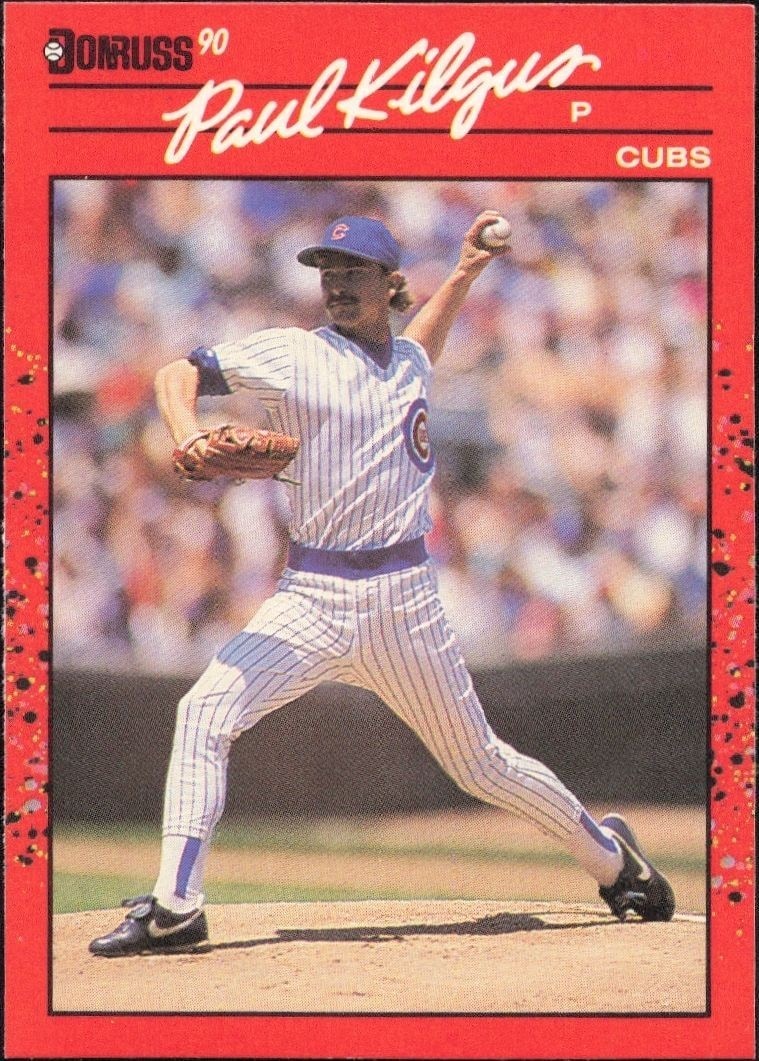





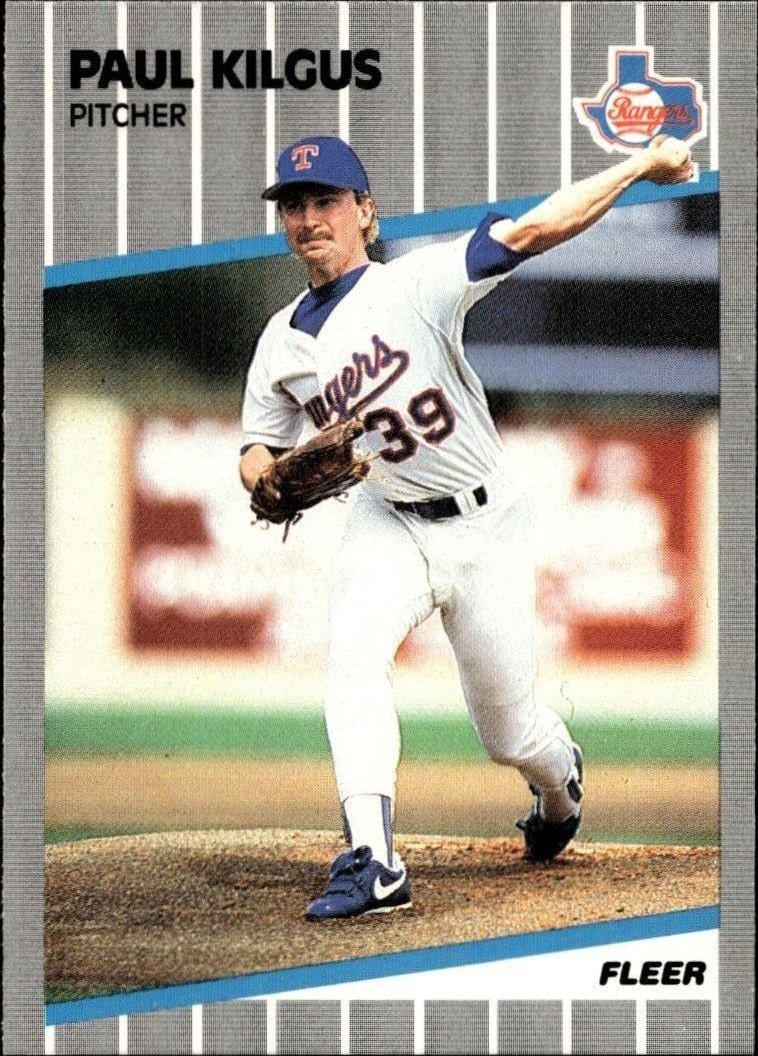


The 1988 Fleer Paul Kilgus #471 is a vintage sports trading card featuring the Texas Rangers player, offering a nostalgic look at late-80s baseball collectibles.
1988 • Fleer
Major League Baseball • Texas Rangers
Excellent
471
New
Shipping Calculated at Checkout
Arrives in 5-7 daysEstimated delivery October 23, 2026 - October 25, 2026
Seller returns October 19, 2026.30-day Returns| Condition | Value | Source | Trend | Price Details |
|---|---|---|---|---|
$0.40 | Guide Estimate | 0% | ||
Raw / Ungraded
PriceCharting Price Guide · Guide Estimate evidence · captured Oct 7, 2026
The 1988 Fleer Paul Kilgus #471 represents a distinct entry in the history of American trading cards. Released by Fleer during a pivotal era for the hobby, this card captures the visual style and production methods characteristic of the late 1980s. For collectors focusing on vintage baseball memorabilia, this release offers a tangible connection to the teams and players of that time. Paul Kilgus is the featured subject on card number 471. As a member of the Texas Rangers, his presence in the Fleer base set provides context for collectors who track team rosters or follow the careers of players from this season. The card serves as a cataloged record of his time with the organization, making it a relevant piece for those interested in the history of the Texas Rangers franchise during the 1980s. Collecting 1988 Fleer cards often appeals to enthusiasts who appreciate the design aesthetics and border treatments of that period. While the hobby has evolved significantly since 1988, cards from this year remain a staple for those building comprehensive collections or seeking to complete specific team sets. The #471 designation helps collectors navigate the full set, ensuring they can locate and organize this entry within their albums or binders. Whether you are a long-time collector of vintage sports cards or new to the world of baseball memorabilia, the 1988 Fleer Paul Kilgus #471 offers a straightforward yet meaningful addition to any collection. It stands as a reminder of the era when Fleer re-entered the market and began producing the high-quality cards that would define the hobby for decades to come. For those who value the heritage of sports trading cards, this release provides a clear window into the past, allowing collectors to hold a piece of baseball history in their hands.
10 hours ago
We'll pre-fill the product details from this catalog entry, so your listing lands on this exact page. Just add photos of your copy, pick its condition, and set your price.
The catalog profile below summarizes the card identity, featured subject, and notable collectible traits.
The subject, team, league, and sport context tied to this card.
Production details and format-specific attributes.
Material
Card Stock
Language
English
Compare prices, grades, photos, and shipping from approved sellers.
New
Excellent
See how many public collections currently include this card.
0 collectors have this card
This 1988 Fleer Paul Kilgus card occupies the lower tier of the market, reflecting its status as a standard base card with no special attributes to drive value. While active listings are currently limited, the card trades at a modest price point typical for non-star players from this era. Its value is primarily anchored by its age and brand recognition rather than individual player performance metrics or scarcity.
The card lacks any noted special attributes such as serial numbering, short-print designation, or parallel finishes, placing it firmly in the base set category. This absence of scarcity mechanics means the supply is determined by the original print run of the 1988 Fleer set, which likely includes high quantities of this specific player card. Consequently, it does not benefit from the supply constraints that typically elevate value in collectible markets.
As a non-rookie, standard issue card from a major brand, this item serves more as a completionist piece than a speculative investment. Collector demand is likely driven by those assembling complete Texas Rangers or Fleer sets from the late 1980s rather than by Kilgus's individual career significance. The outlook suggests stable, low-volume trading activity rather than appreciation potential.