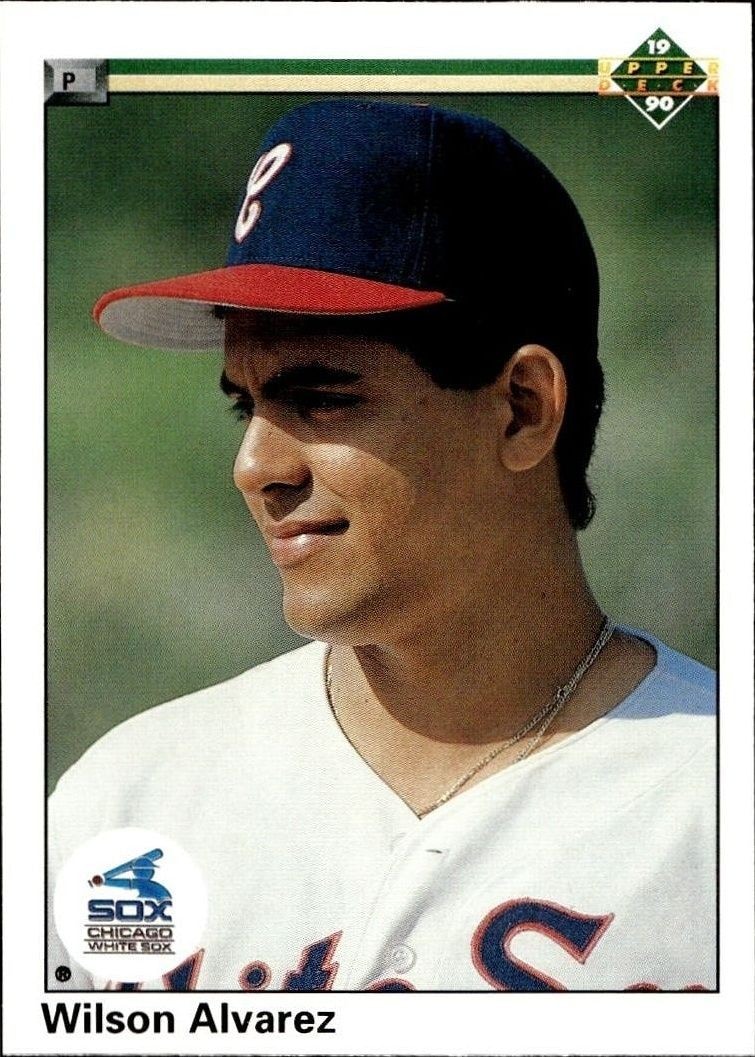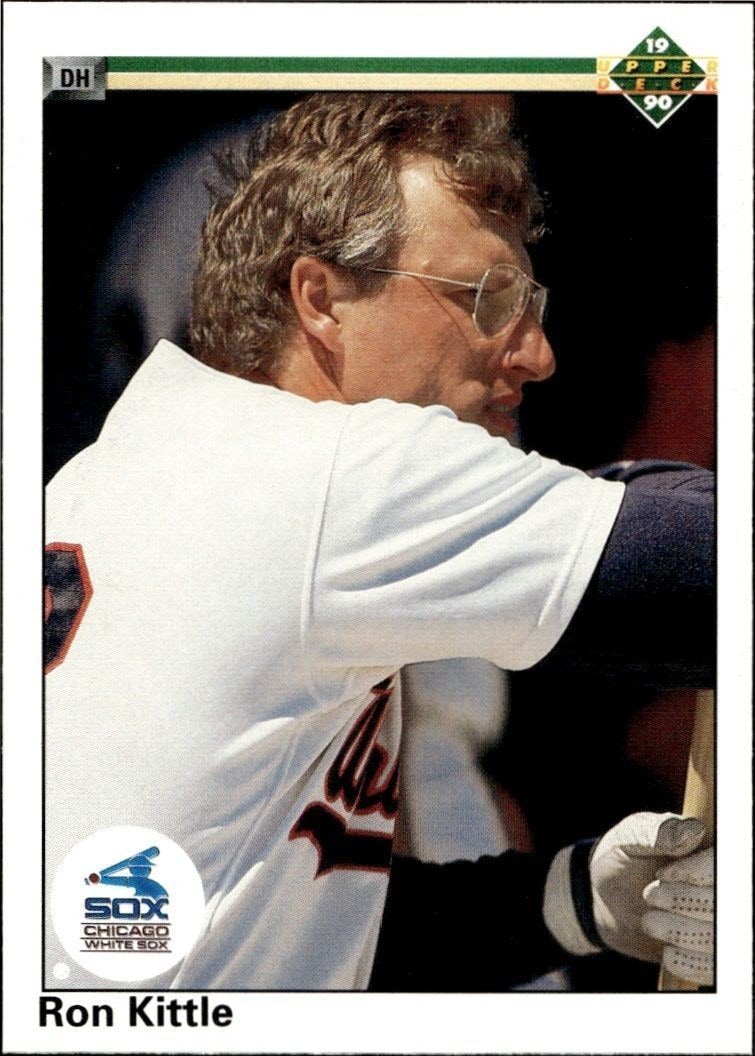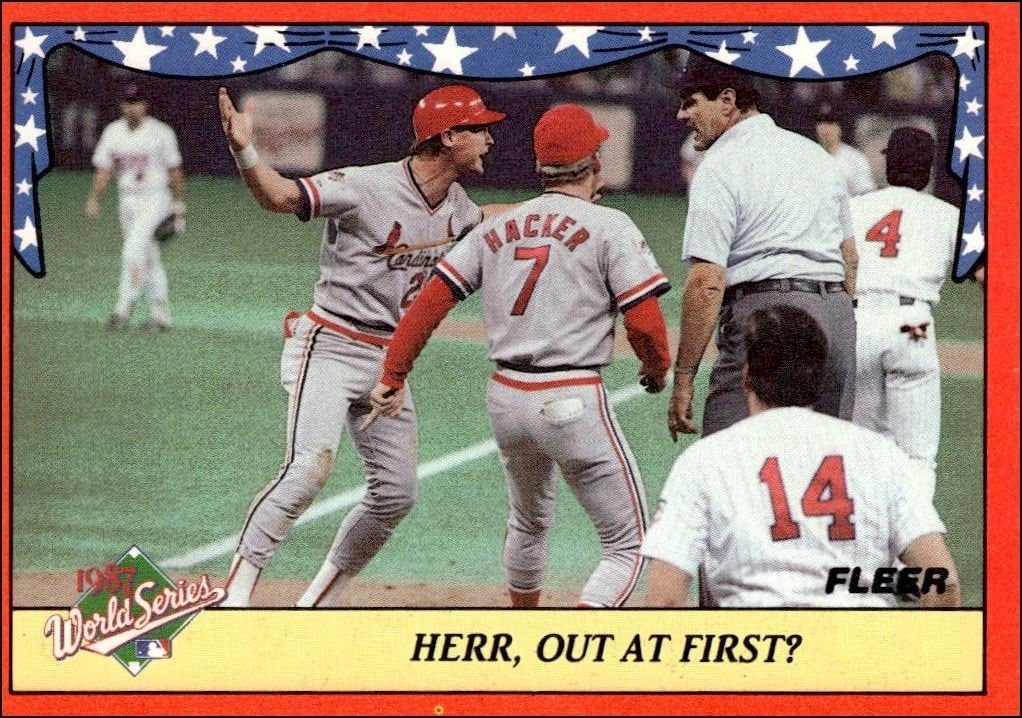
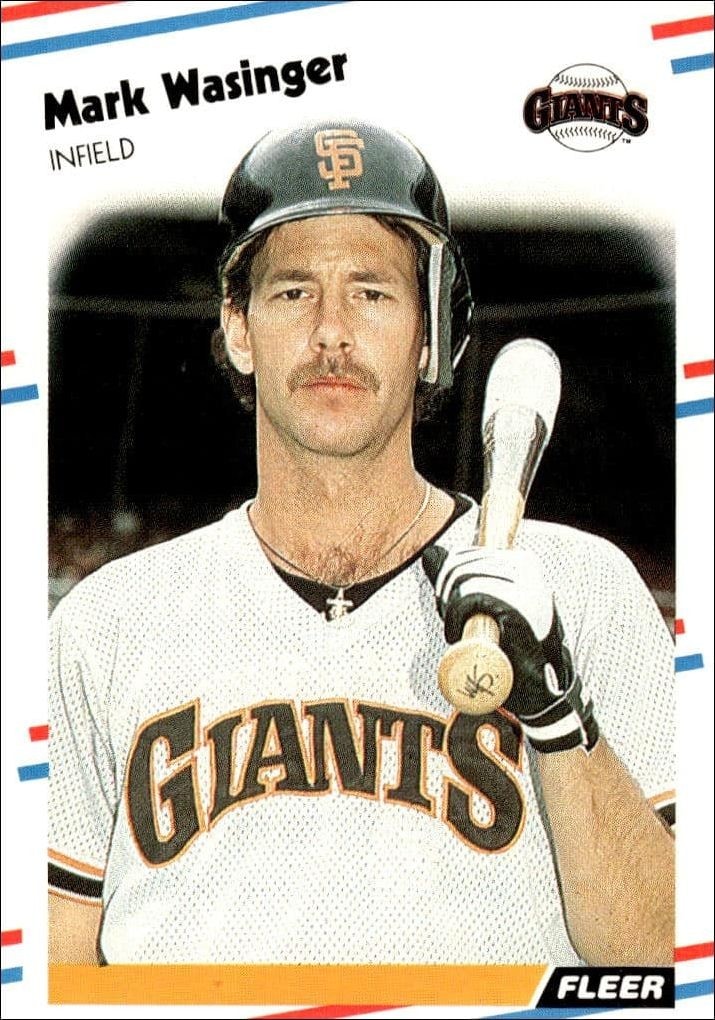

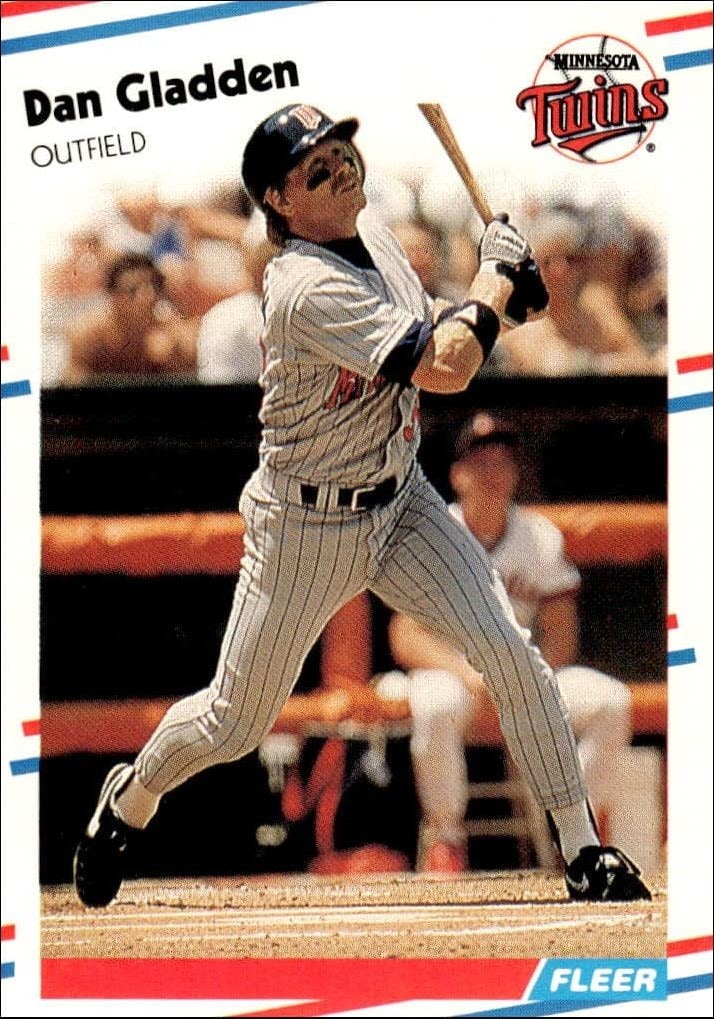

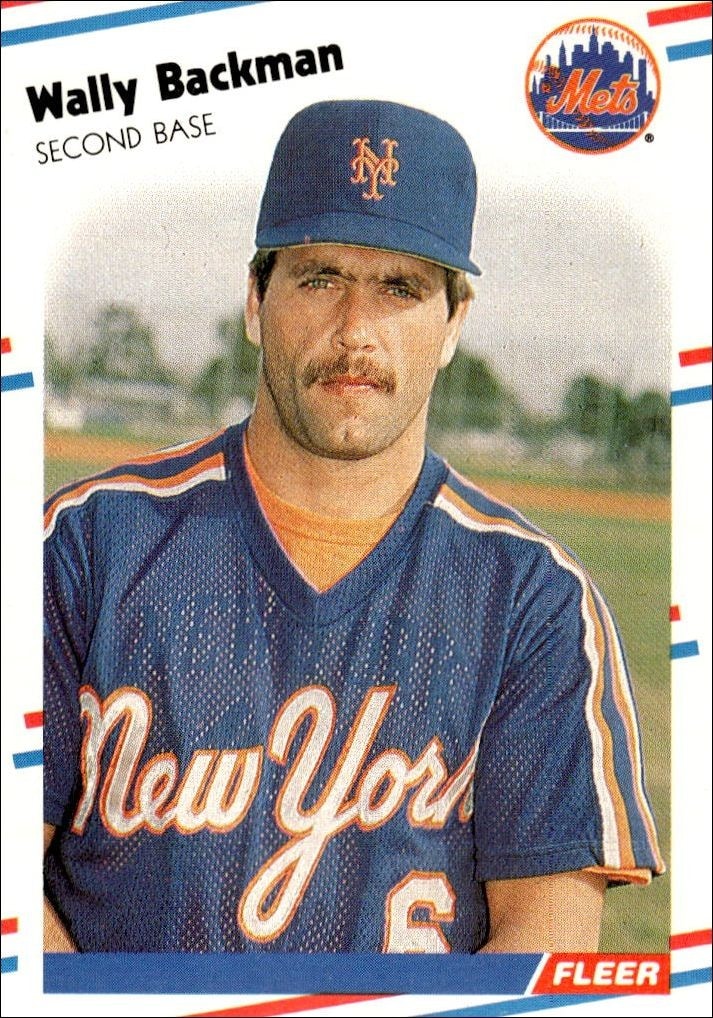

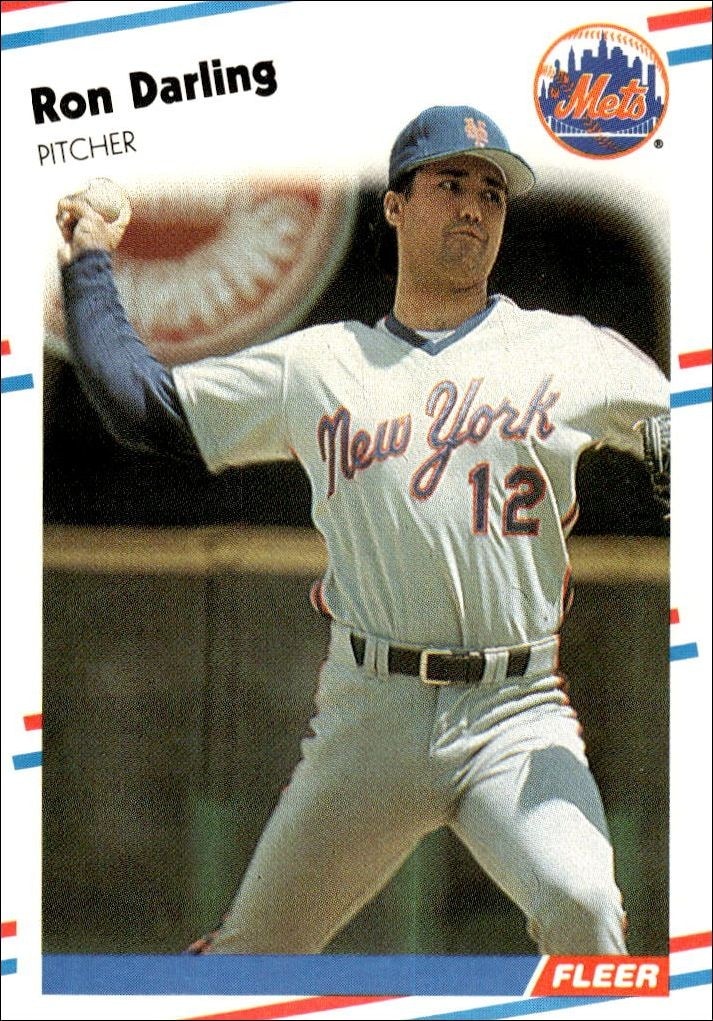

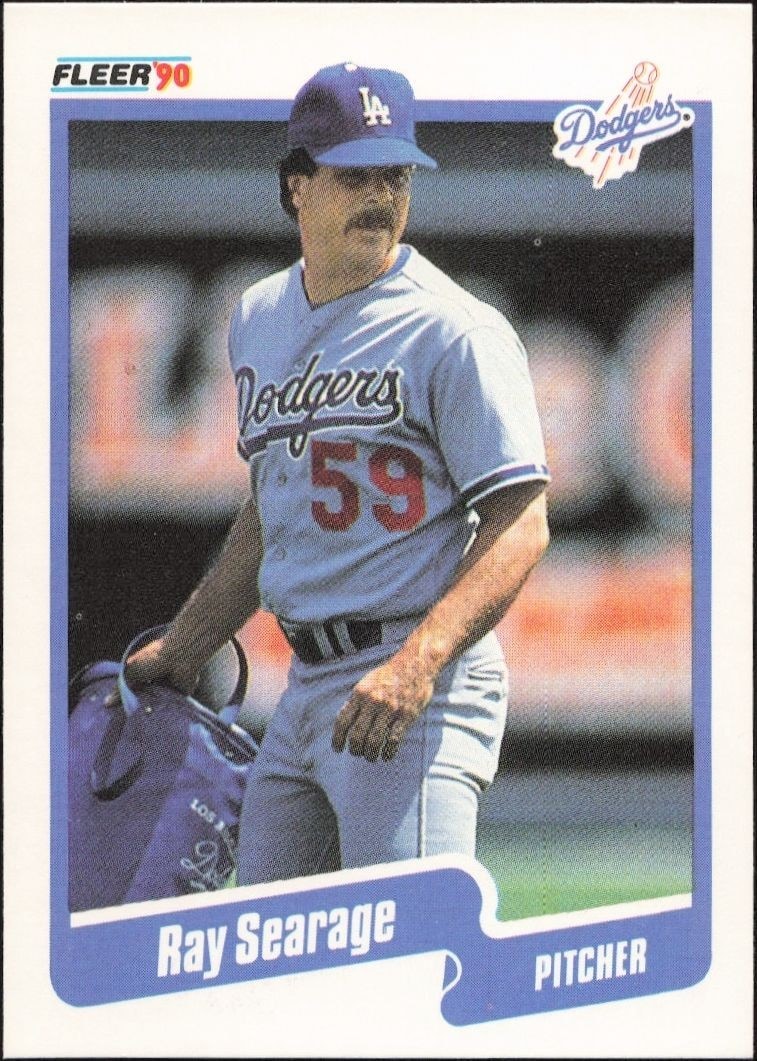
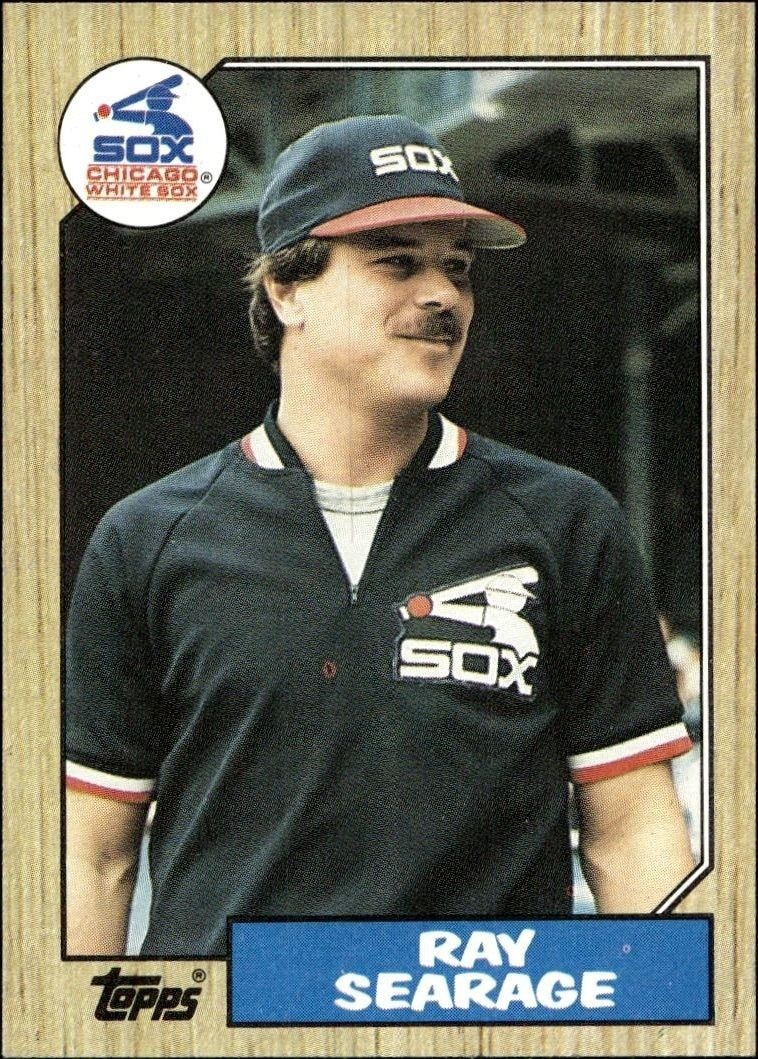
The 1988 Fleer #409 Ray Searage card offers a vintage snapshot of the Chicago White Sox infielder during his MLB career. This classic sports trading card captures a specific moment in 1980s baseball history.
1988 • Fleer
Major League Baseball • Chicago White Sox
Near Mint
409
New
Shipping Calculated at Checkout
Arrives in 5-7 daysEstimated delivery October 23, 2026 - October 25, 2026
Seller returns October 19, 2026.30-day Returns| Condition | Value | Source | Trend | Price Details |
|---|---|---|---|---|
$1.49As of 9/24/2026 | Guide Estimate | |||
Raw / Ungraded
PriceCharting Price Guide · Guide Estimate evidence · captured Sep 25, 2026
History is building. At least two days of matching observations are needed to show a trend.
Each point is the last stored observation that day for this printing, condition, grader, autograph status and source. Gaps mean no observation; guide estimates and asking prices are not completed sales.Ray Searage #409 from the 1988 Fleer release serves as a distinct artifact from a pivotal era in Major League Baseball. As a member of the Chicago White Sox roster during the late 1980s, Searage represented the organization on the diamond, making this card a relevant piece for fans of that specific team lineage. The 1988 Fleer brand is widely recognized for its vibrant, colorful design aesthetic that defined sports card collecting during that decade, offering a nostalgic visual experience for hobbyists. Collectors often seek out this card number to complete their base set collections or to build thematic archives focused on the Chicago White Sox. The card provides a tangible connection to Searage’s tenure in the league, allowing enthusiasts to track the careers of players who may not have received the same mainstream attention as superstars but remain integral to their team's history. For investors and serious hobbyists, vintage 1980s cards are valued for their historical context and the unique graphic styles that distinguish them from modern releases. The 1988 Fleer Ray Searage card is an essential component for those curating a comprehensive library of MLB memorabilia. It represents the broader landscape of 1980s baseball, capturing the era's culture and the specific roster compositions of the time. Whether you are a long-time collector looking to fill a gap in your White Sox portfolio or a new enthusiast exploring vintage sports cards, this product offers a direct link to the sport's past.
7 hours ago
We'll pre-fill the product details from this catalog entry, so your listing lands on this exact page. Just add photos of your copy, pick its condition, and set your price.
The catalog profile below summarizes the card identity, featured subject, and notable collectible traits.
The subject, team, league, and sport context tied to this card.
Production details and format-specific attributes.
Material
Card Stock
Language
English
Compare prices, grades, photos, and shipping from approved sellers.
New
Near Mint
See how many public collections currently include this card.
0 collectors have this card
This 1988 Fleer card represents a foundational entry into the modern baseball card market, positioning itself as a budget-friendly option within the broader Chicago White Sox inventory. Its current valuation reflects its status as a standard base card from a pre-millennium era, trading at a accessible tier compared to premium inserts or later vintage issues. The lack of special attributes keeps it grounded in the volume-driven segment of the hobby.
As a standard base card from the 1988 Fleer set, this item does not possess any intrinsic scarcity mechanics such as serial numbering, short printing, or parallel variants. Its supply is effectively unlimited relative to the primary market, as these were mass-produced for general distribution. Consequently, rarity is derived solely from condition survival rates rather than intentional print restrictions.
The card lacks the rookie-card premium or unique parallel status typically required for significant appreciation, limiting its growth potential to general vintage set completion demand. Collector interest is likely driven by nostalgia for the late-1980s era rather than specific player accolades or card exclusivity. It serves best as a filler piece for comprehensive set builders rather than a standalone investment vehicle.