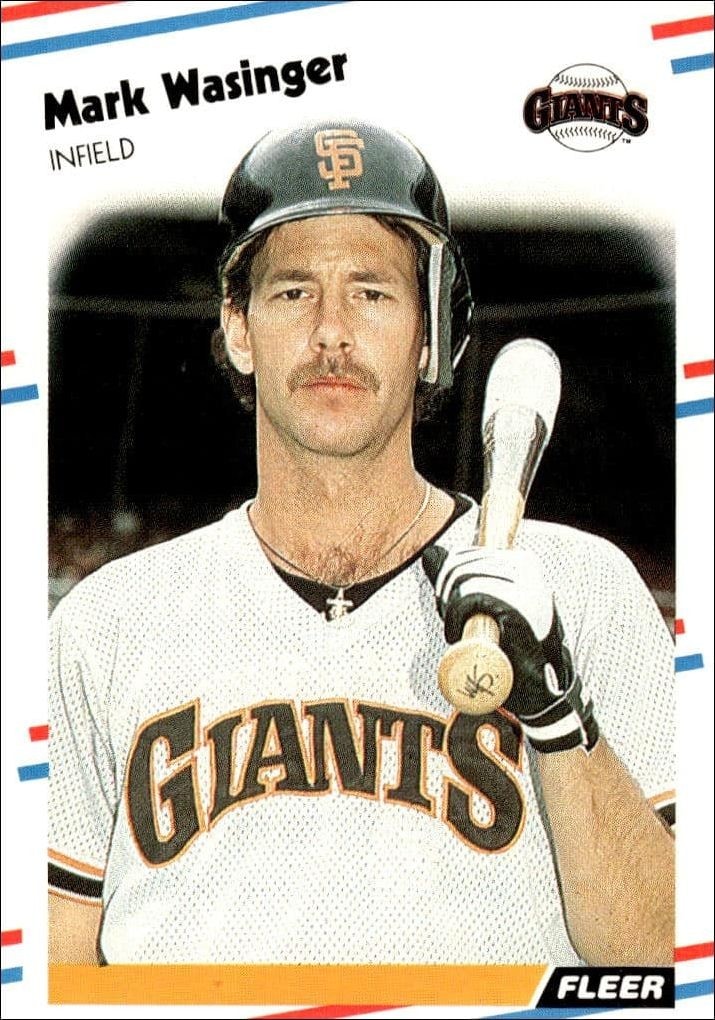

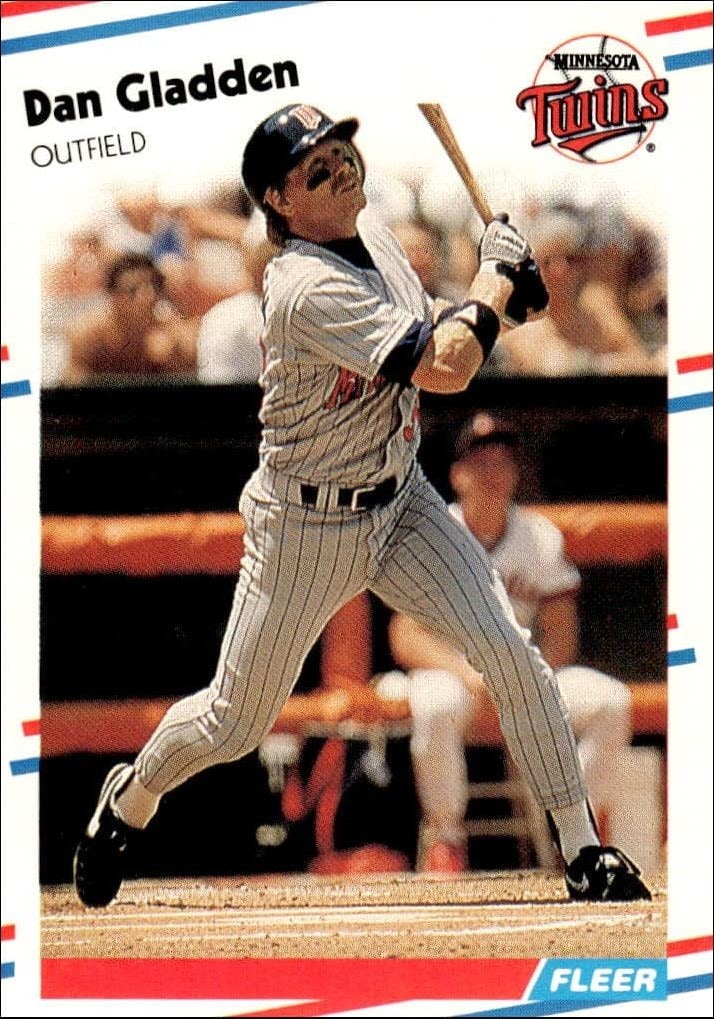

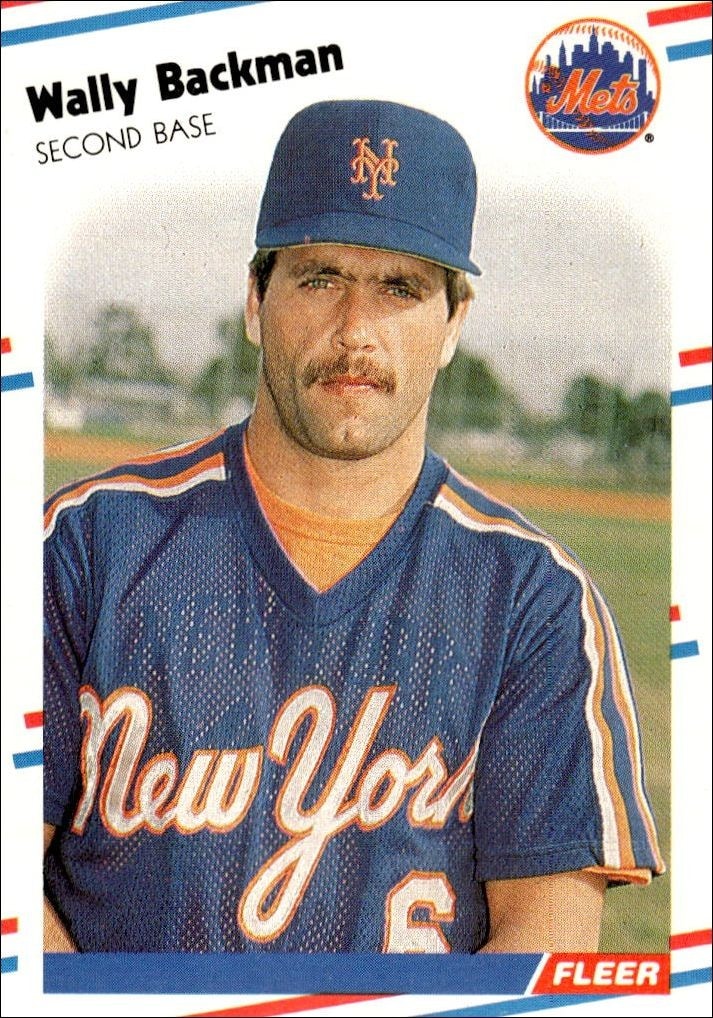

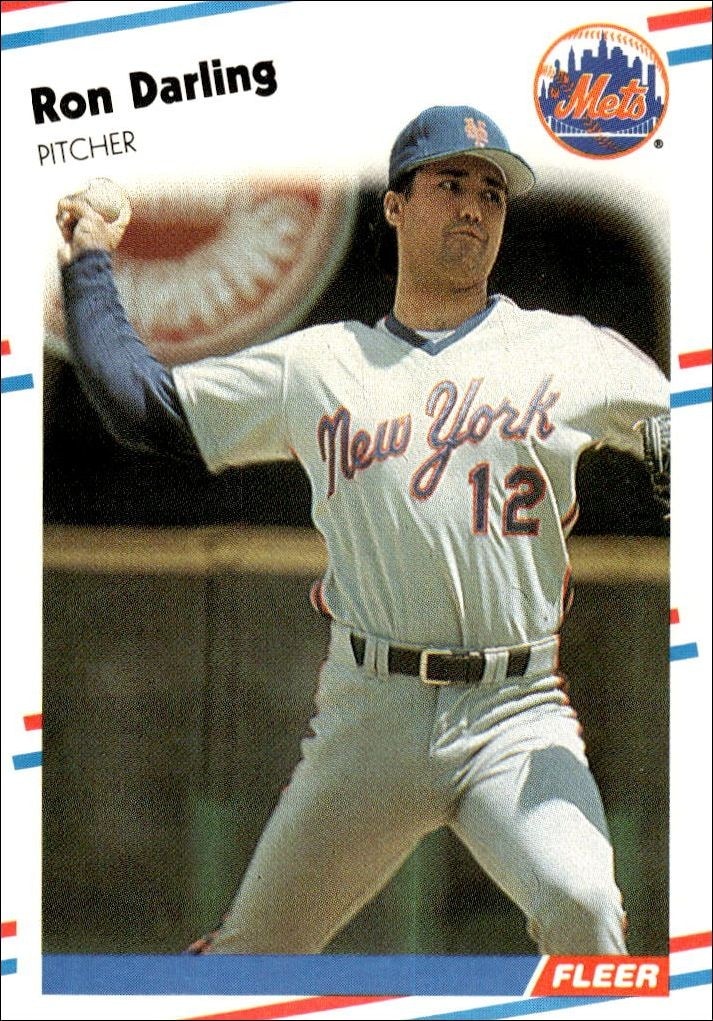

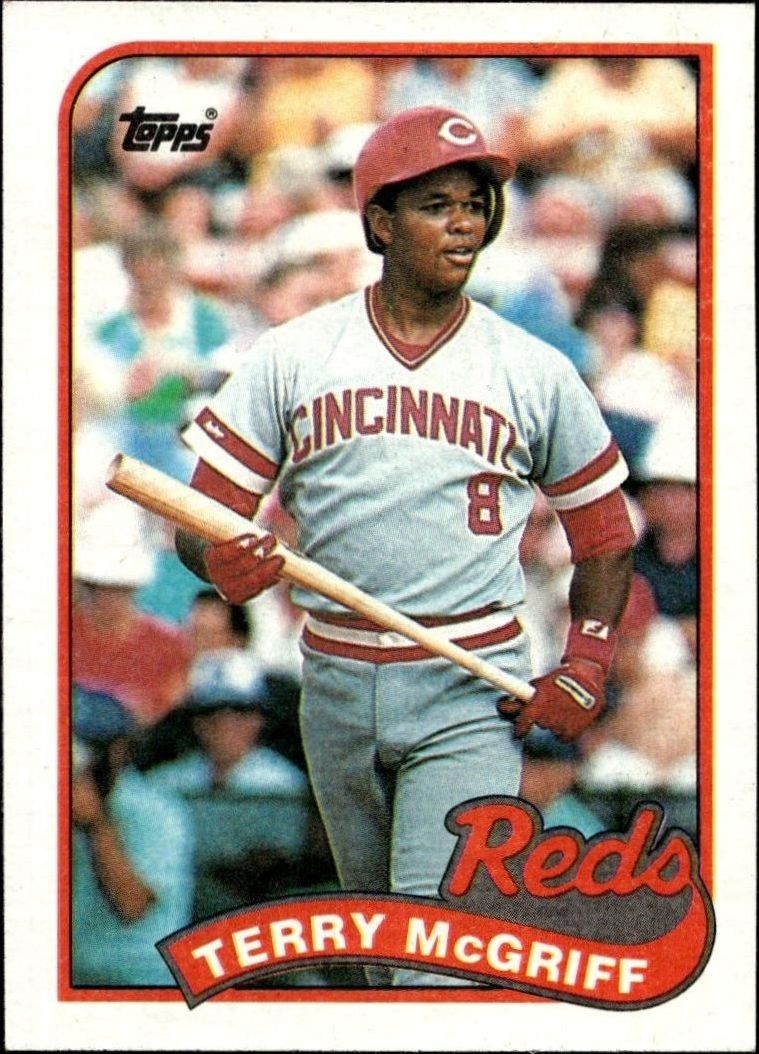
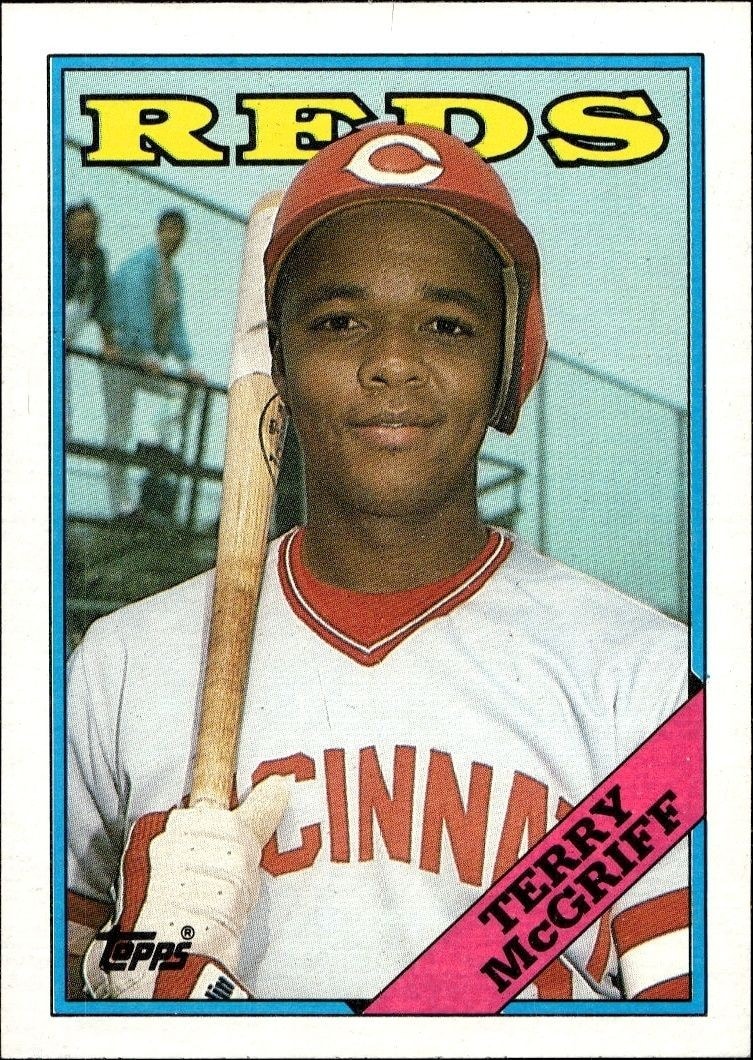
Explore the 1988 Fleer Terry McGriff #240 baseball card, a notable release from the classic Fleer brand featuring Cincinnati Reds outfielder Terry McGriff.
1988 • Fleer
Major League Baseball • Cincinnati Reds
Excellent
240
New
Shipping Calculated at Checkout
Arrives in 5-7 daysEstimated delivery October 23, 2026 - October 25, 2026
Seller returns October 19, 2026.30-day Returns| Condition | Value | Source | Trend | Price Details |
|---|---|---|---|---|
$1.76 | Guide Estimate | |||
$11.39As of 9/14/2026 | Guide Estimate | |||
$24.64As of 9/14/2026 | Guide Estimate | |||
$44.68As of 9/14/2026 | Guide Estimate | |||
$158.00As of 9/14/2026 | Guide Estimate | |||
$73.00As of 9/14/2026 | Guide Estimate | |||
$121.78As of 9/14/2026 | Guide Estimate | |||
$73.00As of 9/14/2026 | Guide Estimate | |||
Raw / Ungraded
PriceCharting Price Guide · Guide Estimate evidence · captured Oct 15, 2026
History is building. At least two days of matching observations are needed to show a trend.
Each point is the last stored observation that day for this printing, condition, grader, autograph status and source. Gaps mean no observation; guide estimates and asking prices are not completed sales.The 1988 Fleer Terry McGriff #240 represents a distinct chapter in sports trading card history, marking Fleer's return to the baseball market after a long hiatus. Collectors value this era for its innovative artwork and the way it redefined the visual identity of baseball cards. Terry McGriff is featured as a Cincinnati Reds outfielder, capturing his tenure with the team during the late 1980s. For collectors focusing on Cincinnati Reds history or Fleer releases from this period, card #240 serves as an essential component of the base set. The 1988 Fleer checklist is extensive, and this card is recognized by its specific number, making it easy to identify and track for set builders. As a product from the late 80s, the 1988 Fleer Terry McGriff #240 appeals to both vintage enthusiasts and investors looking to diversify their portfolios with classic baseball items. The brand's resurgence in 1988 is a significant milestone, and owning cards from this release connects collectors to the evolution of the hobby. Whether you are completing a full base set or seeking specific team representations, this card remains a fundamental piece of the 1988 Fleer collection. By focusing on accurate catalog data and collector needs, we help hobbyists navigate the market with confidence. This card stands as a testament to the enduring appeal of 1980s baseball memorabilia and the legacy of Fleer in the hobby.
11 hours ago
We'll pre-fill the product details from this catalog entry, so your listing lands on this exact page. Just add photos of your copy, pick its condition, and set your price.
The catalog profile below summarizes the card identity, featured subject, and notable collectible traits.
The subject, team, league, and sport context tied to this card.
Production details and format-specific attributes.
Material
Card Stock
Language
English
Compare prices, grades, photos, and shipping from approved sellers.
New
Excellent
See how many public collections currently include this card.
0 collectors have this card
This 1988 Fleer Terry McGriff card represents a baseline entry point for collectors focusing on Cincinnati Reds memorabilia from this specific era. While it lacks the premium status of rookie issues or high-end parallels, it serves as an affordable option for those building foundational sets. The card trades at a modest level relative to the broader Fleer product line, reflecting its standard base-card status without significant condition premiums.
As a standard base card without noted special attributes, this item does not benefit from serial numbering, short-print designations, or parallel variations that typically restrict supply. Its availability is determined primarily by the total print run of the 1988 Fleer set, which remains relatively high compared to limited-edition releases. Consequently, the supply remains accessible, preventing the scarcity-driven value increases seen in rarer parallels or insert cards.
Investment potential is limited by the card's position as a non-rookie, base-issue item from a mid-tier brand in the late 1980s. Demand is likely driven by niche collectors seeking complete team sets rather than speculative growth. Long-term value appreciation is expected to remain stable rather than explosive, given the lack of unique scarcity mechanics or rookie-card premium mechanics to drive collector interest.