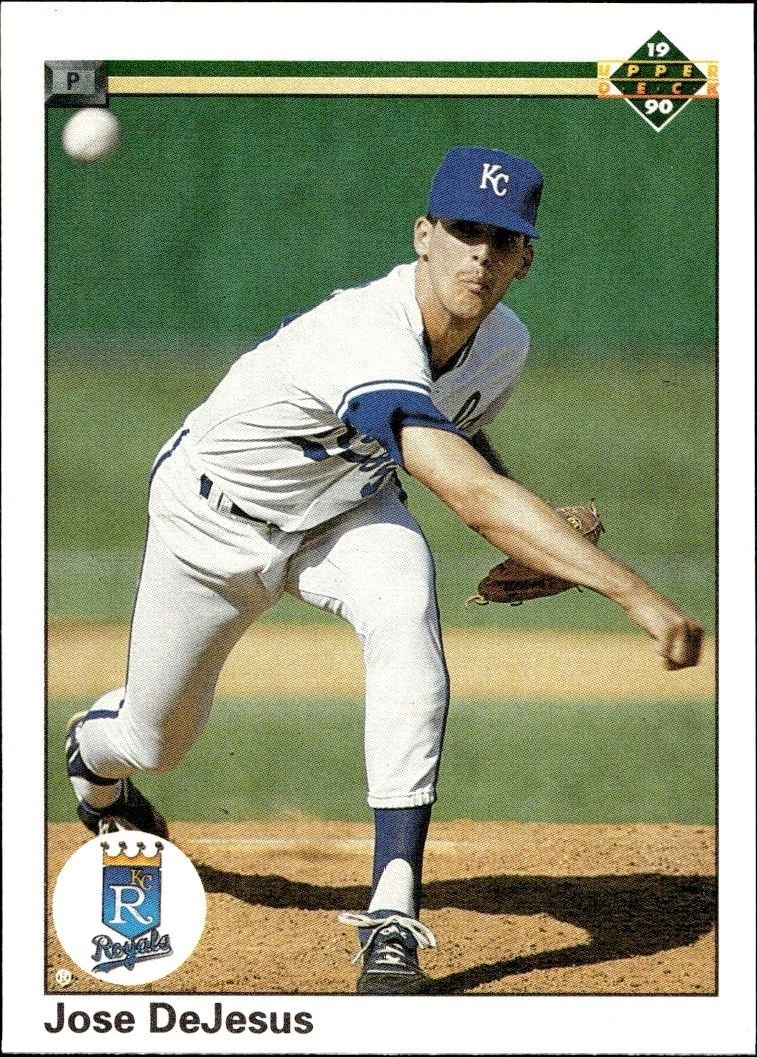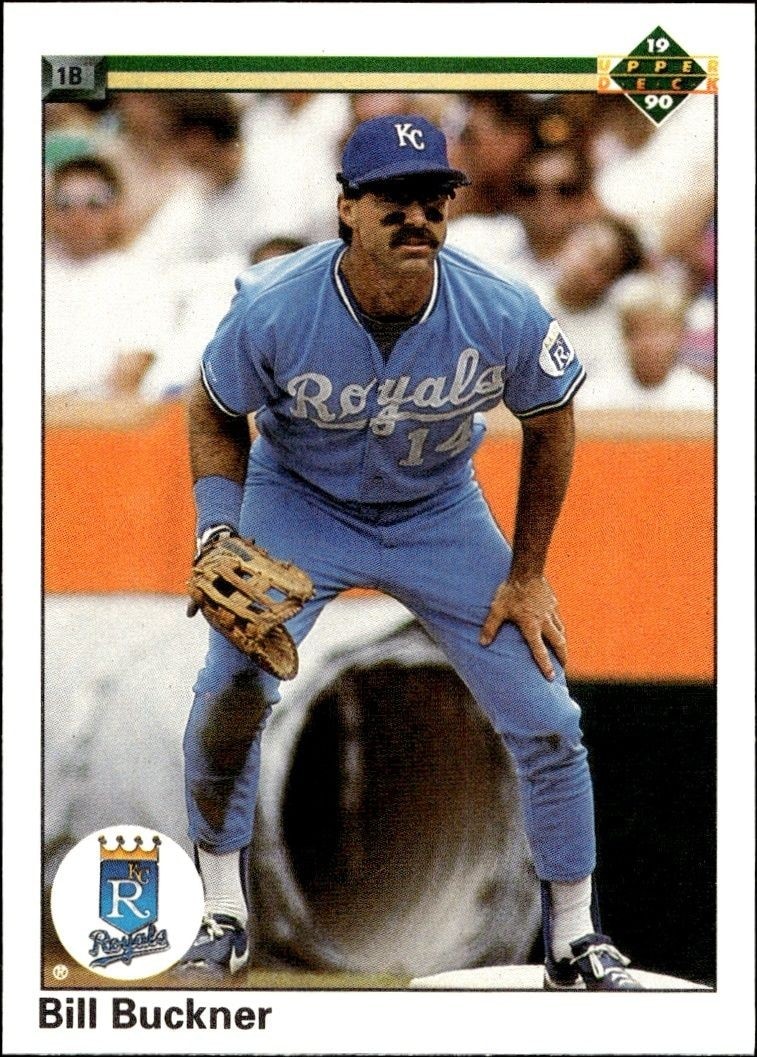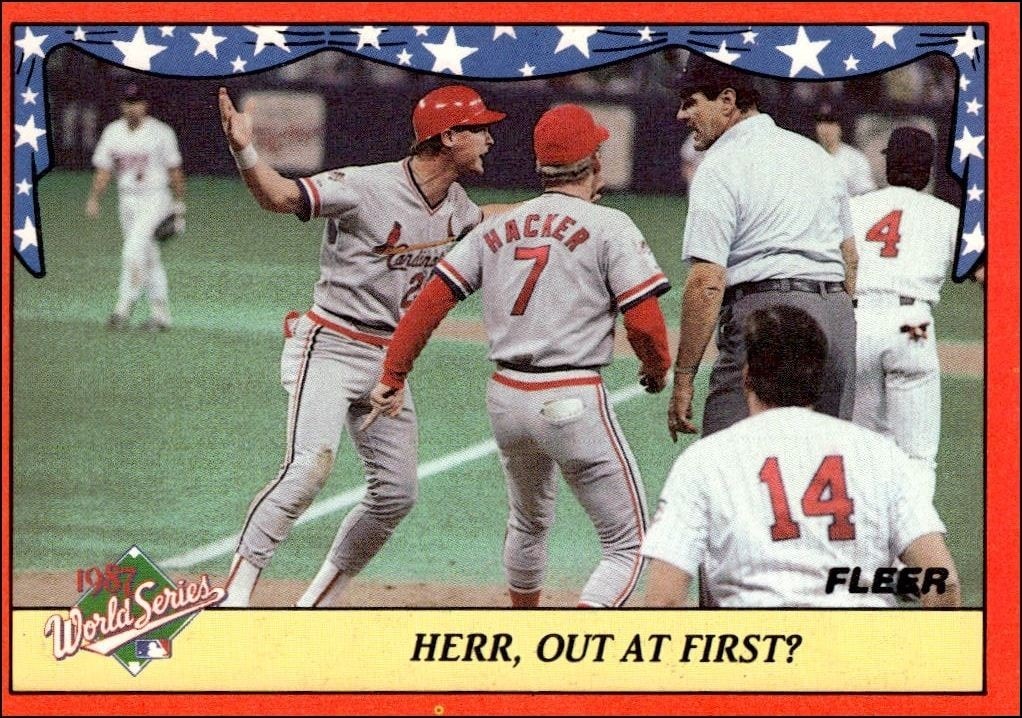
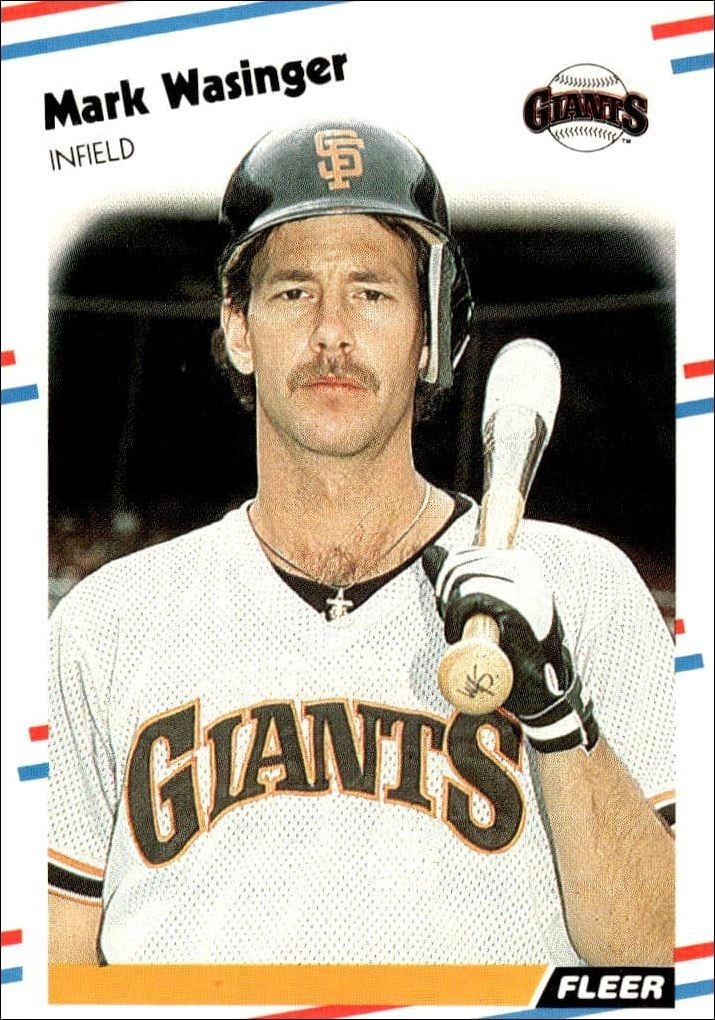





The 1988 Fleer Thad Bosley #253 sports card represents a specific era of Kansas City Royals history and Fleer's design style from that time.
1988 • Fleer
Major League Baseball • Kansas City Royals
Excellent
253
New
Shipping Calculated at Checkout
Arrives in 4-6 daysEstimated delivery October 24, 2026 - October 26, 2026
30-day Returns| Condition | Value | Source | Trend | Price Details |
|---|---|---|---|---|
$1.31 | Guide Estimate | |||
Raw / Ungraded
PriceCharting Price Guide · Guide Estimate evidence · captured Oct 15, 2026
History is building. At least two days of matching observations are needed to show a trend.
Each point is the last stored observation that day for this printing, condition, grader, autograph status and source. Gaps mean no observation; guide estimates and asking prices are not completed sales.This entry, numbered 253, features Thad Bosley during his tenure with the Kansas City Royals. As a product of Fleer's production during this period, the card captures the aesthetic and printing techniques characteristic of late-80s sports trading cards, making it a relevant piece for enthusiasts of vintage baseball artifacts. Thad Bosley's career with the Royals is documented in this release, offering fans a tangible connection to the team's roster from that specific season. For collectors focusing on Kansas City Royals history, items like this #253 card serve as important components in building a comprehensive archive of the franchise's past. Whether you are a dedicated collector of Royals memorabilia or a generalist seeking to complete a decade-specific set, finding accurate and authentic examples of these cards is essential. The platform supports collectors in their pursuit of historical sports items, ensuring that the identity and context of each card are preserved and clearly communicated. Understanding the significance of card numbers and set contexts helps collectors appreciate the broader narrative of baseball trading card history. The 1988 Fleer set remains a notable chapter in the evolution of the hobby, and cards like Thad Bosley's #253 contribute to that legacy. By focusing on the factual attributes of the release, collectors can make informed decisions about adding this piece to their collections.
16 hours ago
We'll pre-fill the product details from this catalog entry, so your listing lands on this exact page. Just add photos of your copy, pick its condition, and set your price.
The catalog profile below summarizes the card identity, featured subject, and notable collectible traits.
The subject, team, league, and sport context tied to this card.
Production details and format-specific attributes.
Material
Card Stock
Language
English
Compare prices, grades, photos, and shipping from approved sellers.
New
Excellent
See how many public collections currently include this card.
0 collectors have this card
This 1988 Fleer card represents a foundational entry-level asset for collectors focusing on the Kansas City Royals franchise during the late 1980s era. While it does not command a significant premium due to the lack of special parallel or short-print attributes, it remains an accessible option for completing base set requirements. The current market positioning suggests it trades at a modest value relative to higher-tier rookie or autographed issues from the same brand.
As a standard base card from the 1988 Fleer release, this item lacks exclusive scarcity drivers such as serial numbering, short-print status, or unique parallels. The supply is determined by the original mass production run typical of mainstream baseball card sets from that period, meaning it is readily available to collectors seeking complete sets. Without special manufacturing variations, its rarity is defined solely by its inclusion in the primary base checklist.
The card functions primarily as a component for set completion rather than a standalone speculative investment. Demand is likely stable among niche collectors assembling vintage Fleer Royals sets, but it lacks the dynamic growth potential associated with rookie cards or player milestones. Long-term value retention will depend on the broader interest in 1980s baseball memorabilia rather than individual player performance metrics.