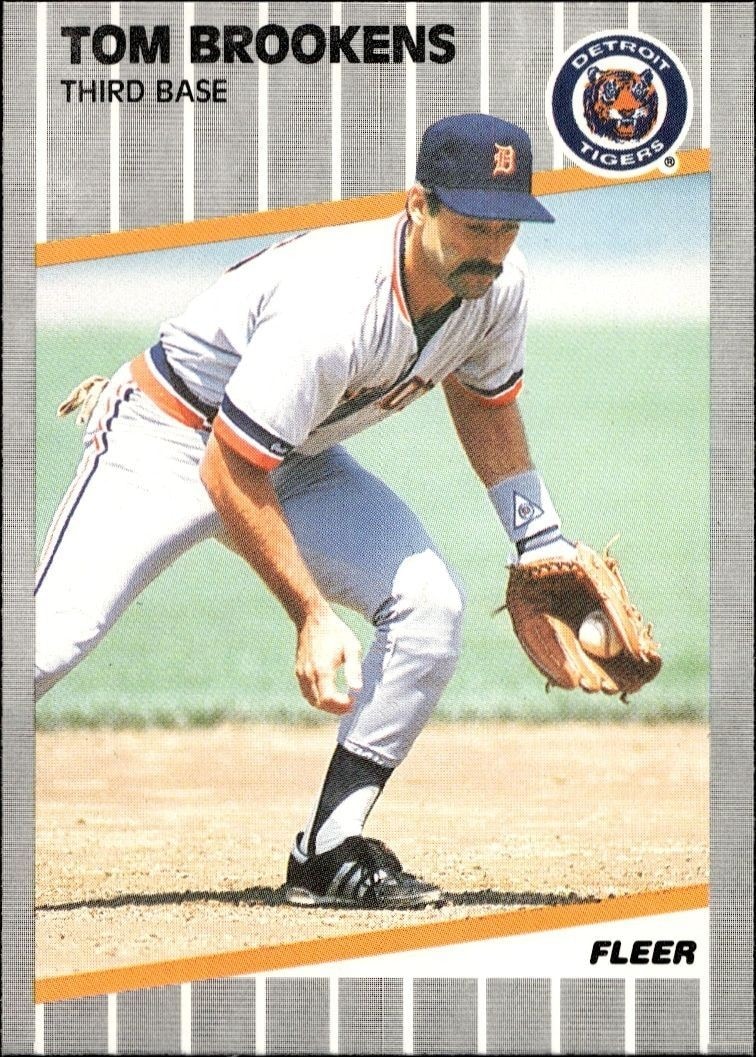








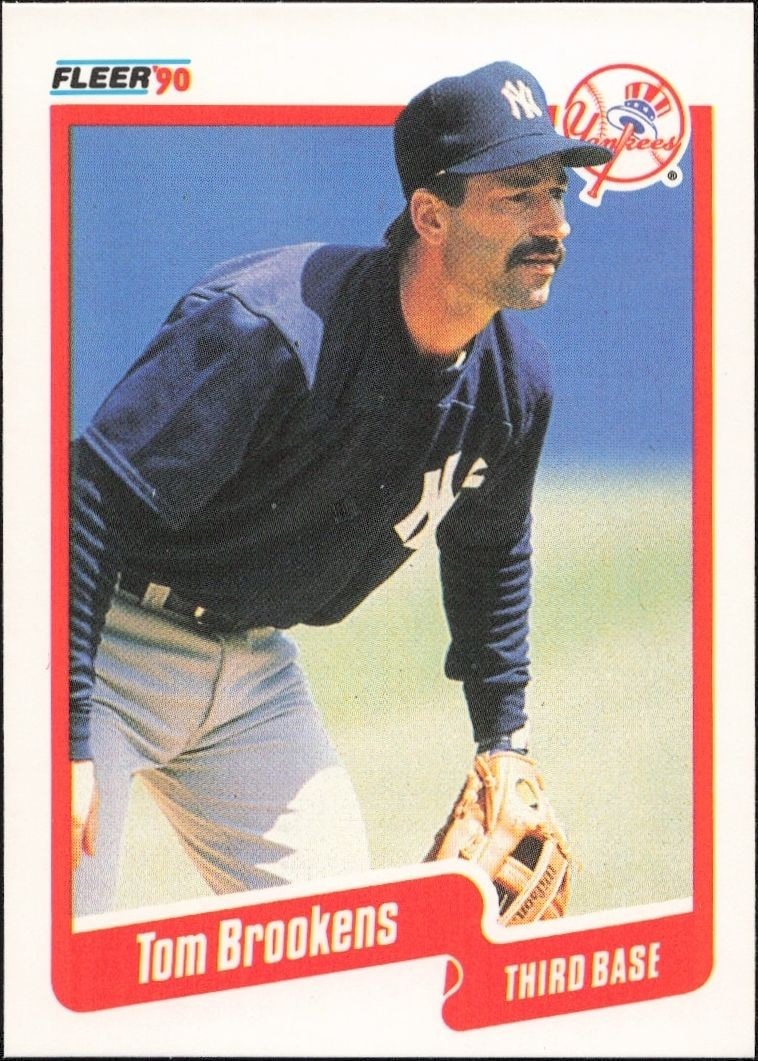
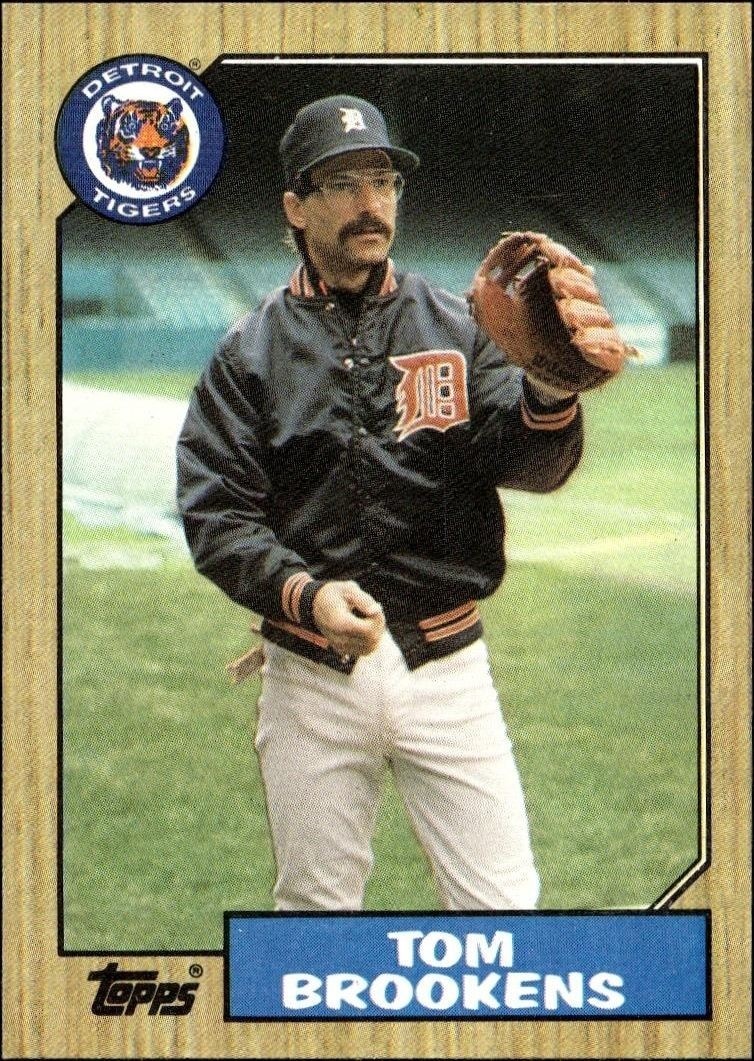

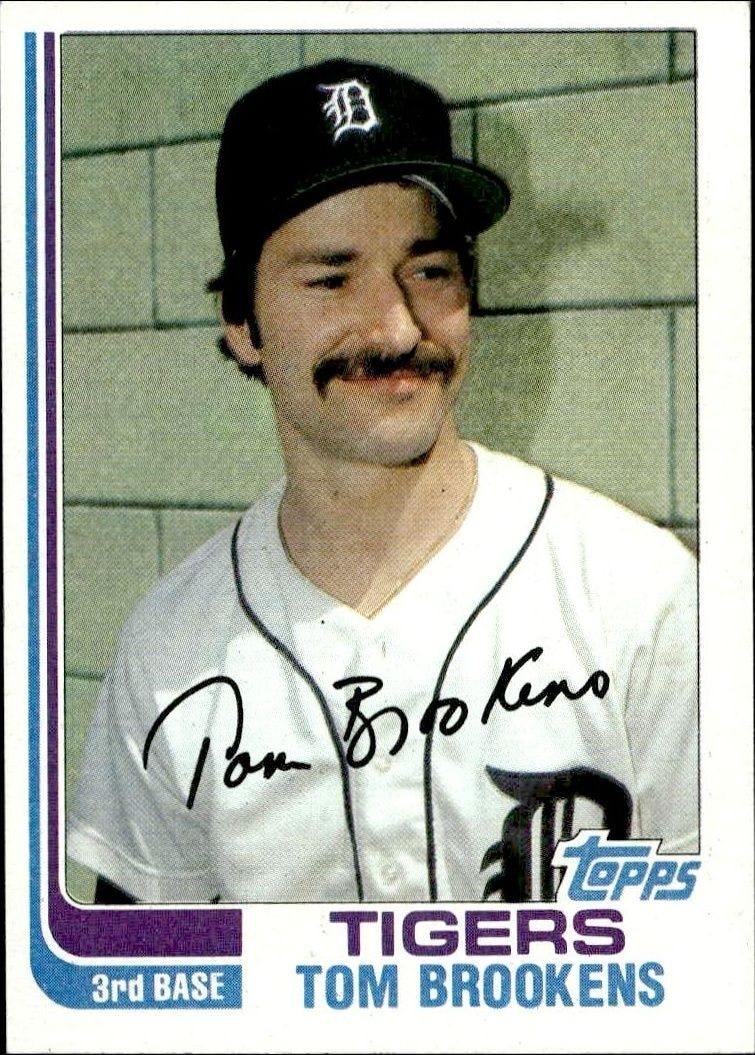


The 1988 Fleer Tom Brookens #53 baseball card represents a key piece of vintage Detroit Tigers memorabilia from a landmark year in card collecting.
1988 • Fleer
Major League Baseball • Detroit Tigers
Near Mint
53
New
Shipping Calculated at Checkout
Arrives in 4-6 daysEstimated delivery October 23, 2026 - October 25, 2026
Seller returns October 19, 2026.30-day Returns| Condition | Value | Source | Trend | Price Details |
|---|---|---|---|---|
$1.39As of 9/24/2026 | Guide Estimate | |||
Raw / Ungraded
PriceCharting Price Guide · Guide Estimate evidence · captured Sep 25, 2026
History is building. At least two days of matching observations are needed to show a trend.
Each point is the last stored observation that day for this printing, condition, grader, autograph status and source. Gaps mean no observation; guide estimates and asking prices are not completed sales.The 1988 Fleer Tom Brookens #53 baseball card stands as a significant entry for collectors focused on vintage Detroit Tigers memorabilia. Released in 1988, this card is part of the Fleer brand lineup, a manufacturer that played a pivotal role in reshaping the modern sports card landscape. For enthusiasts of baseball trading cards, this card number offers a direct connection to a foundational era of the hobby. Tom Brookens is featured prominently on this card, capturing his tenure with the Detroit Tigers. Collectors often seek out individual cards like this one to complete specific team sets or to build focused collections around notable players and franchises. The 1988 Fleer Tom Brookens #53 baseball card appeals to those who appreciate the history of the sport and the evolution of card design. Whether you are a long-time hobbyist or new to collecting, this card provides a tangible link to the 1988 season and the Detroit Tigers' roster. For investors and serious collectors, understanding the context of the 1988 Fleer release is crucial. This year marked a period of growth and innovation in the trading card industry, and cards from this set continue to hold interest among those who value historical significance and brand reputation. The Tom Brookens #53 card remains a recognizable and sought-after item for those looking to add a piece of baseball history to their collection.
1 day ago
We'll pre-fill the product details from this catalog entry, so your listing lands on this exact page. Just add photos of your copy, pick its condition, and set your price.
The catalog profile below summarizes the card identity, featured subject, and notable collectible traits.
The subject, team, league, and sport context tied to this card.
Production details and format-specific attributes.
Material
Card Stock
Language
English
Compare prices, grades, photos, and shipping from approved sellers.
New
Near Mint
See how many public collections currently include this card.
0 collectors have this card
This 1988 Fleer card of Tom Brookens represents a budget-friendly entry point into Detroit Tigers memorabilia, trading well below the premium tiers associated with franchise legends. Its current market positioning reflects the typical liquidity of non-star position players from this era, where condition and rarity play minimal roles in driving value. Collectors seeking specific team history can acquire this piece at a negligible cost compared to high-profile rookie cards or Hall of Fame inductees.
The card possesses no special scarcity attributes, identifying it as a standard base issue within the 1988 Fleer set. This lack of serial numbering, short-print status, or parallel variation means the supply is determined entirely by the original mass production run. Consequently, the card exists in high volume relative to hobbyist demand, with no mechanical constraints limiting its availability in the secondary market.
As a non-rookie card of a role player, this item lacks the premium mechanics typically associated with significant appreciation, such as rookie status or limited edition scarcity. The collector demand drivers are limited to niche team-specific collections or bulk lot acquisitions rather than speculative growth. Investors should view this as a low-risk, low-reward component for completing a set rather than a standalone asset with strong upside potential.