




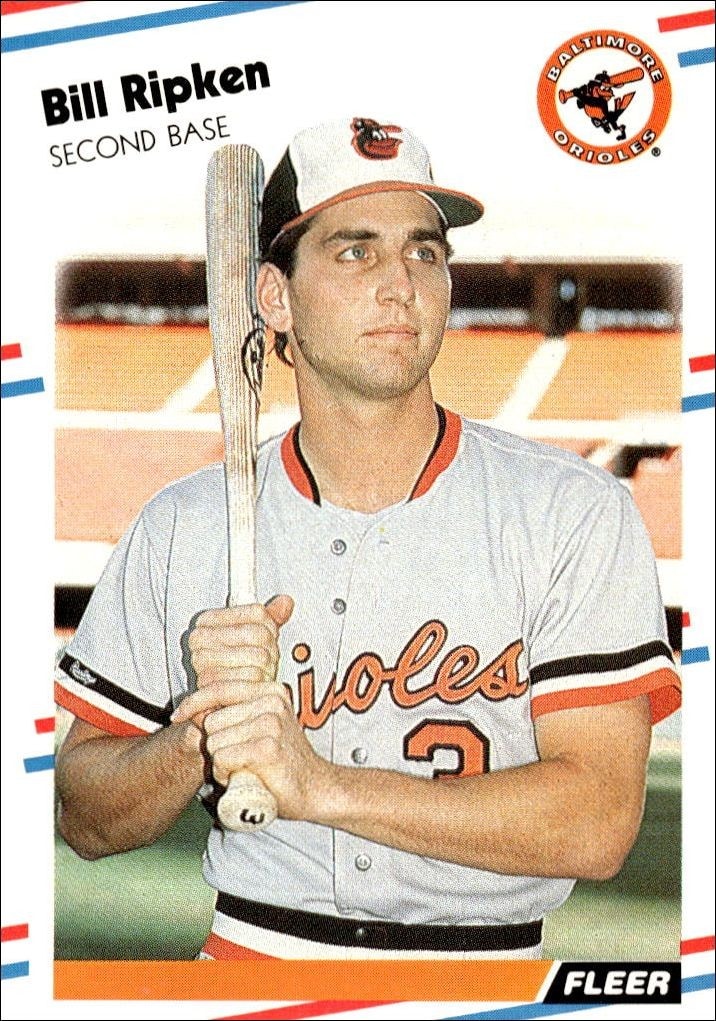

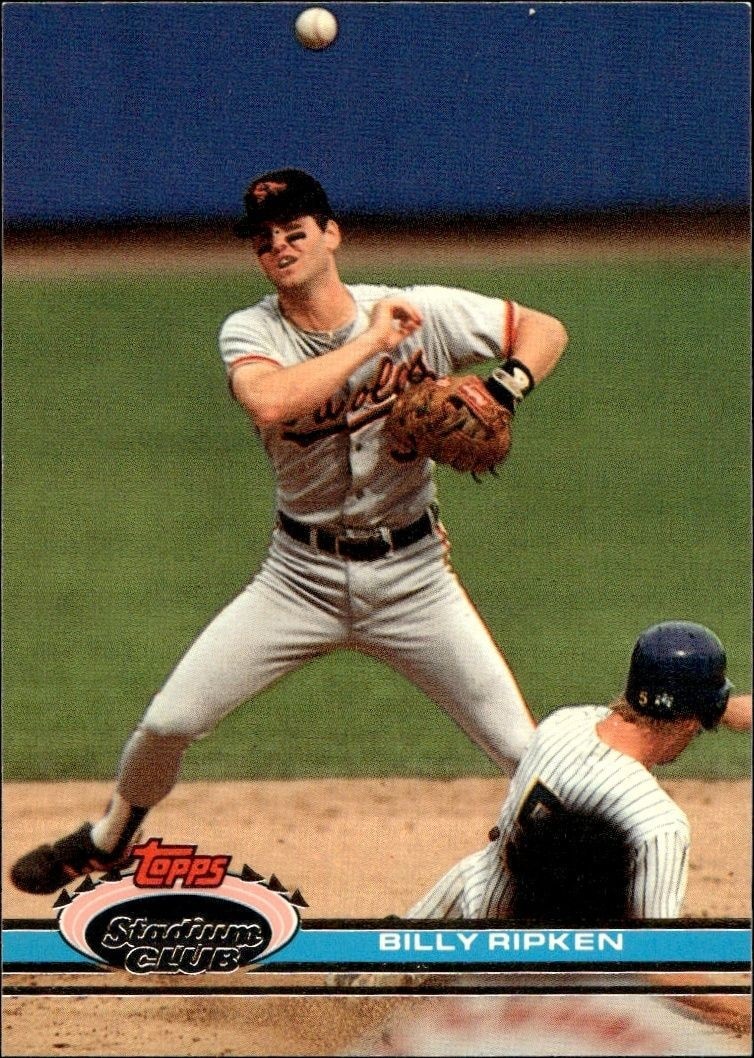
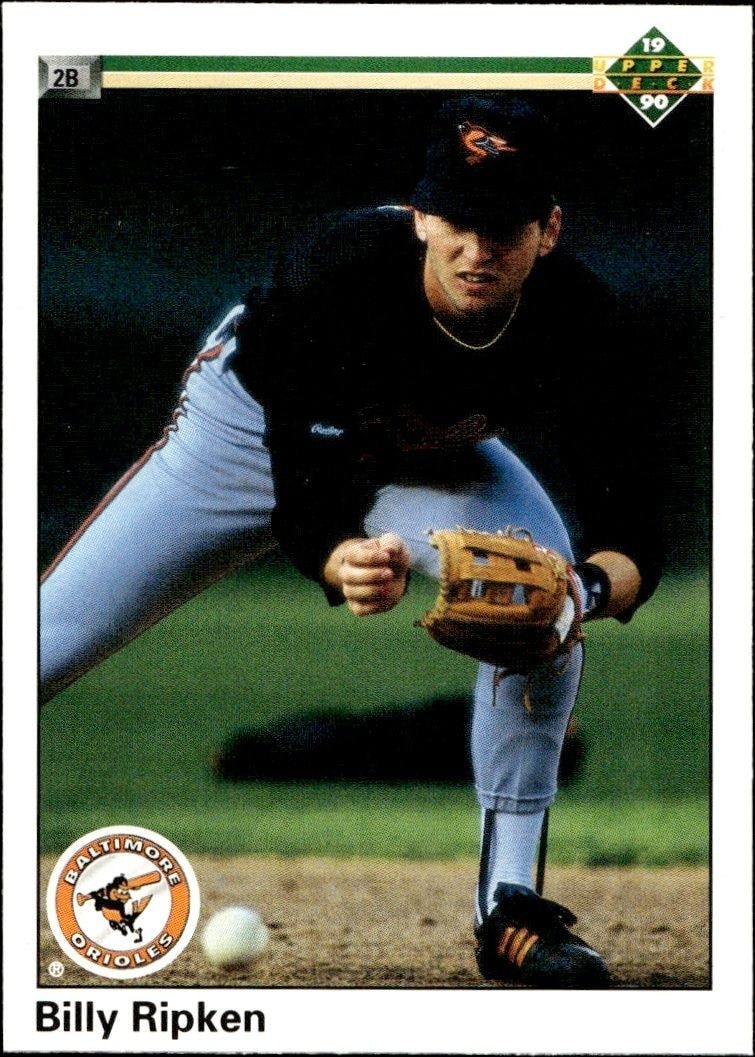
1988 Topps #352 Billy Ripken Baltimore Orioles baseball card, a vintage 1980s issue featuring the infielder during his tenure with the Orioles.
1988 • Topps
Major League Baseball • Baltimore Orioles
Excellent
352
New
Shipping Calculated at Checkout
This seller is away until 10/19/2026 — orders are still accepted and ship after they return.30-day Returns| Condition | Value | Source | Trend | Price Details |
|---|---|---|---|---|
$1.08 | Guide Estimate | +8% | ||
$1.86 | Guide Estimate | +1.1% | ||
$17.00 | Guide Estimate | 0% | ||
$34.00 | Guide Estimate | +0.6% | ||
$45.00 | Guide Estimate | 0% | ||
$21.00 | Guide Estimate | 0% | ||
$34.99 | Guide Estimate | 0% | ||
$21.00 | Guide Estimate | 0% | ||
Raw / Ungraded
PriceCharting Price Guide · Guide Estimate evidence · captured Oct 18, 2026
Billy Ripken served as a versatile infielder for the Baltimore Orioles throughout the late 1980s, making his presence on the 1988 Topps set a notable entry for vintage baseball enthusiasts. This card, numbered 352, captures the infielder during a period where he was establishing himself as a reliable contributor to the Orioles' lineup. Collectors often seek out 1988 Topps cards to complete base sets or to focus on specific players from the late 1980s MLB landscape. Billy Ripken's inclusion in this set provides a tangible connection to his time with the Baltimore Orioles, offering a piece of sports history that resonates with fans of the team and the sport. The card's design reflects the aesthetic standards of the time, featuring clear photography and straightforward layout that prioritizes the player's image and team affiliation. For investors and hobbyists alike, vintage baseball cards from the 1980s continue to hold significant appeal due to their nostalgic value and historical importance. Billy Ripken's #352 card serves as a valuable component for those looking to build a comprehensive archive of Orioles players or 1980s baseball memorabilia. As with all vintage items, the condition and preservation of the card can greatly influence its desirability among serious collectors. Whether you are a dedicated fan of the Baltimore Orioles or a broader baseball card enthusiast, this 1988 Topps issue offers a glimpse into a pivotal era of the sport. The card stands as a testament to the enduring popularity of baseball trading cards and the stories they tell about the athletes who played the game.
12 hours ago
We'll pre-fill the product details from this catalog entry, so your listing lands on this exact page. Just add photos of your copy, pick its condition, and set your price.
The catalog profile below summarizes the card identity, featured subject, and notable collectible traits.
The subject, team, league, and sport context tied to this card.
Production details and format-specific attributes.
Material
Card Stock
Language
English
Compare prices, grades, photos, and shipping from approved sellers.
New
Excellent
See how many public collections currently include this card.
0 collectors have this card
This 1988 Topps Billy Ripken card represents a low-tier entry point within the broader baseball card market, trading well below the premium commanded by his more notable counterparts or high-grade variations. While the player holds significant historical significance as part of the Ripken legacy, this specific base card lacks the condition rarity or special attributes required to command a substantial premium over its raw market value. It serves as an accessible acquisition for casual collectors rather than a high-value asset for serious investors.
The card possesses no special scarcity attributes, functioning as a standard base issue from the 1988 Topps set without serial numbering, short-print status, or parallel finishes. As a common card, it benefits from a high overall print run, meaning supply is abundant and easily replenished through secondary market listings. The lack of unique identifying features or limited edition markers means its scarcity is driven entirely by condition preservation rather than intentional production constraints.
Investment potential for this specific item is limited due to the absence of rookie-card status, which typically drives the strongest demand in baseball collectibles. The 1988 Topps brand is highly saturated, and without special parallels or insert designs, collector interest remains focused on high-grade examples or complete set building rather than individual speculation. Long-term value appreciation is unlikely to outpace broader market trends unless the specific card achieves exceptional grading, which is difficult to justify given the low initial cost of acquisition.
