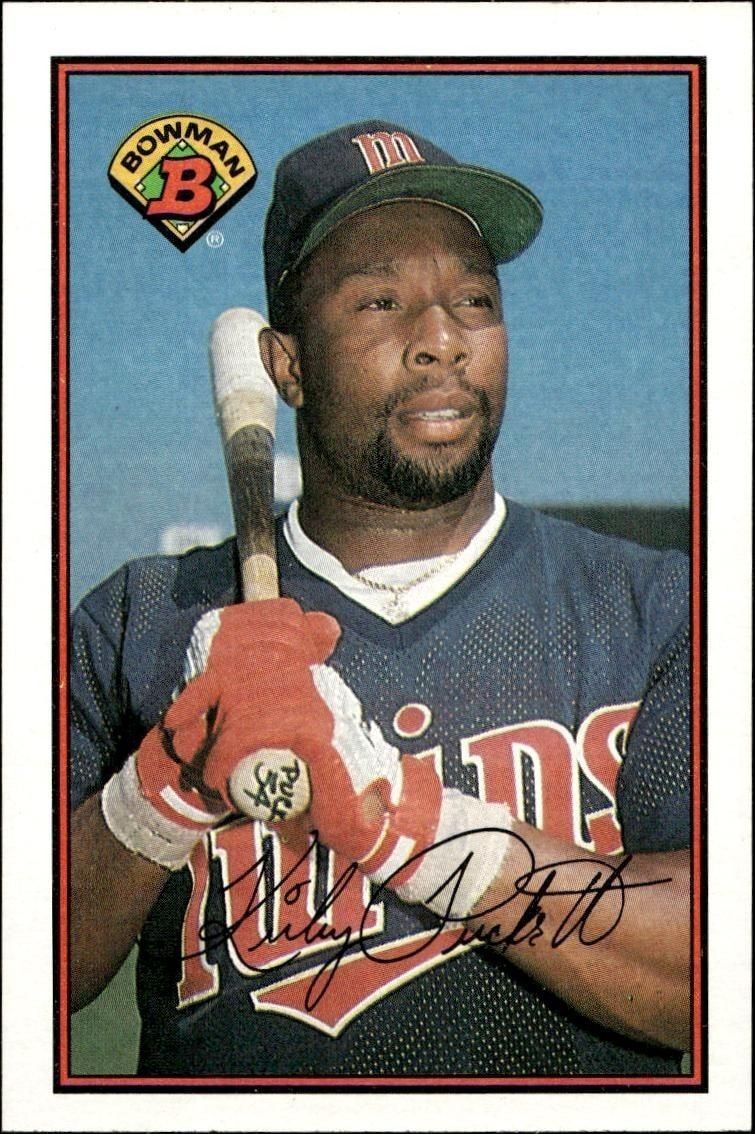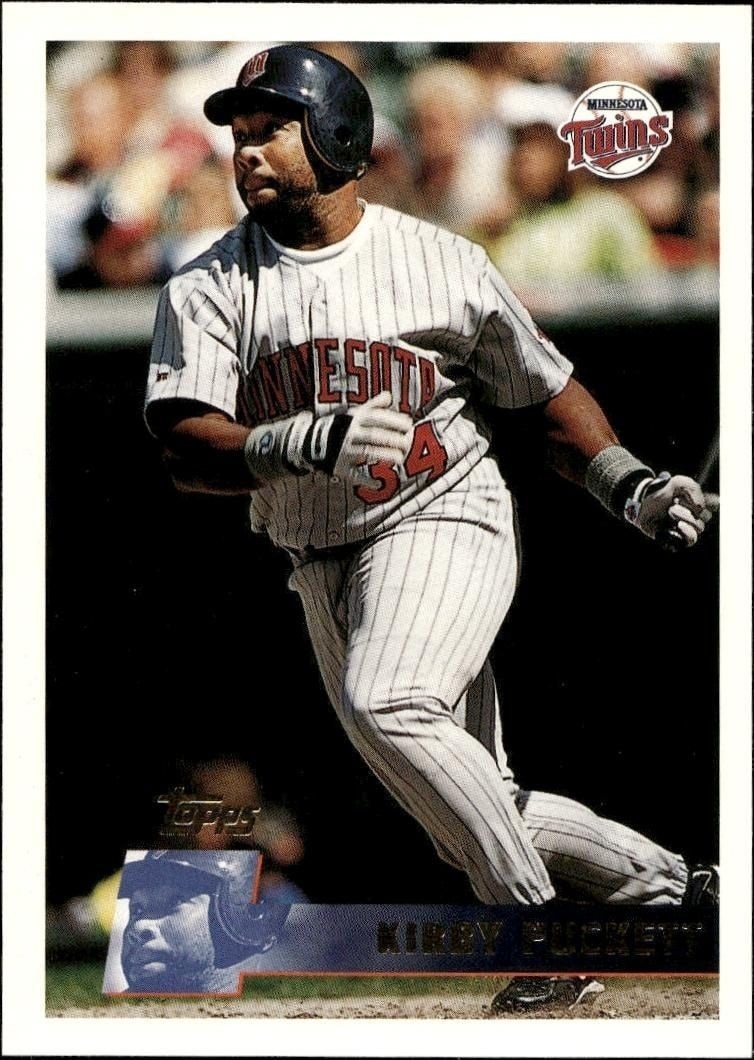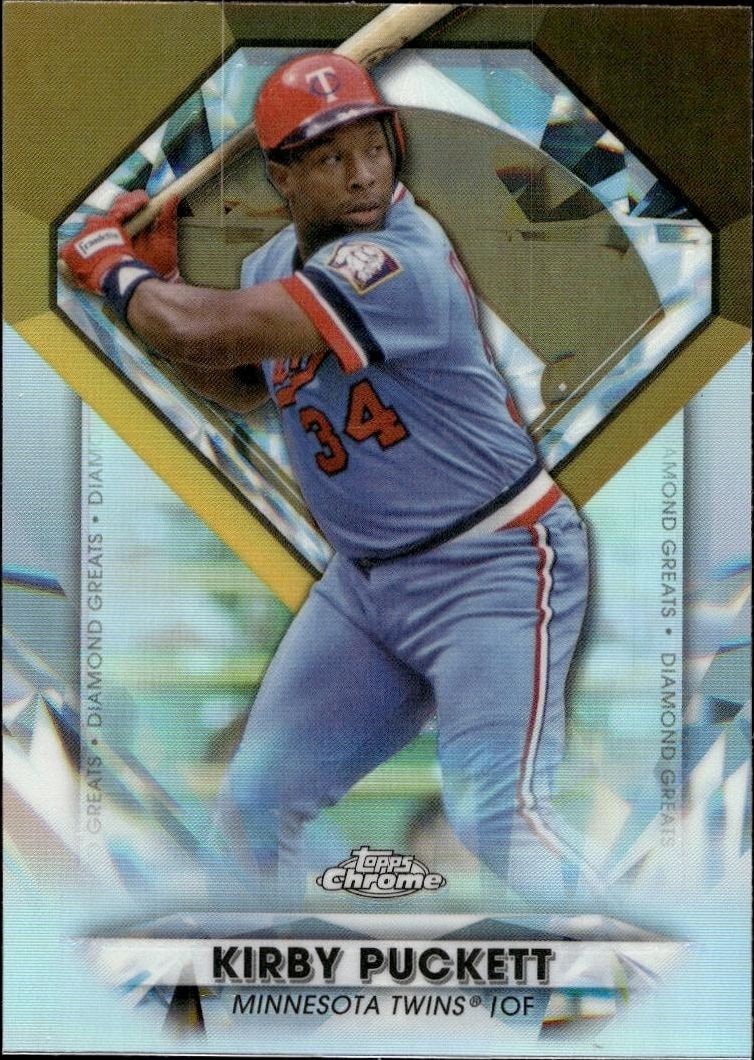


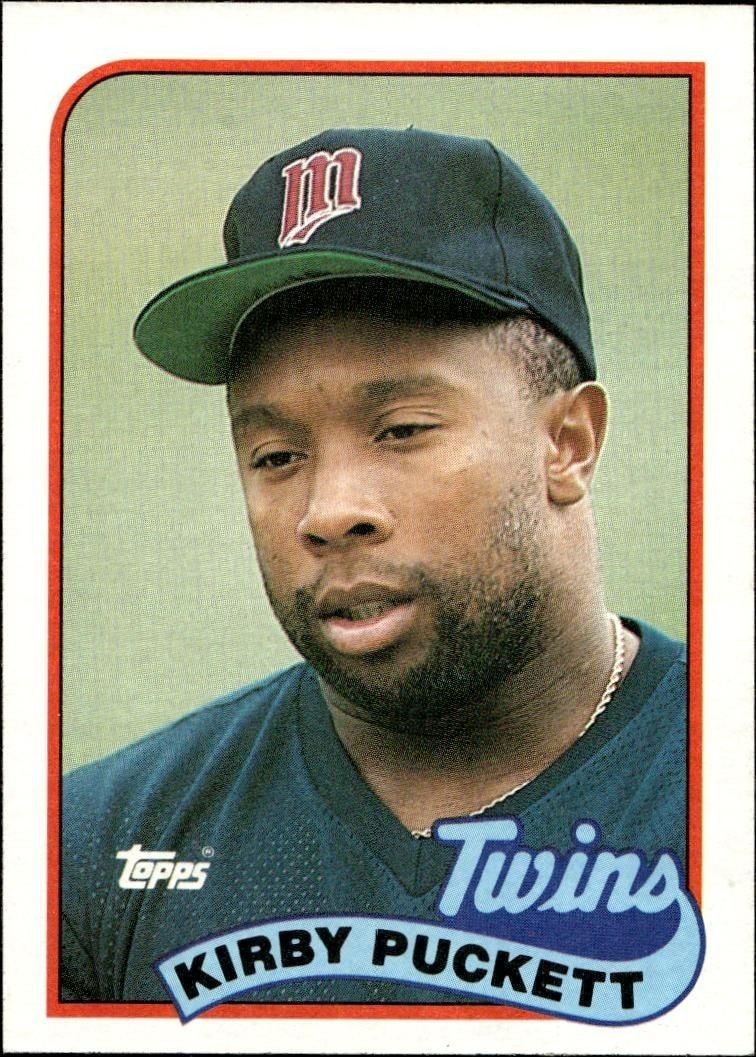


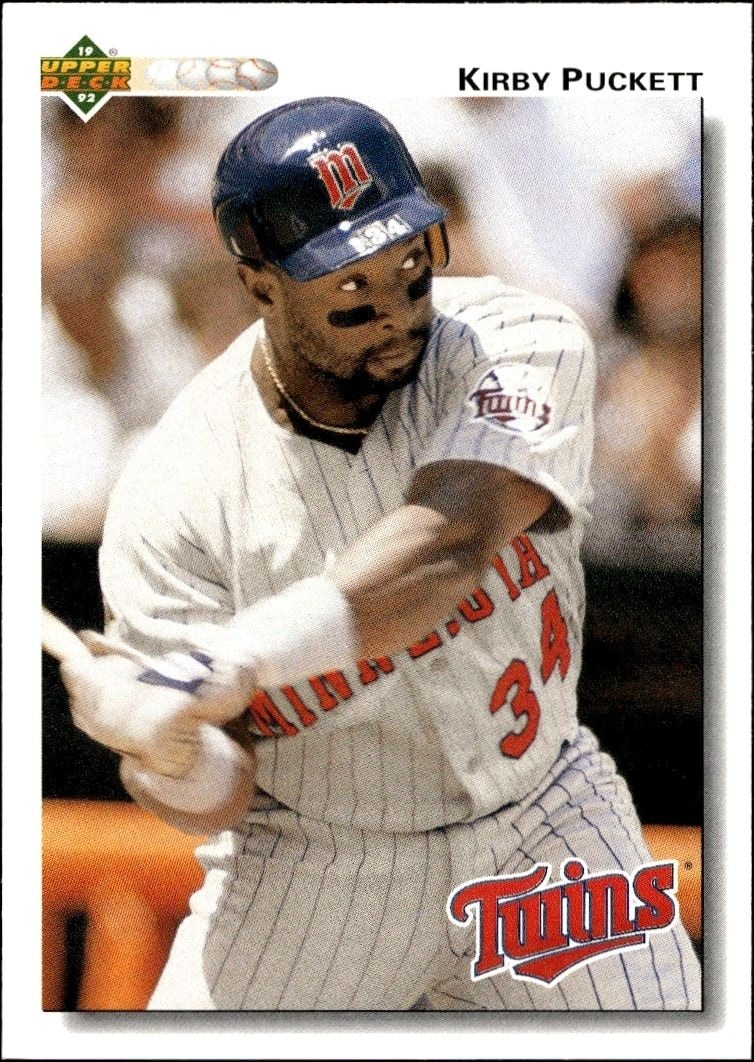
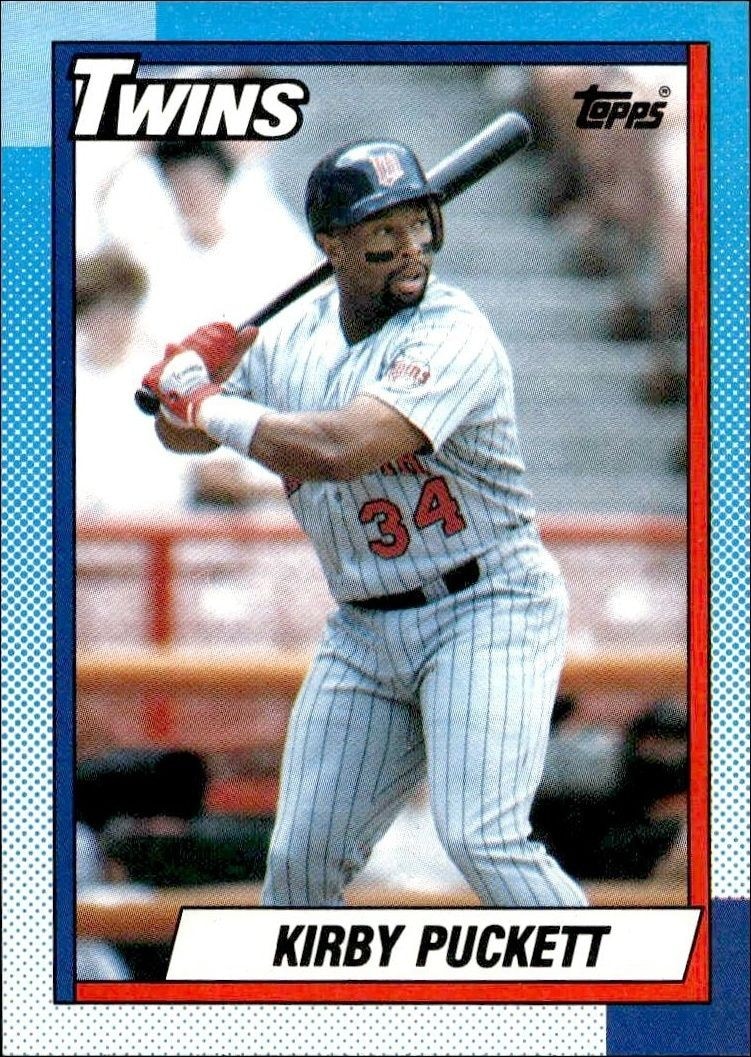
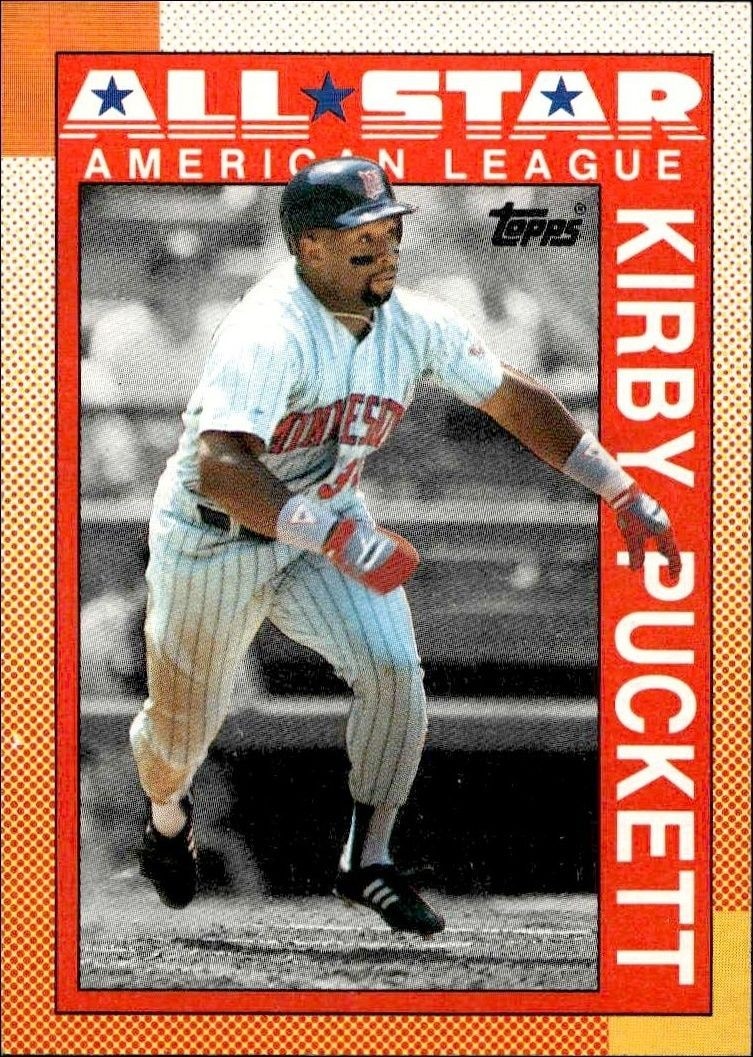

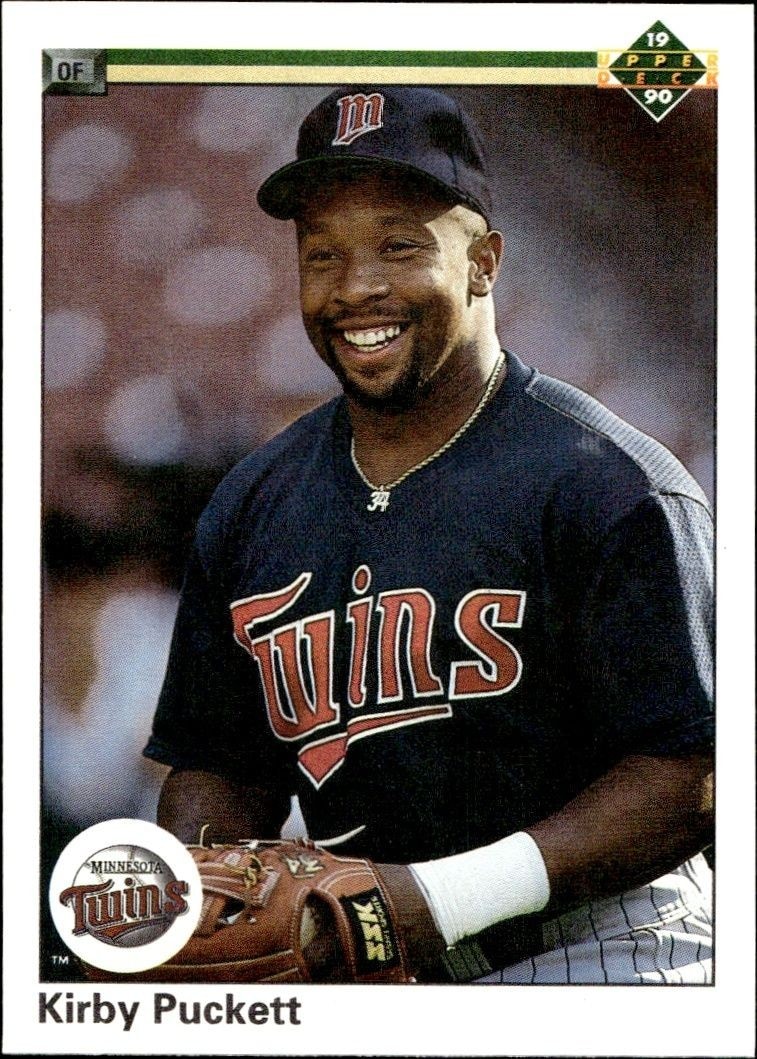
Explore the 1988 Topps Kirby Puckett #120 baseball card, a staple of Minnesota Twins memorabilia from the classic Topps series.
1988 • Topps
Major League Baseball • Minnesota Twins
Excellent
120
New
Shipping Calculated at Checkout
This seller is away until 10/19/2026 — orders are still accepted and ship after they return.30-day Returns| Condition | Value | Source | Trend | Price Details |
|---|---|---|---|---|
$0.99 | Guide Estimate | -11.6% | ||
$1.25 | Completed Sales | -69.7% | ||
$4.87 | Guide Estimate | -5.4% | ||
$8.99 | Guide Estimate | 0% | ||
$18.67 | Guide Estimate | +24.5% | ||
$33.72 | Guide Estimate | -4.4% | ||
$65.00 | Guide Estimate | 0% | ||
$30.00 | Guide Estimate | 0% | ||
$50.00 | Guide Estimate | 0% | ||
$30.00 | Guide Estimate | 0% | ||
Raw / Ungraded
PriceCharting Price Guide · Guide Estimate evidence · captured Oct 18, 2026
The 1988 Topps Kirby Puckett #120 baseball card represents a significant entry in the history of Minnesota Twins collectibles. Issued by Topps during the 1988 season, this card features the team's iconic center fielder in the standard design format that defined the era. As a numbered card within the base set, it serves as a fundamental piece for enthusiasts tracking the franchise's roster during a pivotal period in MLB baseball. Collectors often seek out this card to complete their 1988 Topps sets or to build a dedicated collection of Minnesota Twins history. The card's place in the Topps catalog, identified by the number 120, makes it easy to locate and organize within broader collections. For investors and hobbyists alike, cards from this year are valued for their historical context and the prominence of the featured athlete. Whether you are a long-time fan of the Minnesota Twins or a new collector exploring the world of sports cards, this product offers a tangible connection to the sport's heritage. The combination of the Topps brand, the 1988 release year, and Kirby Puckett's status as a Twins legend makes this card a enduring favorite among baseball card aficionados. When building your collection, consider the value of owning a piece of baseball history from the late 1980s. This card is not just a piece of cardboard but a snapshot of a specific moment in the career of one of the game's most recognizable figures. By adding the 1988 Topps Kirby Puckett #120 to your inventory, you contribute to the preservation and appreciation of sports trading card culture.
14 hours ago
We'll pre-fill the product details from this catalog entry, so your listing lands on this exact page. Just add photos of your copy, pick its condition, and set your price.
The catalog profile below summarizes the card identity, featured subject, and notable collectible traits.
The subject, team, league, and sport context tied to this card.
Production details and format-specific attributes.
Material
Card Stock
Language
English
Compare prices, grades, photos, and shipping from approved sellers.
New
Excellent
See how many public collections currently include this card.
0 collectors have this card
This 1988 Topps Kirby Puckett card represents a foundational entry into his career with the Minnesota Twins, currently trading at a modest price tier relative to his broader portfolio. The absence of special attributes suggests it is a base card, which typically trades below parallel or insert variants, though the single active listing indicates limited immediate liquidity. As a staple of late-80s baseball, its value is anchored by Puckett's established legacy rather than speculative growth.
The card lacks any noted scarcity mechanics such as serial numbering, short-print status, or unique parallels, placing it in the standard base set category. This means supply is determined by the original print run of the 1988 Topps set rather than artificial constraints. Consequently, the card relies on general availability rather than exclusive distribution for its collectibility profile.
As a rookie-era card from a Hall of Fame caliber player, it benefits from consistent collector demand driven by nostalgic appeal and team loyalty. The card's positioning within a major national brand like Topps ensures broad recognition, though the lack of premium attributes limits upside potential compared to rare parallels. Long-term value is likely to track with the broader vintage baseball market rather than exhibit independent appreciation.