




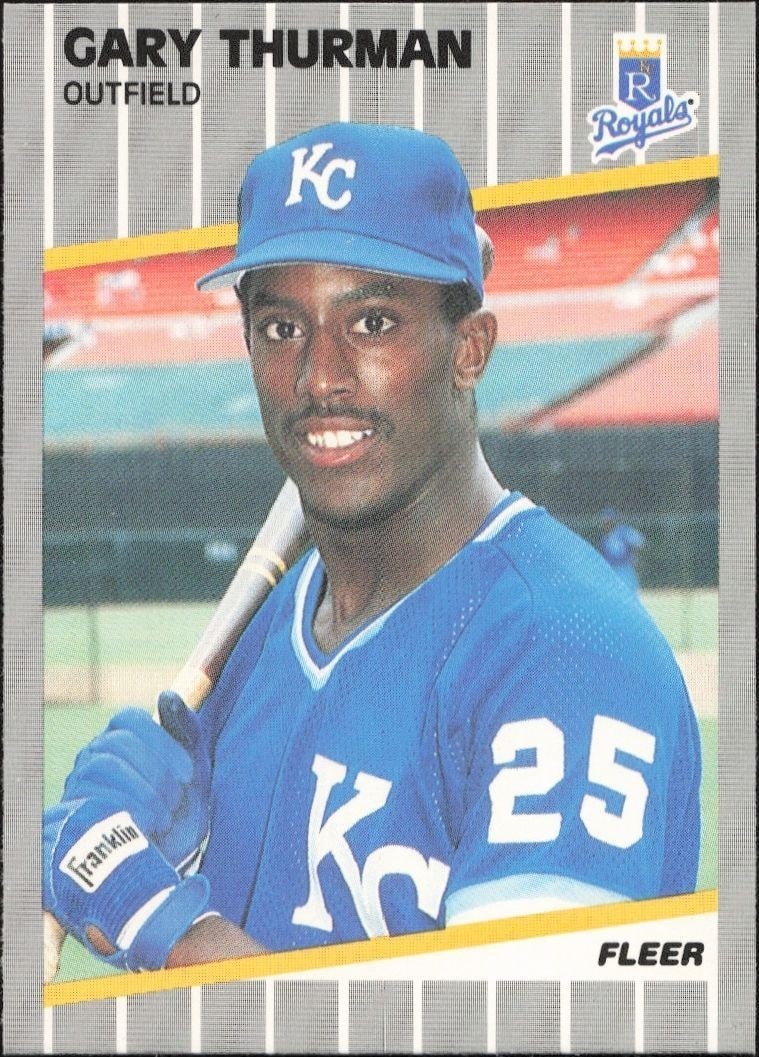
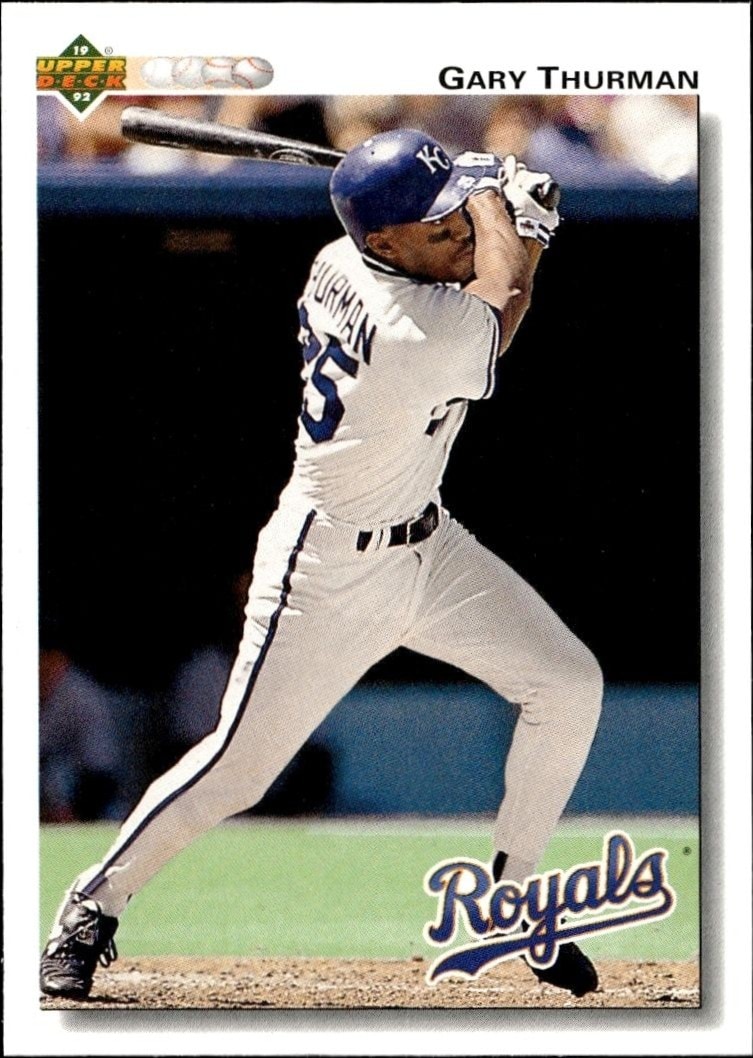
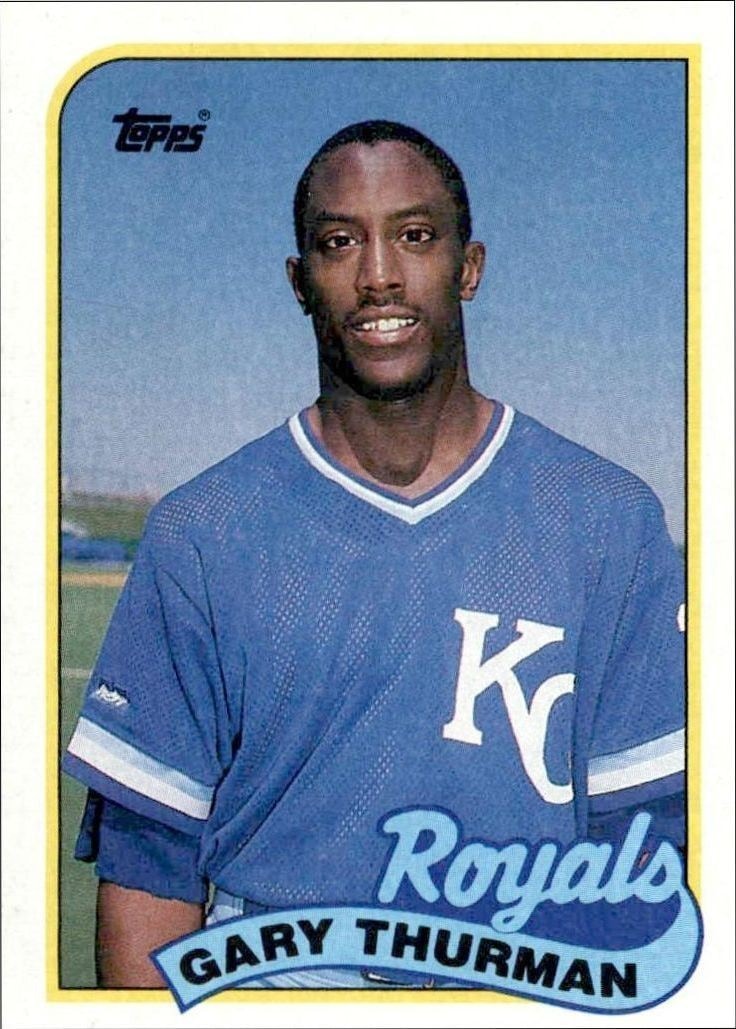

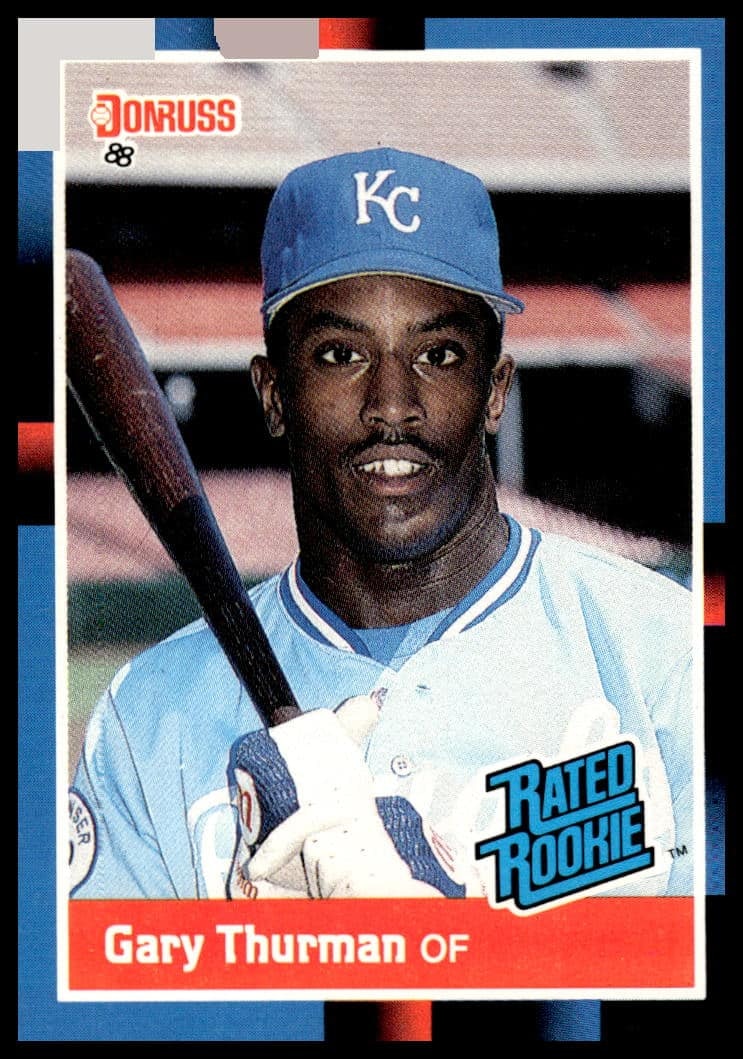
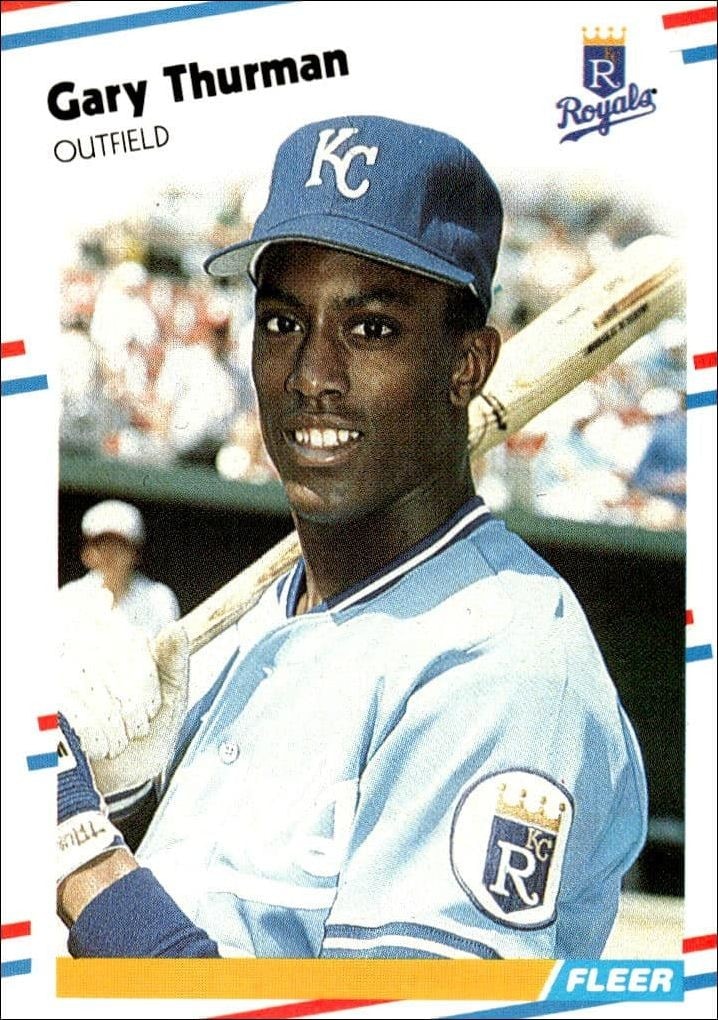

The 1988 Topps Gary Thurman #89 baseball card captures a moment in Kansas City Royals history. This vintage sports trading card is a staple for collectors of 1980s MLB memorabilia.
1988 • Topps
Major League Baseball • Kansas City Royals
Excellent
89
New
Shipping Calculated at Checkout
Arrives in 4-6 daysEstimated delivery October 23, 2026 - October 25, 2026
Seller returns October 19, 2026.30-day Returns| Condition | Value | Source | Trend | Price Details |
|---|---|---|---|---|
$1.55 | Guide Estimate | 0% | ||
$34.50 | Guide Estimate | 0% | ||
$38.00 | Guide Estimate | 0% | ||
$69.00 | Guide Estimate | 0% | ||
$32.00 | Guide Estimate | 0% | ||
$53.00 | Guide Estimate | 0% | ||
$32.00 | Guide Estimate | 0% | ||
Raw / Ungraded
PriceCharting Price Guide · Guide Estimate evidence · captured Oct 18, 2026
The 1988 Topps Gary Thurman #89 baseball card serves as a tangible link to the Kansas City Royals roster during the late 1980s. Issued by Topps, this card is part of the foundational set that defined sports card collecting for a generation. For enthusiasts of vintage baseball memorabilia, the 1988 Topps release remains a cornerstone, offering a standardized design that collectors appreciate for its consistency and historical significance. Gary Thurman, featured on card number 89, represents the depth of the Royals' lineup during this era. Collectors often seek out specific players from this period to complete their sets or to focus on franchise history. The card's design reflects the classic aesthetic of Topps releases from 1988, characterized by clean borders and straightforward photography that prioritizes the player's image. This approach allows the subject to stand out, making it a favorite among those who value the straightforward presentation of the time. For investors and hobbyists alike, the 1988 Topps Gary Thurman #89 card offers a blend of nostalgia and collectibility. The 1980s were a pivotal decade for baseball card production, and Topps dominated the market with its annual releases. Owning a card from this year connects collectors to a rich tradition of baseball culture. Whether you are building a comprehensive collection of Royals players or focusing on the broader landscape of 1980s baseball, this card provides a valuable addition to any portfolio. The enduring appeal of vintage Topps cards ensures that items like the Gary Thurman #89 remain relevant and sought after by collectors who appreciate the history and craftsmanship of the sport's golden age.
1 day ago
We'll pre-fill the product details from this catalog entry, so your listing lands on this exact page. Just add photos of your copy, pick its condition, and set your price.
The catalog profile below summarizes the card identity, featured subject, and notable collectible traits.
The subject, team, league, and sport context tied to this card.
Production details and format-specific attributes.
Material
Card Stock
Language
English
Compare prices, grades, photos, and shipping from approved sellers.
New
Excellent
See how many public collections currently include this card.
0 collectors have this card
This 1988 Topps card represents a baseline entry point for Gary Thurman, trading at a modest value typical for non-premium rookie or common cards from this era. The lack of special attributes suggests it occupies the lower tier of the player's market, serving primarily as a budget-friendly acquisition rather than a premium asset. Its current pricing reflects standard supply for a common base card, devoid of the premiums associated with parallels or significant career milestones.
As a standard base card with no noted special attributes, this item does not carry inherent scarcity mechanics such as serial numbering, short-print status, or limited edition designations. The supply is effectively unlimited relative to collector demand, as it represents the most common version of the card available in the set. This absence of rarity drivers means the card's availability is determined solely by the volume of base production rather than constrained printing techniques.
The card's position as a non-premium base issue limits its potential for significant appreciation, as collector demand is typically concentrated on rookie cards or high-end parallels. Without unique scarcity features or standout career accolades highlighted in the attributes, the investment outlook remains stable but modest, catering more to casual collectors than serious investors. Long-term value retention will likely track with the broader market for 1980s baseball commons rather than exhibiting independent growth.
