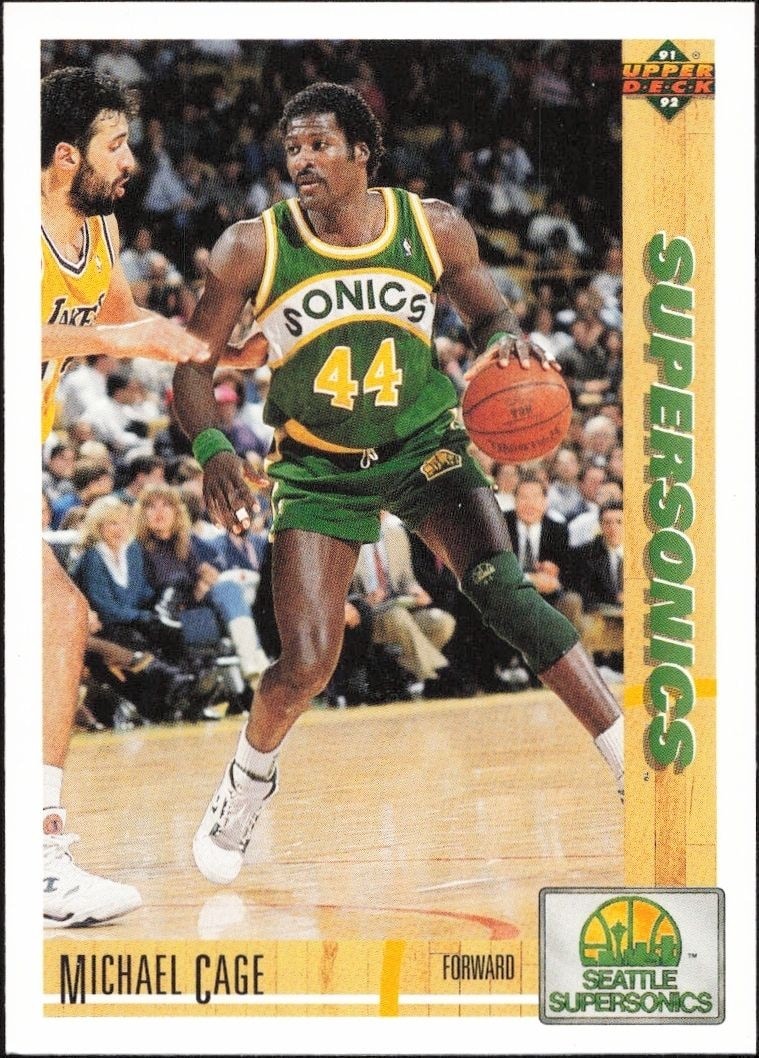
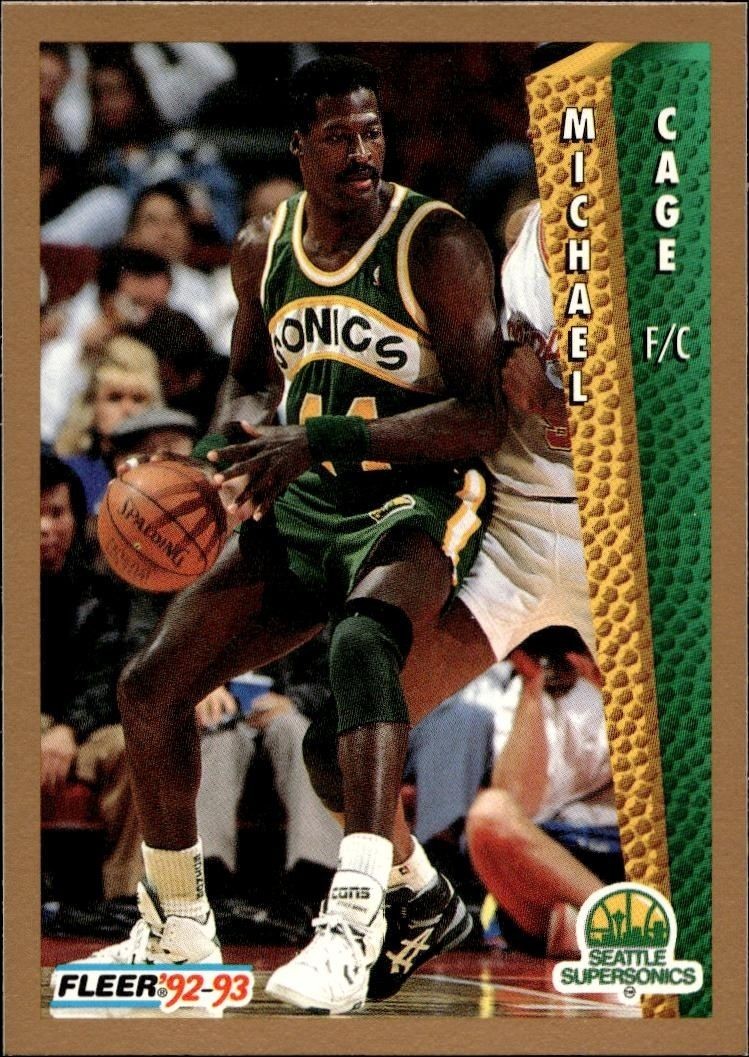
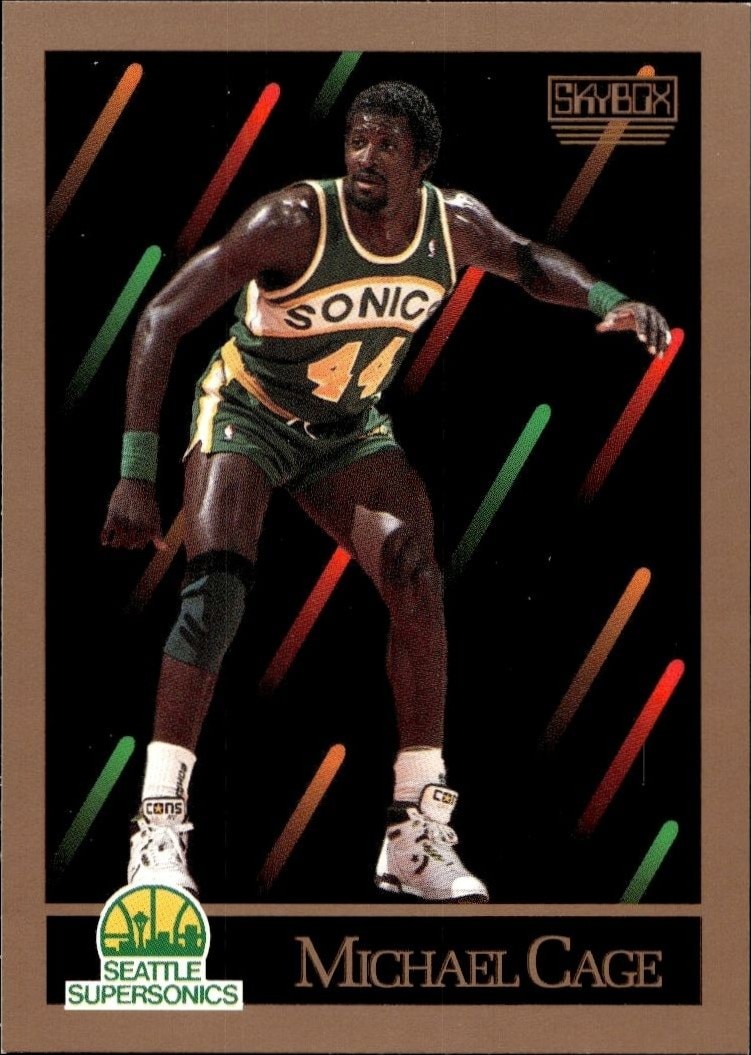
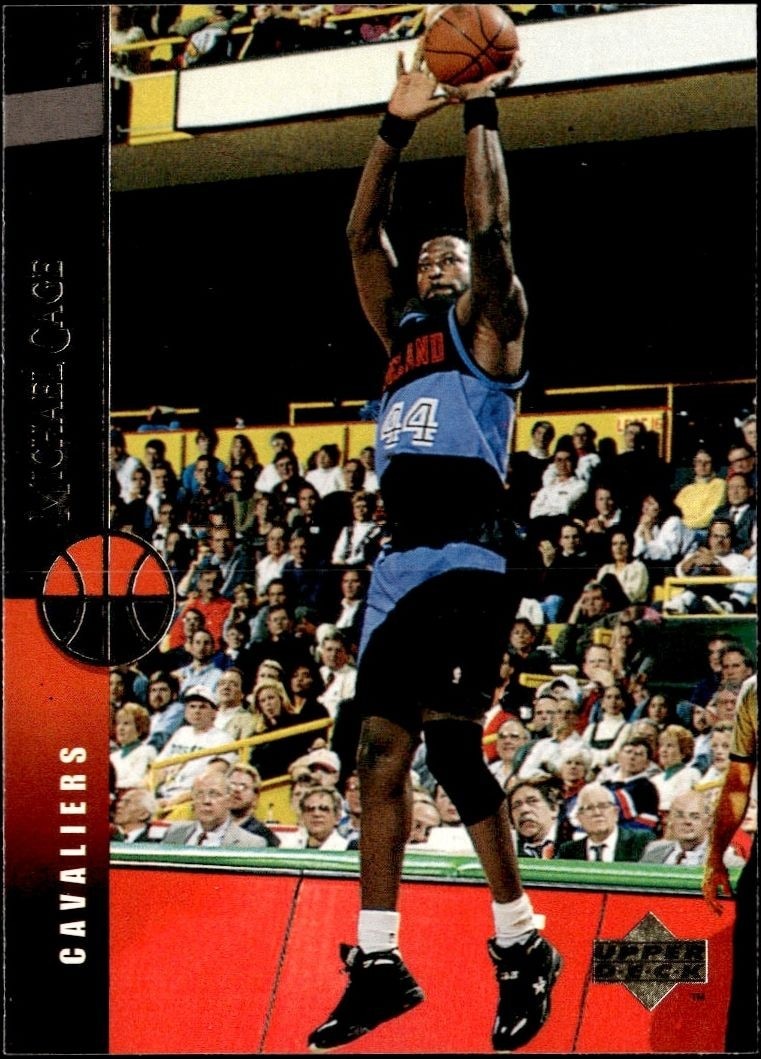
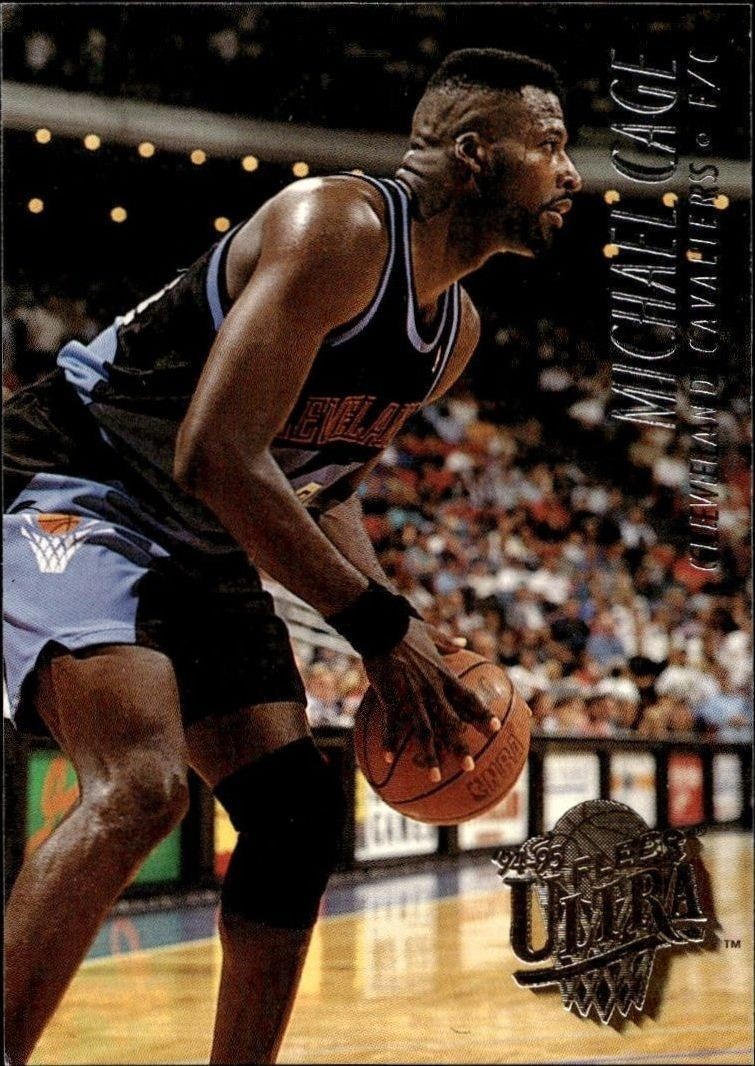
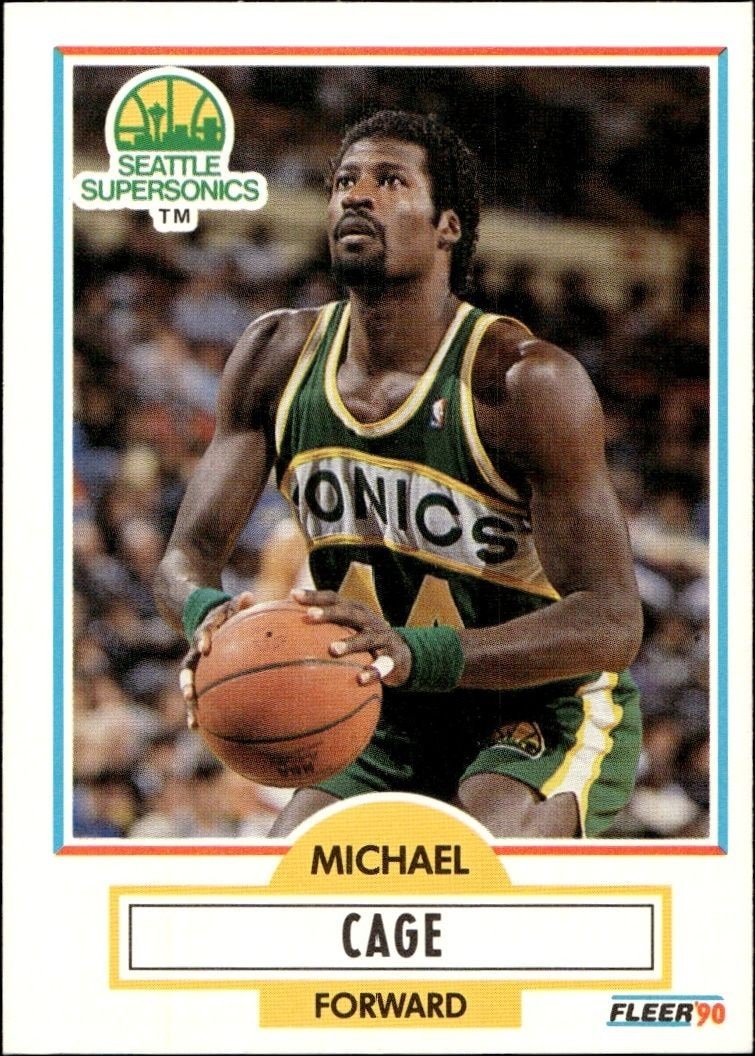
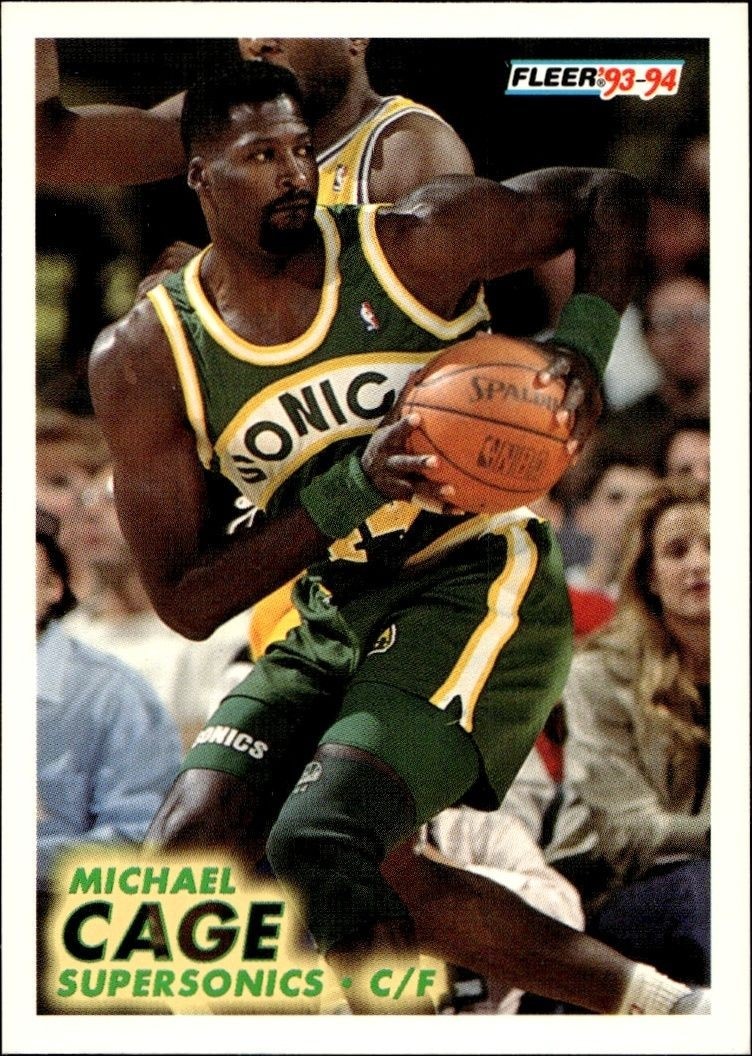
Explore the 1989-90 Fleer Michael Cage #145 basketball card, a key piece of Seattle SuperSonics history from Fleer's foundational NBA set.
1989-90 • Fleer
National Basketball Association • Seattle SuperSonics
Near Mint
145
New
Shipping Calculated at Checkout
Arrives in 5-7 daysEstimated delivery October 23, 2026 - October 25, 2026
Seller returns October 19, 2026.30-day Returns| Condition | Value | Source | Trend | Price Details |
|---|---|---|---|---|
$1.27 | Guide Estimate | 0% | ||
$8.00 | Guide Estimate | 0% | ||
$11.61 | Guide Estimate | 0% | ||
$13.00 | Guide Estimate | 0% | ||
$59.00 | Guide Estimate | 0% | ||
$27.00 | Guide Estimate | 0% | ||
$45.47 | Guide Estimate | -0.6% | ||
$27.00 | Guide Estimate | 0% | ||
Raw / Ungraded
PriceCharting Price Guide · Guide Estimate evidence · captured Oct 15, 2026
The 1989-90 Fleer Michael Cage #145 card represents a significant entry in the history of NBA trading cards. This release marked Fleer's return to the basketball market after an 18-year absence, ending Topps' long-standing monopoly. For collectors, this era is defined by its vibrant design and the introduction of a new generation of stars and key role players. The #145 card features Michael Cage, who spent the majority of his career with the Seattle SuperSonics during this period. The design typically featured bold borders and dynamic photography, setting a new standard for the industry. Collectors often seek out this set to complete their base collections or to focus on specific teams like the SuperSonics. Michael Cage, known for his rebounding prowess and durability, is a memorable figure from this Seattle roster. As a catalog-level product, the 1989-90 Fleer Michael Cage #145 card stands as a testament to the growth of basketball collecting. It appeals to those interested in the Seattle SuperSonics franchise, players from the late 80s and 90s, or anyone building a comprehensive library of Fleer basketball issues. The card's enduring popularity is rooted in its historical context rather than just the player's statistics. It serves as a tangible link to a pivotal time in NBA history, when the league was expanding its global reach and trading card companies were innovating rapidly. Whether you are a seasoned collector tracking down specific set components or a newcomer exploring the hobby's rich past, this card offers a window into the 1989-90 season. It is a staple for those who appreciate the foundational sets that shaped modern collecting. The 1989-90 Fleer Michael Cage #145 card remains a sought-after item for its place in the lineage of basketball card manufacturing.
1 day ago
We'll pre-fill the product details from this catalog entry, so your listing lands on this exact page. Just add photos of your copy, pick its condition, and set your price.
The catalog profile below summarizes the card identity, featured subject, and notable collectible traits.
The subject, team, league, and sport context tied to this card.
Production details and format-specific attributes.
Material
Card Stock
Language
English
Compare prices, grades, photos, and shipping from approved sellers.
New
Near Mint
See how many public collections currently include this card.
0 collectors have this card
This 1989-90 Fleer Michael Cage card represents an entry-level price tier within the broader NBA market, reflecting the player's status as a solid contributor rather than a franchise icon. The current pricing indicates a stable, low-volatility asset that trades in line with typical base cards from this era for role players. It serves as an affordable acquisition point for collectors focusing on specific teams or sets rather than individual star power.
The card possesses no special scarcity attributes, meaning it is a standard base issue with no serial numbering, parallels, or short-print designations. Supply is determined by the original print run of the base Fleer set, which was produced in high volumes for mass-market distribution. Consequently, the available population is likely substantial, offering collectors wide availability without the constraints of limited editions.
As a non-rookie card from a mid-tier brand, this item lacks the premium mechanics typically associated with rookie cards or high-end parallels. Demand is driven primarily by set completists or Seattle SuperSonics memorabilia collectors rather than speculative investment interest. The outlook suggests steady, modest appreciation potential tied to general vintage sports card market trends rather than individual player legacy.