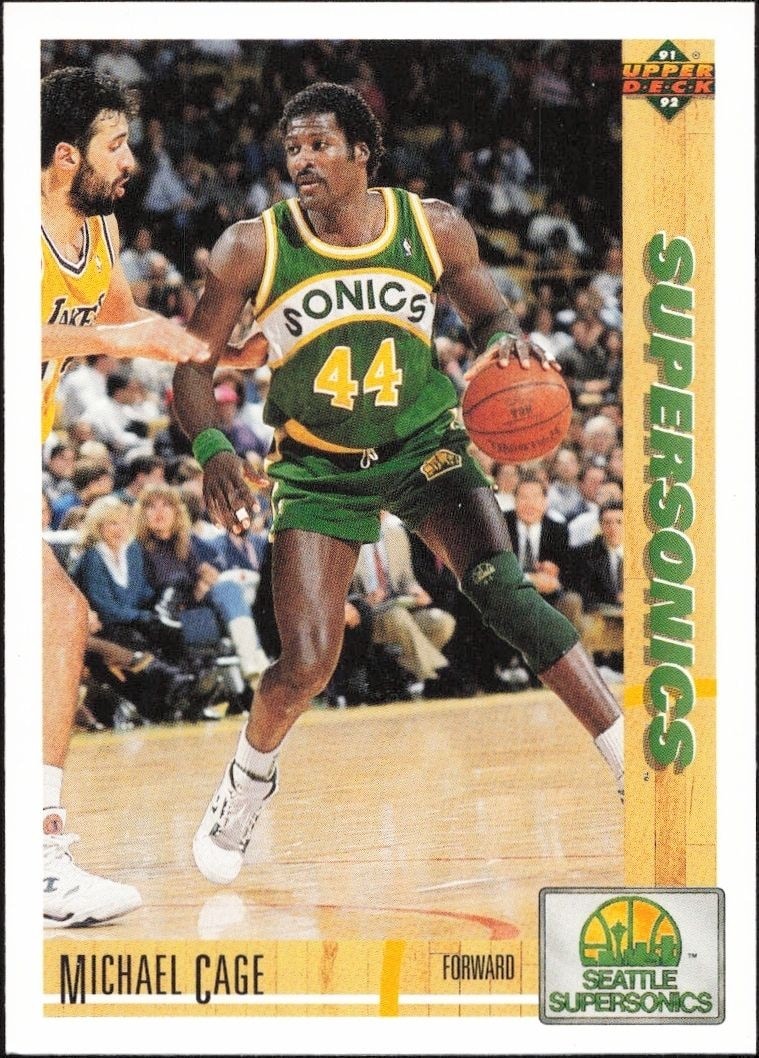



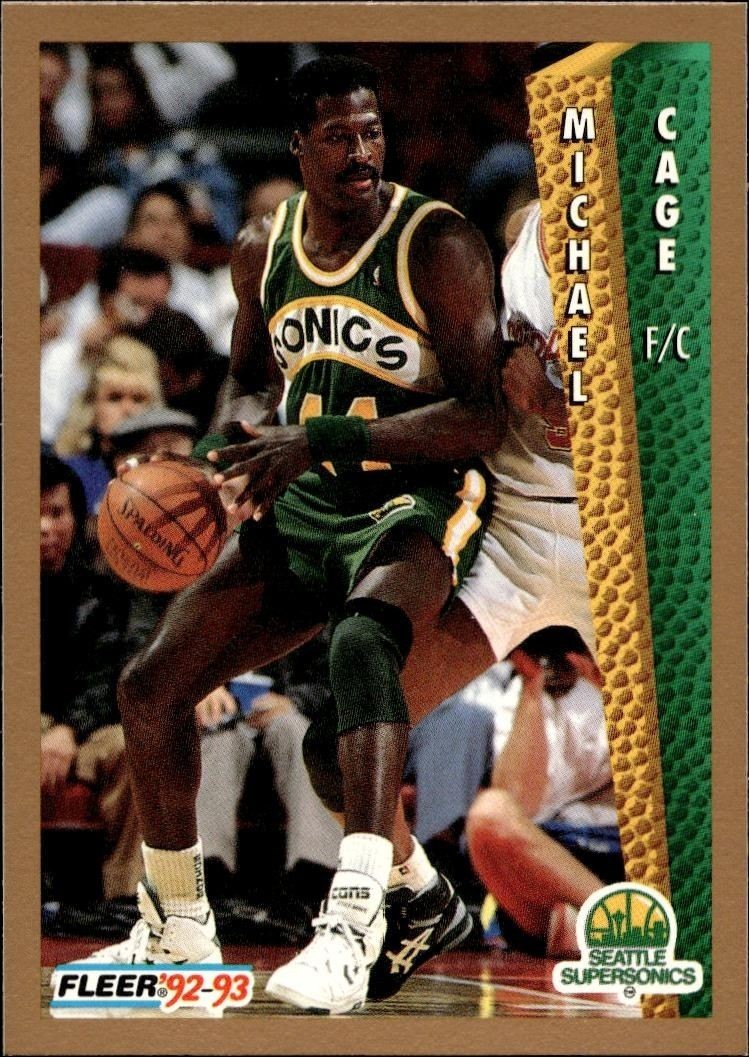
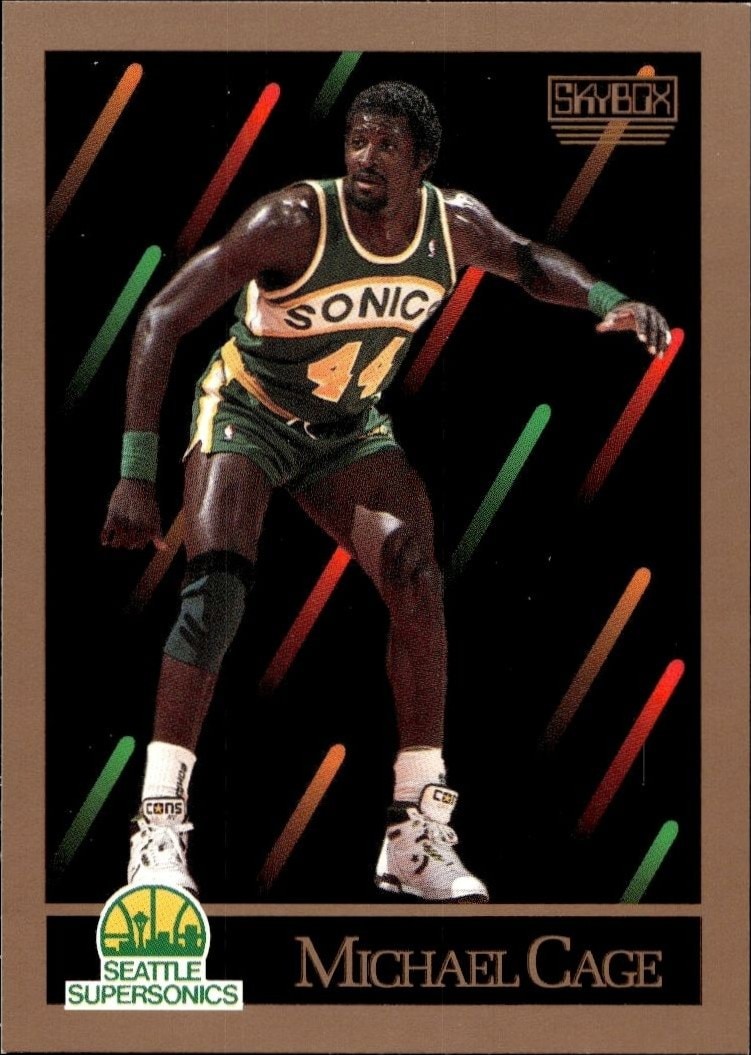
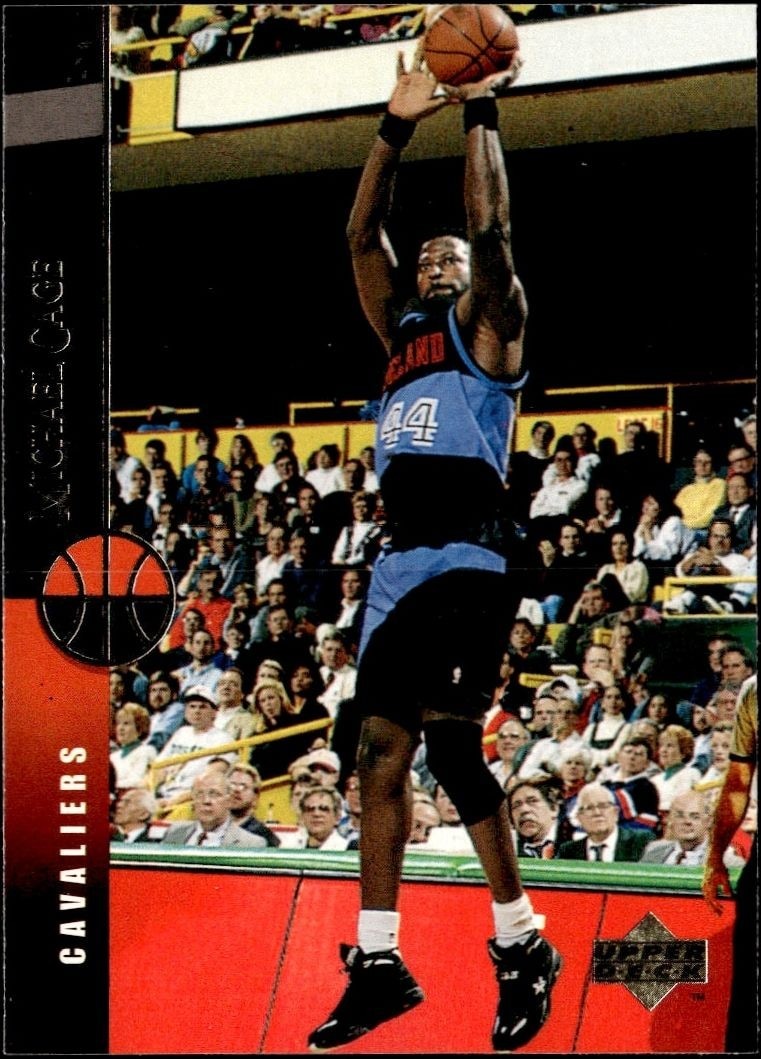
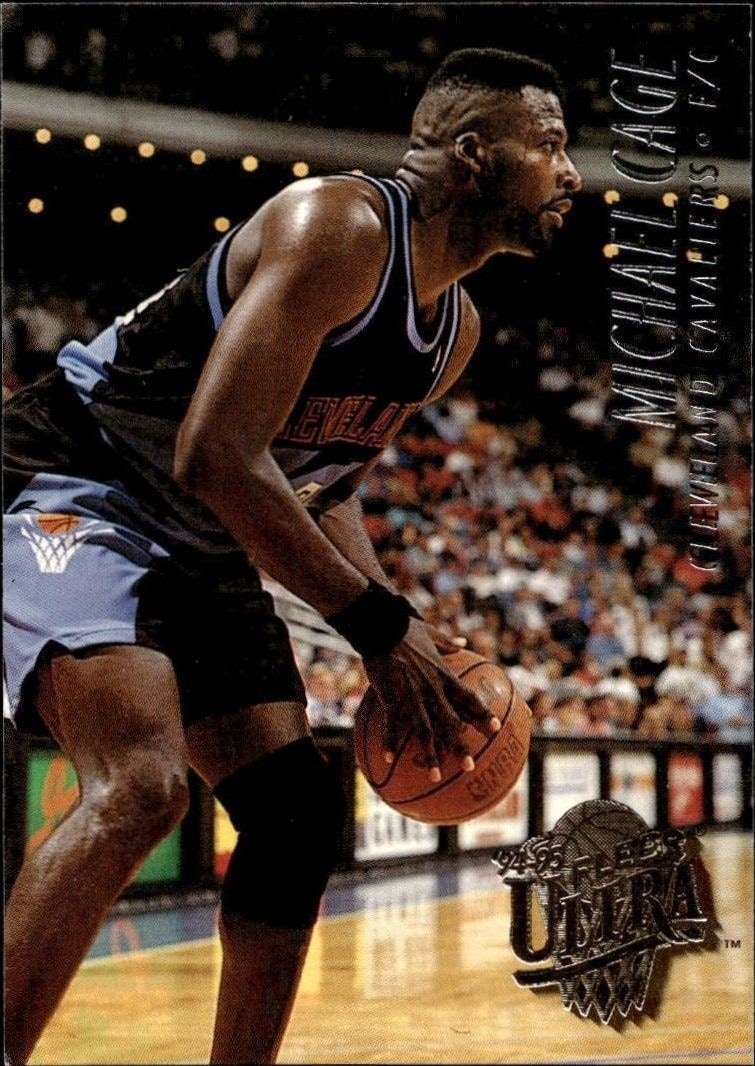
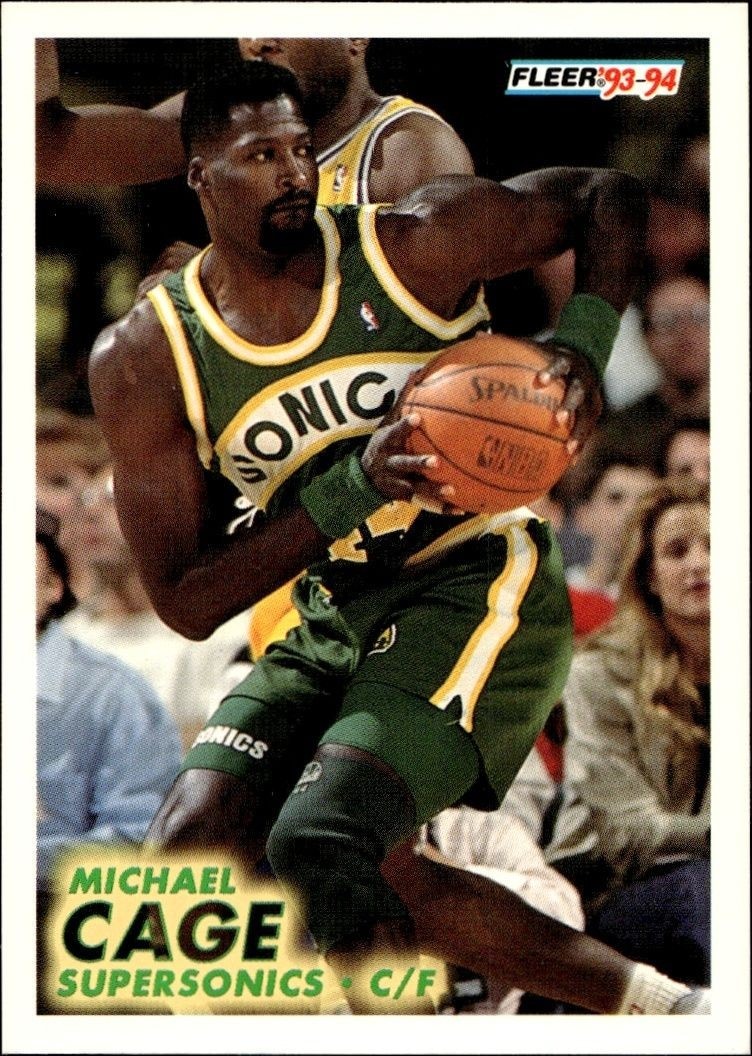
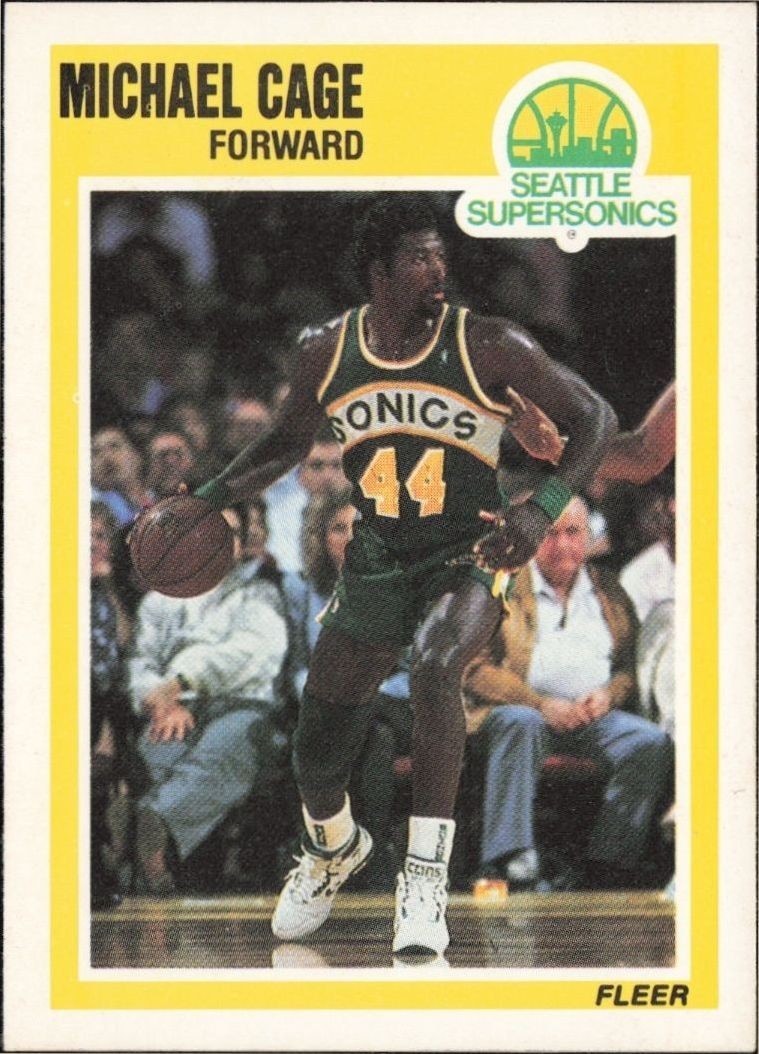
The 1990-91 Fleer Michael Cage #176 basketball card captures the Seattle SuperSonics forward during a pivotal era of the NBA. This catalog page aggregates available listings from verified sellers.
1990-91 • Fleer
National Basketball Association • Seattle SuperSonics
Near Mint
176
New
Shipping Calculated at Checkout
Arrives in 5-7 daysEstimated delivery October 23, 2026 - October 25, 2026
Seller returns October 19, 2026.30-day Returns| Condition | Value | Source | Trend | Price Details |
|---|---|---|---|---|
$0.66 | Guide Estimate | |||
$11.91 | Guide Estimate | |||
$13.00 | Guide Estimate | |||
$40.00 | Guide Estimate | |||
$19.00 | Guide Estimate | |||
$31.00 | Guide Estimate | |||
$19.00 | Guide Estimate | |||
Raw / Ungraded
PriceCharting Price Guide · Guide Estimate evidence · captured Oct 5, 2026
History is building. At least two days of matching observations are needed to show a trend.
Each point is the last stored observation that day for this printing, condition, grader, autograph status and source. Gaps mean no observation; guide estimates and asking prices are not completed sales.The 1990-91 Fleer Michael Cage #176 basketball card represents a key entry in the 1990-91 Fleer set, a release that helped redefine the visual landscape of sports trading cards during the early 1990s. As the Seattle SuperSonics forward, Cage's presence in this card number #176 connects collectors to a specific moment in NBA history, offering a tangible link to the league's competitive landscape of that season. Collectors often seek out cards from the Fleer brand for their distinct design aesthetics and historical significance. This card number provides a straightforward yet impactful portrait of Cage, allowing enthusiasts to build their archives with a piece that reflects the era's production style. Whether you are a dedicated fan of the SuperSonics or a broader NBA historian, this card serves as a fundamental component for understanding the roster dynamics of the early 90s. The value of such items often lies in their role within larger collections. Completing a full set of 1990-91 Fleer cards requires securing each base card, including this numbered entry. For investors and hobbyists alike, the 1990-91 Fleer Michael Cage #176 basketball card offers a balanced opportunity to add depth to their portfolio without the volatility associated with more obscure releases. By aggregating listings from multiple reputable sources, the platform ensures that collectors can find the specific grade or condition that matches their preferences. This approach simplifies the search for high-quality examples of classic basketball cards, making it easier to acquire pieces that matter to your collection's narrative.
11 hours ago
We'll pre-fill the product details from this catalog entry, so your listing lands on this exact page. Just add photos of your copy, pick its condition, and set your price.
The catalog profile below summarizes the card identity, featured subject, and notable collectible traits.
The subject, team, league, and sport context tied to this card.
Production details and format-specific attributes.
Material
Card Stock
Language
English
Compare prices, grades, photos, and shipping from approved sellers.
New
Near Mint
See how many public collections currently include this card.
0 collectors have this card
This base Fleer rookie card from the 1990-91 set sits in the lower tier of the Michael Cage market, reflecting its status as a common base issue rather than a premium parallel. While it holds historical significance as a rookie card for the Seattle SuperSonics, the lack of special attributes keeps it below the price tier of scarcer variants. It trades at a modest premium to generic non-rookie cards but remains accessible due to the high volume of base copies in circulation.
The card carries no scarcity mechanics, as it is a standard base release without serial numbering, short-print designation, or unique parallel finishes. This implies an unrestricted supply relative to its set, meaning availability is determined by survivorship rather than intentional limitation. Collectors seeking rarity in this set must look toward special inserts or limited editions, as this base card represents the highest tier of commonality.
As a rookie card, this item benefits from the foundational collector demand for first-year issues, though the base nature limits its upside potential compared to graded or parallel versions. The primary driver for value is the player's tenure with the Seattle SuperSonics, which maintains steady interest among franchise-specific collectors. Long-term growth is likely to be modest and tied to the broader appreciation of 1990s base sets rather than individual scarcity mechanics.