




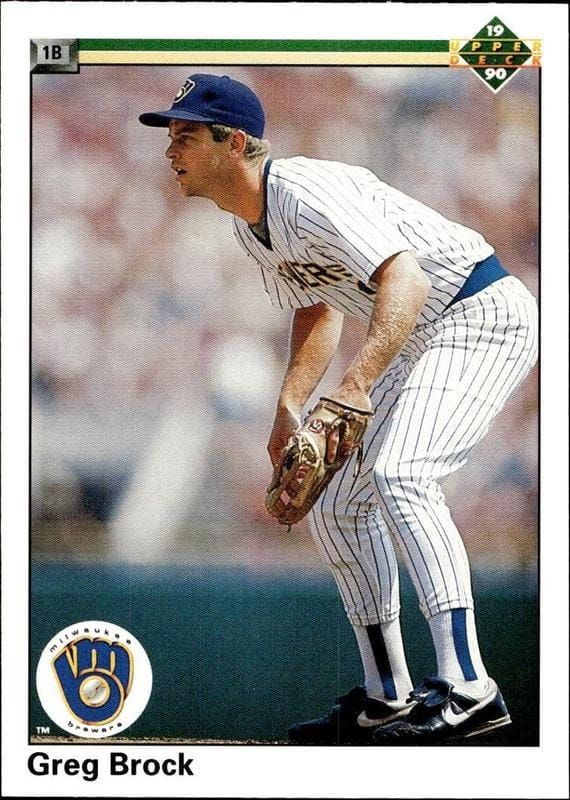
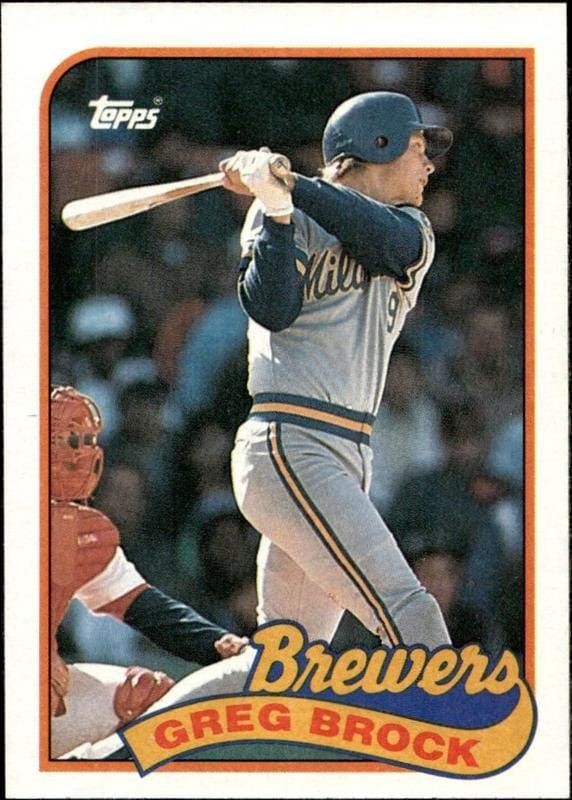
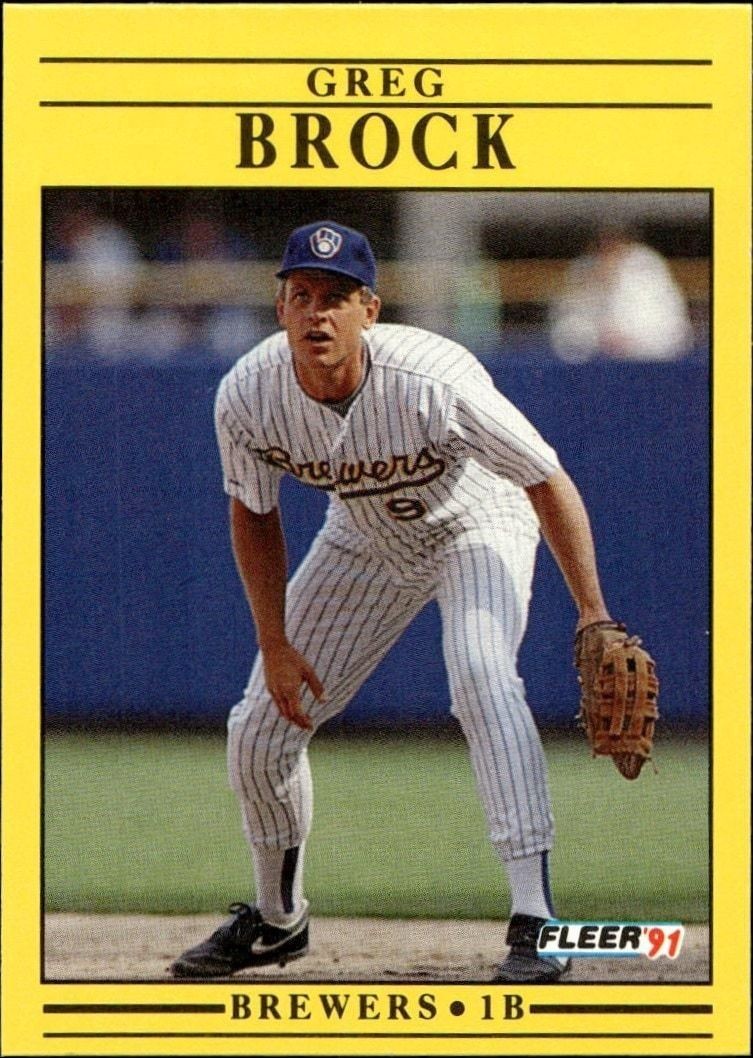


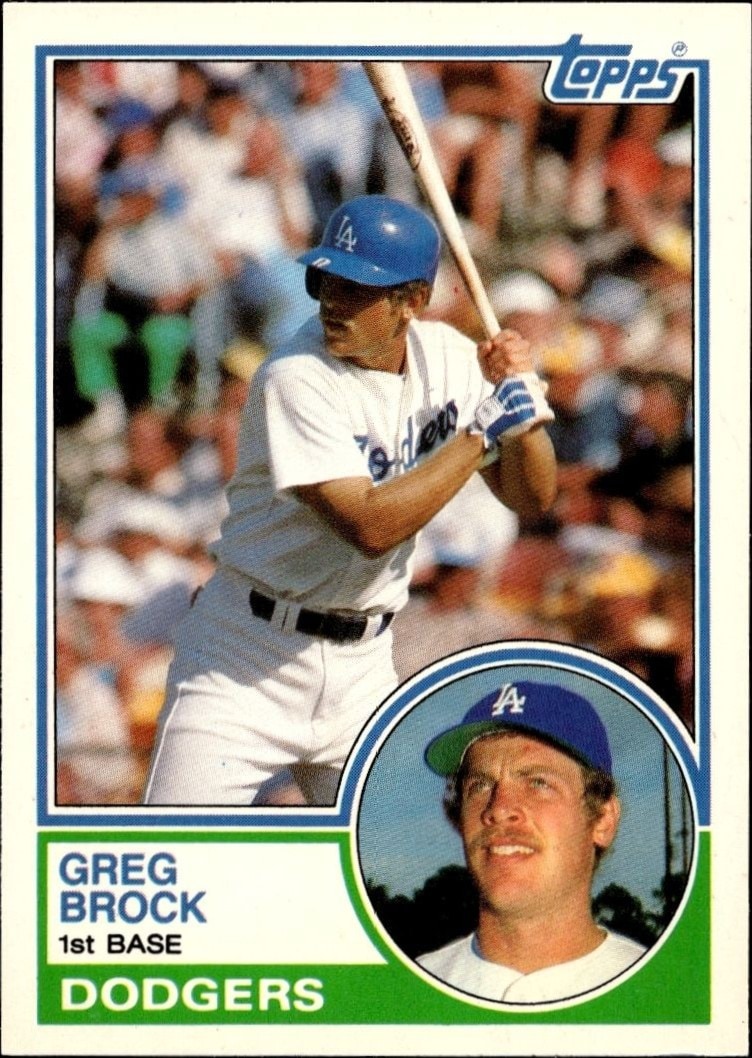
Explore the 1989 Fleer Greg Brock #181 baseball card, featuring the Milwaukee Brewers player in this classic vintage Fleer release.
1989 • Fleer
Major League Baseball • Milwaukee Brewers
Excellent
181
New
Shipping Calculated at Checkout
Arrives in 4-6 daysEstimated delivery October 26, 2026 - October 28, 2026
30-day Returns| Condition | Value | Source | Trend | Price Details |
|---|---|---|---|---|
$1.49 | Guide Estimate | |||
Raw / Ungraded
PriceCharting Price Guide · Guide Estimate evidence · captured Oct 16, 2026
History is building. At least two days of matching observations are needed to show a trend.
Each point is the last stored observation that day for this printing, condition, grader, autograph status and source. Gaps mean no observation; guide estimates and asking prices are not completed sales.The 1989 Fleer Greg Brock #181 baseball card represents a specific moment in the history of the Milwaukee Brewers franchise. Greg Brock, who played for the Brewers, is featured in this standard release, offering collectors a tangible connection to the team's roster from that era. Fleer's 1989 set was significant in the trading card market, often serving as a bridge between the glossy finishes of the 1980s and the evolving design trends that would follow. For collectors focused on Milwaukee Brewers history, the inclusion of Greg Brock #181 provides a necessary component for those building comprehensive team sets. The card's catalog number, 181, places it within the sequential structure of the base set, making it easy to identify and track for serious enthusiasts. Collecting vintage Fleer cards from 1989 appeals to those who appreciate the aesthetic of that specific period. The product serves as a historical artifact, documenting the players who wore the uniform during a time when baseball was undergoing cultural shifts. Whether you are completing a personal collection or focusing on specific teams, the 1989 Fleer Greg Brock #181 remains a relevant item for those interested in the physical media of sports history. It stands as a piece of the broader narrative of baseball card collecting, highlighting the importance of each card number in the set's identity. By focusing on the product's identity and its place in the 1989 Fleer series, collectors can make informed decisions about building their collections. The card's value lies in its role as a piece of the larger puzzle, connecting fans to the players and teams of the past through the medium of the trading card.
1 day ago
We'll pre-fill the product details from this catalog entry, so your listing lands on this exact page. Just add photos of your copy, pick its condition, and set your price.
The catalog profile below summarizes the card identity, featured subject, and notable collectible traits.
The subject, team, league, and sport context tied to this card.
Production details and format-specific attributes.
Material
Card Stock
Language
English
Compare prices, grades, photos, and shipping from approved sellers.
New
Excellent
See how many public collections currently include this card.
0 collectors have this card
Greg Brock's 1989 Fleer card resides in the lower tier of market value, reflecting his role as a bench contributor rather than a marquee franchise cornerstone. The current pricing indicates a baseline valuation typical for non-rookie, non-star base cards from this era, with minimal condition premiums evident in the active listings. This places the item well below the price points of his teammates or contemporaries who achieved higher career visibility or All-Star status.
As a standard base card from the 1989 Fleer set, this item lacks any scarcity mechanics such as serial numbering, short prints, or parallel variants. The supply is determined entirely by the original mass production run, meaning it is widely available and not constrained by limited edition printing processes. Consequently, rarity is not a value driver for this specific card, distinguishing it from the more sought-after inserts or parallels within the same set.
The investment potential is limited by the absence of rookie card status and the lack of special parallel attributes that typically drive collector demand in the modern market. While it serves as a functional entry point for 1980s Brewers or Fleer set builders, it does not possess the scarcity or historical significance required for significant appreciation. Collectors are more likely to prioritize higher-tier assets, leaving this base card with stable but low-growth prospects.
