






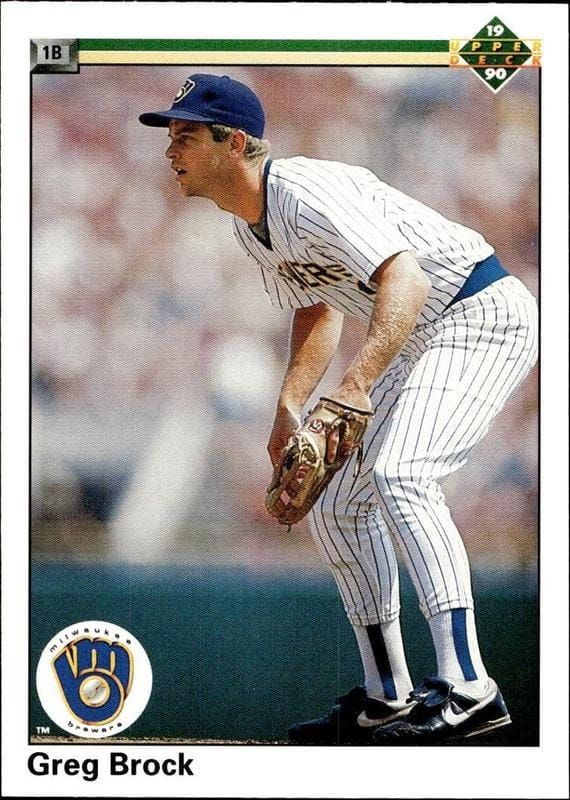
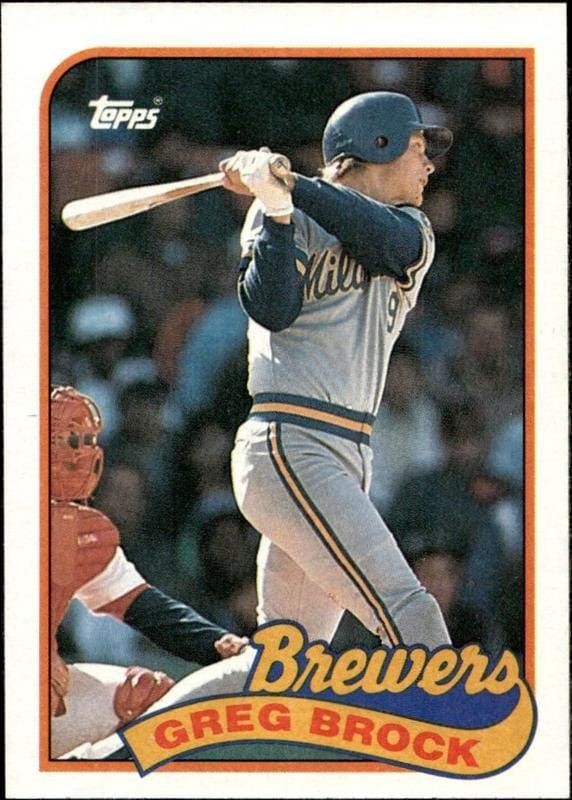
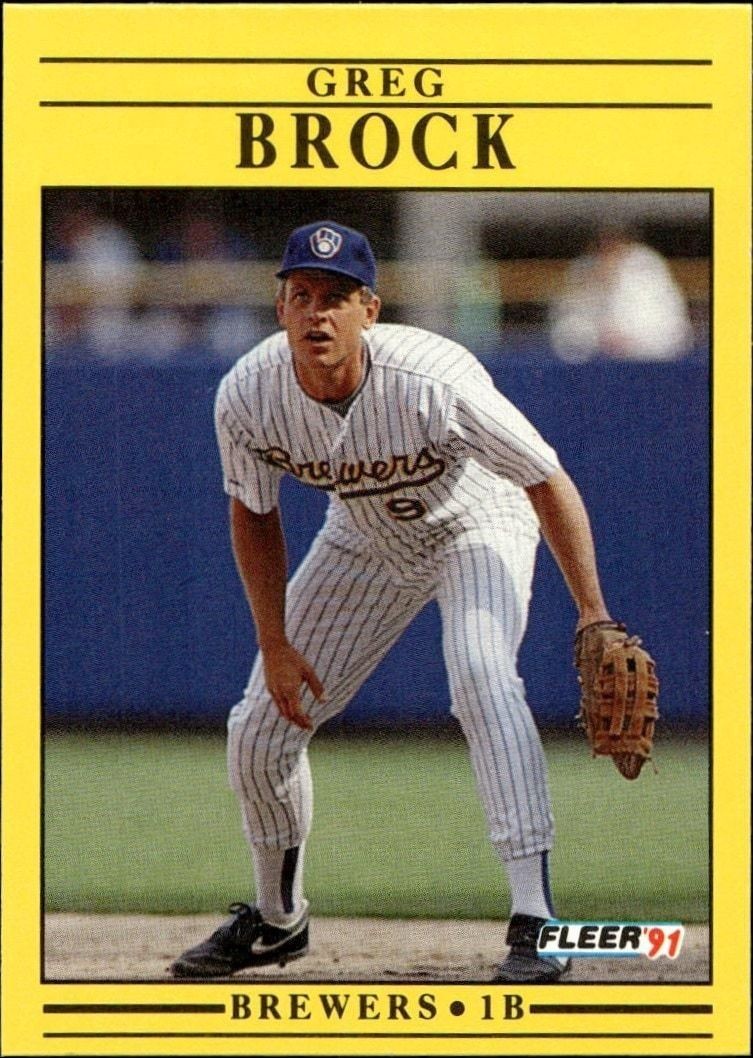


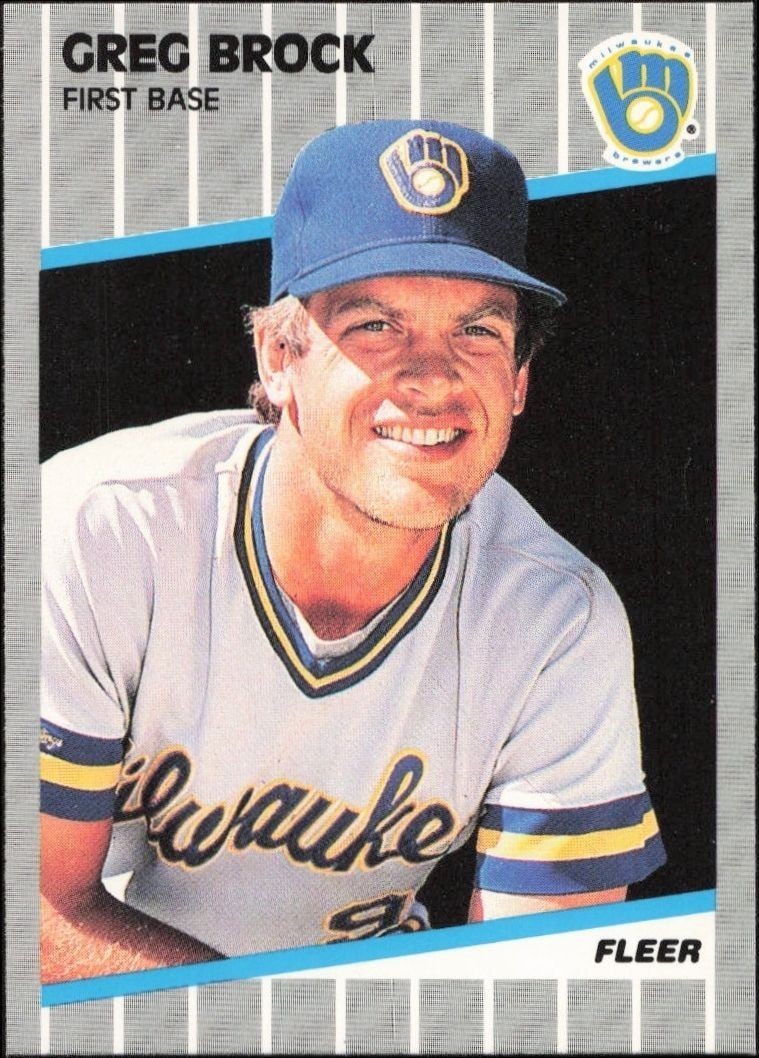

The 1988 Fleer Greg Brock #158 baseball card features the Milwaukee Brewers first baseman in a key release from Fleer's first major set.
1988 • Fleer
Major League Baseball • Milwaukee Brewers
Excellent
158
New
Shipping Calculated at Checkout
Arrives in 4-6 daysEstimated delivery October 23, 2026 - October 25, 2026
Seller returns October 19, 2026.30-day Returns| Condition | Value | Source | Trend | Price Details |
|---|---|---|---|---|
$0.99As of 10/1/2026 | Guide Estimate | |||
Raw / Ungraded
PriceCharting Price Guide · Guide Estimate evidence · captured Oct 1, 2026
History is building. At least two days of matching observations are needed to show a trend.
Each point is the last stored observation that day for this printing, condition, grader, autograph status and source. Gaps mean no observation; guide estimates and asking prices are not completed sales.Greg Brock appears on card number 158 in the 1988 Fleer baseball set, marking a significant moment in sports trading card history as Fleer re-entered the market after years of absence. This release helped revitalize the industry, offering collectors a fresh alternative to the dominant Topps monopoly of the era. For those building collections of 1980s MLB history, this card represents a tangible piece of that pivotal transition. As a member of the Milwaukee Brewers, Brock is depicted in the team's uniform, providing a snapshot of his tenure with the club during the late 1980s. The 1988 Fleer brand is recognized for its distinctive design elements that broke away from traditional layouts, making cards like this one stand out in any album or binder. Collectors often seek out specific numbers from this set to complete their base collections, making card 158 a necessary component for serious enthusiasts. Whether you are a fan of the Milwaukee Brewers, a historian of the Fleer brand, or a general baseball card collector, this 1988 release holds its place in the hobby's narrative. The card serves as a reminder of the era when new manufacturers began to challenge the status quo, introducing designs and printing techniques that changed how fans interacted with their favorite players. For investors and hobbyists alike, understanding the context of the 1988 Fleer release adds depth to the appreciation of individual cards like this one.
1 day ago
We'll pre-fill the product details from this catalog entry, so your listing lands on this exact page. Just add photos of your copy, pick its condition, and set your price.
The catalog profile below summarizes the card identity, featured subject, and notable collectible traits.
The subject, team, league, and sport context tied to this card.
Production details and format-specific attributes.
Material
Card Stock
Language
English
Compare prices, grades, photos, and shipping from approved sellers.
New
Excellent
See how many public collections currently include this card.
0 collectors have this card
Greg Brock's 1988 Fleer card sits at the lower end of the vintage baseball market, reflecting his status as a journeyman player rather than a franchise cornerstone. While it holds nostalgic value for collectors of the Milwaukee Brewers or 1980s Fleer sets, it does not command a significant premium over its base price tier. The card's value is largely driven by its role as an affordable entry point into vintage baseball collecting rather than individual player demand.
This card is a standard base issue with no special attributes such as serial numbering, short printing, or parallel variants to constrain its supply. The absence of unique scarcity markers means it shares its availability with the broader print run of the 1988 Fleer baseball set. Consequently, the supply is relatively abundant compared to limited-edition inserts or autographed parallels.
As a non-rookie card from a mid-tier brand, this item lacks the rookie-card premium mechanics that typically drive long-term appreciation in vintage baseball. Collector interest is likely limited to those completing specific team or brand sets rather than broad speculative demand. While it offers low-risk exposure to the vintage sector, it does not exhibit the strong demand drivers associated with Hall of Fame careers or highly sought-after rookie debuts.
