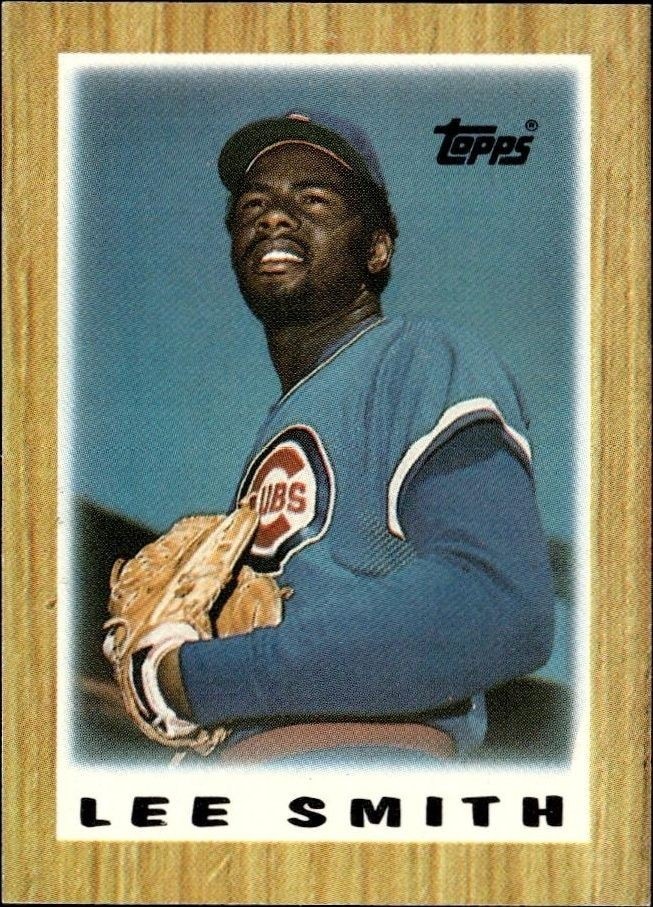





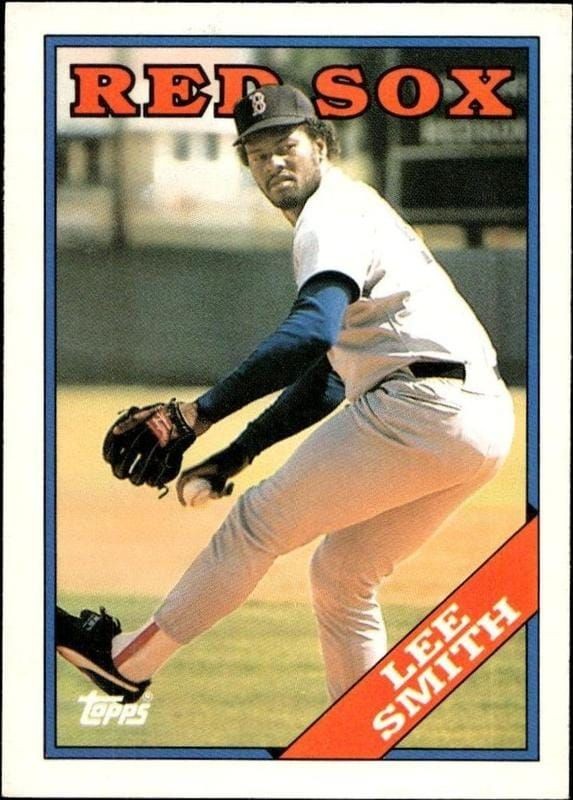
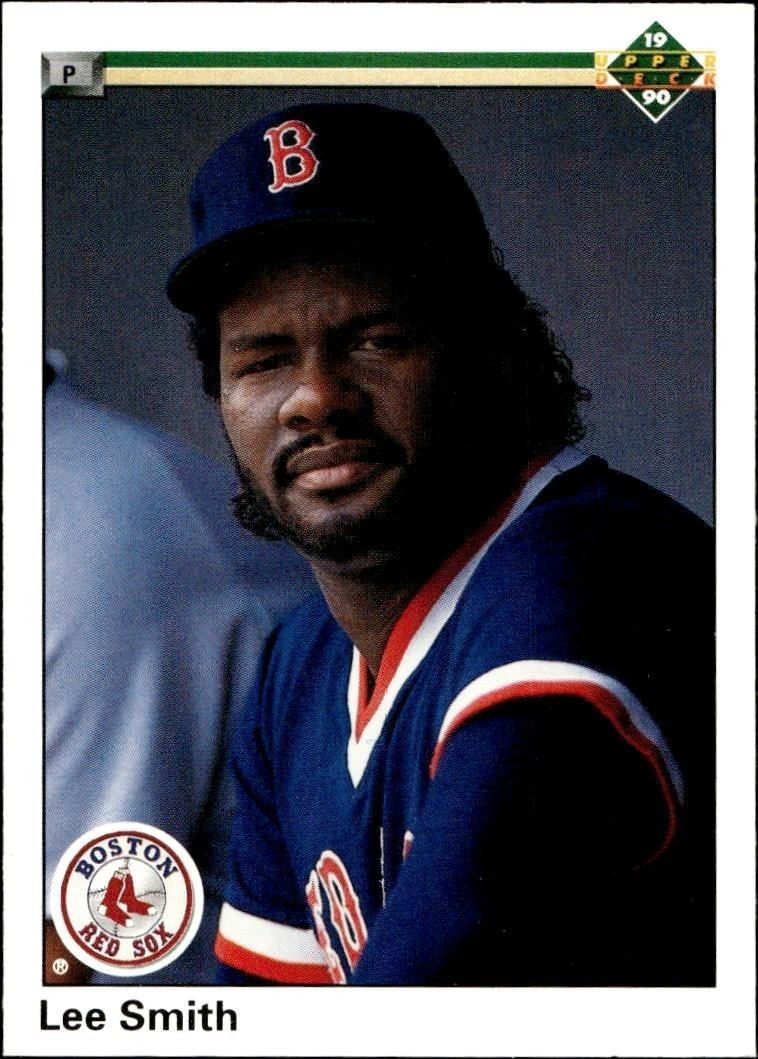
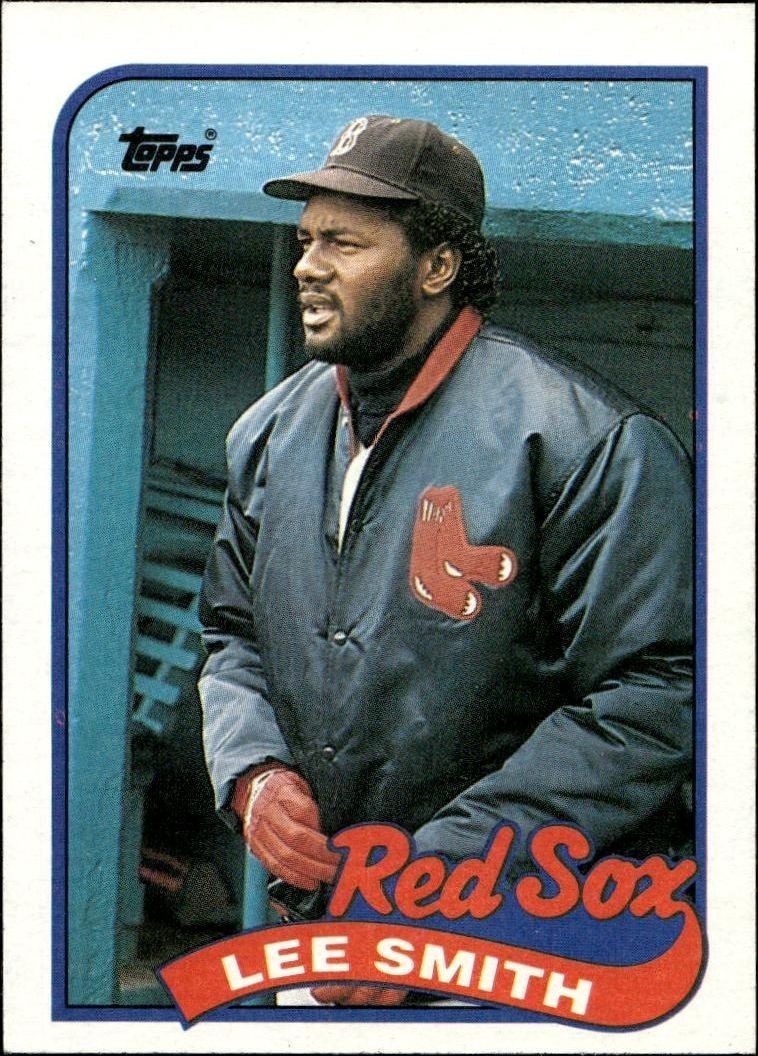
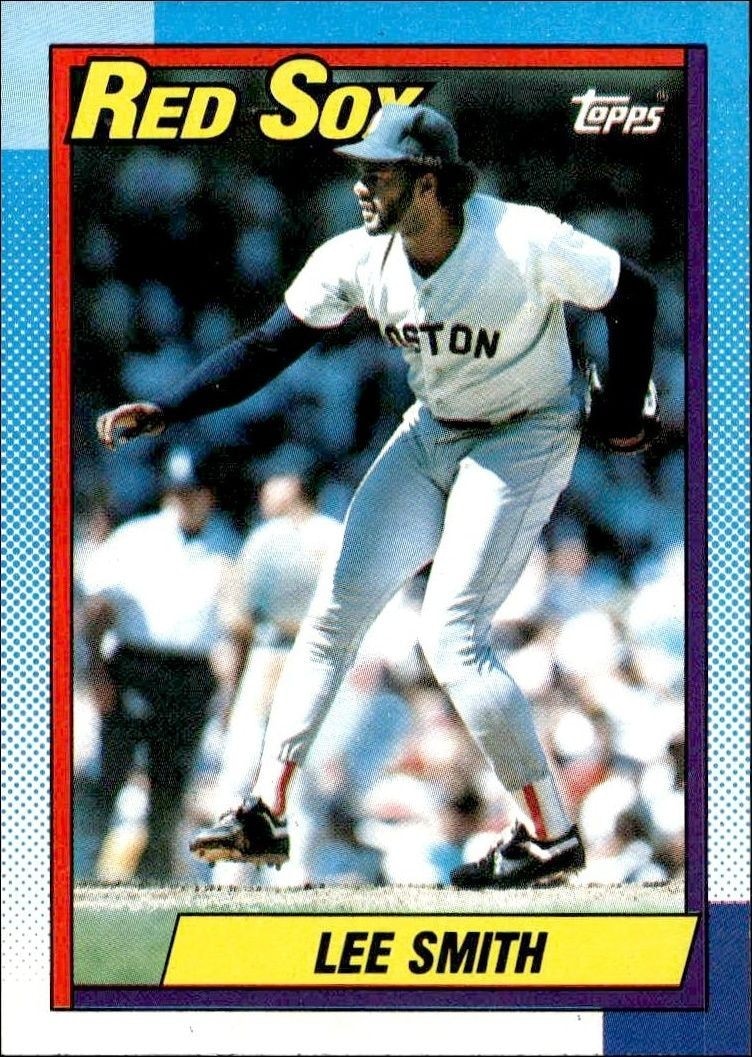
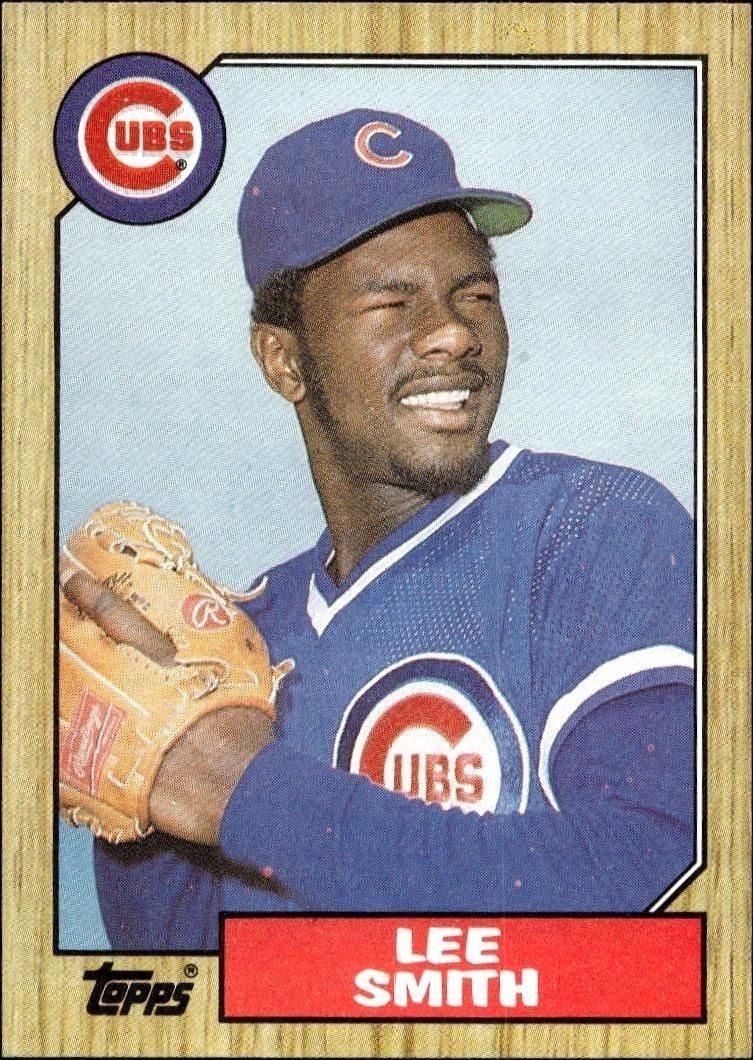

The 1989 Fleer Lee Smith #99 baseball card features the legendary Boston Red Sox closer. This card is part of the landmark Fleer debut set.
1989 • Fleer
Major League Baseball • Boston Red Sox
Near Mint
99
New
Shipping Calculated at Checkout
Arrives in 5-7 daysEstimated delivery October 23, 2026 - October 25, 2026
Seller returns October 19, 2026.30-day Returns| Condition | Value | Source | Trend | Price Details |
|---|---|---|---|---|
$1.27As of 10/1/2026 | Guide Estimate | |||
$6.50As of 10/1/2026 | Guide Estimate | |||
$7.00As of 10/1/2026 | Guide Estimate | |||
$28.00As of 10/1/2026 | Guide Estimate | |||
$13.00As of 10/1/2026 | Guide Estimate | |||
$21.50As of 10/1/2026 | Guide Estimate | |||
$13.00As of 10/1/2026 | Guide Estimate | |||
Raw / Ungraded
PriceCharting Price Guide · Guide Estimate evidence · captured Oct 1, 2026
History is building. At least two days of matching observations are needed to show a trend.
Each point is the last stored observation that day for this printing, condition, grader, autograph status and source. Gaps mean no observation; guide estimates and asking prices are not completed sales.The 1989 Fleer Lee Smith #99 baseball card represents a pivotal moment in trading card history. As part of Fleer's historic return to the market after a 17-year hiatus, this release redefined the aesthetics of modern baseball cards. Lee Smith, a dominant closer for the Boston Red Sox during this era, is featured prominently in this catalog entry, capturing his reputation as one of the most reliable relievers in Major League Baseball. The #99 card showcases Smith in his Red Sox uniform, reflecting his tenure with the team during the late 1980s. For investors and hobbyists, this card serves as a tangible piece of sports memorabilia from a transformative year in the industry. The bold colors and graphic style of the 1989 Fleer base set have become iconic, making cards like Smith's #99 highly desirable for completionists and parallel hunters alike. Whether you are building a comprehensive collection of Boston Red Sox legends or focusing on the golden age of the closer position, the 1989 Fleer Lee Smith #99 card offers significant collector appeal. Its status as a key card from the first year of Fleer's modern reissue adds historical weight to the item. The card remains a staple for those who appreciate the visual evolution of sports trading cards and the athletic prowess of players like Lee Smith.
11 hours ago
We'll pre-fill the product details from this catalog entry, so your listing lands on this exact page. Just add photos of your copy, pick its condition, and set your price.
The catalog profile below summarizes the card identity, featured subject, and notable collectible traits.
The subject, team, league, and sport context tied to this card.
Production details and format-specific attributes.
Material
Card Stock
Language
English
Compare prices, grades, photos, and shipping from approved sellers.
New
Near Mint
See how many public collections currently include this card.
0 collectors have this card
This 1989 Fleer Lee Smith card represents a foundational entry in his career, reflecting the broader market dynamics of late-80s baseball staples. While it currently trades at a modest value tier compared to premium parallels or graded examples, it serves as an accessible anchor for collectors focusing on the Boston Red Sox era. The absence of special attributes suggests it is a base card, positioning it firmly in the high-volume, lower-premium segment of the secondary market.
As a standard base card from the 1989 Fleer set, this item carries no inherent scarcity mechanics such as serial numbering, short printing, or parallel finishes. Its supply is determined by the original mass production run, making it widely available among the general population of ungraded examples. Consequently, the card relies entirely on player demand rather than limited supply factors to maintain any collectible interest.
The investment potential is driven primarily by the nostalgia associated with the 1989 release and Lee Smith’s established status as a prominent MLB closer during that period. Without rookie card designation or unique set features, long-term appreciation is likely tied to general market trends for vintage baseball staples rather than individual card-specific catalysts. Collectors may acquire this for portfolio diversification within the vintage baseball segment, but it lacks the distinct drivers needed for significant standalone growth.
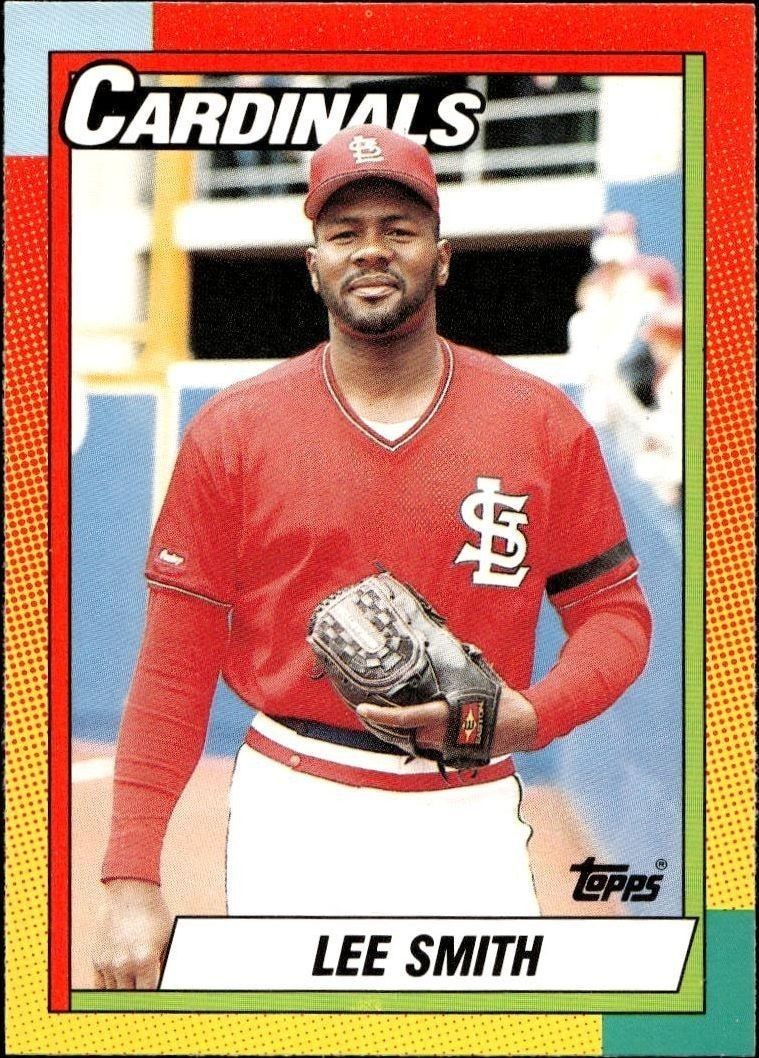
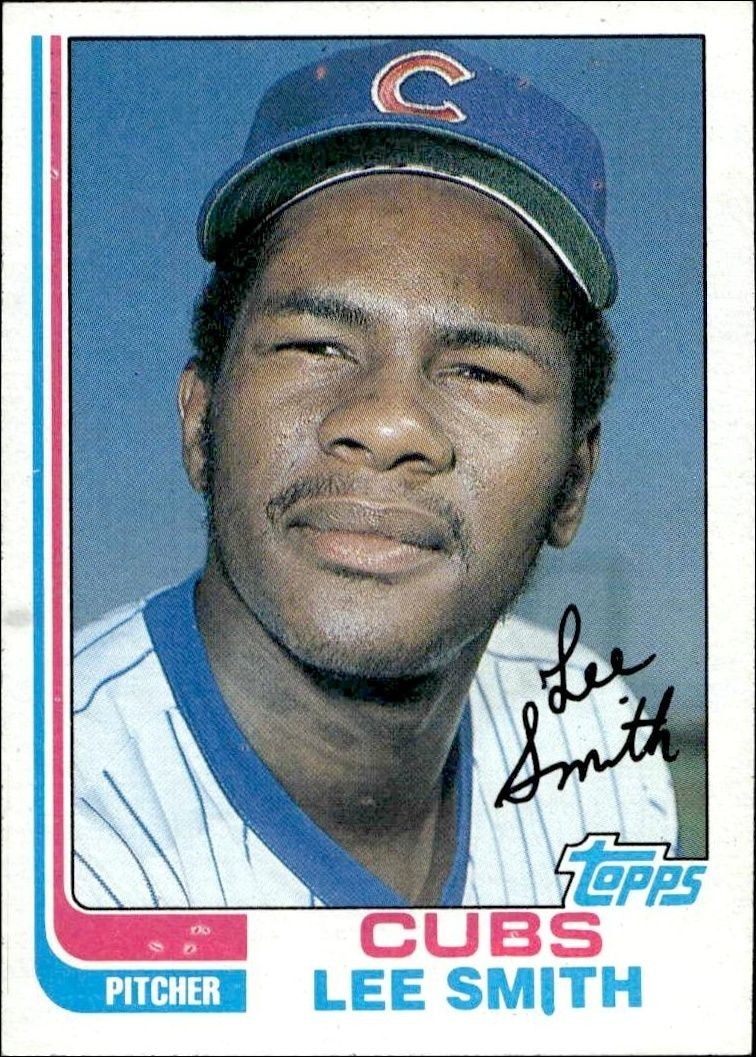
1982 • Topps
#452
2 listings