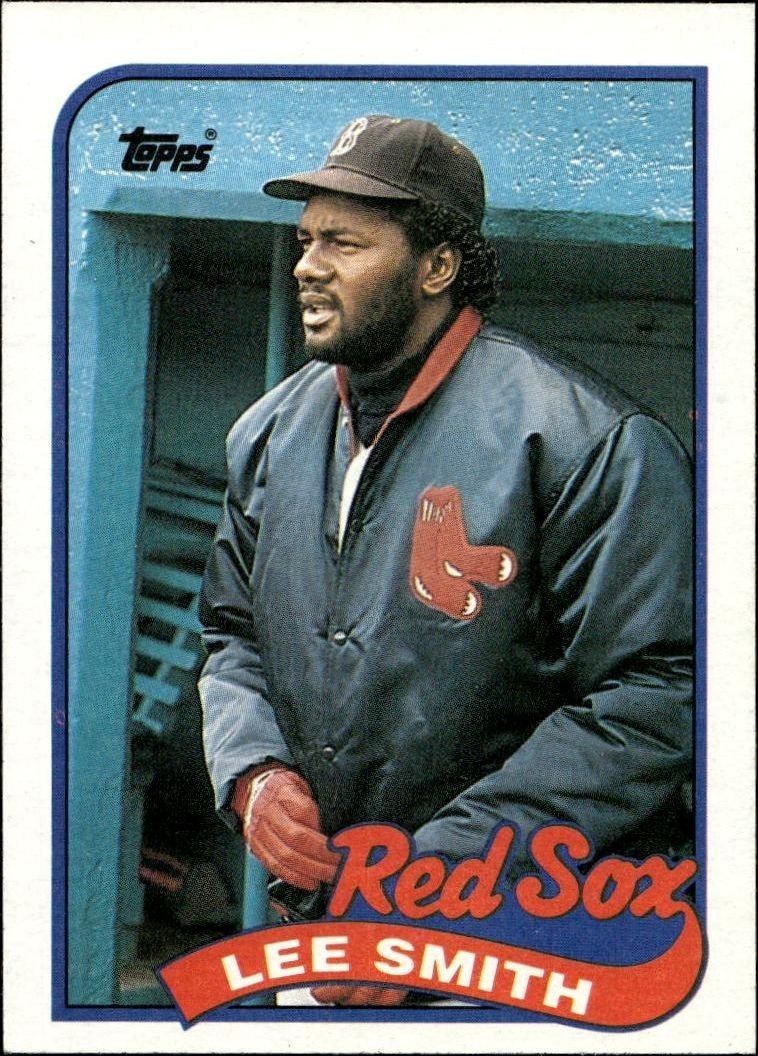

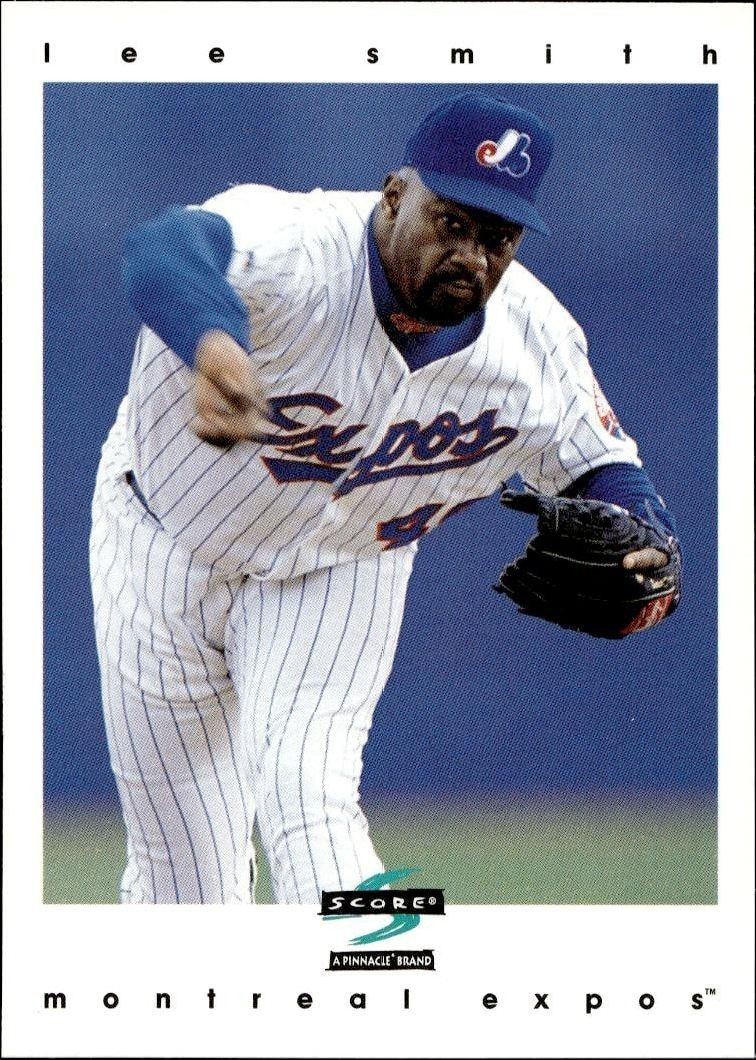
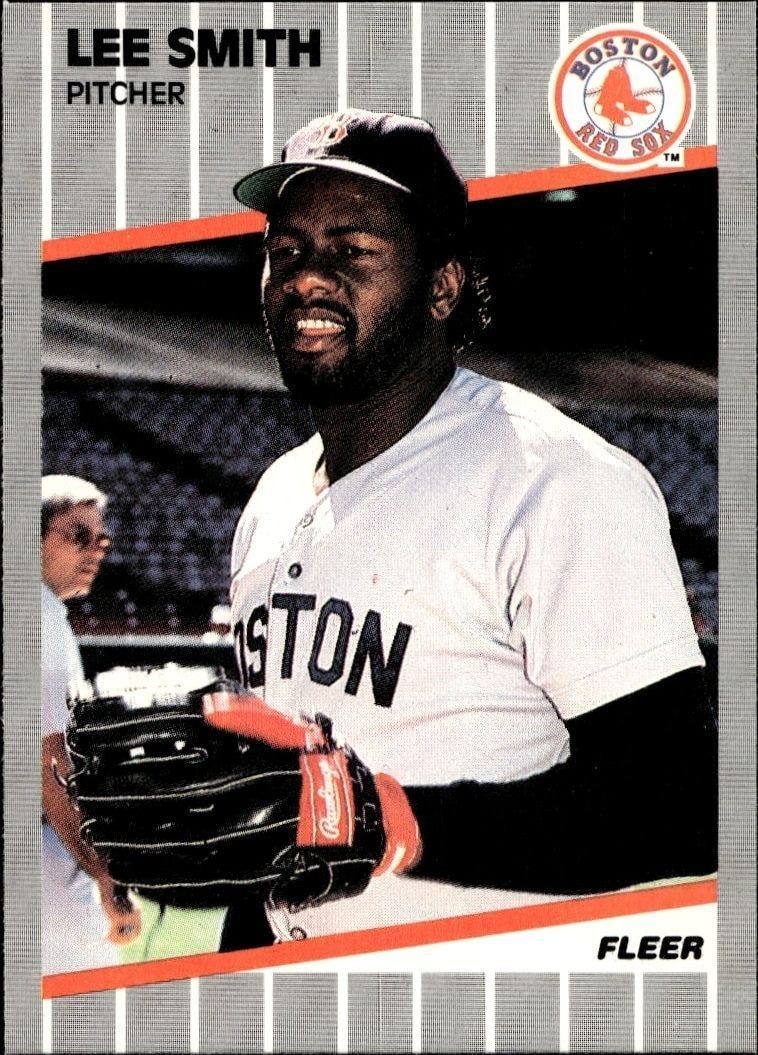
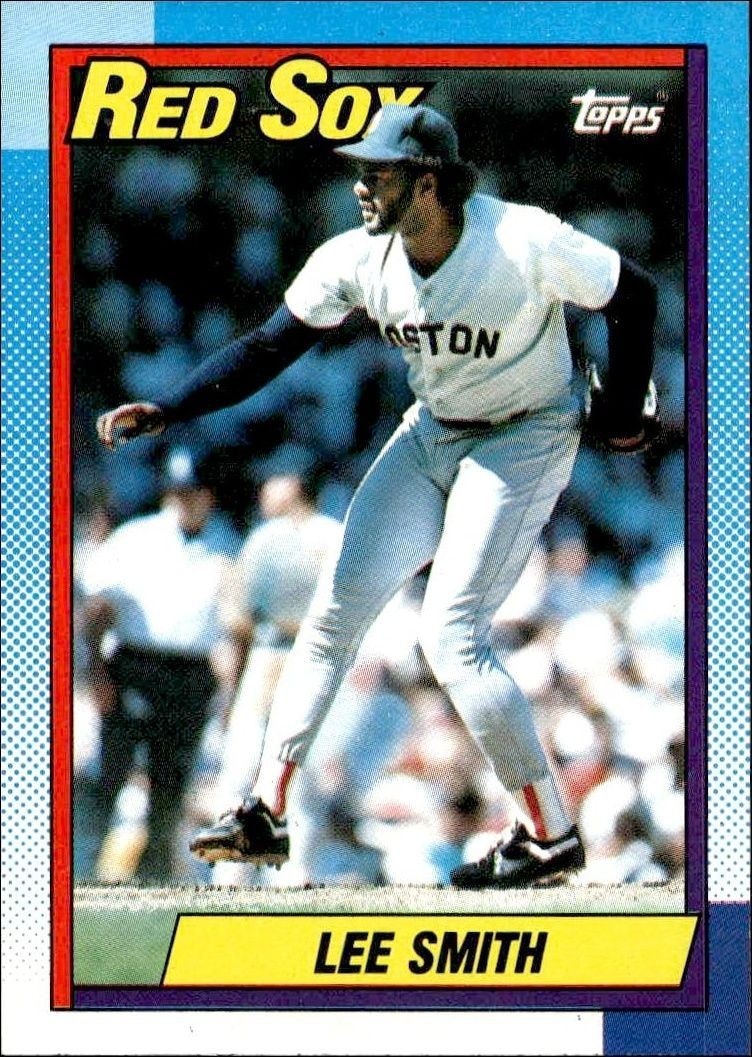

The 1990 Upper Deck #393 Lee Smith baseball card features the Boston Red Sox pitcher in the landmark 1990 Upper Deck series.
1990 • Upper Deck • Low Number
Major League Baseball • Boston Red Sox
Near Mint
393
New
Shipping Calculated at Checkout
30-day Returns| Condition | Value | Source | Trend | Price Details |
|---|---|---|---|---|
$0.87As of 10/13/2026 | Guide Estimate | 0% | ||
$29.00As of 10/13/2026 | Guide Estimate | 0% | ||
$13.00As of 10/13/2026 | Guide Estimate | 0% | ||
$21.99As of 10/13/2026 | Guide Estimate | 0% | ||
$13.00As of 10/13/2026 | Guide Estimate | 0% | ||
Raw / Ungraded
PriceCharting Price Guide · Guide Estimate evidence · captured Oct 13, 2026
This card features Lee Smith, who was with the Boston Red Sox during this era, making it a relevant piece for fans of the team and the player. As part of the 1990 Upper Deck set, card number 393 is assigned to Lee Smith. Collectors often seek out cards from this year due to the set's historical significance in the trading card market. The card represents a time when Smith was an active pitcher in Major League Baseball, adding contextual value for those interested in the sport's history. For collectors building a set of 1990 Upper Deck cards, this product provides the opportunity to acquire the Lee Smith card. Whether you are focusing on completing a full set, collecting Boston Red Sox memorabilia, or seeking out specific players from the early 1990s, this card fits into the broader landscape of vintage baseball collecting. The 1990 Upper Deck brand continues to be a favorite among hobbyists for its consistent quality and iconic status. This product is part of a growing collection of vintage sports cards available for those who appreciate the history of the game. By including the 1990 Upper Deck #393 Lee Smith baseball card in your collection, you are adding a piece of baseball history that resonates with both casual fans and serious investors in sports memorabilia.
6 days ago
We'll pre-fill the product details from this catalog entry, so your listing lands on this exact page. Just add photos of your copy, pick its condition, and set your price.
The catalog profile below summarizes the card identity, featured subject, and notable collectible traits.
The core identity of the card within the set.
The subject, team, league, and sport context tied to this card.
Production details and format-specific attributes.
Material
Card Stock
Language
English
Compare prices, grades, photos, and shipping from approved sellers.
New
Near Mint
See how many public collections currently include this card.
0 collectors have this card
FAQ
The card was released in 1990 as part of the Upper Deck baseball card series. It is part of the base set and features Lee Smith.
Lee Smith is featured as a member of the Boston Red Sox on this card from the 1990 Upper Deck set.
No, this is a standard non-autographed, non-memorabilia sports card from the 1990 Upper Deck base set.
This 1990 Upper Deck Lee Smith card represents a baseline entry-level asset within the broader set, currently trading at the lower end of the market spectrum for veteran players from this era. While the Boston Red Sox tenure adds historical interest, the lack of special attributes keeps it firmly in the volume category rather than the premium tier. It serves as an affordable acquisition for collectors focusing on team history or specific set completion without commanding a significant condition premium.
As a standard base card without noted parallels, short prints, or serial numbering, this item benefits from a high original print run that inherently limits its scarcity. The absence of unique production mechanics means supply is abundant relative to demand, preventing any artificial constraint on availability. Consequently, the card does not possess the structural rarity elements that typically drive significant value appreciation in secondary markets.
The investment potential is moderate at best, driven primarily by nostalgia for 1990s baseball and Lee Smith's role as a prominent closer rather than rookie-card mechanics. Demand is likely stable but low, catering to casual completists rather than serious investors seeking high-growth assets. Long-term value will depend on the general appreciation of vintage Upper Deck products rather than any specific scarcity of this individual card.