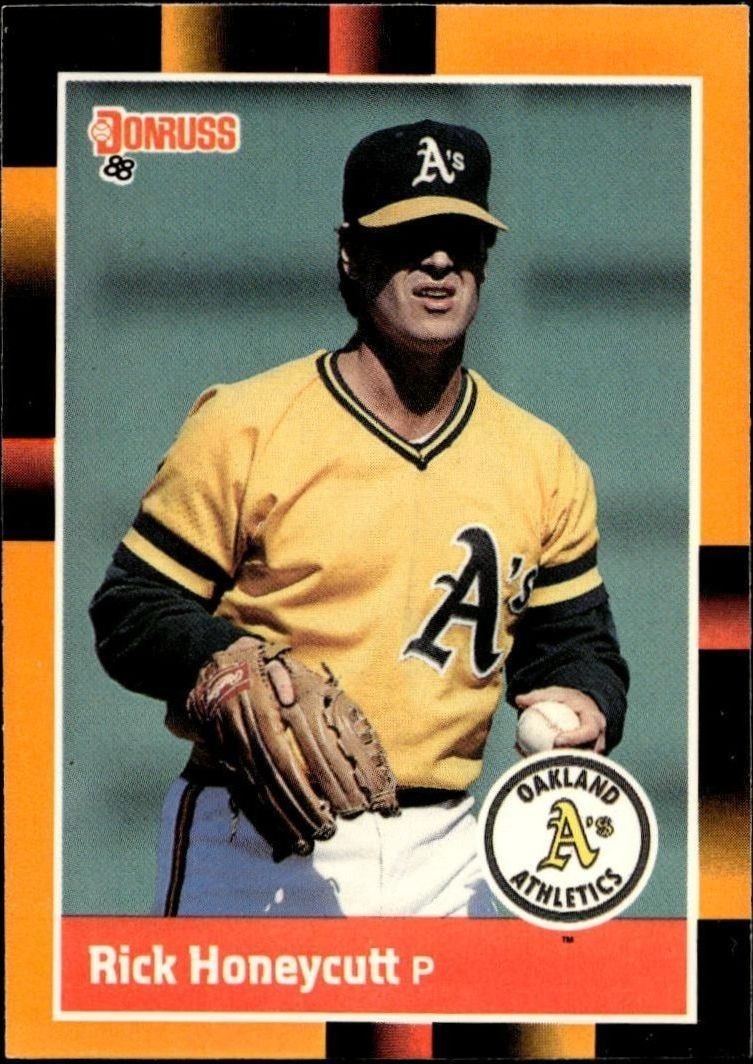



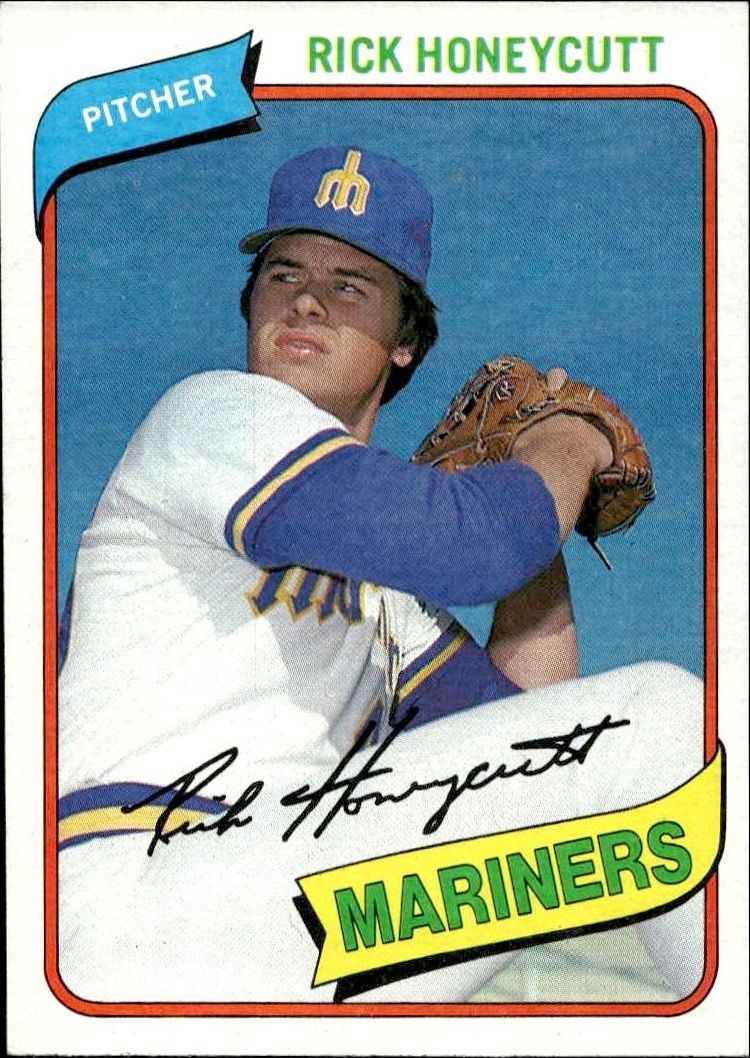
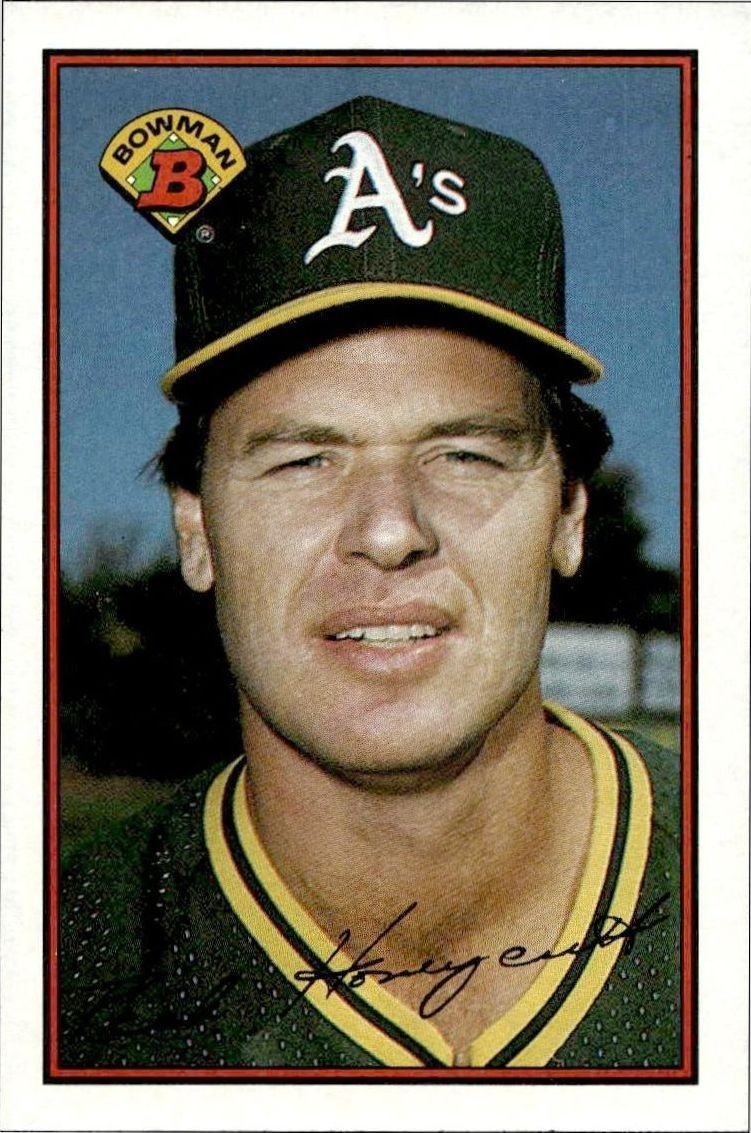
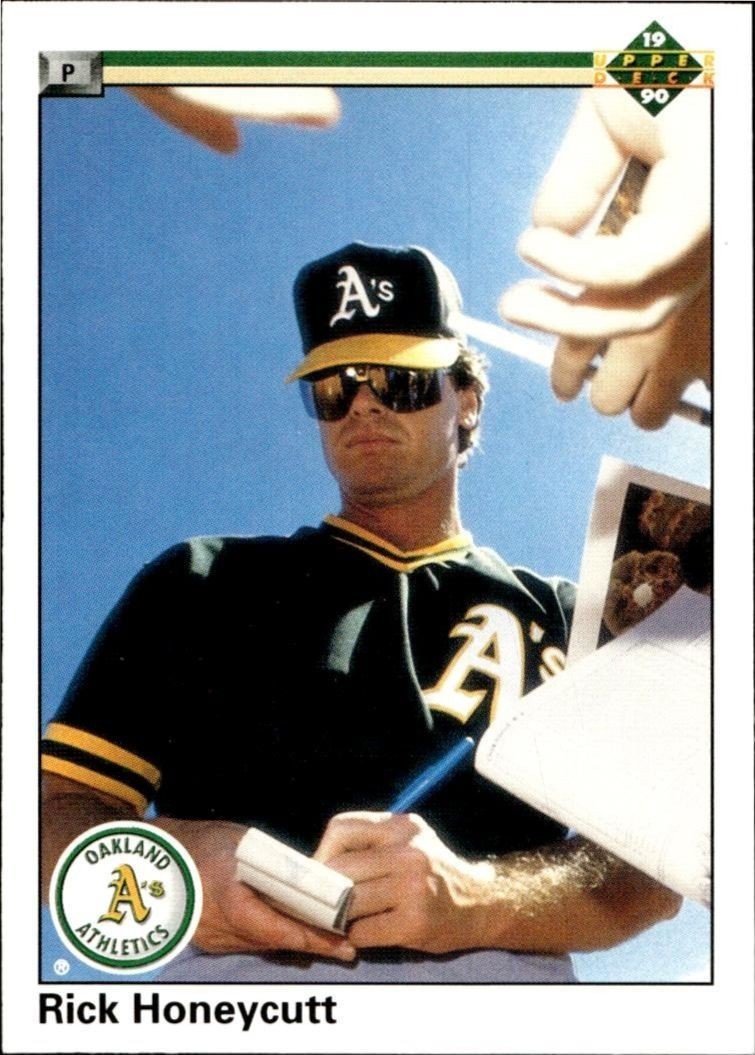
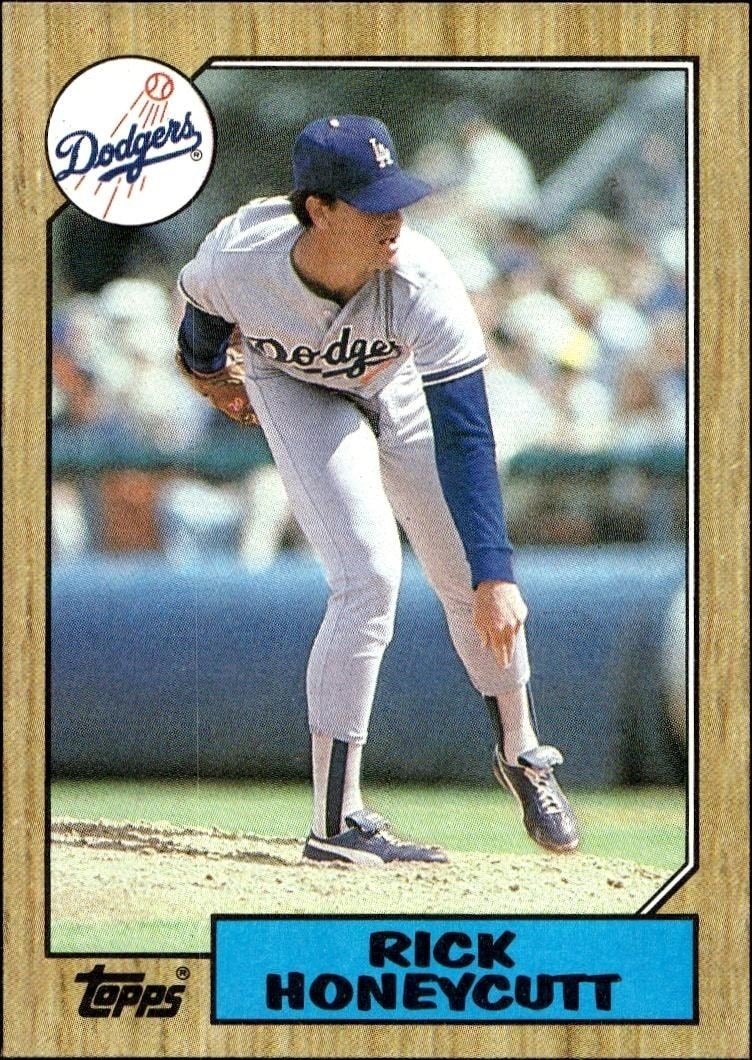
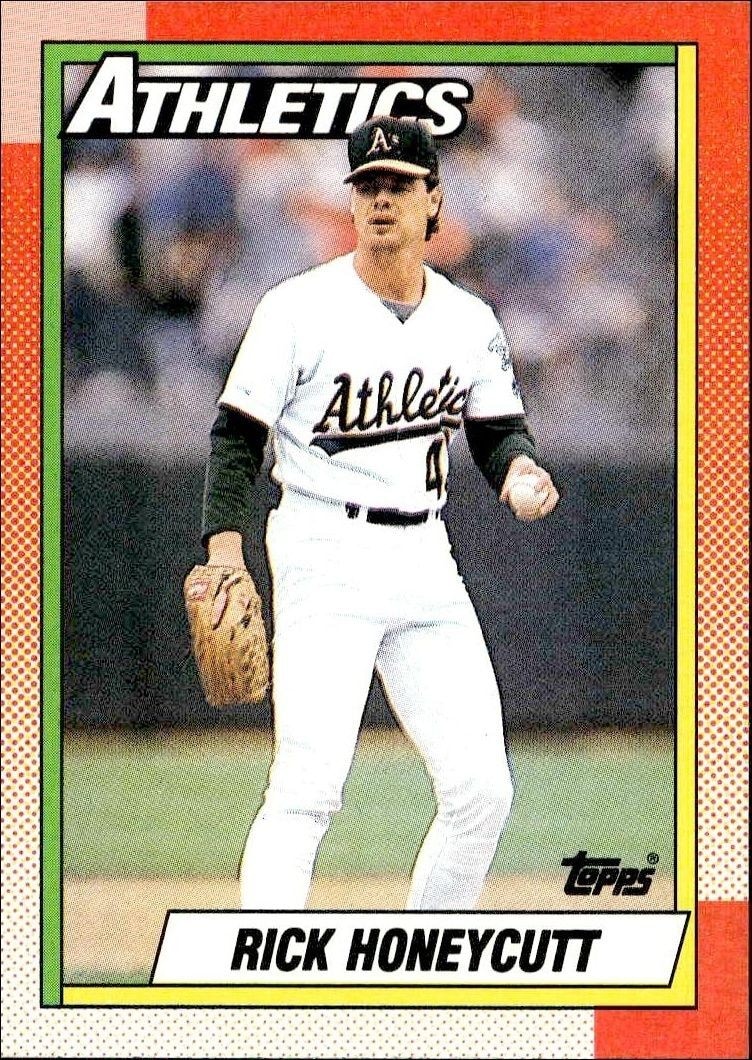
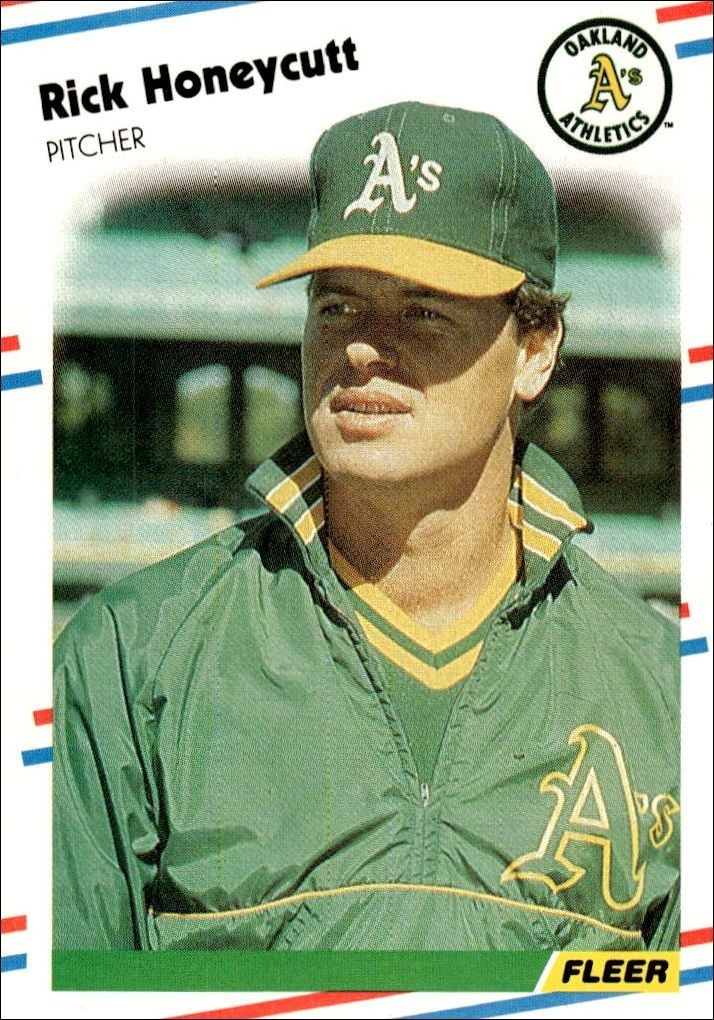
Explore the 1989 Fleer Rick Honeycutt baseball card, number 11, featuring the Oakland Athletics player. A staple of vintage sports card collecting.
1989 • Fleer
Major League Baseball • Oakland Athletics
Excellent
11
New
Shipping Calculated at Checkout
Arrives in 4-6 daysEstimated delivery October 23, 2026 - October 25, 2026
30-day Returns| Condition | Value | Source | Trend | Price Details |
|---|---|---|---|---|
$1.00 | Guide Estimate | |||
Raw / Ungraded
PriceCharting Price Guide · Guide Estimate evidence · captured Oct 16, 2026
History is building. At least two days of matching observations are needed to show a trend.
Each point is the last stored observation that day for this printing, condition, grader, autograph status and source. Gaps mean no observation; guide estimates and asking prices are not completed sales.The 1989 Fleer Rick Honeycutt baseball card, designated as card number 11, captures a specific moment in the history of the Oakland Athletics franchise. Released during a pivotal era for sports memorabilia, this card is part of the Fleer brand's extensive catalog, which has become synonymous with modern trading card design. Collectors often seek out cards from this year to complete foundational sets that define their hobby. Rick Honeycutt’s inclusion in this release offers a tangible connection to the team’s roster during the late 1980s, making it a relevant item for those focused on team-specific collections or era-based investing. The card itself serves as a piece of sports history, allowing enthusiasts to own a physical artifact from a specific season. For investors and hobbyists alike, products like this one represent the intersection of sports legacy and collectible value. As the market for vintage baseball cards continues to evolve, items from the 1989 Fleer set remain significant for their historical context and design. Whether you are looking to add to an existing collection or start a new one focused on the Oakland Athletics, this card provides a direct link to the past. The appeal lies not just in the player featured, but in the broader significance of the Fleer brand during this time. Many collectors prioritize this era for its distinctive aesthetic and the way it bridges older design traditions with newer marketing strategies. By focusing on the catalog identity, we can appreciate the card's role in the larger narrative of baseball card production. It stands as a testament to the enduring interest in professional athletes and their contributions to the game. For anyone interested in the 1989 Fleer baseball set, this card is an essential component. It allows for a deeper understanding of the team's composition and the players who defined that season. The card's placement within the set also highlights its place in the sequential design that Fleer was known for. This approach ensures that each card, including number 11, contributes to a cohesive visual and historical whole. Collectors value this level of detail and continuity in their acquisitions. Ultimately, the 1989 Fleer Rick Honeycutt card offers more than just a portrait; it offers a piece of sports heritage that can be preserved and enjoyed for years to come.
2 days ago
We'll pre-fill the product details from this catalog entry, so your listing lands on this exact page. Just add photos of your copy, pick its condition, and set your price.
The catalog profile below summarizes the card identity, featured subject, and notable collectible traits.
The subject, team, league, and sport context tied to this card.
Production details and format-specific attributes.
Material
Card Stock
Language
English
Compare prices, grades, photos, and shipping from approved sellers.
New
Excellent
See how many public collections currently include this card.
0 collectors have this card
This 1989 Fleer card of Rick Honeycutt sits at a foundational entry level, reflecting his status as a role player rather than a franchise cornerstone during the late 1980s. As a standard base card without special inserts or parallels, it commands minimal premium over raw market averages, trading in line with common rookie or early-career assets from this era. The availability of active listings suggests a liquid but low-demand environment where value is driven by bulk acquisition rather than individual speculation.
The card lacks any special scarcity mechanics such as serial numbering, short-print designations, or parallel treatments, existing solely as a standard base issue. This unvarnished presentation means its supply is effectively unlimited relative to collector demand, as it was produced in high volumes to fill the base set. Consequently, the item does not benefit from the constrained supply dynamics that typically drive rarity premiums in the secondary market.
As a non-rookie card for a player whose career peaked in the 1980s, this item lacks the speculative upside associated with rookie cards or hall-of-fame trajectories. Collector interest is likely limited to specific team completists for the Oakland Athletics or those focused on 1989 Fleer set assembly. Without unique attributes to drive distinct demand, the card remains a functional component for completionists rather than a standalone investment vehicle.