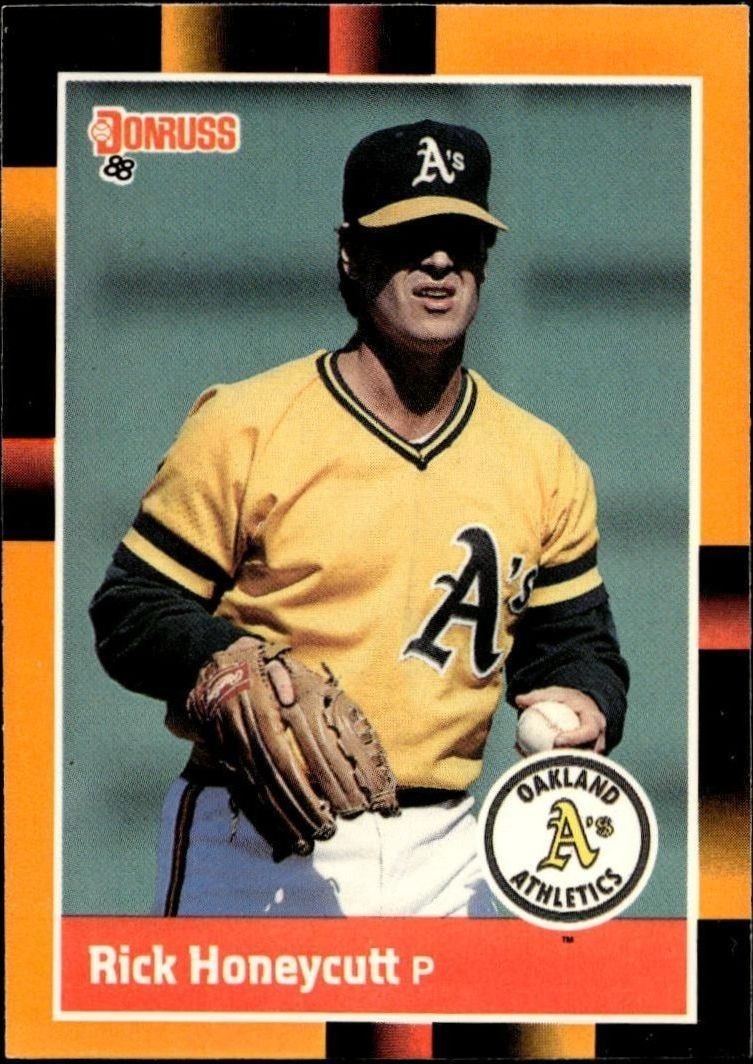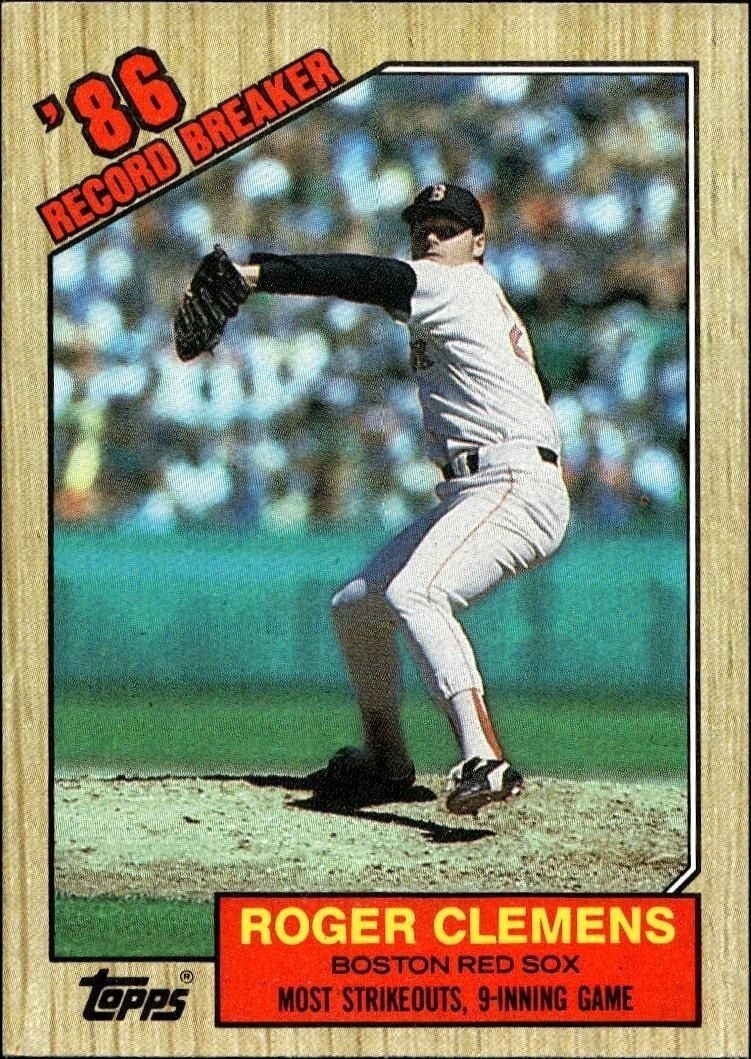


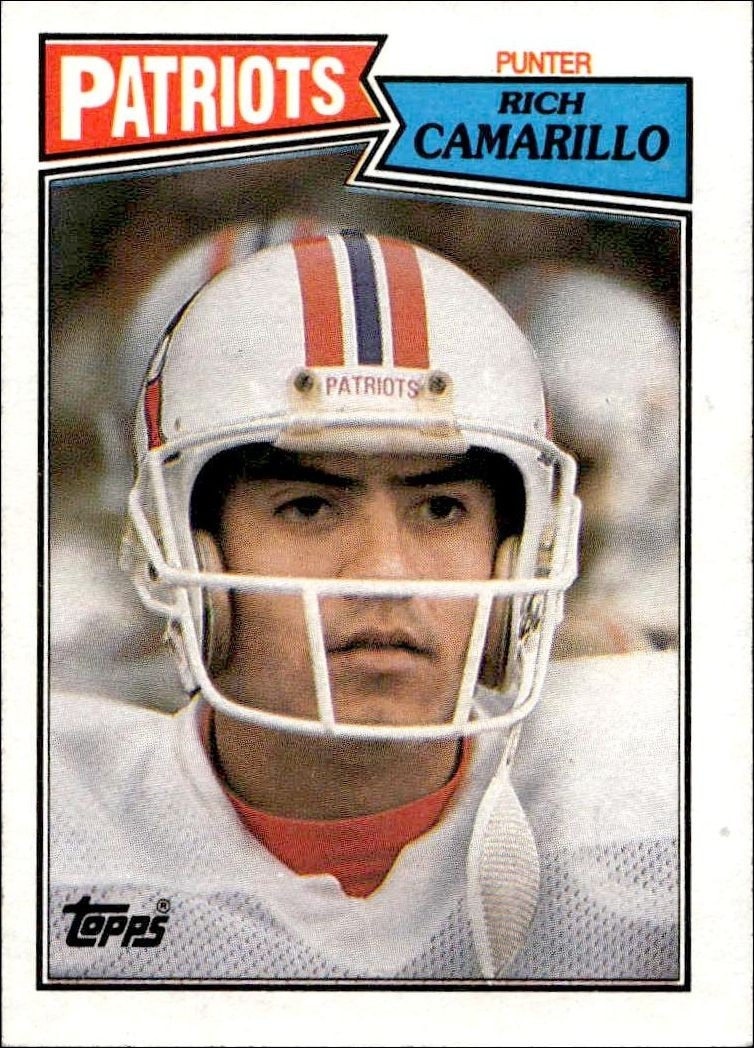

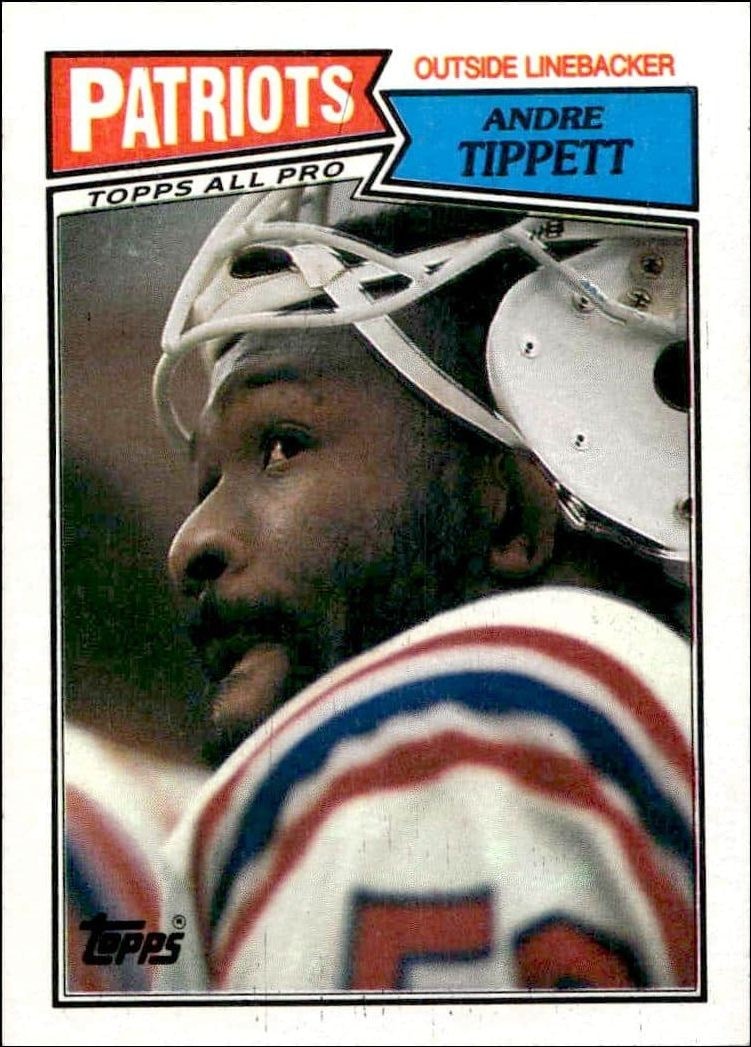


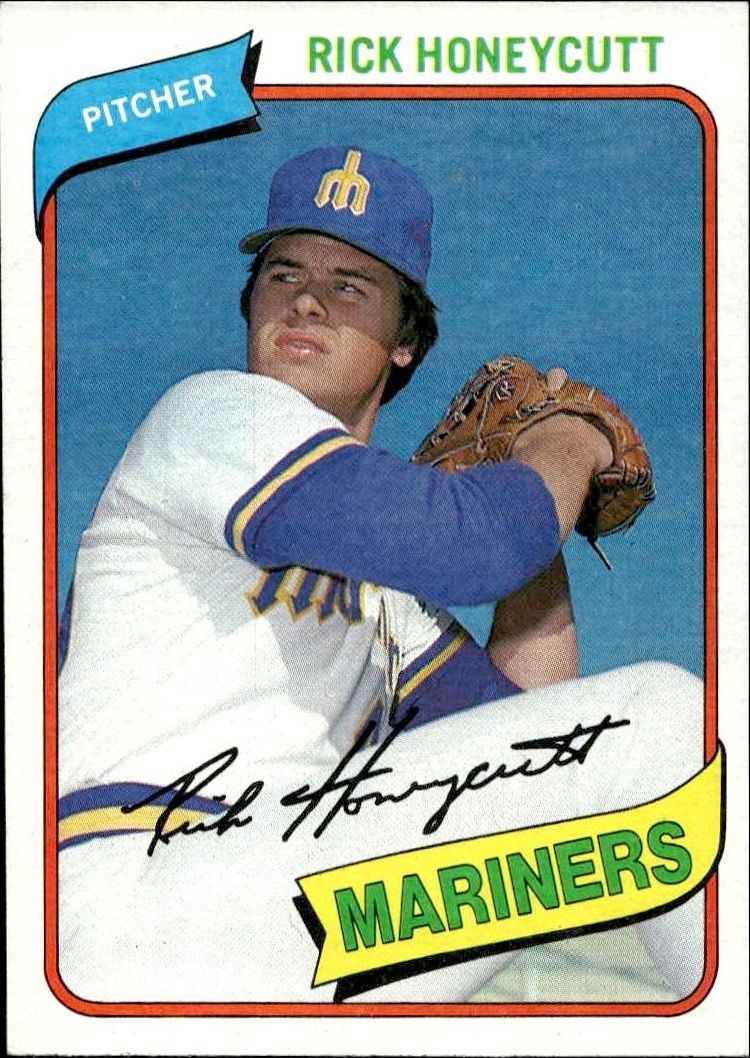
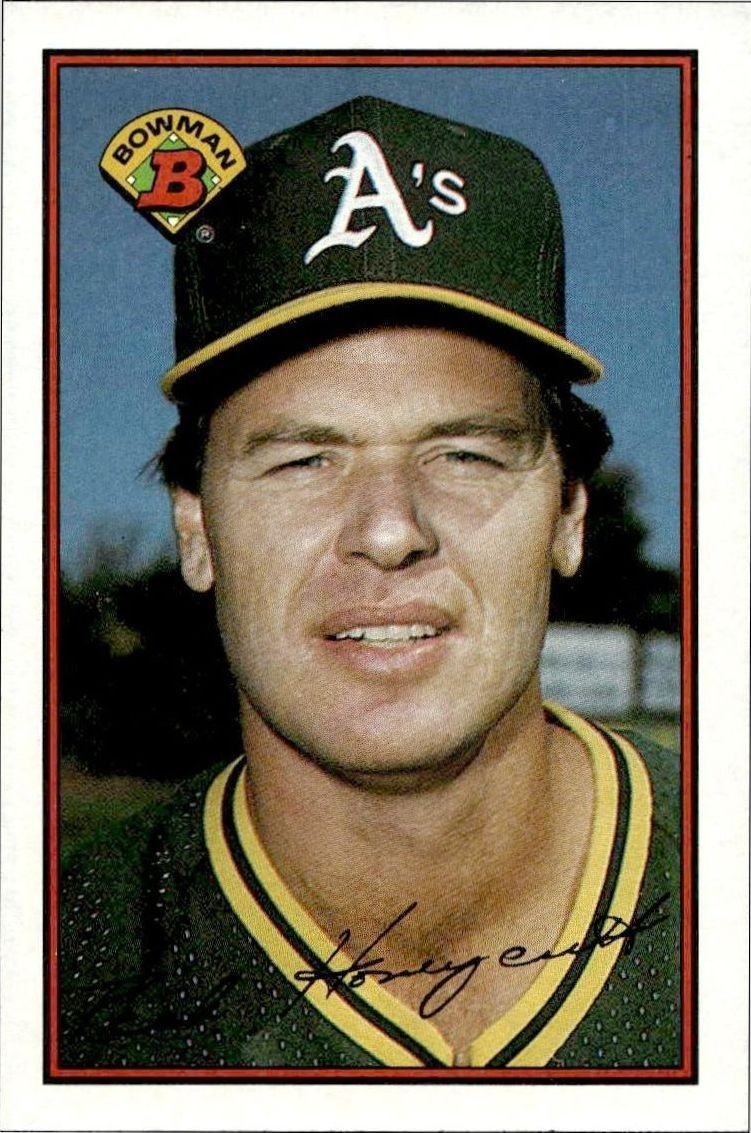
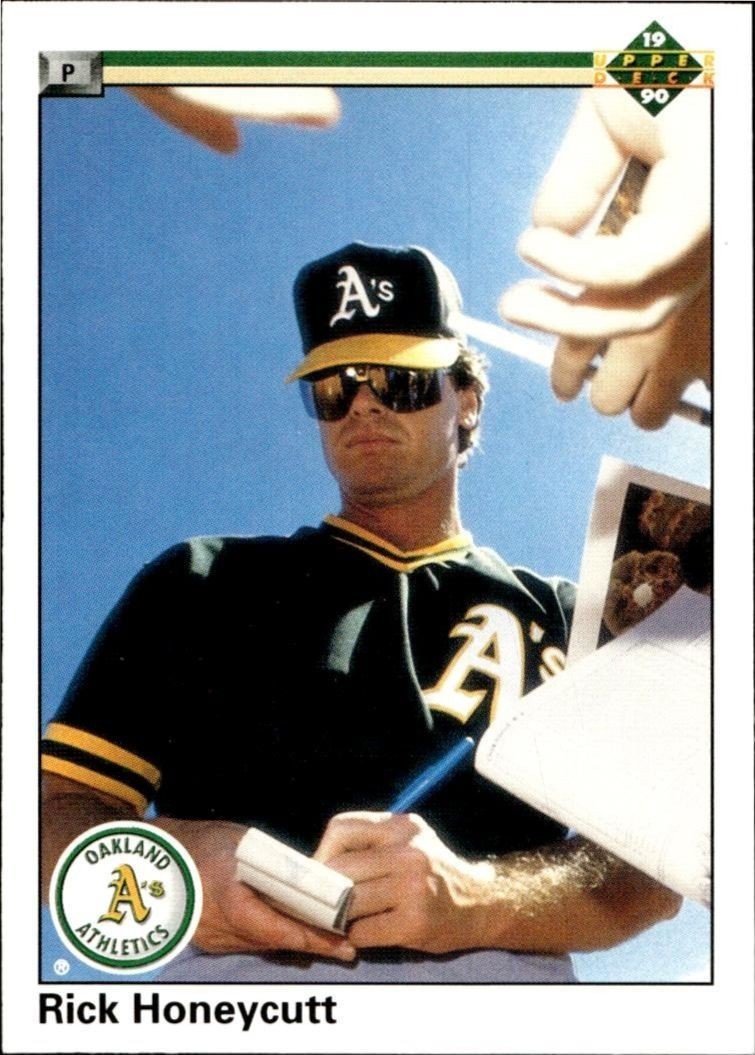

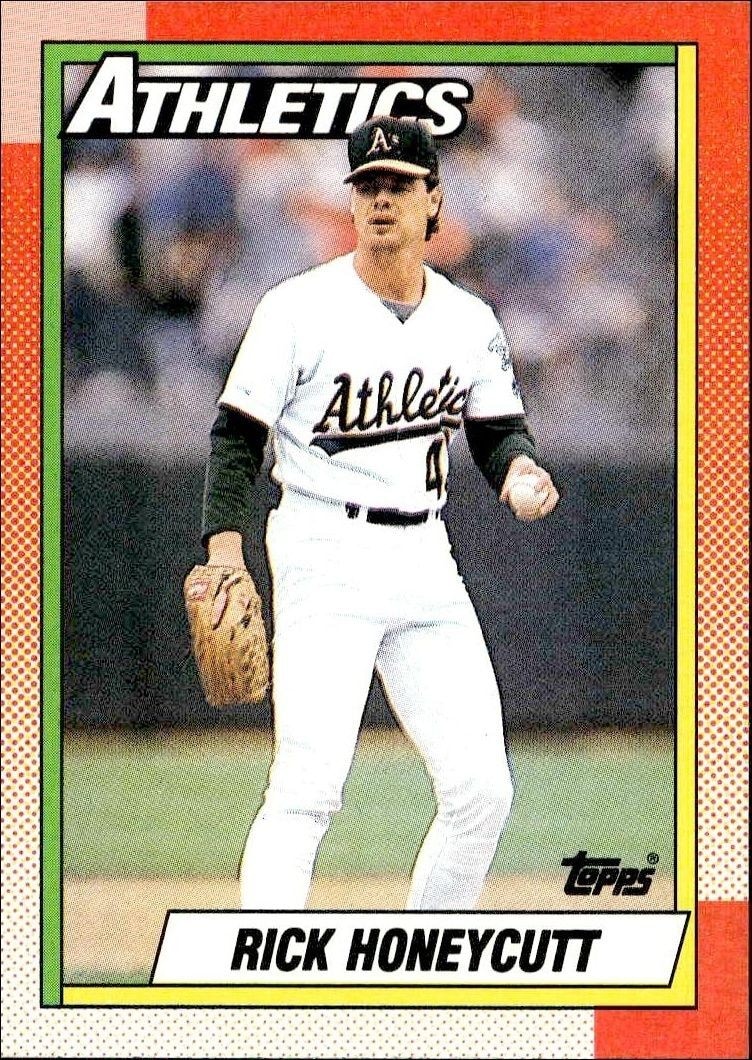
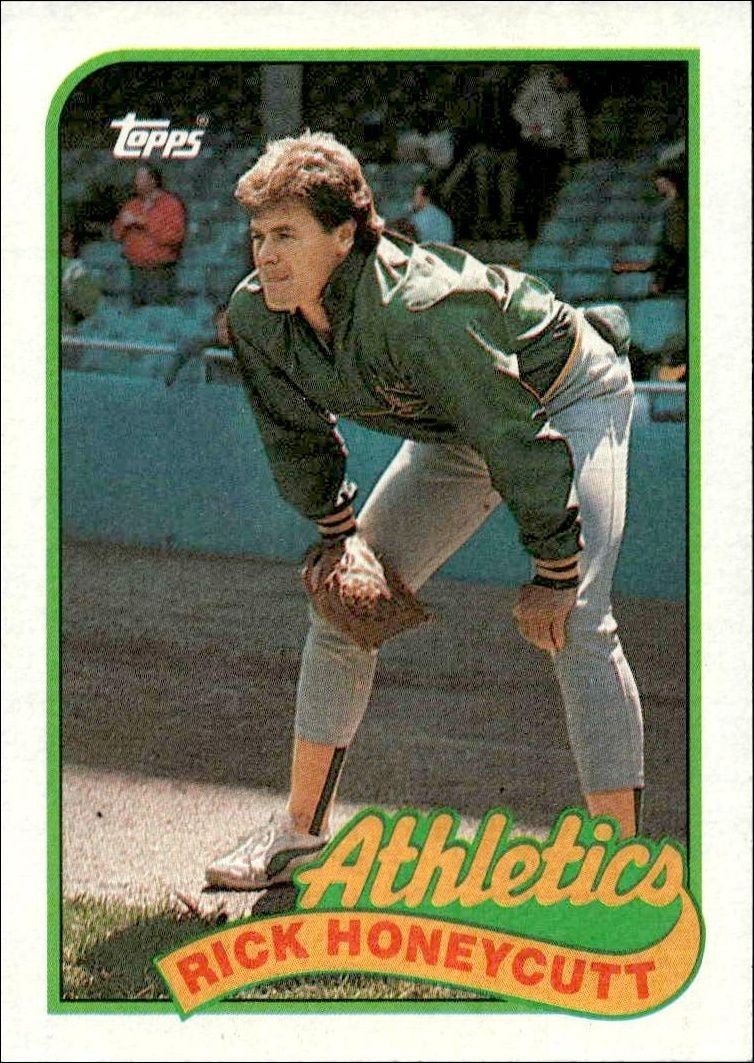
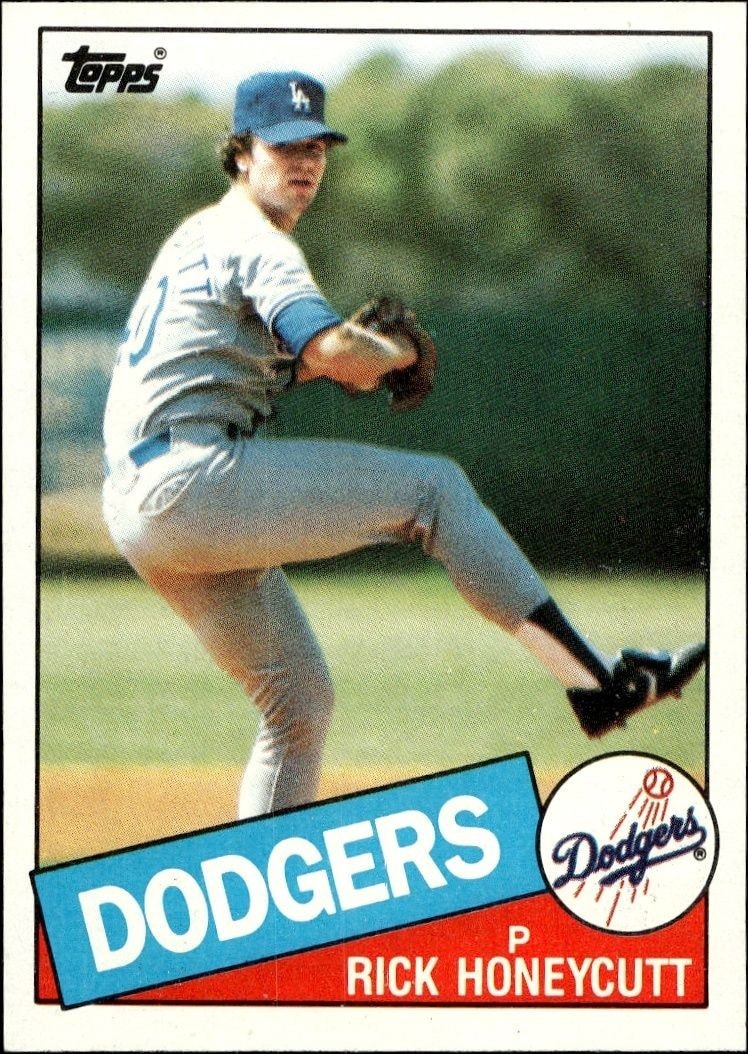
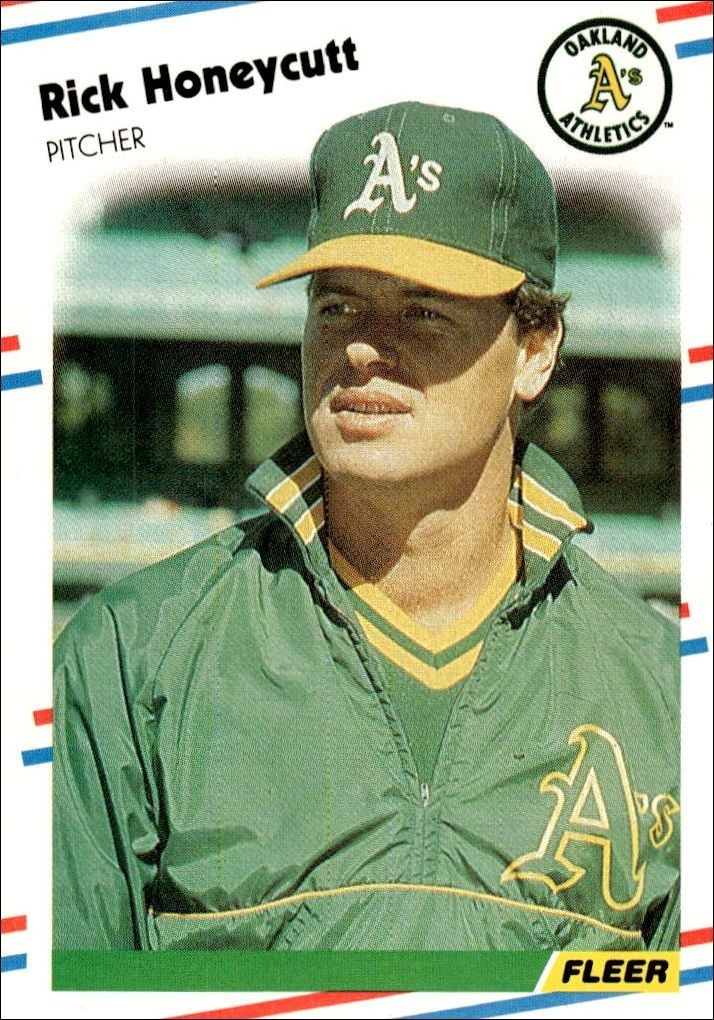
The 1987 Topps Rick Honeycutt #753 is a classic vintage baseball card featuring the Los Angeles Dodgers pitcher. This product covers the standard release from the 1987 Topps brand.
1987 • Topps
Major League Baseball • Los Angeles Dodgers
Excellent
753
New
Shipping Calculated at Checkout
Arrives in 5-7 daysEstimated delivery October 23, 2026 - October 25, 2026
Seller returns October 19, 2026.30-day Returns| Condition | Value | Source | Trend | Price Details |
|---|---|---|---|---|
$0.99 | Guide Estimate | 0% | ||
Raw / Ungraded
PriceCharting Price Guide · Guide Estimate evidence · captured Oct 18, 2026
The 1987 Topps Rick Honeycutt #753 stands as a definitive piece of vintage baseball history, capturing the Los Angeles Dodgers during a pivotal era of Major League Baseball. Released by Topps in 1987, this card is an essential component for collectors dedicated to completing the full 1987 Topps set. The design reflects the iconic aesthetic of the late 1980s, making it a recognizable and sought-after item among hobbyists who appreciate the brand's legacy. Rick Honeycutt, featured on card number 753, represents the rich roster of talent that defined the Los Angeles Dodgers lineup during this period. For investors and serious collectors, the 1987 Topps release offers a tangible connection to the sport's past, with each card serving as a historical document of the league's structure and team compositions. The card's catalog number is a key identifier for enthusiasts navigating the vast landscape of sports trading cards, ensuring accurate cataloging and collection management. Whether you are looking to add this card to a personal collection of vintage Topps issues or seeking a key card for a Los Angeles Dodgers subset, this product serves as a primary resource. The 1987 Topps brand remains one of the most popular and widely collected series in baseball card history, and the Rick Honeycutt #753 card is a staple for those who value the authenticity and nostalgia of the era. Collectors often focus on acquiring complete sets or specific team subsets, making this card a valuable addition to any serious portfolio of sports memorabilia.
17 hours ago
We'll pre-fill the product details from this catalog entry, so your listing lands on this exact page. Just add photos of your copy, pick its condition, and set your price.
The catalog profile below summarizes the card identity, featured subject, and notable collectible traits.
The subject, team, league, and sport context tied to this card.
Production details and format-specific attributes.
Material
Card Stock
Language
English
Compare prices, grades, photos, and shipping from approved sellers.
New
Excellent
See how many public collections currently include this card.
0 collectors have this card
This 1987 Topps base card of Rick Honeycutt sits at the entry-level price tier for Dodgers memorabilia, reflecting its status as a standard issue rather than a premium insert. While the player's career significance is established, the lack of special attributes keeps this specific slab well below market averages for graded rookie or star cards. It currently trades in a niche segment, appealing primarily to collectors seeking affordable Dodgers history rather than high-value investment pieces.
As a base card with no noted special attributes, this item carries no inherent scarcity mechanics such as serial numbering, short printing, or parallel variations. Its supply is determined solely by the original print run of the 1987 Topps set, making it widely available in both raw and graded conditions. Consequently, it lacks the limited supply drivers that typically elevate a card's value above its base counterpart.
The investment potential is limited by the card's classification as a non-rookie, base set piece, which typically commands lower collector demand compared to rookie cards or iconic set designs. While the Dodgers' historical popularity provides a stable floor for interest, the absence of unique features prevents it from attracting speculative premiums. Collectors may acquire this for portfolio diversification within a broader team set, but it is unlikely to see significant appreciation absent a broader surge in 1980s baseball card values.