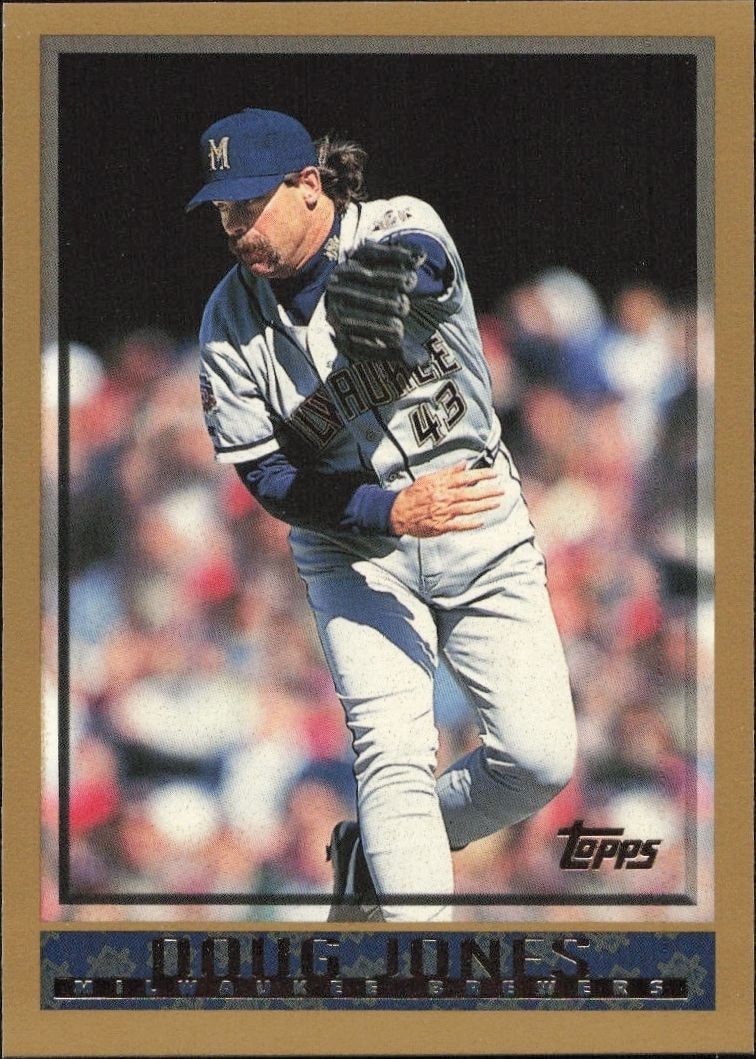






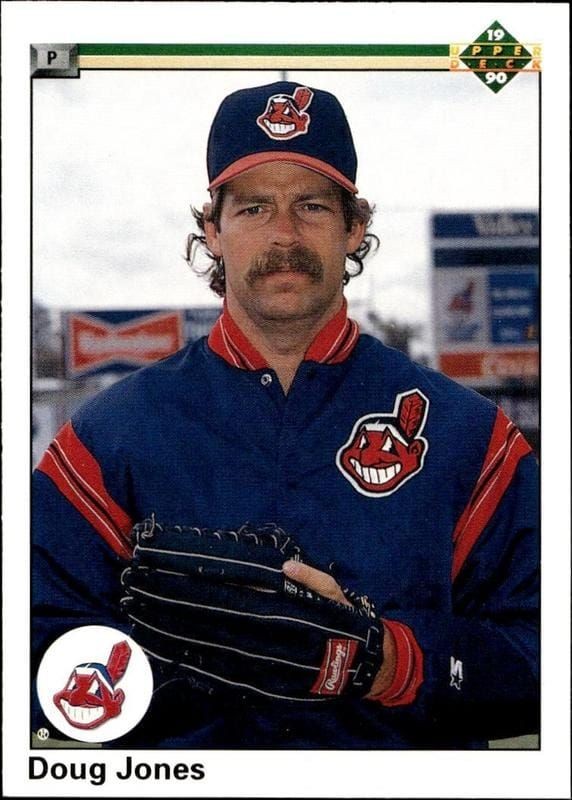
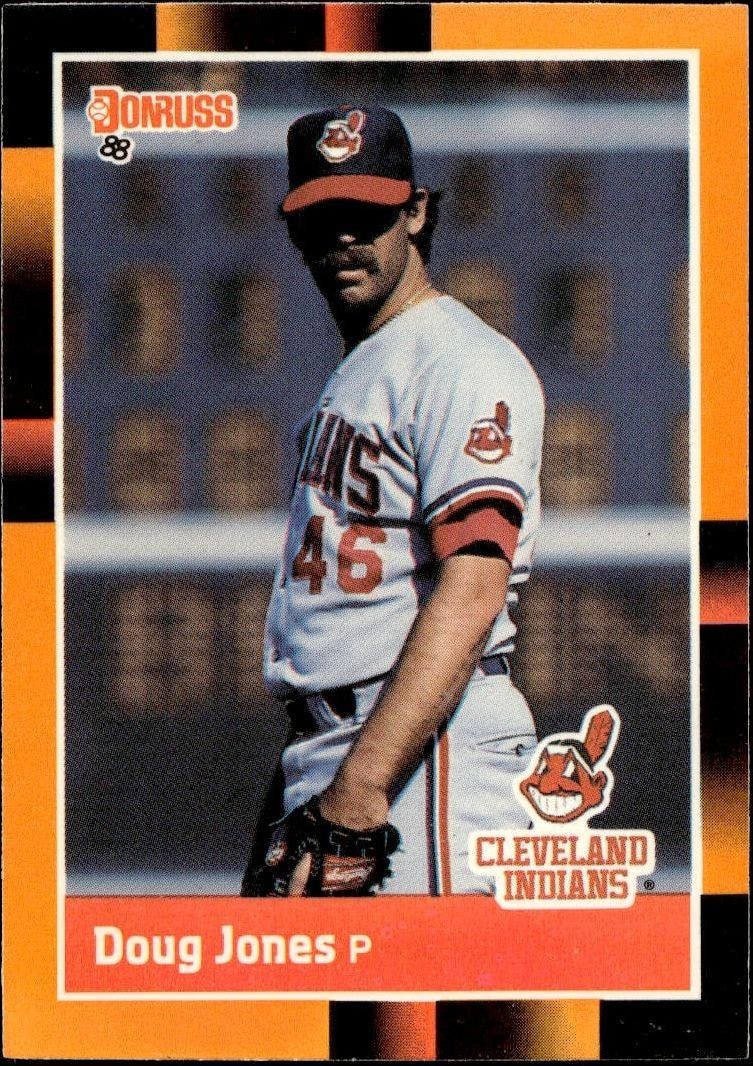
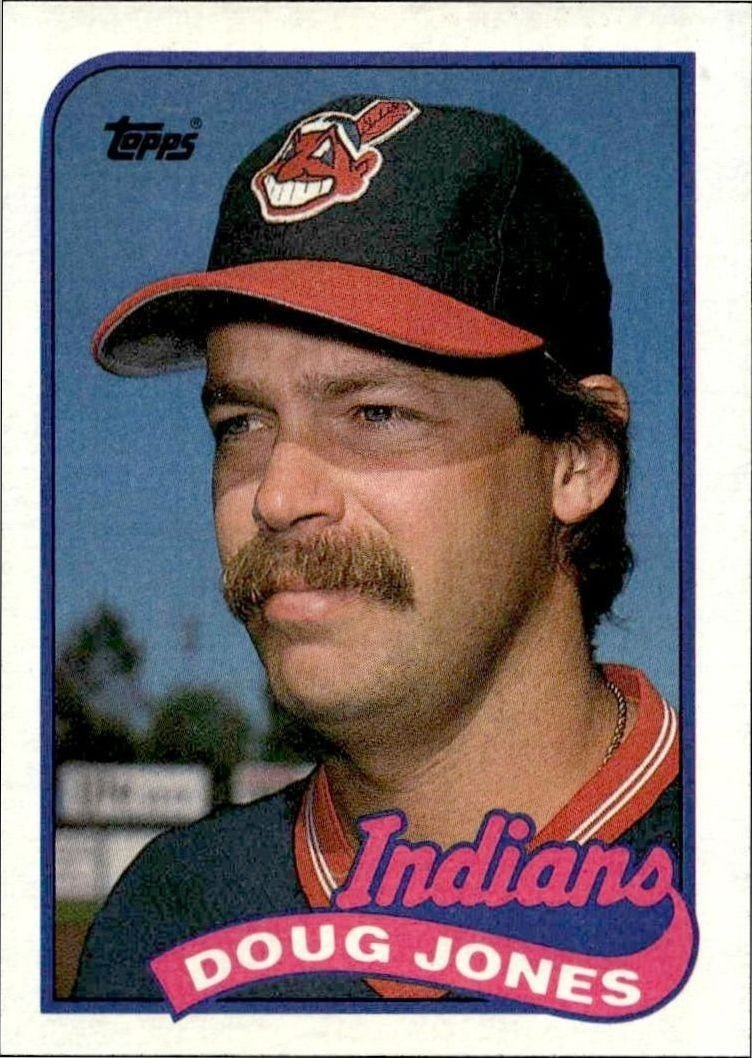
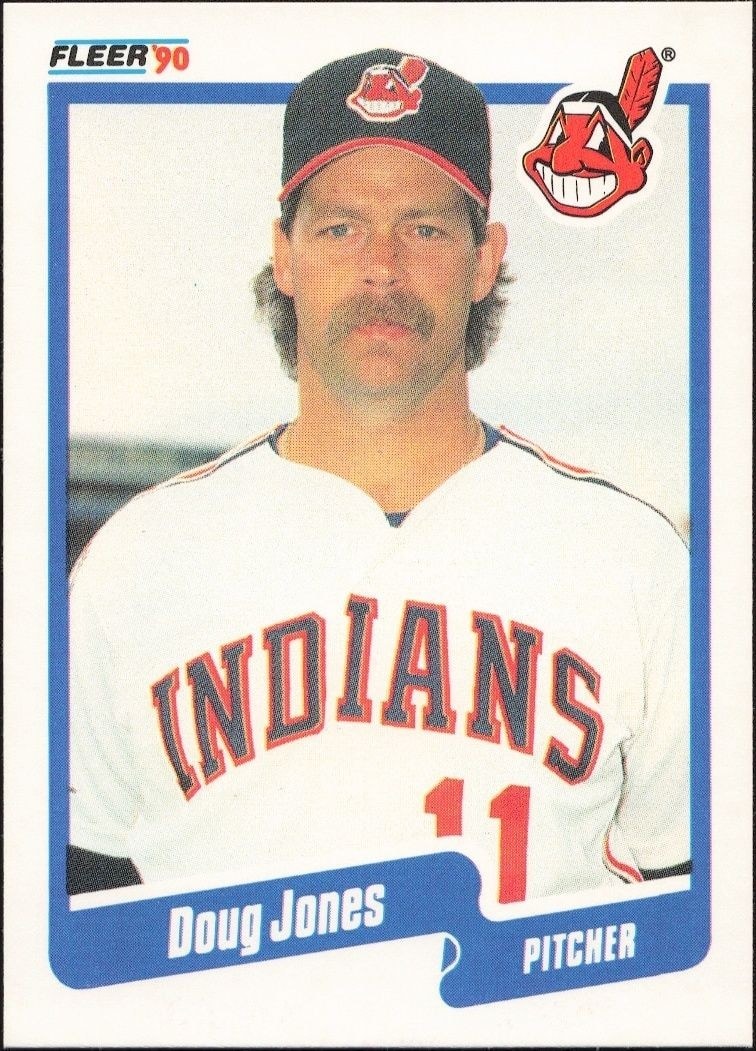
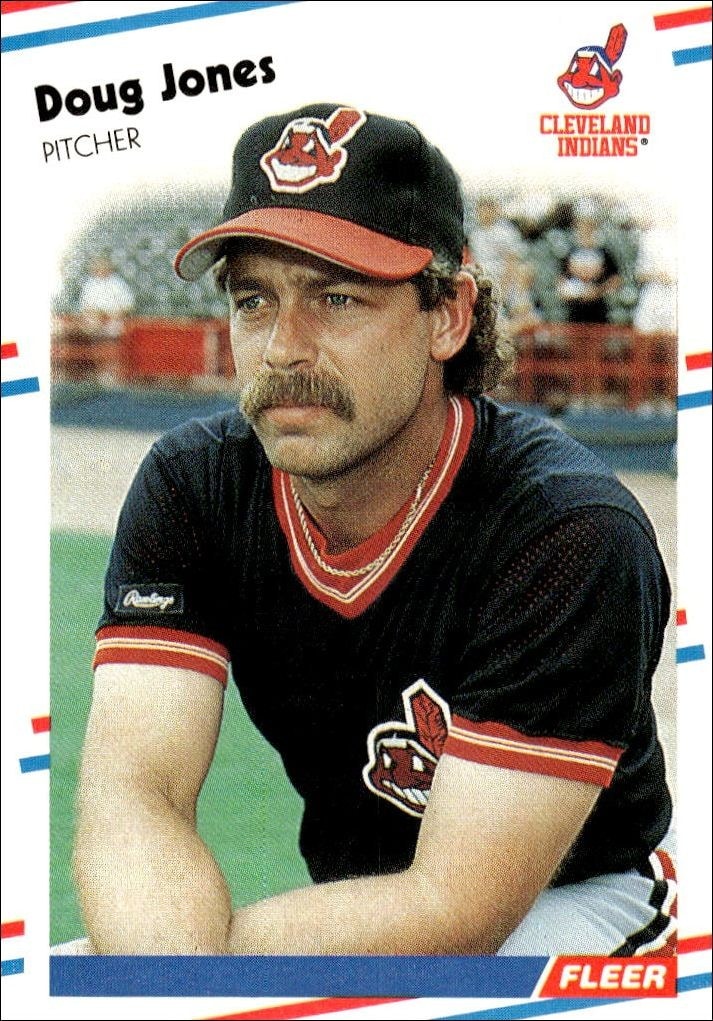
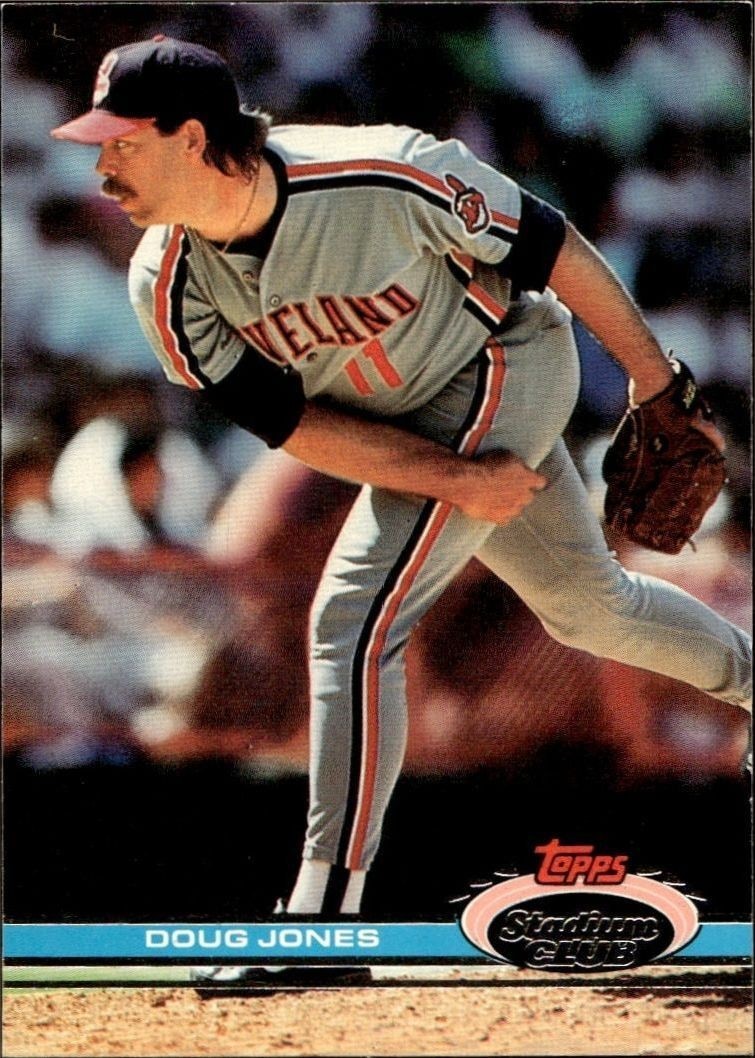
The 1989 Topps Doug Jones #6 baseball card is a classic vintage sports card representing his tenure with the Cleveland Indians during the 1989 MLB season.
1989 • Topps
Major League Baseball • Cleveland Indians
Near Mint
6
New
Shipping Calculated at Checkout
30-day Returns| Condition | Value | Source | Trend | Price Details |
|---|---|---|---|---|
$1.42 | Guide Estimate | |||
$3.58 | Guide Estimate | |||
$4.00 | Guide Estimate | |||
Raw / Ungraded
PriceCharting Price Guide · Guide Estimate evidence · captured Oct 16, 2026
History is building. At least two days of matching observations are needed to show a trend.
Each point is the last stored observation that day for this printing, condition, grader, autograph status and source. Gaps mean no observation; guide estimates and asking prices are not completed sales.The 1989 Topps Doug Jones #6 baseball card serves as a tangible piece of 1980s Major League Baseball history. This release captures Doug Jones during his time pitching for the Cleveland Indians, offering collectors a direct link to the league's past. As part of the iconic 1989 Topps set, this card is recognized by its distinct design elements that defined sports trading cards of that era. Collectors often seek out this product to complete specific subsets or to build a broader collection of vintage baseball memorabilia. The card's identity is firmly rooted in its catalog number and year, making it a standard reference point for those studying the evolution of Topps designs. For investors and hobbyists alike, understanding the context of the 1989 set is crucial, as it represents a pivotal moment in sports card collecting history. While the market for vintage cards fluctuates, the enduring appeal of players like Doug Jones lies in their contribution to the game during specific seasons. This card allows fans to reminisce about the Cleveland Indians' roster from nearly three decades ago. It is a staple for anyone interested in the tangible artifacts of MLB heritage. Whether you are looking to diversify your portfolio or add a piece of baseball trivia to your collection, this card offers a straightforward connection to the sport's rich narrative. The simplicity of the design often appeals to purists who value the raw aesthetic of late 80s production over modern gloss finishes.
3 days ago
We'll pre-fill the product details from this catalog entry, so your listing lands on this exact page. Just add photos of your copy, pick its condition, and set your price.
The catalog profile below summarizes the card identity, featured subject, and notable collectible traits.
The subject, team, league, and sport context tied to this card.
Production details and format-specific attributes.
Material
Card Stock
Language
English
Compare prices, grades, photos, and shipping from approved sellers.
New
Near Mint
See how many public collections currently include this card.
0 collectors have this card
This 1989 Topps card represents a baseline entry-level asset for Doug Jones, trading at a modest price point relative to vintage baseball collectibles. Its value is anchored by its status as a standard base card from a high-volume production era, lacking the premiums associated with rookie issues or special parallels. Current market activity suggests stable, low-tier liquidity with minimal volatility.
As a standard base card from the 1989 Topps set, this item carries no specific scarcity mechanics such as serial numbering, short-printing, or limited edition designations. The supply is effectively unlimited within the context of the primary market, as it was produced in mass quantities typical of mainstream tobacco-style sets from that period. Consequently, it does not benefit from any artificial supply constraints that typically drive rarity premiums.
Investment potential is limited by the card's position as a common base issue from a non-legendary player, offering no rookie-card premium or special parallel positioning to drive collector demand. The absence of unique attributes means value appreciation will rely solely on broader vintage baseball market trends rather than specific item scarcity. It serves more as a bulk-fill component than a standalone appreciating asset.