
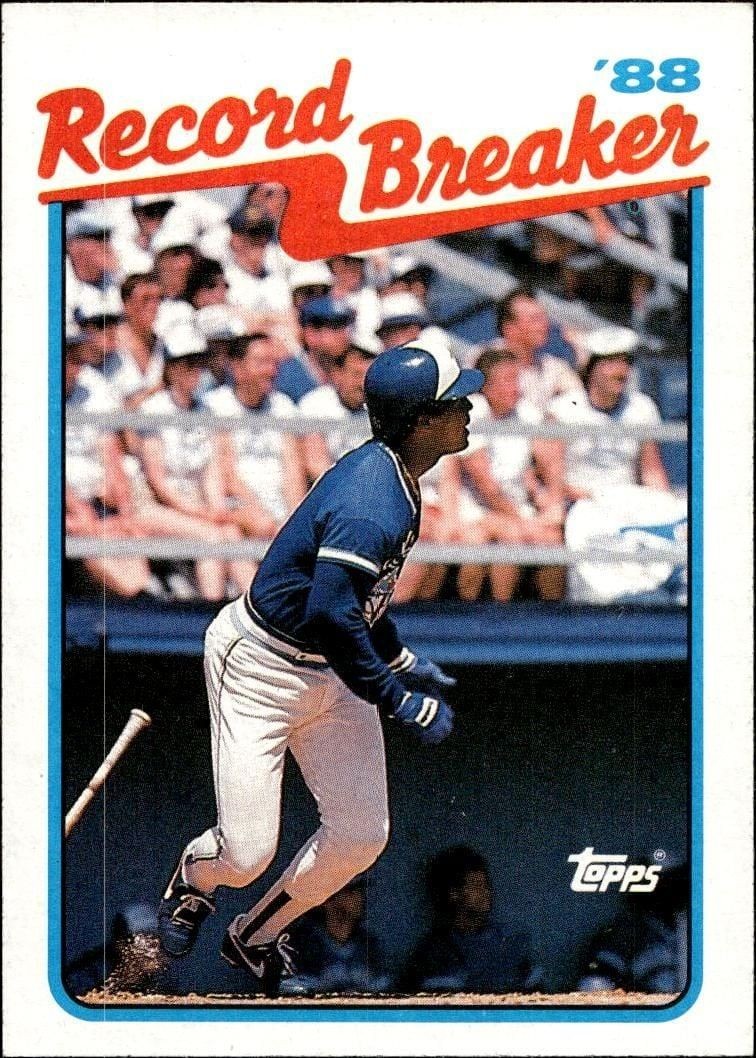
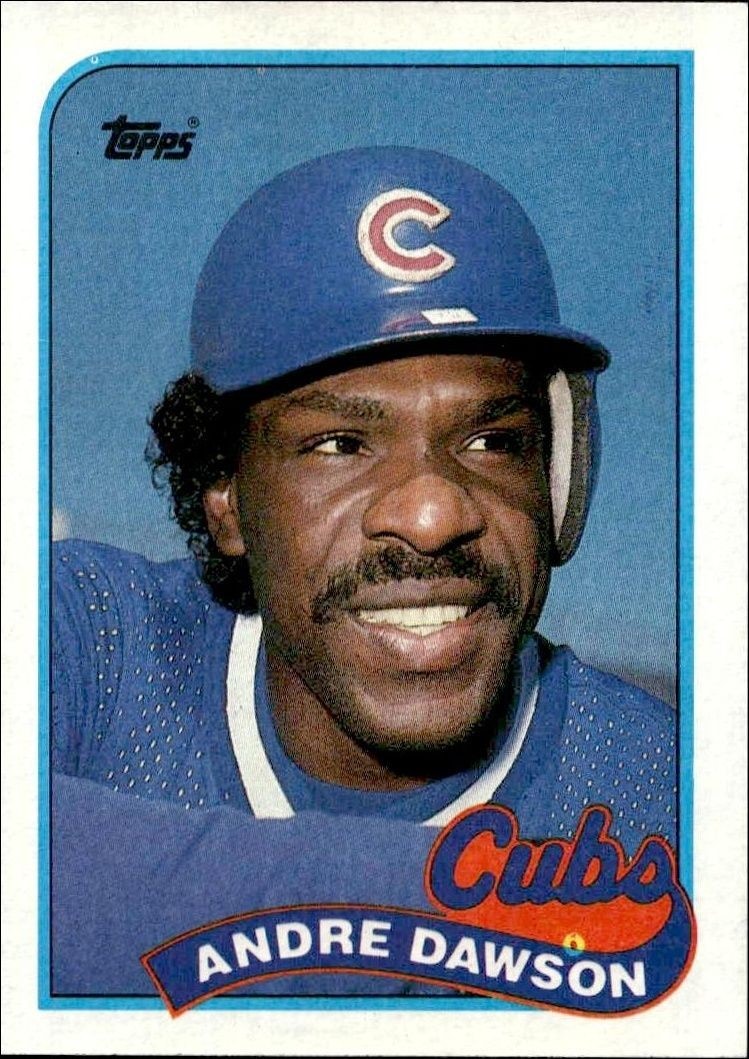

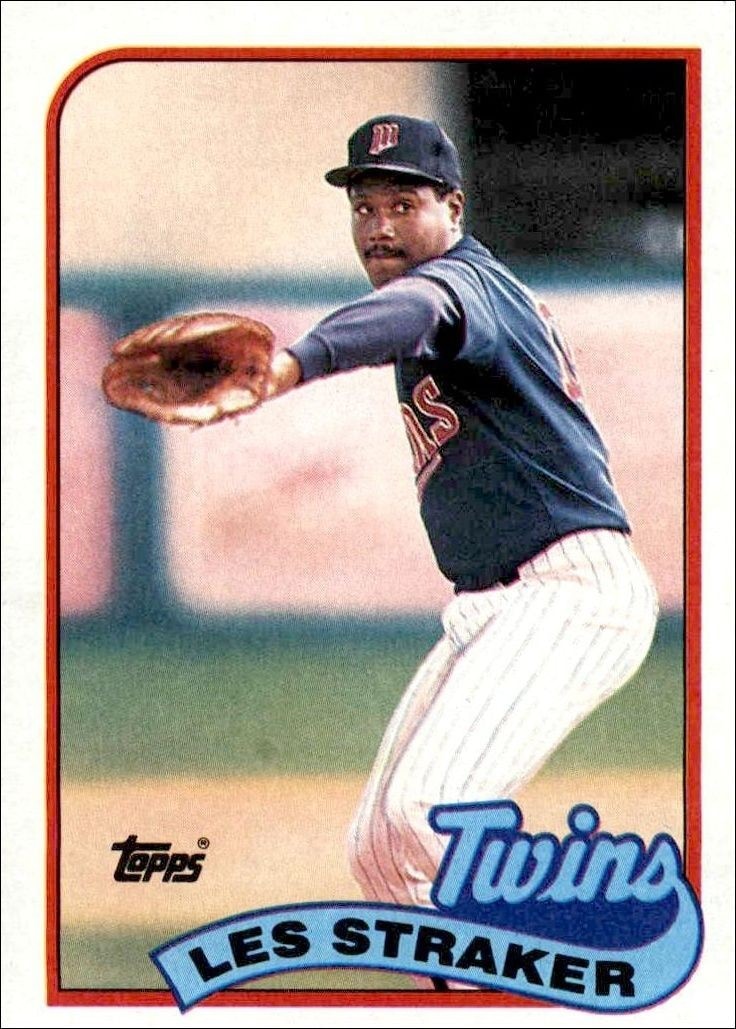


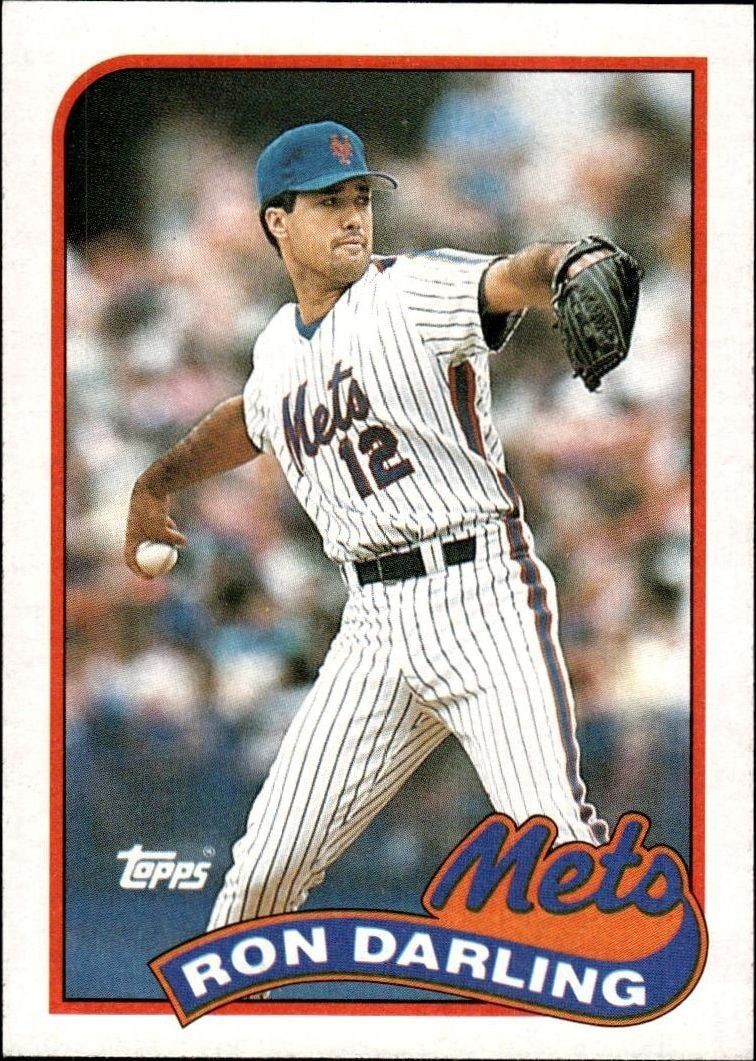




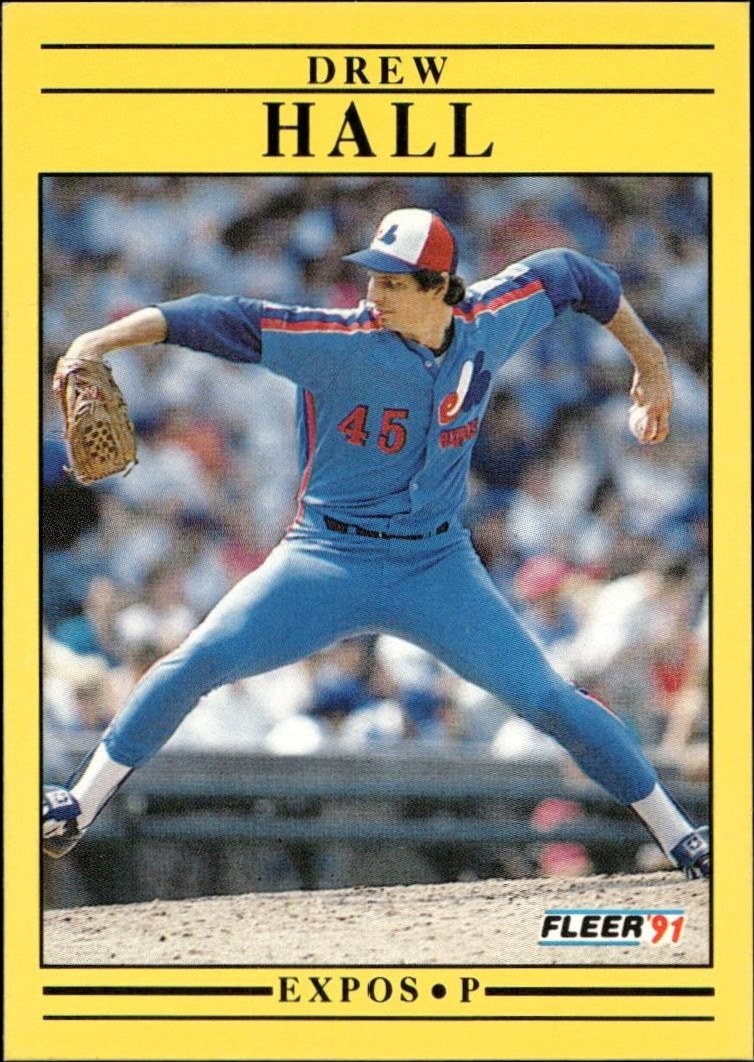

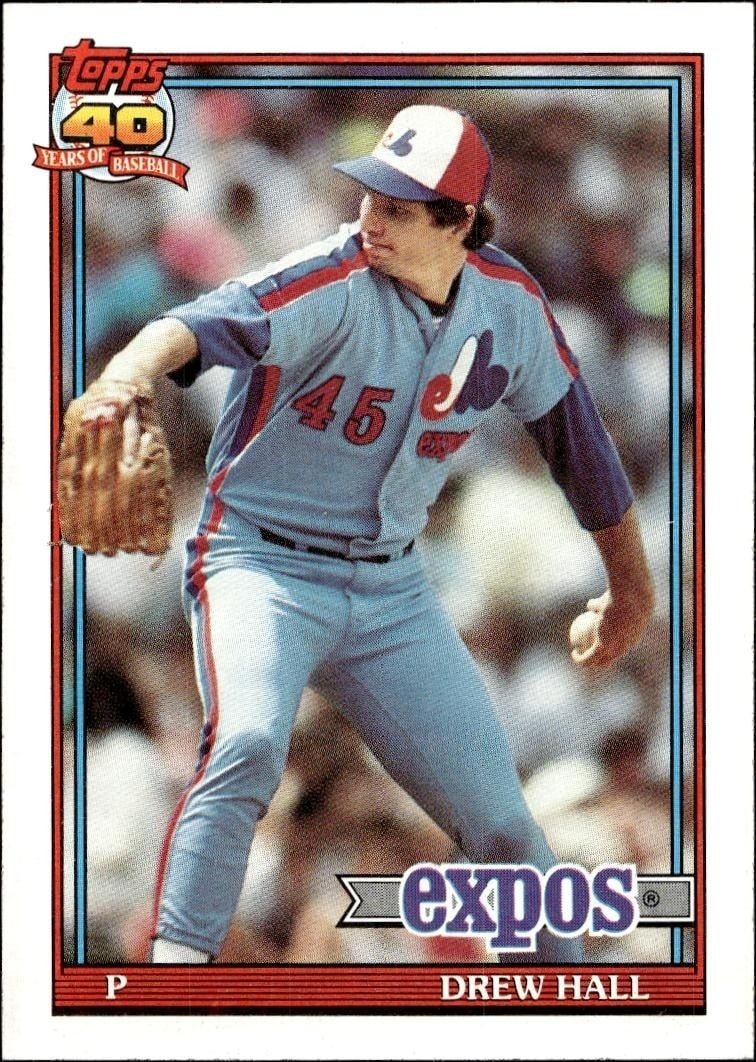
The 1989 Topps Drew Hall #593 is a classic vintage baseball card featuring Chicago Cubs player Drew Hall, representing a key piece of late-80s sports memorabilia.
1989 • Topps
Major League Baseball • Chicago Cubs
Excellent
593
New
Shipping Calculated at Checkout
30-day Returns| Condition | Value | Source | Trend | Price Details |
|---|---|---|---|---|
$0.99 | Guide Estimate | 0% | ||
$56.00 | Guide Estimate | 0% | ||
$26.00 | Guide Estimate | 0% | ||
$42.74 | Guide Estimate | 0% | ||
$26.00 | Guide Estimate | 0% | ||
Raw / Ungraded
PriceCharting Price Guide · Guide Estimate evidence · captured Oct 17, 2026
The 1989 Topps Drew Hall #593 represents a specific moment in baseball trading card history, capturing Chicago Cubs player Drew Hall during his tenure with the team. As part of the iconic 1989 Topps set, this card is recognized by its distinctive design and numbering system that collectors familiar with the era immediately identify. The card serves as a tangible link to the late 1980s baseball landscape, offering a glimpse into the roster composition and player development of that specific season. For collectors of vintage baseball cards, the 1989 Topps release holds a significant place in the hobby. The #593 designation places Drew Hall within the larger framework of the set, allowing enthusiasts to track his inclusion alongside other notable players from the era. This catalog-level identity ensures that anyone searching for this card can easily locate it among the thousands of variations available in the market. The appeal of the 1989 Topps Drew Hall #593 extends beyond simple nostalgia. It represents a piece of sports history that can be appreciated by both seasoned investors and casual fans. The card’s enduring presence in collector circles speaks to the lasting value of vintage baseball memorabilia. Whether used to complete a personal collection or as a standalone piece of sports art, this card continues to attract attention from those who appreciate the heritage of the game.
2 hours ago
We'll pre-fill the product details from this catalog entry, so your listing lands on this exact page. Just add photos of your copy, pick its condition, and set your price.
The catalog profile below summarizes the card identity, featured subject, and notable collectible traits.
The subject, team, league, and sport context tied to this card.
Production details and format-specific attributes.
Material
Card Stock
Language
English
Compare prices, grades, photos, and shipping from approved sellers.
New
Excellent
See how many public collections currently include this card.
0 collectors have this card
This 1989 Topps card of Drew Hall sits at a very accessible entry point within the broader Chicago Cubs memorabilia market, reflecting the player's limited tenure and lower historical prominence compared to franchise icons. The current valuation indicates a niche appeal, likely driven by casual collectors seeking complete team sets rather than high-end investment-grade assets. Its pricing tier remains modest relative to the volatile highs seen in 1980s baseball cards overall, positioning it as a stable but low-yield component for portfolio diversification.
As a standard base card from the 1989 Topps set, this item lacks any special scarcity mechanics such as serial numbering, short-print designations, or parallel finishes. The supply is essentially infinite relative to collector demand, as base cards were mass-produced with no print run constraints or limited edition caps. Consequently, the card's rarity is defined solely by its vintage status and condition availability rather than any intentional scarcity features imposed by the manufacturer.
The outlook for this specific card is limited by its status as a non-rookie, non-premium parallel from a highly saturated vintage set, offering minimal upside potential for serious investors. While the 1989 Topps brand retains nostalgic value, the absence of rookie card designation or unique attributes prevents it from attracting the speculative demand that drives significant price appreciation. Collectors should view this as a consumable item for set completion rather than a vehicle for capital growth.