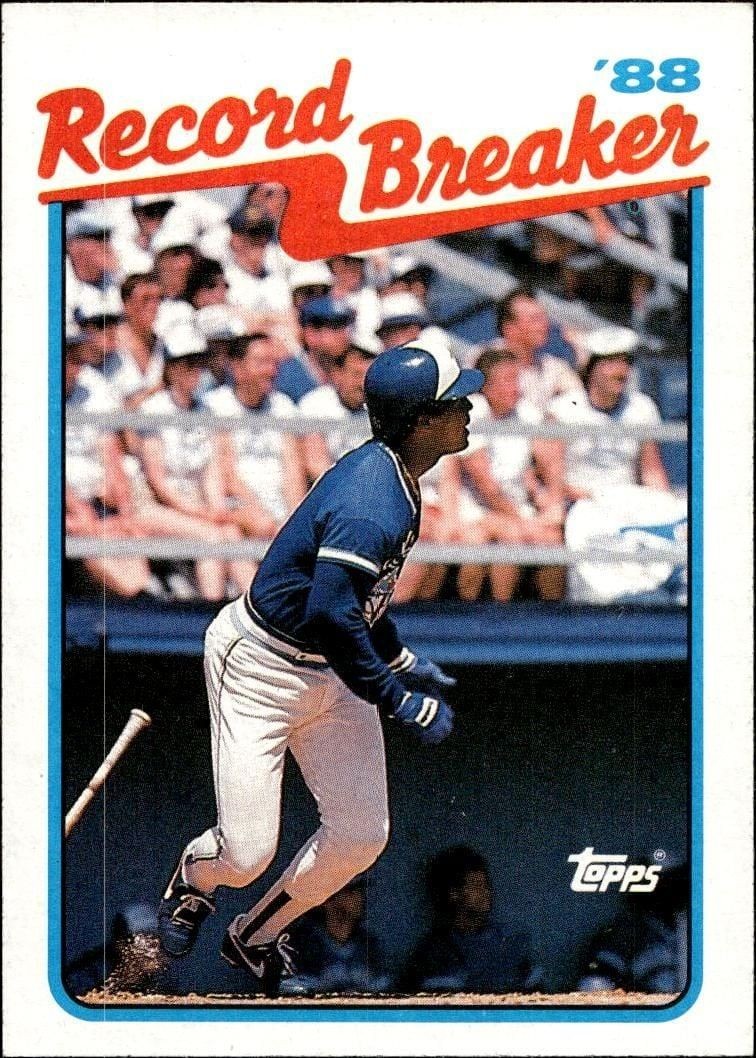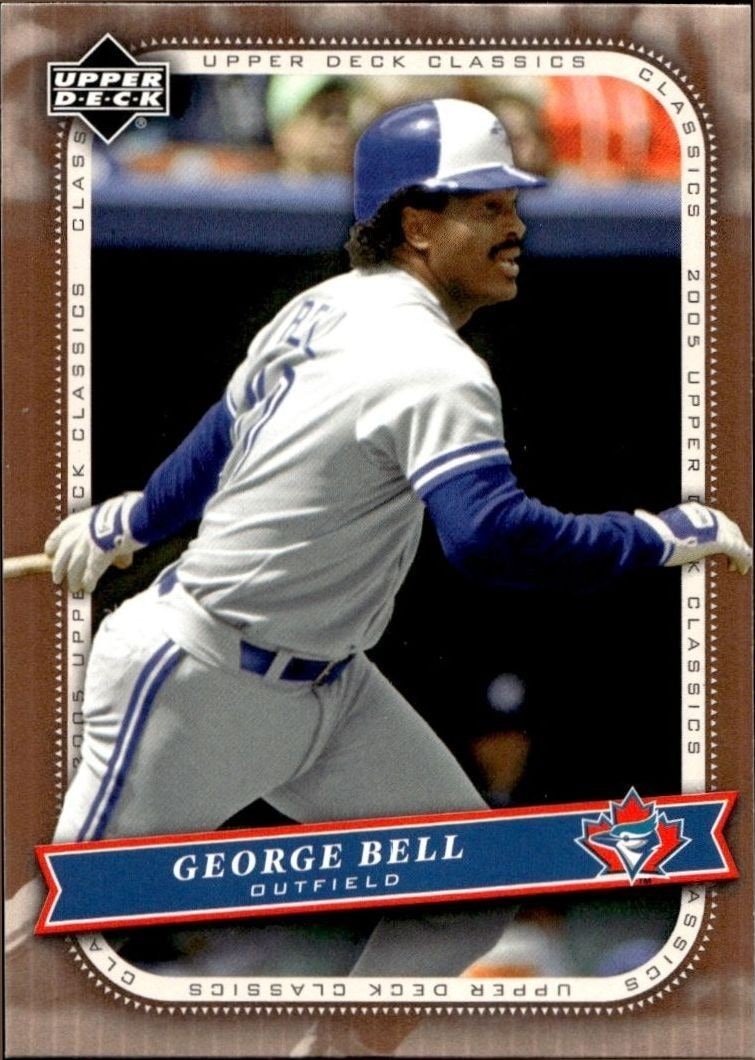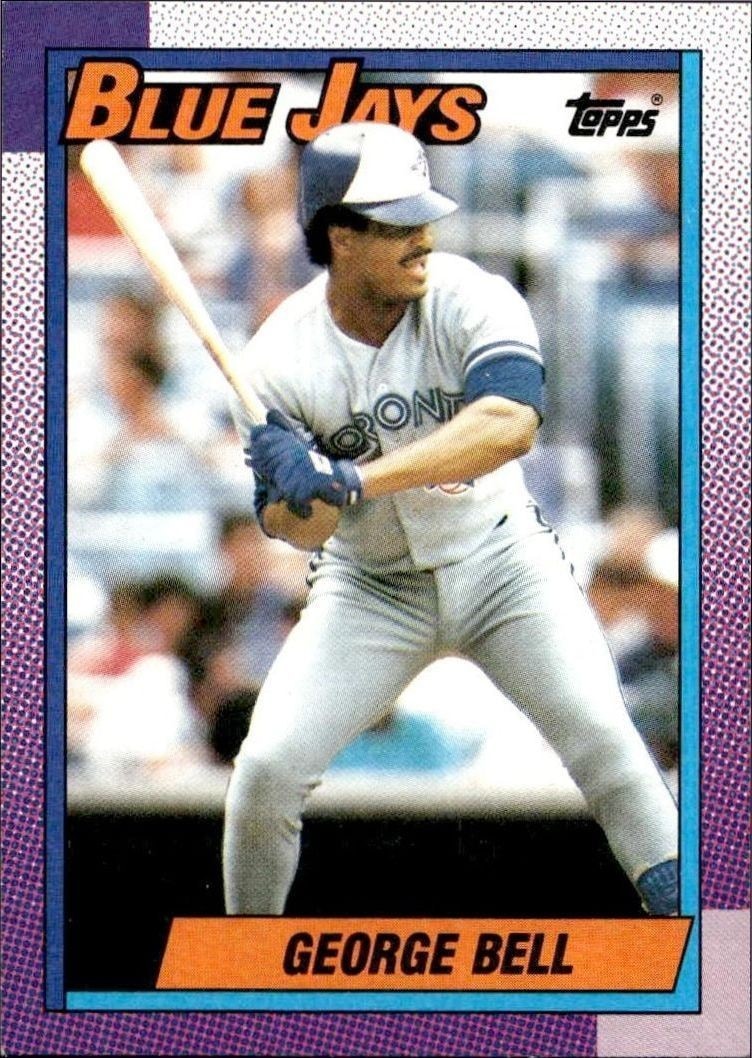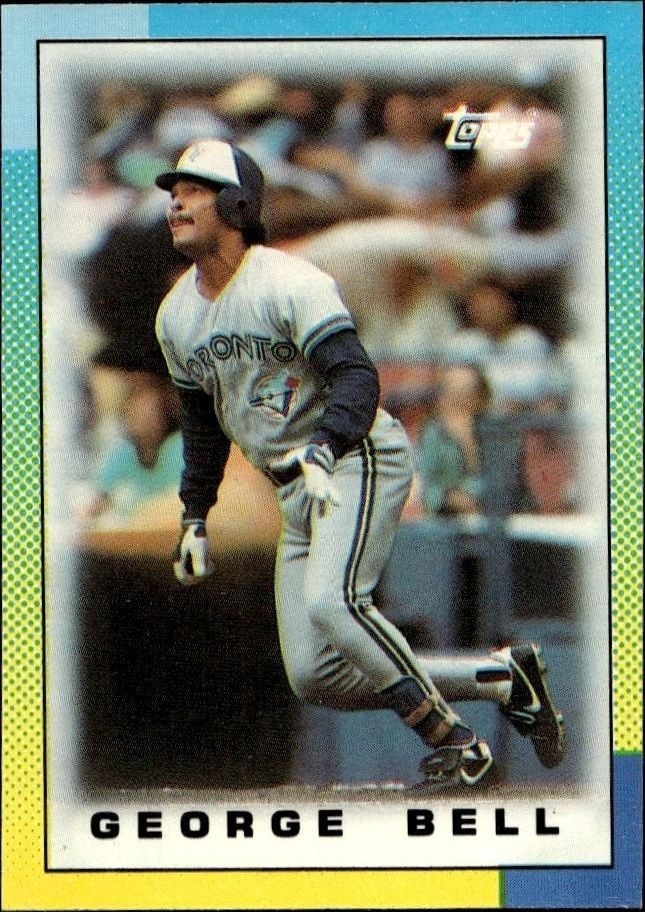








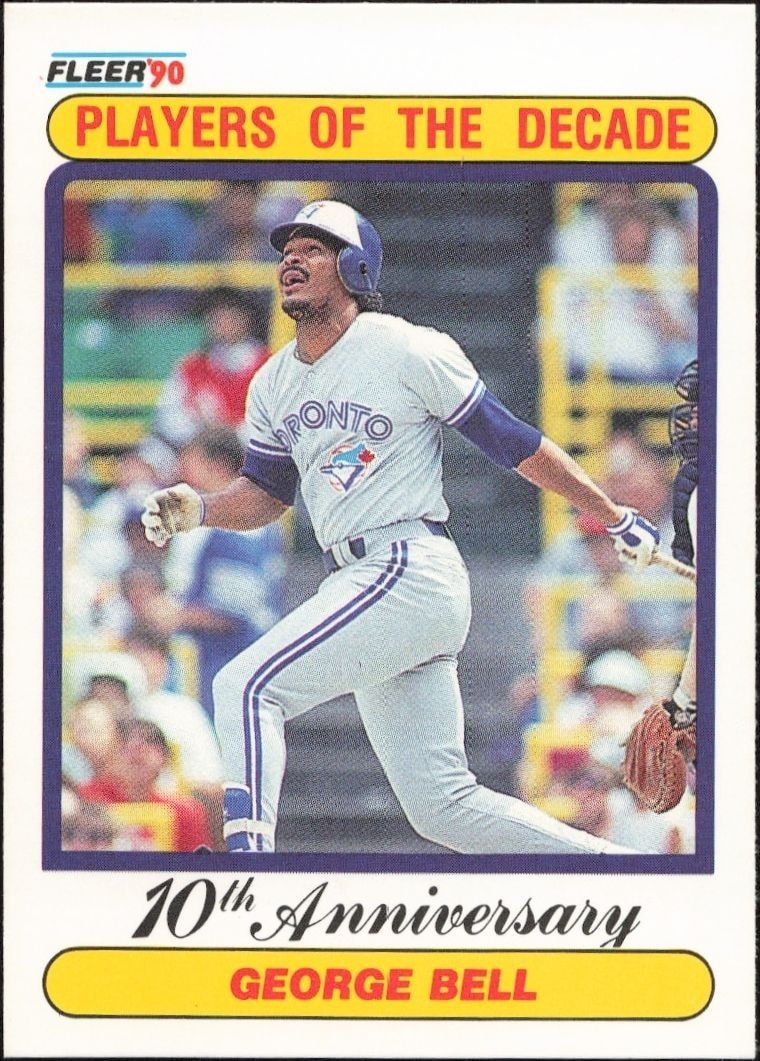
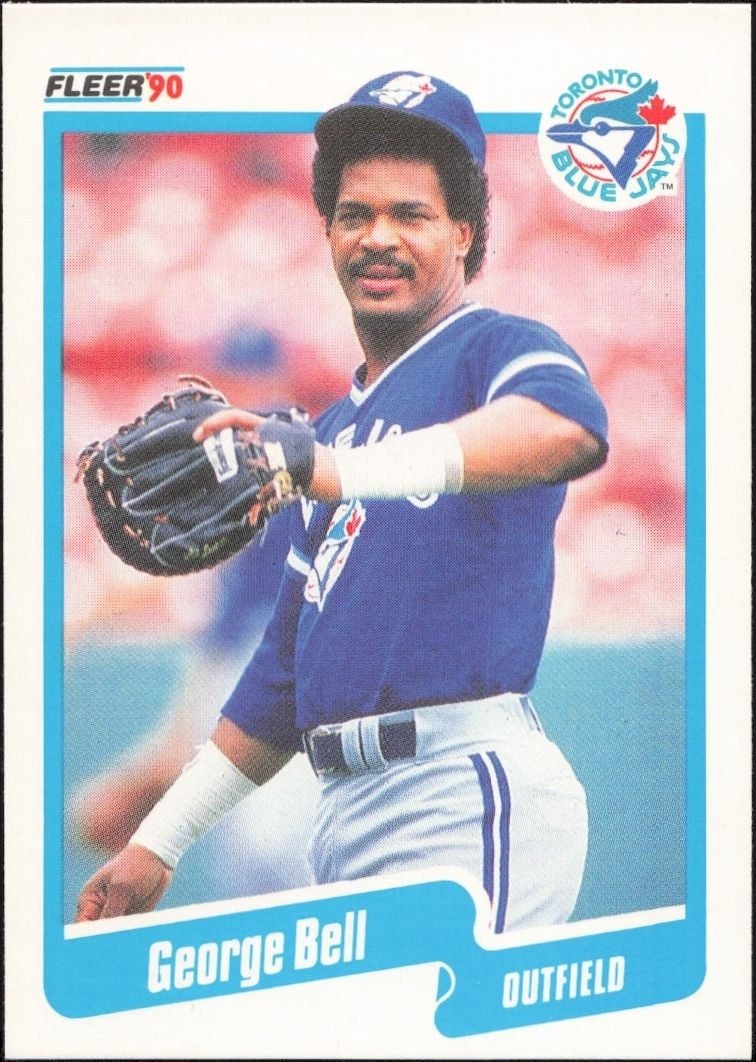
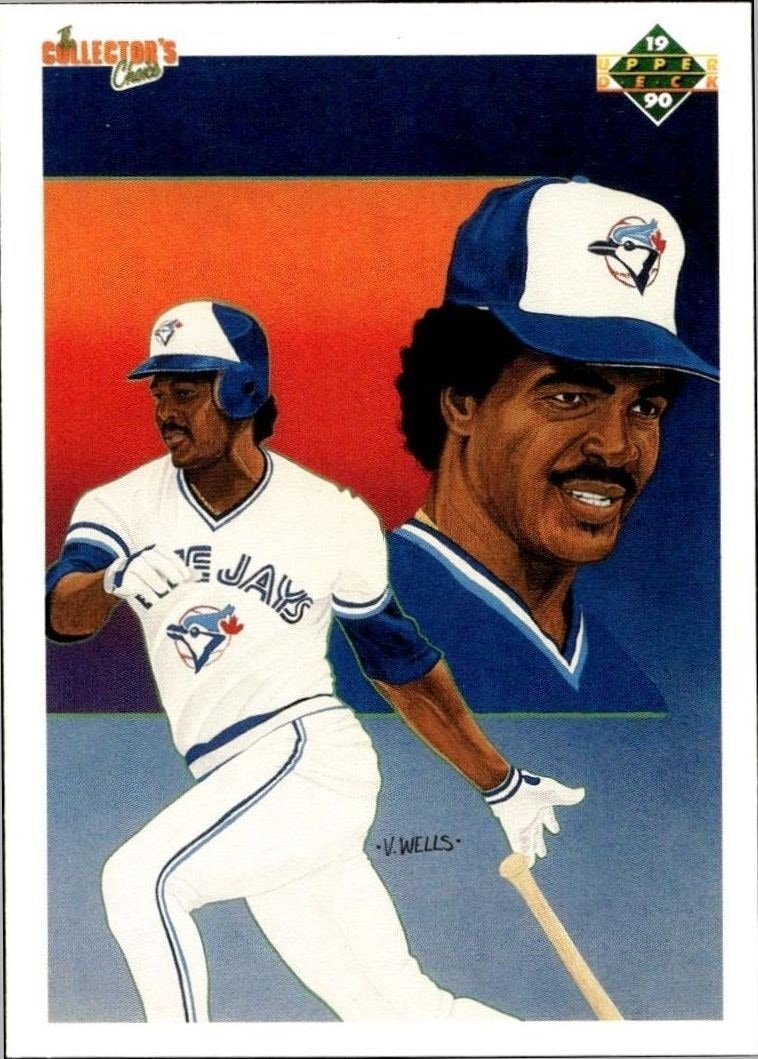
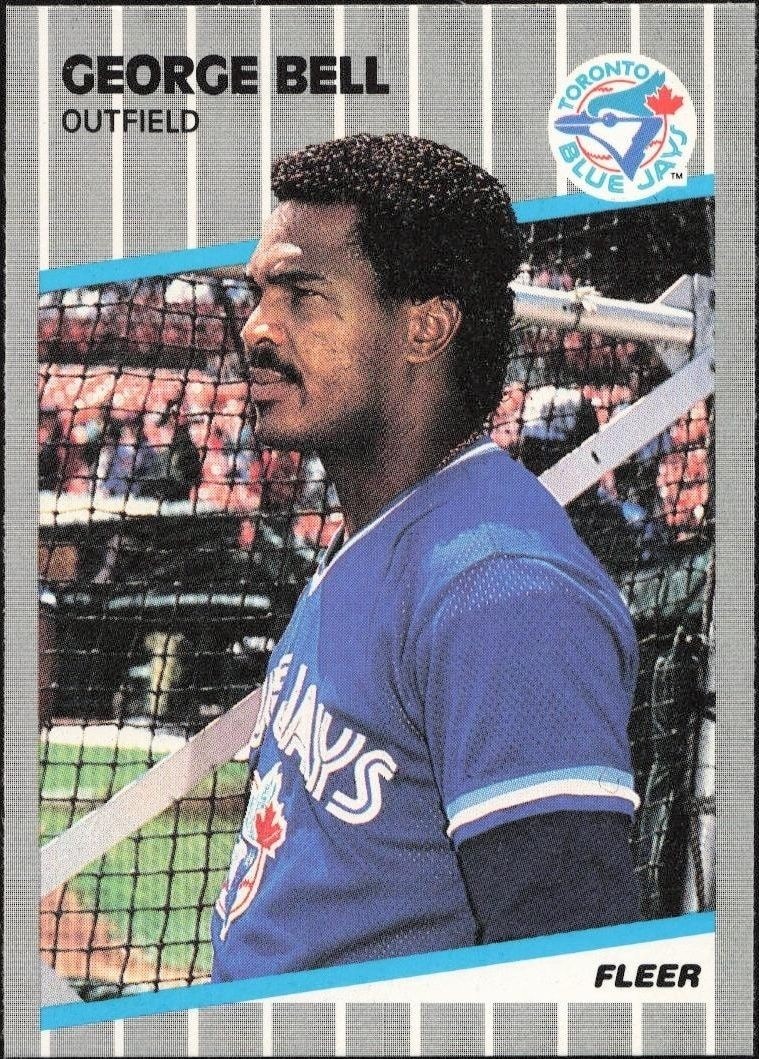
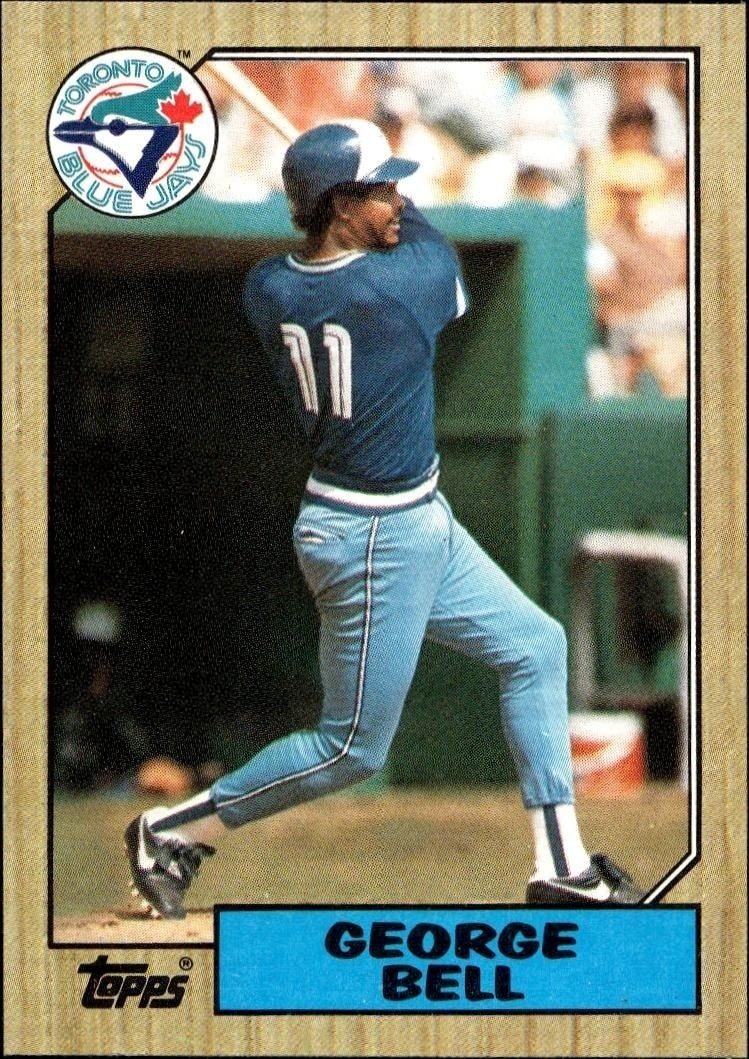
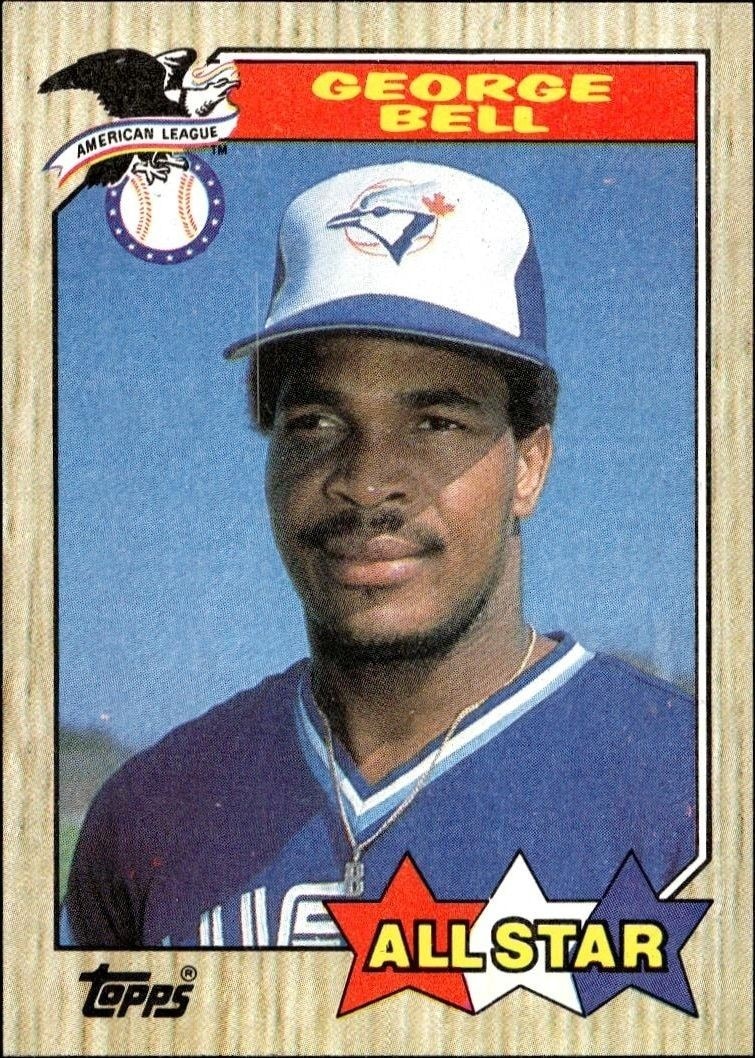
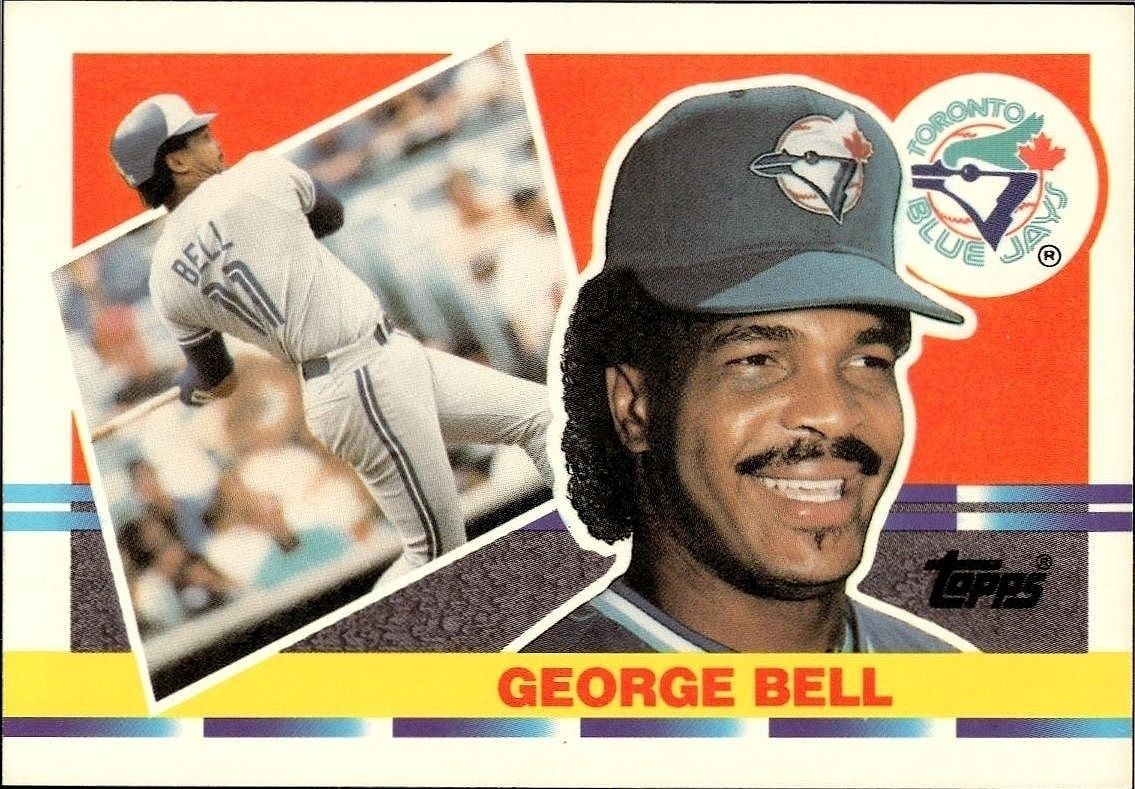
The 1989 Topps George Bell #50 is a definitive vintage sports card from the iconic Topps baseball series, featuring the Toronto Blue Jays player.
1989 • Topps
Major League Baseball • Toronto Blue Jays
Excellent
50
New
Shipping Calculated at Checkout
This seller is away until 10/19/2026 — orders are still accepted and ship after they return.30-day Returns| Condition | Value | Source | Trend | Price Details |
|---|---|---|---|---|
$0.73 | Guide Estimate | -14.1% | ||
$7.49 | Guide Estimate | |||
$8.00 | Guide Estimate | +708.1% | ||
$29.47 | Guide Estimate | +2,847% | ||
$85.00 | Guide Estimate | |||
$39.00 | Guide Estimate | |||
$65.22 | Guide Estimate | |||
$39.00 | Guide Estimate | |||
Raw / Ungraded
PriceCharting Price Guide · Guide Estimate evidence · captured Oct 18, 2026
The 1989 Topps George Bell #50 represents a specific entry in one of the most recognizable baseball card sets in history. Released during a pivotal era for the Toronto Blue Jays, this card captures the athlete during his tenure with the franchise. Collectors often seek out cards from this year to build comprehensive collections of vintage baseball memorabilia. Topps has long been the primary manufacturer of baseball trading cards in the United States, and the 1989 issue remains a staple for hobbyists. Card number 50 features George Bell, who is listed with the Toronto Blue Jays. For fans of the team or those tracking the player's career timeline, this card serves as a tangible piece of sports history. It is a standard sports card product, distinguishing itself through its association with the 1989 Topps brand identity. Completing a set of 1989 Topps baseball cards requires tracking down every number, making individual cards like #50 essential components for completionists. While the card does not feature an autograph or memorabilia insert, its value lies in its status as a base card from a major release. The design of the 1989 Topps set is widely regarded as a classic, providing a consistent aesthetic that appeals to both nostalgic older collectors and new enthusiasts. When evaluating this product, collectors focus on the integrity of the card within the context of the 1989 Topps release. The card number 50 is a fixed identifier within the Topps catalog, ensuring that every copy shares the same subject and team designation. Whether you are looking to add to a personal collection or complete a specific year's run, this George Bell card from the 1989 Topps series offers a direct connection to that season of baseball.
1 day ago
We'll pre-fill the product details from this catalog entry, so your listing lands on this exact page. Just add photos of your copy, pick its condition, and set your price.
The catalog profile below summarizes the card identity, featured subject, and notable collectible traits.
The subject, team, league, and sport context tied to this card.
Production details and format-specific attributes.
Material
Card Stock
Language
English
Compare prices, grades, photos, and shipping from approved sellers.
New
Excellent
See how many public collections currently include this card.
0 collectors have this card
This 1989 Topps George Bell card trades at a modest price point, reflecting its status as a standard base-issue release rather than a premium insert. While Bell’s tenure with the Toronto Blue Jays provides historical context, the lack of special attributes keeps this specific card in a lower value tier compared to graded or short-print variants. Current market activity suggests stable, low-volume trading typical of common cards from this era.
The card possesses no special scarcity attributes, identifying it as a common base card within the 1989 Topps set. This standard designation implies an abundant supply relative to parallel, serial-numbered, or short-print alternatives in the same product line. Consequently, the supply is unconstrained by limited edition mechanics, making it widely available to collectors.
As a non-rookie, base-card release, this item lacks the rookie-card premium mechanics that typically drive significant appreciation in sports card investments. Demand is likely limited to those seeking to complete specific set breaks or acquire affordable examples of Blue Jays history from the late 1980s. The absence of special attributes suggests minimal upside potential beyond general inflation adjustments for vintage paper goods.