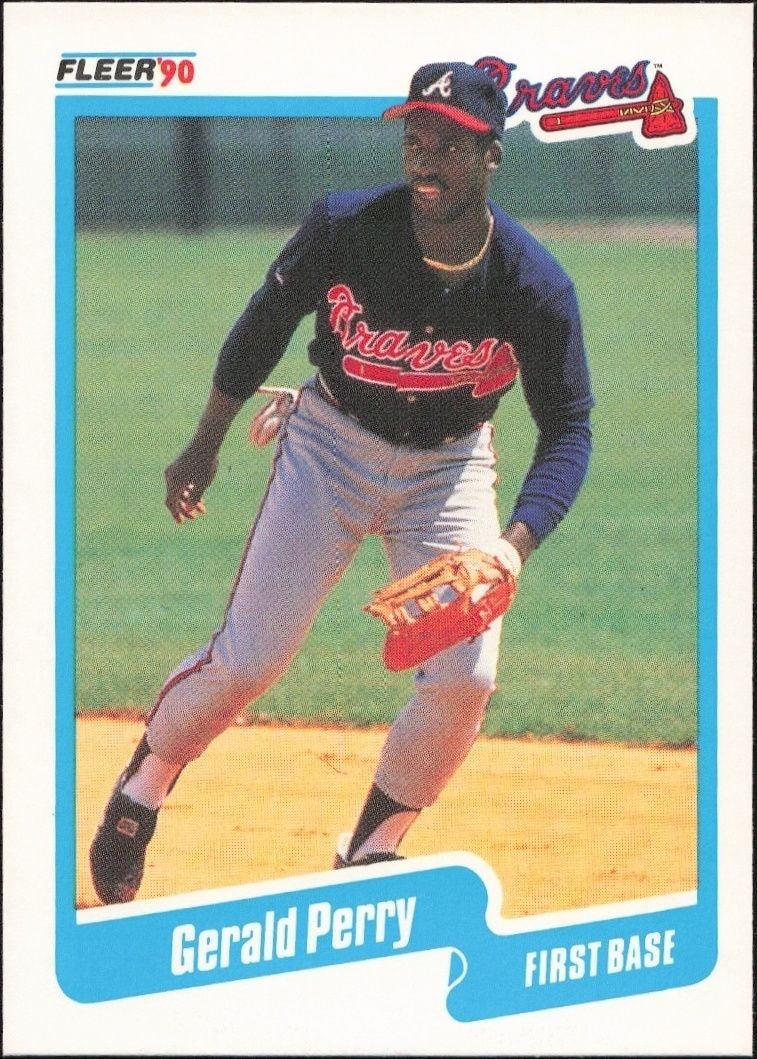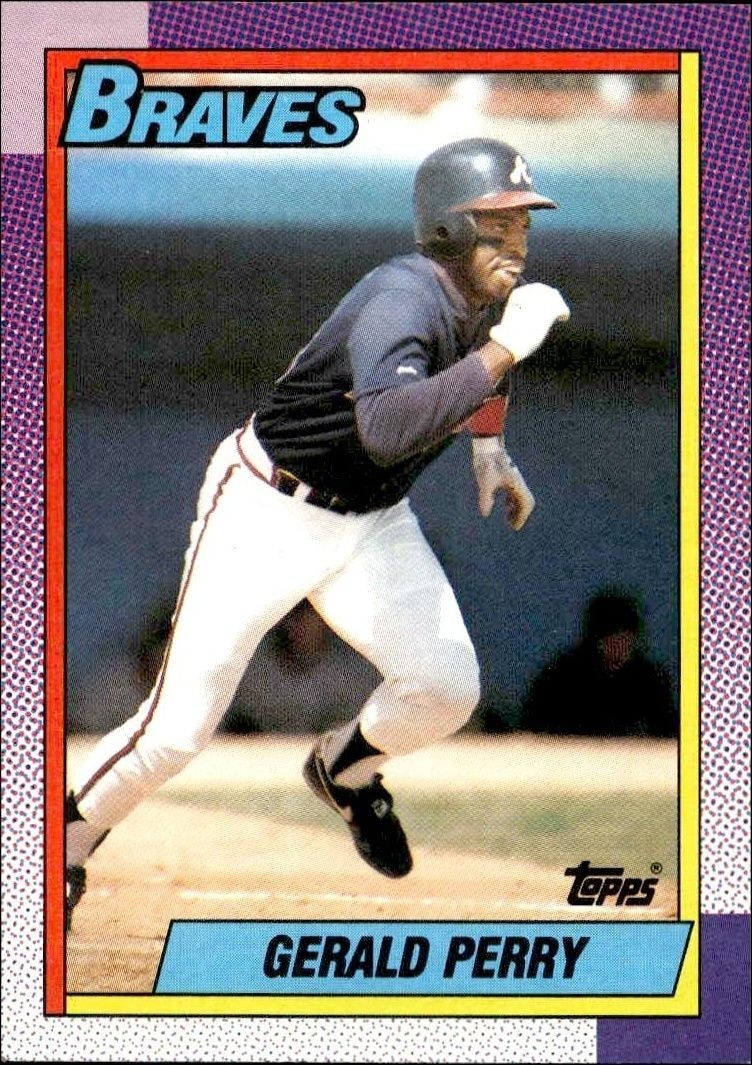





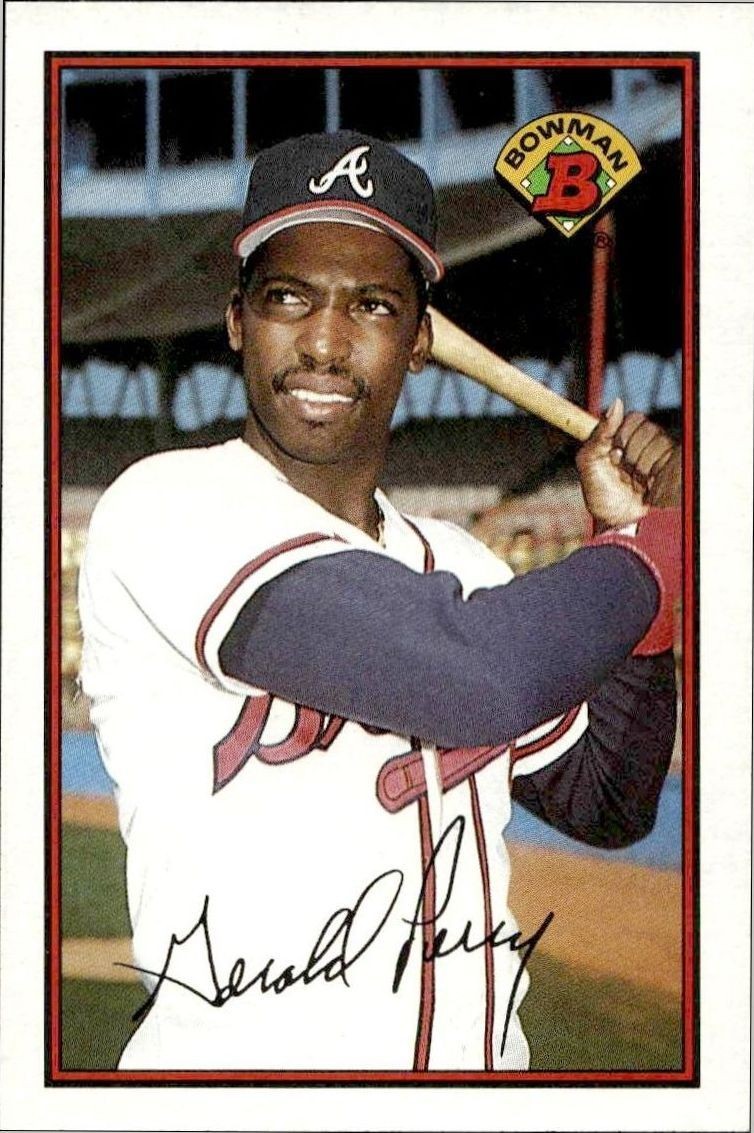




Gerald Perry's 1989 Topps baseball card, numbered 130, captures the Braves infielder during the 1980s era of MLB history.
1989 • Topps
Major League Baseball • Atlanta Braves
Excellent
130
New
Shipping Calculated at Checkout
30-day Returns| Condition | Value | Source | Trend | Price Details |
|---|---|---|---|---|
$1.49 | Guide Estimate | |||
$20.00 | Guide Estimate | |||
$9.00 | Guide Estimate | |||
$15.50 | Guide Estimate | |||
$9.00 | Guide Estimate | |||
Raw / Ungraded
PriceCharting Price Guide · Guide Estimate evidence · captured Oct 16, 2026
History is building. At least two days of matching observations are needed to show a trend.
Each point is the last stored observation that day for this printing, condition, grader, autograph status and source. Gaps mean no observation; guide estimates and asking prices are not completed sales.The 1989 Topps baseball card featuring Gerald Perry, identified by card number 130, represents a tangible piece of Major League Baseball history. This issue highlights Perry during his tenure with the Atlanta Braves, offering collectors a glimpse into the team's roster during the late 1980s. For enthusiasts of vintage sports memorabilia, this card serves as a foundational element for those building comprehensive collections of Topps releases from that decade. Gerald Perry played as an infielder, and his inclusion in the 1989 Topps set reflects the standard production practices of the era, where each player was assigned a unique number within the base set. The card provides a straightforward, iconic look at the player, adhering to the classic design language that Topps utilized to create a cohesive visual identity across its entire annual release. Collectors often seek out these cards to complete base sets or to trace the career paths of players who contributed to their favorite teams during pivotal seasons. As a product of the 1989 Topps series, this card benefits from the widespread distribution and enduring popularity of the brand, which remains a cornerstone of modern and vintage sports card collecting. The 130th card in the set is a standard base card, making it accessible for new collectors while remaining a necessary component for dedicated set builders. The 1989 Topps release is particularly notable among hobbyists for its extensive coverage of the league, providing a complete snapshot of the players who defined that year in baseball. Whether you are looking to add a piece of Braves history to your portfolio or complete a specific year of the Topps chronology, this Gerald Perry card offers a direct connection to the sport's past. The 1989 Topps brand continues to be a primary reference point for evaluating and appreciating the evolution of sports card design, and this issue stands as a clear example of that legacy. For investors and hobbyists alike, understanding the context of the 1989 Topps set helps in appreciating the historical significance of each card within the broader narrative of baseball memorabilia.
7 hours ago
We'll pre-fill the product details from this catalog entry, so your listing lands on this exact page. Just add photos of your copy, pick its condition, and set your price.
The catalog profile below summarizes the card identity, featured subject, and notable collectible traits.
The subject, team, league, and sport context tied to this card.
Production details and format-specific attributes.
Material
Card Stock
Language
English
Compare prices, grades, photos, and shipping from approved sellers.
New
Excellent
See how many public collections currently include this card.
0 collectors have this card
This 1989 Topps Gerald Perry card represents a baseline entry point within the broader baseball market, trading at a modest tier relative to star players or high-demand rookies. As a non-premium parallel from a mass-produced set, it reflects standard condition-based pricing for a role player rather than commanding a specialized collector premium. The current market position suggests it is accessible for those looking to complete specific team or set subsets without significant financial barrier.
The card carries no special scarcity attributes such as serial numbering, short-print status, or limited edition designations, placing it squarely in the general circulation category. Its supply is effectively unlimited relative to collector demand, as it is a standard base card from a high-volume 1989 Topps print run. Consequently, availability is driven by existing inventory in the secondary market rather than inherent physical rarity or manufacturing constraints.
Investment potential is limited by the lack of rookie card status, as Perry did not debut in this 1989 issue, removing the primary driver of long-term value appreciation for most players. The card’s value is largely sustained by nostalgia and the need to fill gaps in complete set collections rather than speculative growth. Collectors should view this item as a low-cost acquisition for completion purposes rather than a vehicle for capital appreciation.