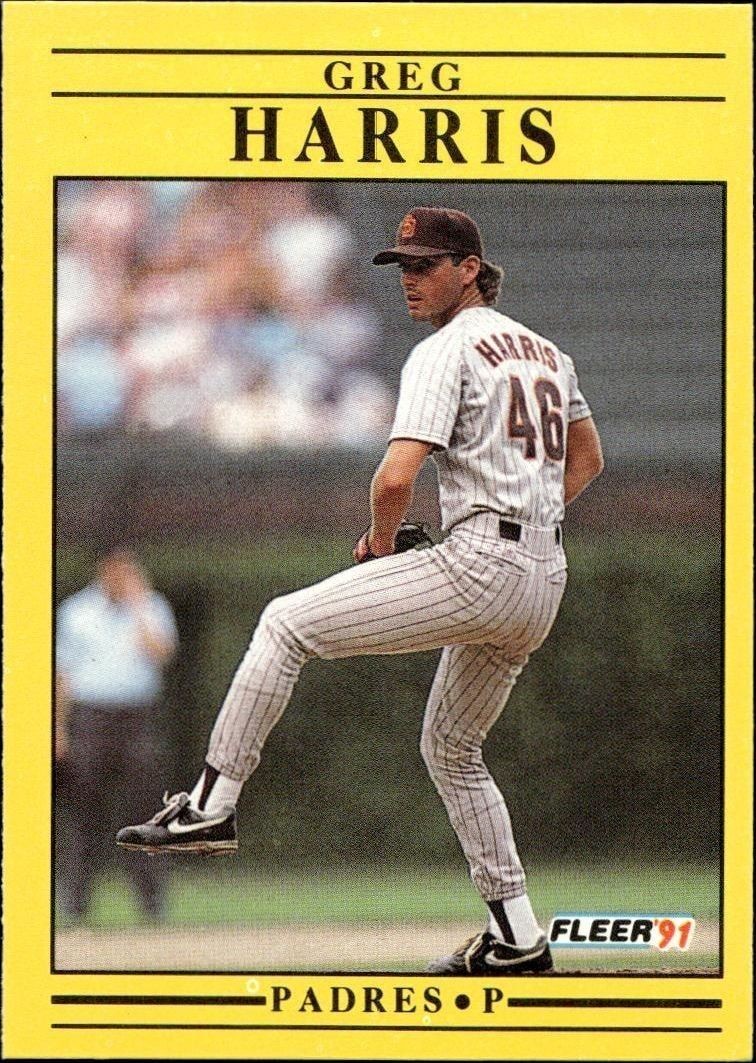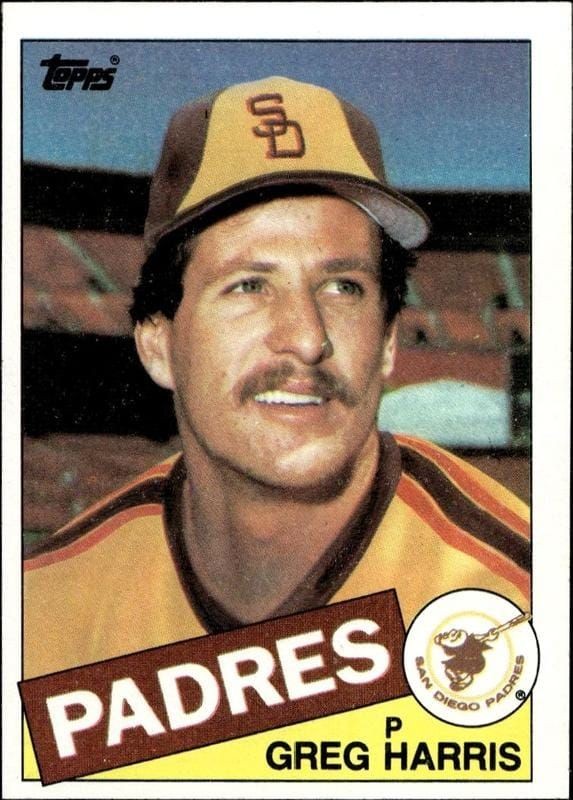
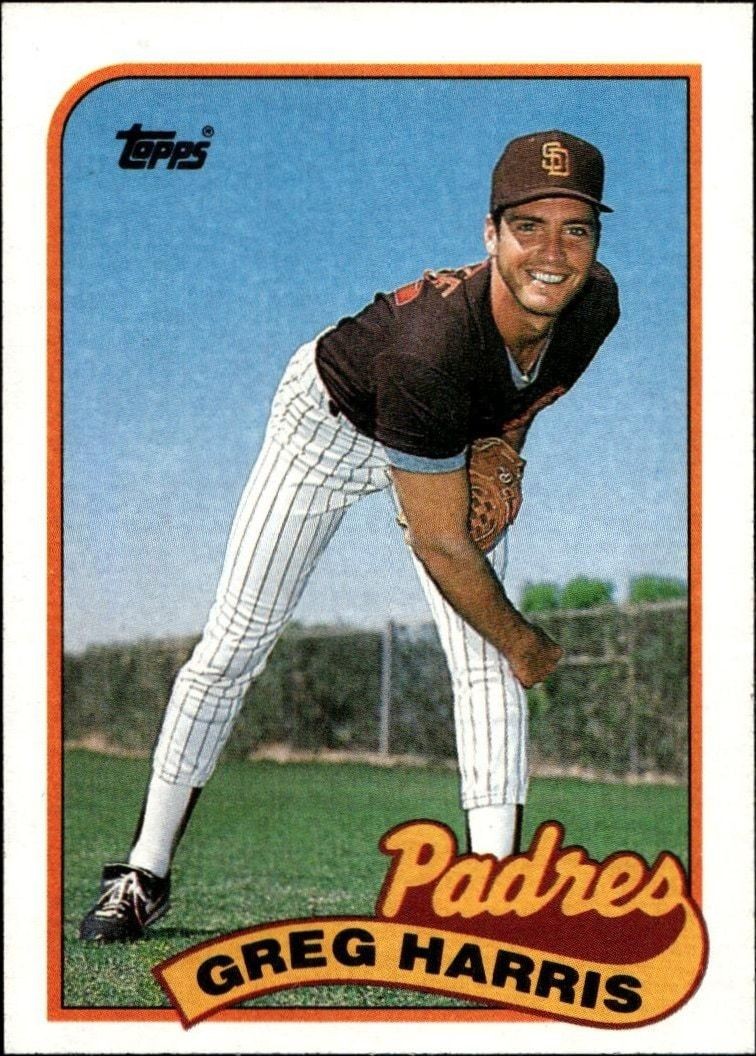
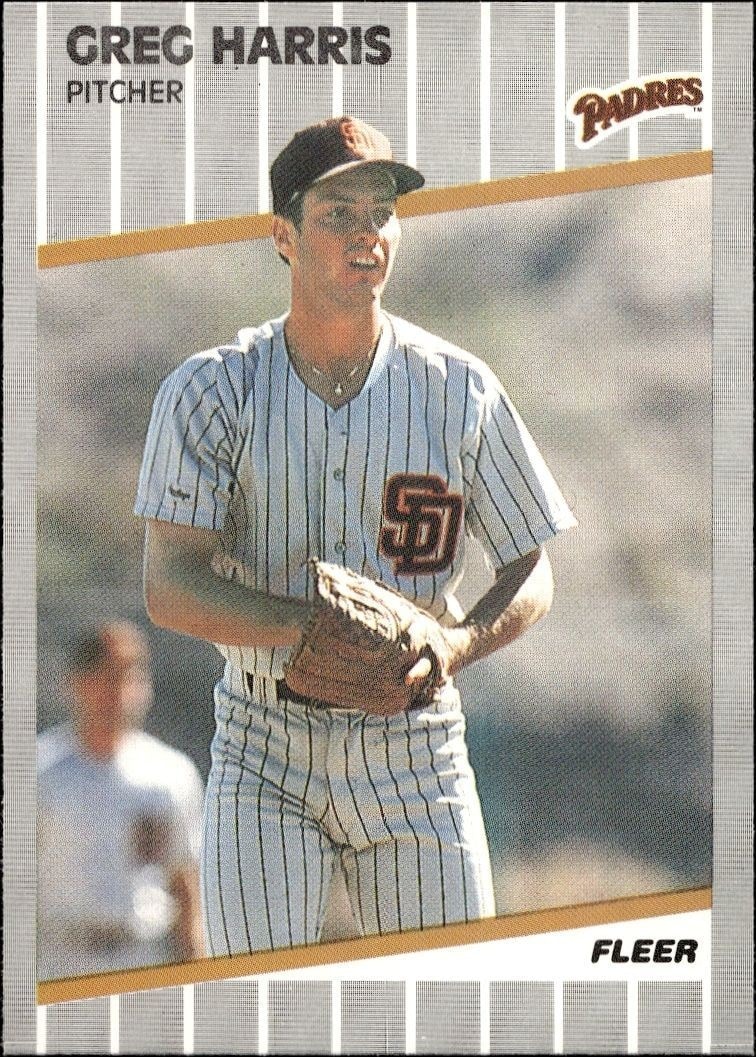
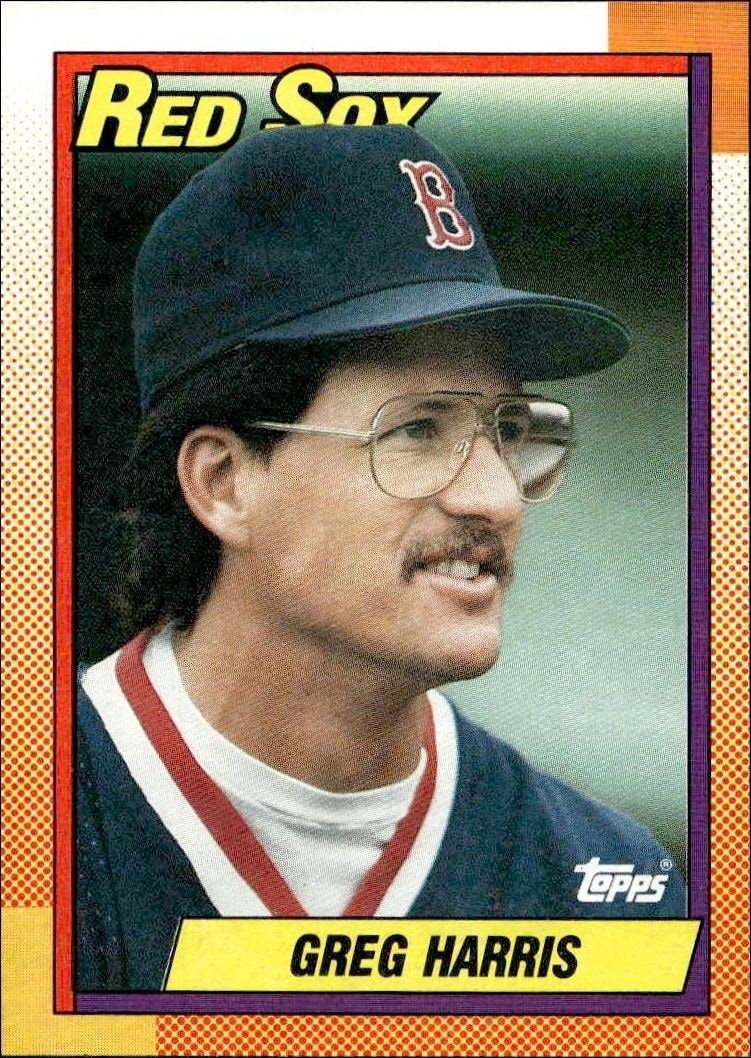
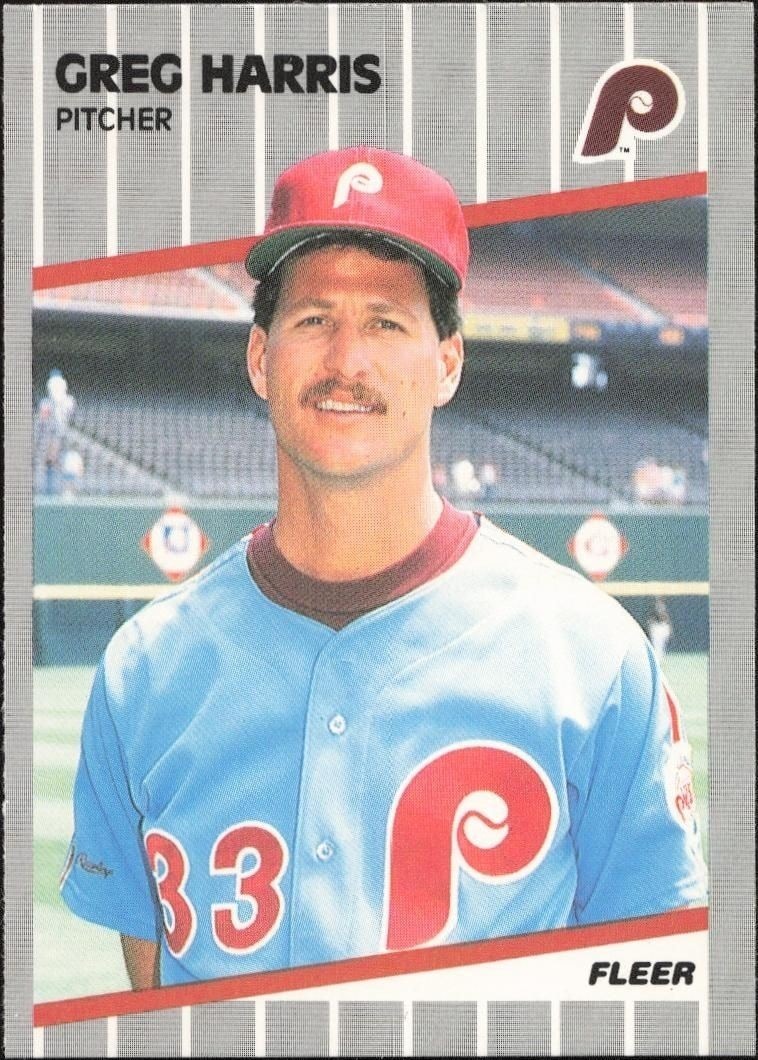

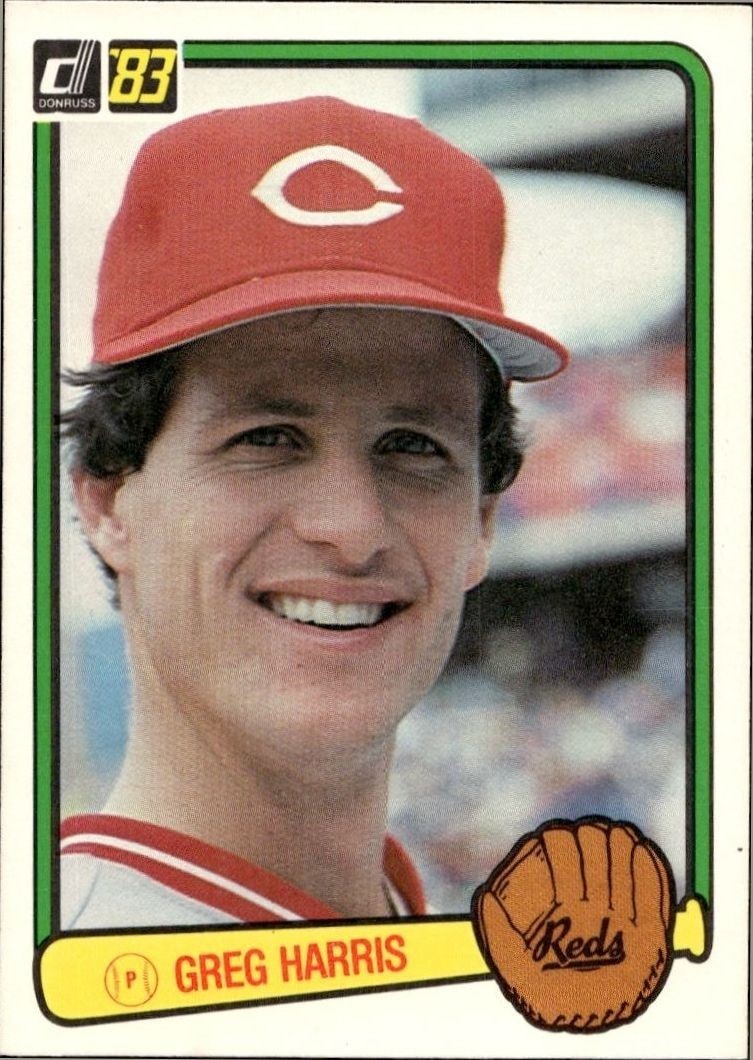
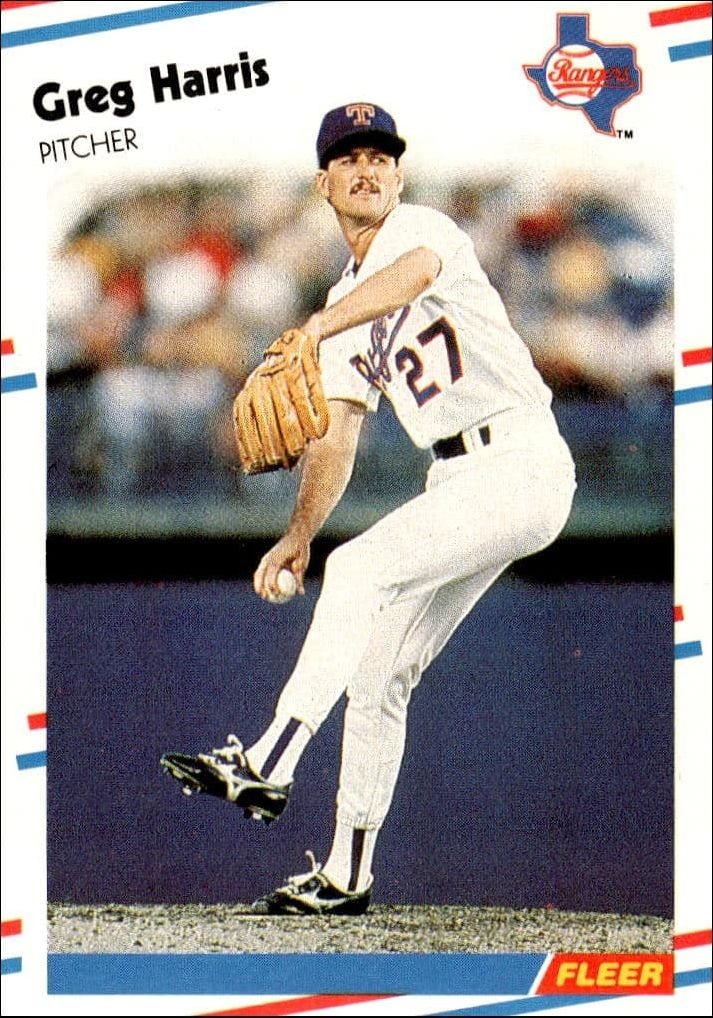
The 1989 Topps Greg Harris #627 baseball card is a vintage collectible featuring the Philadelphia Phillies player. This classic issue is a key piece for dedicated set builders.
1989 • Topps
Major League Baseball • Philadelphia Phillies
Excellent
627
New
Shipping Calculated at Checkout
Arrives in 5-7 daysEstimated delivery October 23, 2026 - October 25, 2026
Seller returns October 19, 2026.30-day Returns| Condition | Value | Source | Trend | Price Details |
|---|---|---|---|---|
$1.21As of 9/21/2026 | Guide Estimate | |||
$55.00As of 9/21/2026 | Guide Estimate | |||
$25.00As of 9/21/2026 | Guide Estimate | |||
$42.09As of 9/21/2026 | Guide Estimate | |||
$25.00As of 9/21/2026 | Guide Estimate | |||
Raw / Ungraded
PriceCharting Price Guide · Guide Estimate evidence · captured Sep 21, 2026
History is building. At least two days of matching observations are needed to show a trend.
Each point is the last stored observation that day for this printing, condition, grader, autograph status and source. Gaps mean no observation; guide estimates and asking prices are not completed sales.The 1989 Topps Greg Harris #627 baseball card represents a specific snapshot from the late 1980s sports card market. This product is cataloged under the Topps brand, identifying it as part of the mainstream release that defined the era for millions of collectors. Card number 627 features Greg Harris, who is listed with the Philadelphia Phillies, providing a tangible connection to that specific team roster during the 1989 season. For collectors building comprehensive sets, this card serves as a required component of the 1989 Topps base set. The uniform design language of the Topps brand from this period is instantly recognizable, making it a staple for those who appreciate the aesthetic of vintage sports memorabilia. Whether you are hunting for a specific player or looking to complete the entire run, this product targets the core audience of serious enthusiasts. Greg Harris is the central subject of this card, and his inclusion ties directly to the 1989 baseball season. Collectors often seek out this card number to fill gaps in their personal archives or to add depth to their portfolio of Phillies-related items. The intersection of the Topps brand identity and the specific year creates a distinct collector item that resonates with nostalgia and historical accuracy. We ensure that details like the card number, player name, and team affiliation are accurate for every listing under this product group. By focusing on the factual identity of the 1989 Topps Greg Harris #627 card, we help collectors make informed decisions based on clear, verifiable data rather than subjective condition claims.
13 hours ago
We'll pre-fill the product details from this catalog entry, so your listing lands on this exact page. Just add photos of your copy, pick its condition, and set your price.
The catalog profile below summarizes the card identity, featured subject, and notable collectible traits.
The subject, team, league, and sport context tied to this card.
Production details and format-specific attributes.
Material
Card Stock
Language
English
Compare prices, grades, photos, and shipping from approved sellers.
New
Excellent
See how many public collections currently include this card.
0 collectors have this card
This 1989 Topps Greg Harris card represents a foundational entry-level piece within the broader baseball card market, reflecting the accessible pricing typical of mass-produced issues from the late 1980s. As a standard base card without notable variations, it trades at a modest tier relative to more sought-after parallels or high-grade examples of the same issue. The current market positioning suggests steady but low-volume demand, consistent with cards that serve as fillers for complete set collectors rather than speculative assets. The absence of special attributes keeps its value tied directly to the baseline supply of a widely distributed product.
The card lacks any scarcity mechanics such as serial numbering, short-print designation, or parallel finishes, meaning it exists in unlimited supply relative to the base print run. This standard base status results in a high aggregate population, which naturally dilutes individual card value compared to limited-edition counterparts. Without unique identifiers or restricted production runs, the card relies entirely on the general collectibility of the 1989 Topps set for its existence in the secondary market.
As a non-rookie, non-premium card from a high-volume brand, this item offers minimal appreciation potential and is better suited for completionists rather than investors. The lack of rookie status or exclusive branding removes key demand drivers that typically fuel price growth in the hobby. Long-term value retention is likely to remain flat, with any upside dependent solely on broader market trends affecting the 1989 Topps set as a whole rather than individual card merit.