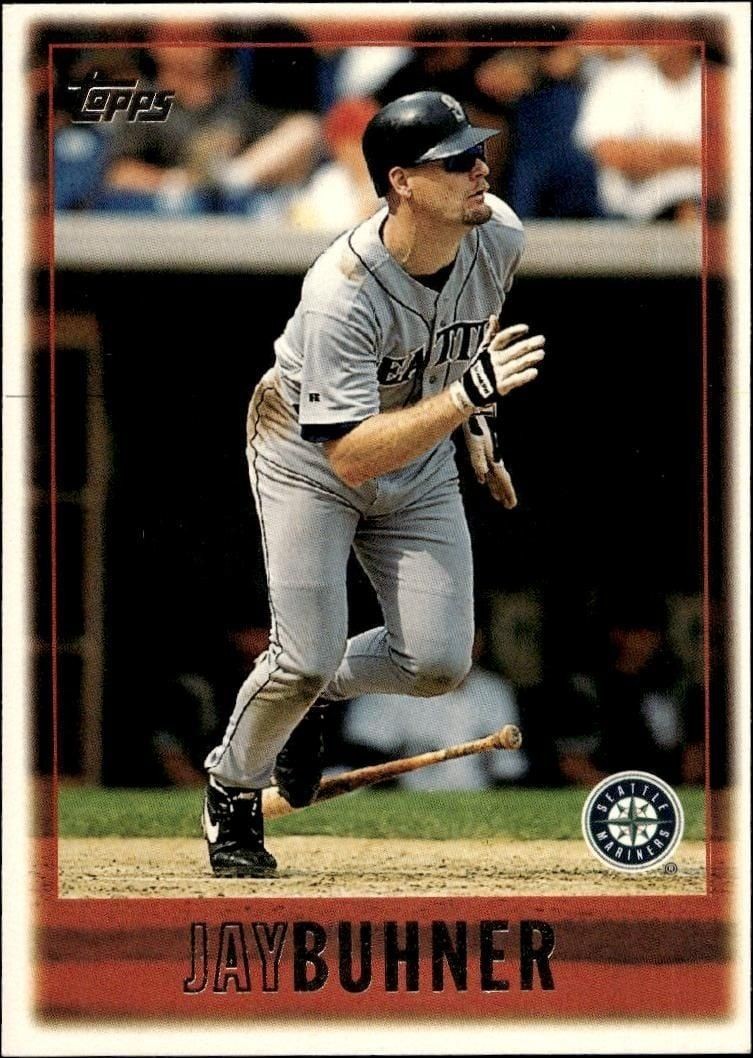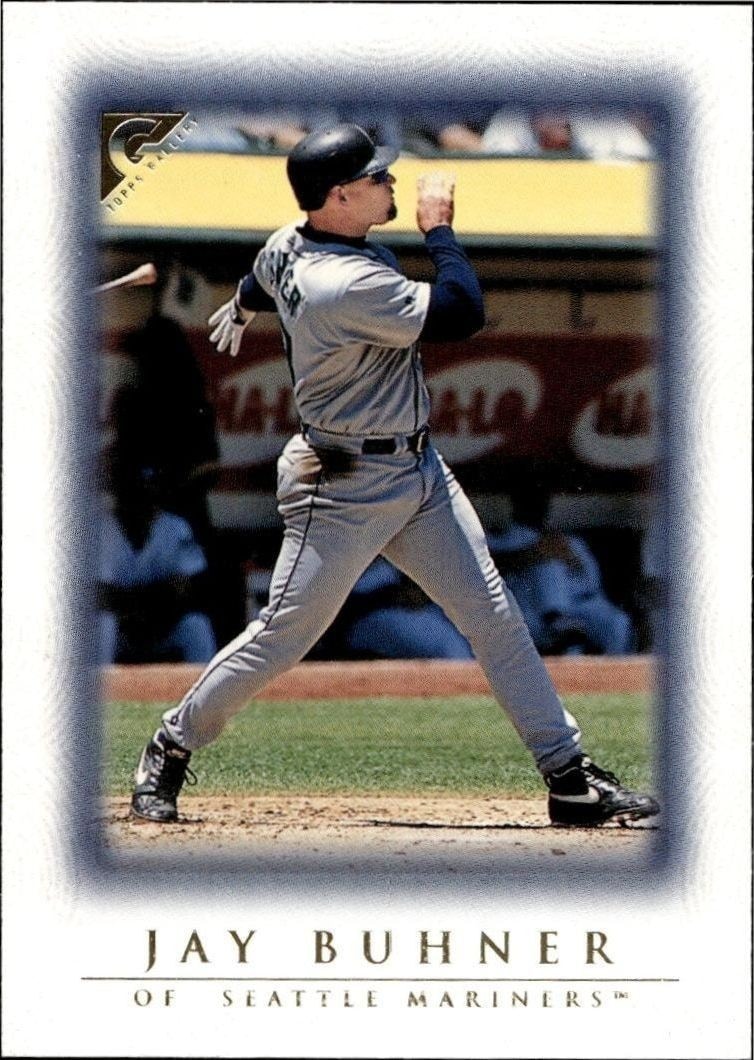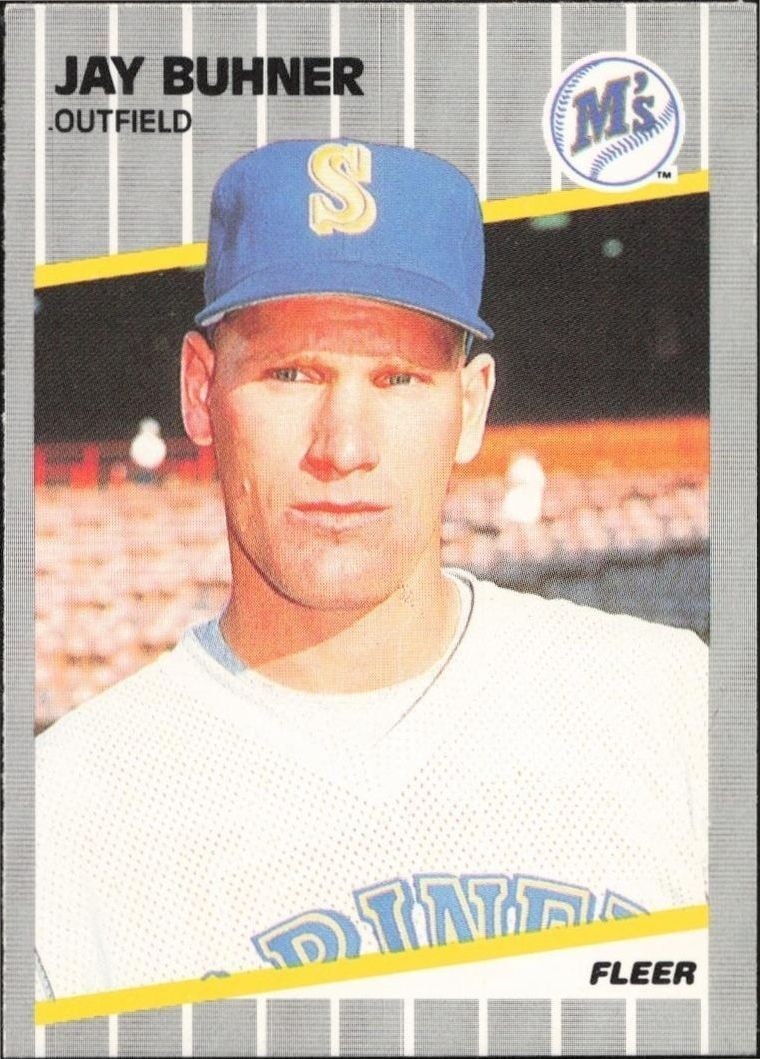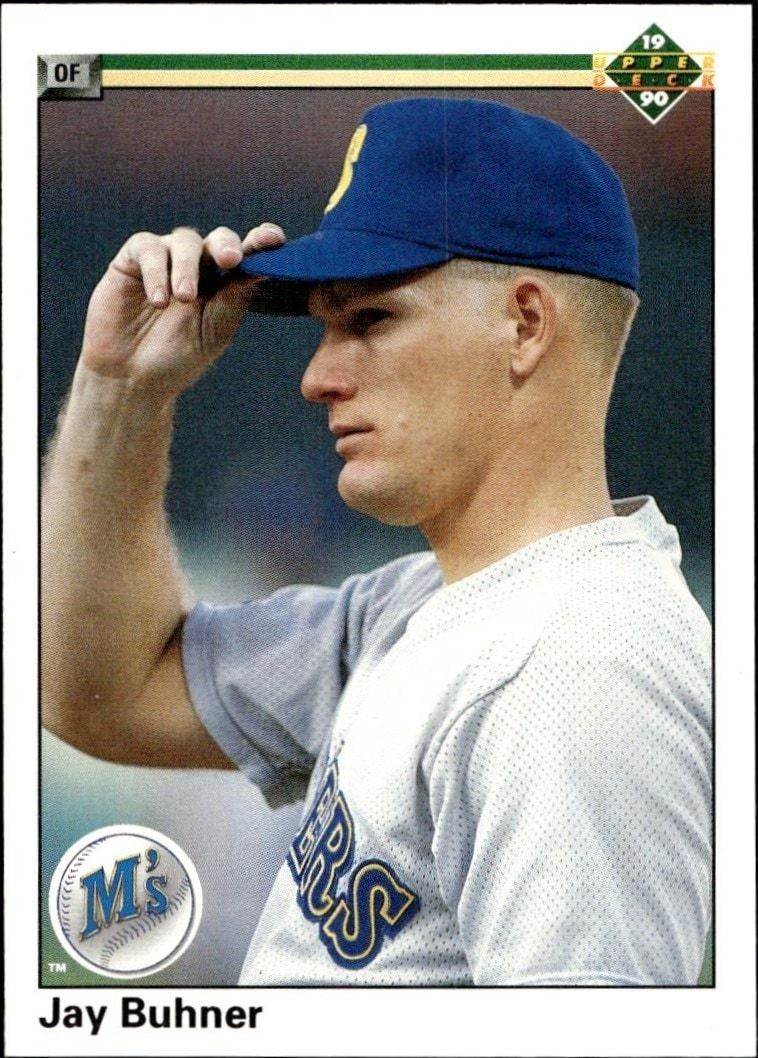

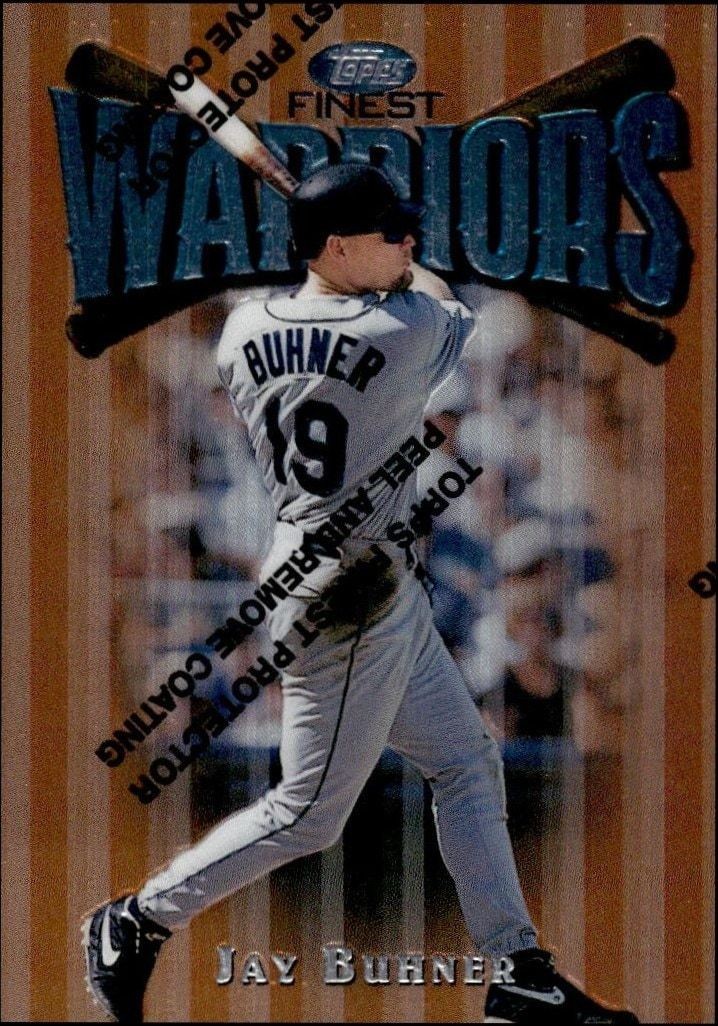

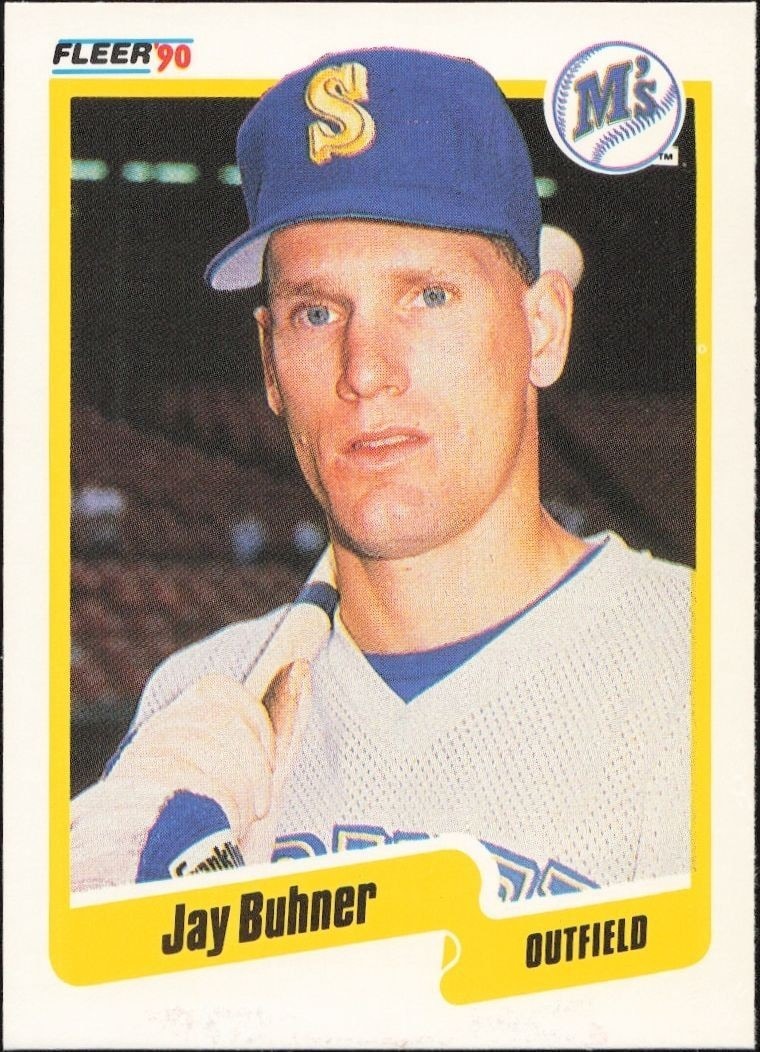
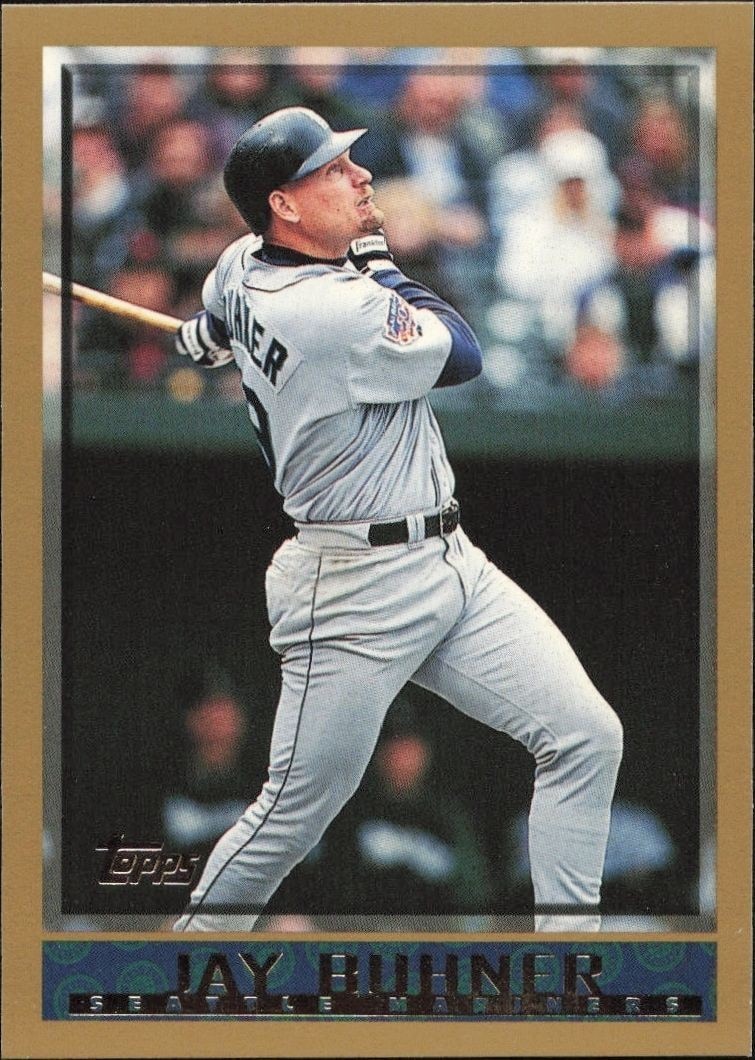
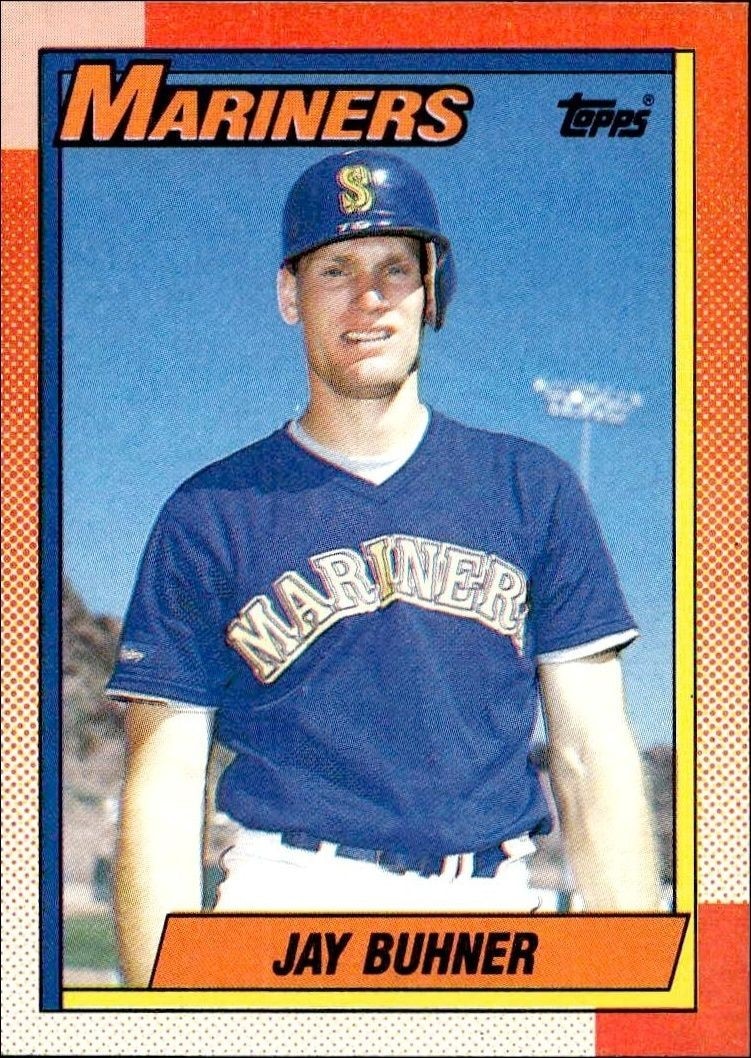
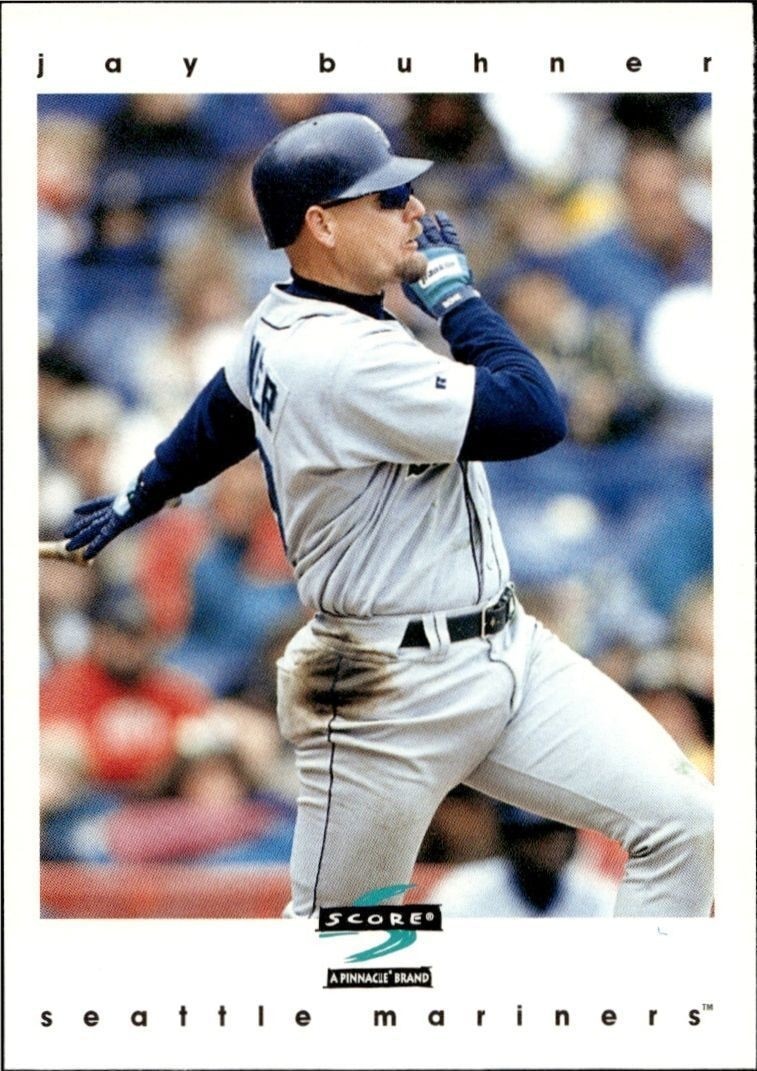
The 1989 Topps Jay Buhner #223 baseball card captures the Seattle Mariners outfielder during his tenure with the team. This vintage release is a staple for collectors building sets from the late 1980s.
1989 • Topps
Major League Baseball • Seattle Mariners
Excellent
223
New
Shipping Calculated at Checkout
Arrives in 5-7 daysEstimated delivery October 23, 2026 - October 25, 2026
Seller returns October 19, 2026.30-day Returns| Condition | Value | Source | Trend | Price Details |
|---|---|---|---|---|
$1.31 | Guide Estimate | -7.1% | ||
$1.15 | Completed Sales | 0% | ||
$5.99 | Guide Estimate | 0% | ||
$15.25 | Guide Estimate | 0% | ||
$22.55 | Guide Estimate | 0% | ||
$25.00 | Guide Estimate | 0% | ||
$62.00 | Guide Estimate | 0% | ||
$28.00 | Guide Estimate | 0% | ||
$47.49 | Guide Estimate | 0% | ||
$28.00 | Guide Estimate | 0% | ||
Raw / Ungraded
PriceCharting Price Guide · Guide Estimate evidence · captured Oct 16, 2026
The 1989 Topps Jay Buhner #223 baseball card remains a recognizable piece of vintage sports memorabilia for enthusiasts of the Seattle Mariners. Released during a pivotal era for the franchise, this card features the outfielder in the standard Topps design language that defined the brand's identity throughout the late 1980s. Collectors often seek out card #223 when working to complete their base set, as it represents a specific snapshot of the roster during that season. Jay Buhner was a significant figure for the Mariners, and his inclusion in the 1989 Topps base set offers a tangible connection to that time. For investors and hobbyists alike, cards from this year are valued for their historical context and the distinct aesthetic of the Topps brand. While the market for vintage baseball cards fluctuates, the 1989 Topps release continues to be a foundational component for many collections. Whether you are looking to add this piece to a personal collection or acquire it for investment purposes, the 1989 Topps Jay Buhner #223 stands as a notable item for those interested in Seattle Mariners history and vintage baseball card collecting.
14 hours ago
We'll pre-fill the product details from this catalog entry, so your listing lands on this exact page. Just add photos of your copy, pick its condition, and set your price.
The catalog profile below summarizes the card identity, featured subject, and notable collectible traits.
The subject, team, league, and sport context tied to this card.
Production details and format-specific attributes.
Material
Card Stock
Language
English
Compare prices, grades, photos, and shipping from approved sellers.
New
Excellent
See how many public collections currently include this card.
0 collectors have this card
As a 1989 Topps base card, this item sits at the entry-level price tier for Jay Buhner, reflecting its status as a standard production issue rather than a premium insert or parallel. The current market price indicates a modest valuation consistent with high-print-run rookie-era baseball cards, where condition sensitivity and availability heavily influence pricing. While it captures the player's early career significance with the Seattle Mariners, it lacks the scarcity premiums found in higher-grade or specialized subsets of the same set.
The card possesses no special scarcity attributes such as serial numbering, short-print status, or unique parallels, meaning it was produced in standard volume for the 1989 Topps set. This lack of limiting factors results in a relatively abundant supply in the secondary market, preventing any rarity-driven value uplift. Collectors seeking this specific card must rely on condition quality rather than scarcity mechanics to differentiate their copy from the broader pool of available inventory.
Investment potential is primarily driven by the rookie-card premium associated with the 1989 year, though the base format limits upside compared to parallel or autographed variants. Demand is likely steady among Mariners historians and Buhner completists, but the absence of unique attributes suggests the card will track closely with general market trends for vintage baseball. Long-term value preservation depends heavily on maintaining high-grade condition, as ungraded or lower-grade examples face greater supply pressure.