










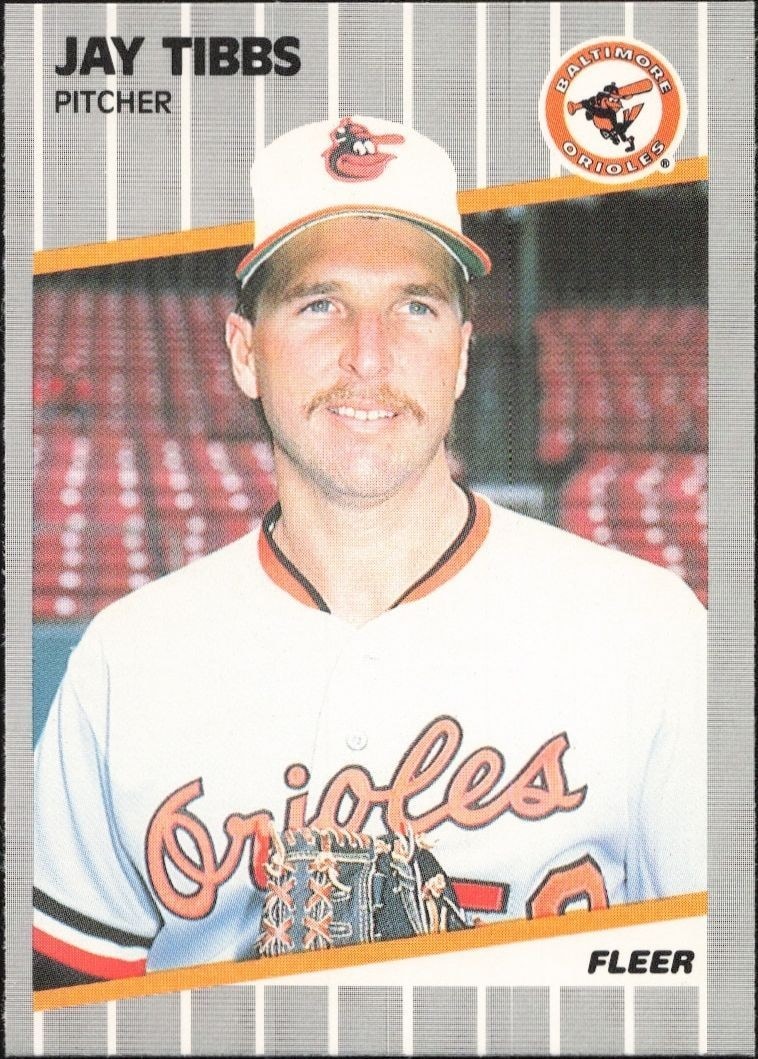

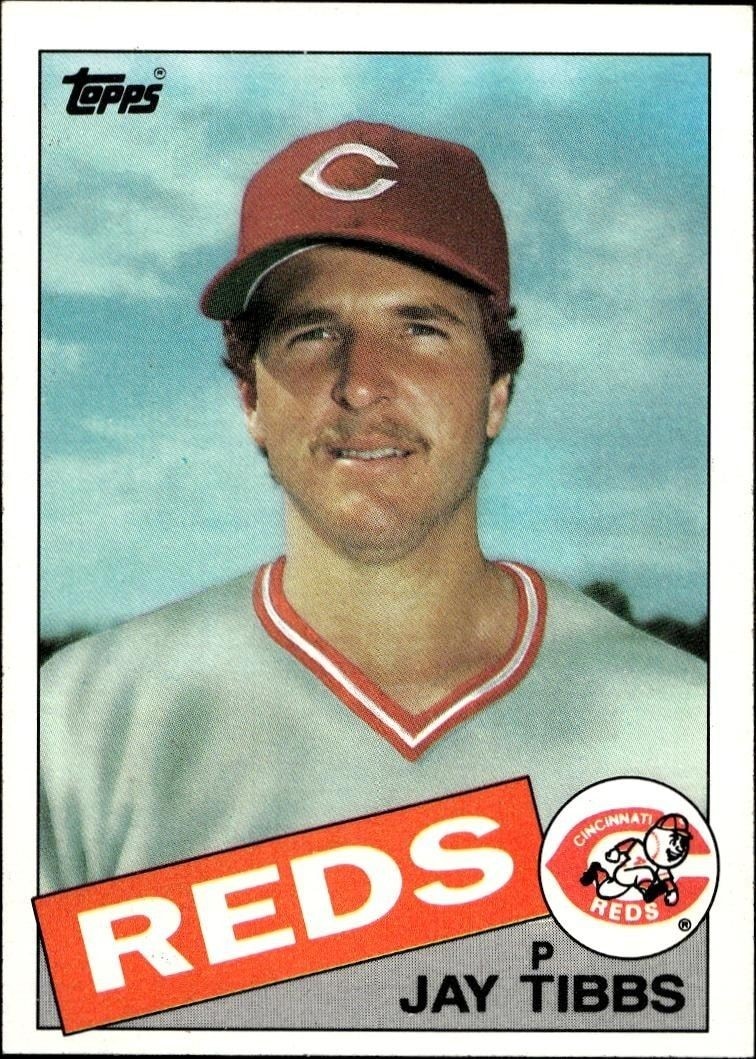
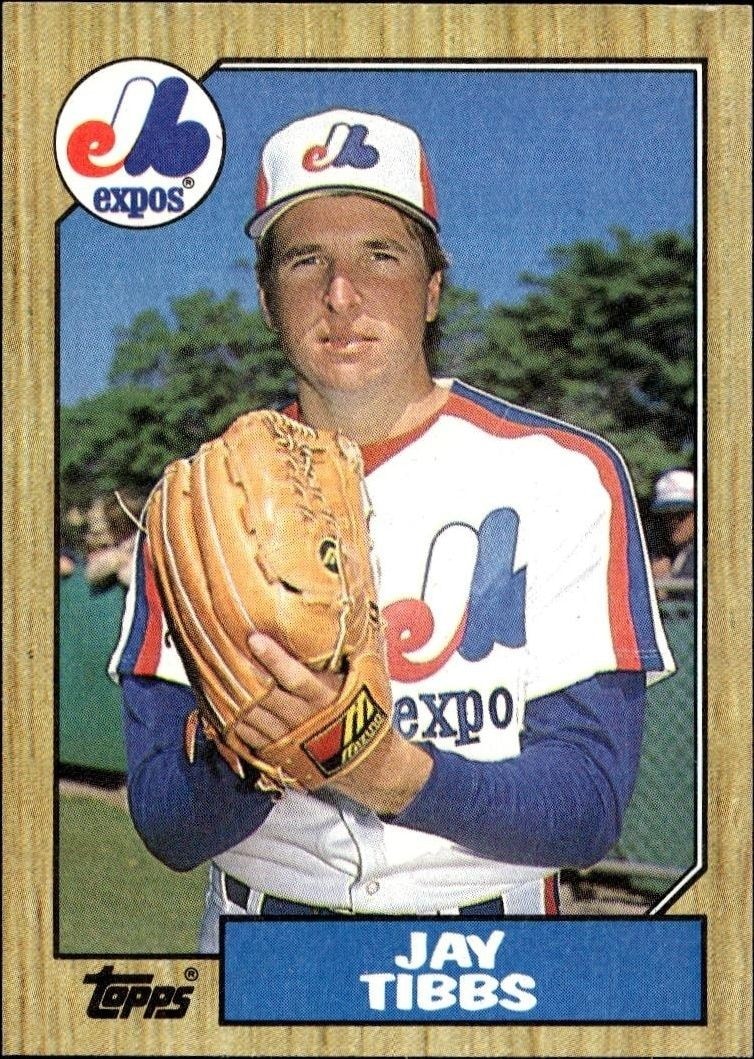

The 1989 Topps Jay Tibbs #271 baseball card features the Baltimore Orioles player in a standard Topps design from the late 1980s era.
1989 • Topps
Major League Baseball • Baltimore Orioles
Excellent
271
New
Shipping Calculated at Checkout
Arrives in 5-7 daysEstimated delivery October 23, 2026 - October 25, 2026
Seller returns October 19, 2026.30-day Returns| Condition | Value | Source | Trend | Price Details |
|---|---|---|---|---|
$1.35As of 9/29/2026 | Asking Prices | |||
$40.00As of 9/29/2026 | Guide Estimate | |||
$19.00As of 9/29/2026 | Guide Estimate | |||
$31.00As of 9/29/2026 | Guide Estimate | |||
$19.00As of 9/29/2026 | Guide Estimate | |||
Raw / Ungraded
eBay Active Listings · Asking Prices evidence · captured Sep 29, 2026
History is building. At least two days of matching observations are needed to show a trend.
Each point is the last stored observation that day for this printing, condition, grader, autograph status and source. Gaps mean no observation; guide estimates and asking prices are not completed sales.The 1989 Topps Jay Tibbs #271 baseball card represents a standard issue from one of the most recognizable brands in sports card history. Released by Topps in 1989, this card features Jay Tibbs during his tenure with the Baltimore Orioles. As a numbered card in the 271 series, it serves as a tangible piece of late-1980s baseball memorabilia for enthusiasts of the era. Collectors of vintage baseball cards often seek out 1989 Topps releases for their distinct aesthetic and historical context. This card, numbered 271, highlights Tibbs in the classic Topps layout that defined the brand's identity throughout the decade. The Baltimore Orioles affiliation provides a direct link to the team's roster history, making it a relevant item for Orioles fans and broader MLB collectors alike. Whether you are building a set of 1989 Topps cards, focusing on Baltimore Orioles history, or exploring vintage baseball artifacts, this card fits into the wider narrative of the sport's collectible culture. The straightforward design and clear identification of the player and team make it an accessible entry point for new collectors while remaining a meaningful addition to established vintage collections. The enduring popularity of the Topps brand ensures that cards from this period remain actively traded and collected. Understanding the specific year and team context helps collectors appreciate the place of this card within the larger 1989 Topps base set. For those interested in the history of the Baltimore Orioles or the broader landscape of 1980s baseball, this card offers a concise and authentic representation of the time. By focusing on accurate cataloging and clear product details, we support the community in building comprehensive and meaningful collections. Explore the broader inventory to discover other vintage cards and complete your set with confidence.
12 hours ago
We'll pre-fill the product details from this catalog entry, so your listing lands on this exact page. Just add photos of your copy, pick its condition, and set your price.
The catalog profile below summarizes the card identity, featured subject, and notable collectible traits.
The subject, team, league, and sport context tied to this card.
Production details and format-specific attributes.
Material
Card Stock
Language
English
Compare prices, grades, photos, and shipping from approved sellers.
New
Excellent
See how many public collections currently include this card.
0 collectors have this card
This 1989 Topps Jay Tibbs card occupies a niche price tier relative to the broader set, reflecting its status as a non-star rookie card from a major manufacturer. The current market activity suggests a stable but modest valuation, with limited supply of active listings indicating steady, albeit low-volume, collector interest. It trades below the premiums commanded by star players or high-grade variations within the same 1989 Topps Baseball release.
As a base card with no noted special attributes, this item represents the standard production run of the 1989 Topps set rather than a short-print or serial-numbered variant. Its scarcity is derived solely from the natural attrition of base cards over time, lacking the artificial supply constraints found in parallel or insert editions. Consequently, it does not carry the exclusive rarity mechanics that typically drive significant premium pricing in the secondary market.
The investment potential is constrained by the card's position as a standard rookie card for a player with limited long-term MLB prominence, reducing speculative demand. Collector interest is primarily driven by nostalgia for the 1989 season and completeness within the Orioles set, rather than future career trajectory. While affordable entry points exist, the lack of unique scarcity features limits upside potential compared to star rookies or rare parallels from the same year.